
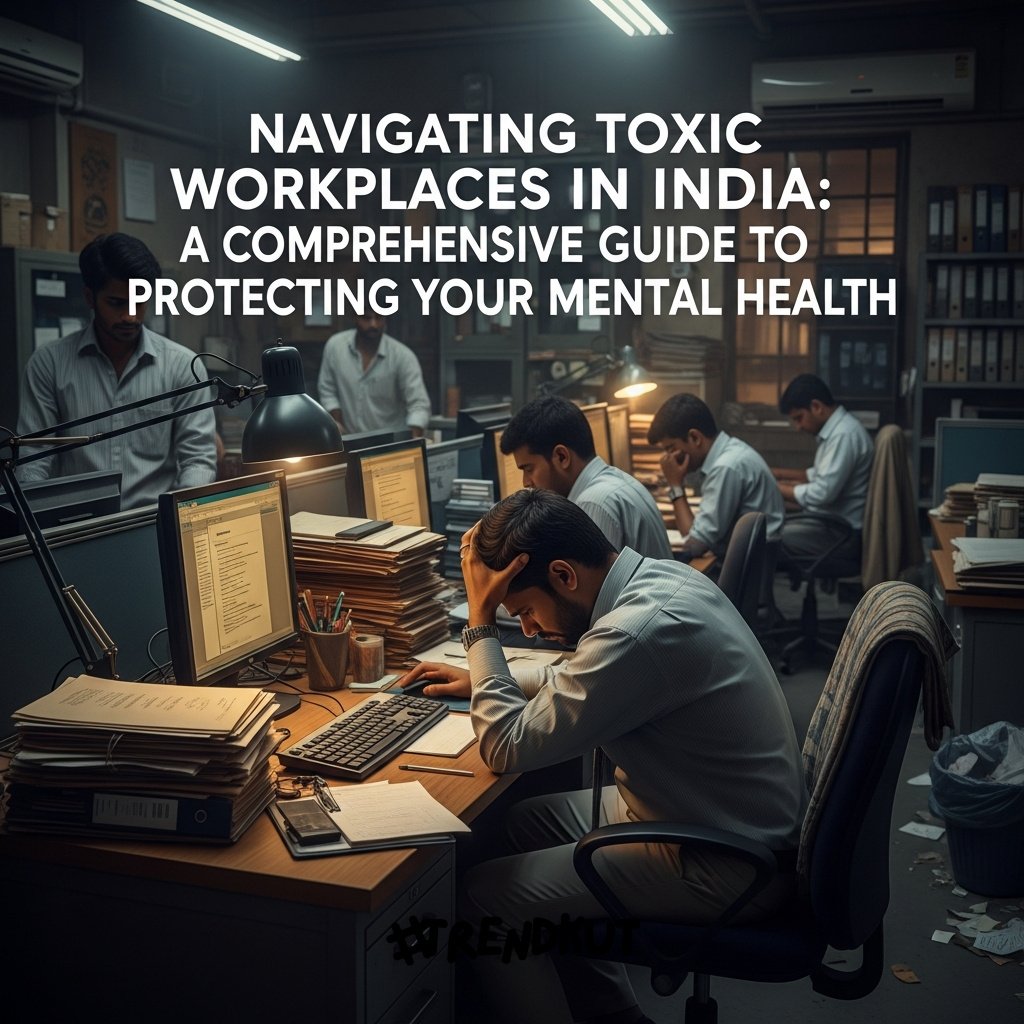
💡 Where is Toxic workplace?
Explore the signs of a toxic workplace in India, learn how to handle difficult bosses, and discover strategies to protect your mental health and career growth.
The modern professional landscape in India is undergoing a significant transformation. While the country continues to establish itself as a global economic powerhouse, a silent crisis is brewing within the cubicles of its corporate offices and the remote setups of its startups. The concept of a toxic workplace has moved from hushed water cooler conversations to the forefront of public discourse. As employees increasingly share their experiences of being broken by high-pressure environments, the need for a deep understanding of workplace toxicity has never been more urgent.
According to a 2023 survey by the Indian Institute of Management, over 60% of employees in IT and corporate sectors report feeling burned out due to long working hours and constant after-hour messaging. This is often attributed to a combination of intense competition, a cultural hesitation to challenge authority, and the blurring of lines between personal and professional life. Understanding what constitutes a toxic environment is essential. Knowing how to navigate it helps professionals sustain a long-term career without sacrificing their well-being.
What is a toxic workplace?
A toxic workplace is an environment where the culture, the people, or the processes cause significant and lasting harm to the employees. It is not just about having a bad day or a demanding boss. It is a systemic issue where negative behaviors like bullying, micromanagement, lack of transparency, and total disregard for personal boundaries become the norm. In the Indian context, this often manifests as an expectation to be available on messaging apps like WhatsApp at all hours, leading to a feeling of being constantly on call.
HR experts in India note that when leadership prioritizes short-term gains over employee health, toxicity trickles down, resulting in micromanagement and fear-based cultures. When leadership prioritizes short-term gains over employee health, it creates a trickle-down effect where managers feel pressured to exploit their subordinates. This leads to a culture of fear rather than a culture of innovation.

How to identify the red flags of a toxic environment?
Red Flags of a Toxic Workplace:
- Lack of Boundaries: Expecting replies after hours shows disrespect for personal time.
- Gaslighting & Blame Shifting: Employees are made to feel at fault even when management fails.
- Micromanagement: Constant supervision stifles growth.
- High Turnover Rates: Frequent resignations indicate systemic issues.
- Passive-Aggressive Communication: Snide remarks or exclusion from meetings is common.
Why is workplace toxicity rising in India?
As per recent industry reports, Industry reports indicate that 70% of startups in India have employees reporting burnout due to unclear expectations, long hours, and rapid promotion of inexperienced managers. The highly competitive job market often makes employees feel that they are replaceable, which managers may use as leverage to demand excessive work. Furthermore, the rapid growth of the startup ecosystem has sometimes led to the elevation of individuals to management roles without proper leadership training.
There is also a cultural element where questioning a senior is often viewed as a sign of disrespect. This prevents employees from speaking up against unfair practices. However, as the younger generation enters the workforce, there is a growing demand for a better work-life balance and mental health support, leading to a clash between traditional management styles and modern employee expectations.

How to handle a toxic boss or manager?
Dealing with a difficult superior requires a strategic approach. It is about protecting your career while maintaining your sanity. Experts suggest the following steps:
- Document Everything: Keep a record of all interactions that feel unprofessional. Save emails, take screenshots of inappropriate WhatsApp messages, and note down dates and times of verbal abuse. This documentation is vital if you ever need to approach HR or legal counsel.
- Set Firm Boundaries: Gently but firmly communicate your availability. For instance, you might say, I am available for urgent matters until 7 PM, after which I will respond the following morning. While this may feel risky, it is necessary for long term survival.
- Seek Support: Do not isolate yourself. Talk to trusted colleagues or mentors outside the organization. Sometimes, a third party perspective can help you realize that the problem lies with the environment, not with your performance.
- Focus on What You Can Control: You cannot change a toxic person, but you can control your reaction to them. Practice mindfulness and ensure your identity is not solely tied to your job.
What are the legal protections for employees in India?
While India is still developing comprehensive laws specifically targeting workplace bullying, there are several legal frameworks that provide protection. The Mental Healthcare Act of 2017 recognizes the right of individuals to access mental health care and live a life of dignity. Furthermore, the Prevention of Sexual Harassment (POSH) Act provides a framework for addressing harassment, though it is specifically focused on sexual misconduct.
Labour laws in various states also dictate maximum working hours and leave entitlements. According to legal analysts, employees can approach the Labour Commissioner if they are being forced to work beyond legal limits without compensation. Organizations are also increasingly being held accountable in the court of public opinion, where viral social media posts can lead to significant brand damage and subsequent internal policy changes.

How to transition out of a toxic job?
Sometimes, the only way to save yourself is to leave. However, quitting a job in a volatile economy requires careful planning. Start by updating your resume and networking discreetly. It is often easier to find a job when you already have one, but if the toxicity is severely impacting your health, you may need to consider a planned exit even without a backup.
When interviewing for new roles, use the opportunity to vet the new company culture. Ask questions about employee retention, management styles, and how the company handles work life balance. Look for green flags like transparent communication and a genuine interest in employee growth.
Pro tips for maintaining mental health in a high pressure job
- Physical Activity: Regular exercise is a proven stress buster. Even a 20 minute walk can lower cortisol levels.
- Digital Detox: Set a time every evening to put away all work related devices.
- Professional Counseling: Speaking to a therapist can provide you with the tools to manage anxiety and build emotional resilience.
- Upskilling: Focus on learning new skills that make you more marketable. This gives you the confidence to leave a toxic situation, knowing you have options.
Frequently Asked Questions
How do I know if my workplace is toxic or just stressful?
Stress is usually tied to specific tasks or deadlines and is temporary. Toxicity is a constant state of being where you feel belittled, manipulated, or exhausted regardless of the workload. If the environment makes you feel physically ill or dreading every single day, it is likely toxic.
Can I complain to HR about a toxic boss?
Yes, you can, but it is important to go prepared with documentation. Understand that HR works for the company, so frame your complaint in a way that shows how the toxic behavior is hurting the company productivity or risking legal issues.
Is it okay to quit a job without another offer if the environment is toxic?
This depends on your financial situation. If you have an emergency fund and your mental health is deteriorating rapidly, leaving might be the best option. However, experts usually suggest trying to secure a new role first to avoid the added stress of financial instability.
How can I explain leaving a toxic workplace in a future interview?
Avoid badmouthing your previous employer. Instead, focus on what you are looking for in a new culture. You can say, I am looking for an environment that prioritizes collaborative growth and clear communication, which was missing in my previous role.
What should I do if my boss messages me on WhatsApp after work hours?
Unless it is a genuine emergency defined by your contract, you are not obligated to reply immediately. You can set a professional precedent by responding the next morning during work hours. If pressured, you can explain that you dedicate your evenings to family and personal recovery to ensure you are productive the next day.
Conclusion
A toxic workplace is a significant hurdle, but it does not have to be the end of your professional journey. By recognizing the signs, setting boundaries, and knowing your legal rights, you can navigate these challenging waters. Remember that no job is worth your mental peace or physical health. In the evolving Indian corporate world, the power is slowly shifting back to the employees who value their worth and demand respect. Stay informed, stay resilient, and always prioritize your well-being over a paycheck.
Important Note: Medical Disclaimer: This information is not intended to be a substitute for professional medical advice, diagnosis, or treatment. Always seek the advice of your physician or other qualified health provider.
Related Media
Quick View: Navigating Toxic Workplaces in India: A Comprehensive Guide to Protecting Your Mental Health





Comments 0
Leave a Reply
Your email address will not be published. Required fields are marked *
Be the first to share your thoughts!