
💡 Nepal vs Oman: A Comprehensive Comparison of Landscapes, Economies, and Sporting Rivalries
Explore the fascinating differences and deep-rooted connections between Nepal and Oman, from Himalayan peaks and Arabian deserts to their intense cricket rivalry.
Nepal and Oman are two nations that, despite being separated by thousands of miles, share a deep and multifaceted relationship built on economic interdependence and a fierce sporting rivalry. While Nepal is a landlocked, mountainous country defined by the Himalayas and a Hindu-Buddhist heritage, Oman is a coastal Sultanate on the Arabian Peninsula known for its desert landscapes and Islamic traditions. Their connection is primarily driven by the thousands of Nepali workers who contribute to Oman’s infrastructure and a competitive history in Associate cricket that has made their head-to-head matches a highlight of the international calendar.
Exploring the Unique Connection Between the Himalayas and the Arabian Sea
At first glance, Nepal and Oman seem to have nothing in common. One is the roof of the world, home to eight of the ten highest peaks on Earth. The other is a gateway to the Persian Gulf, defined by ancient maritime trade routes and vast desert dunes. However, the modern era has bridged this gap. For Nepal, Oman represents a vital destination for its labor force, providing jobs that sustain thousands of families back home. For Oman, the Nepali community has become an integral part of its social and economic fabric, filling essential roles in construction, hospitality, and domestic services.
Geographical Divergence: From the Peaks of Everest to the Sands of Muscat
The geography of these two nations represents two extremes of the natural world. Nepal’s terrain is dominated by the Great Himalaya Range. It is a vertical country where the altitude ranges from nearly sea level in the Terai plains to 8,848 meters at the summit of Mount Everest. This creates a climate that varies from tropical heat to arctic cold within a few hundred kilometers.
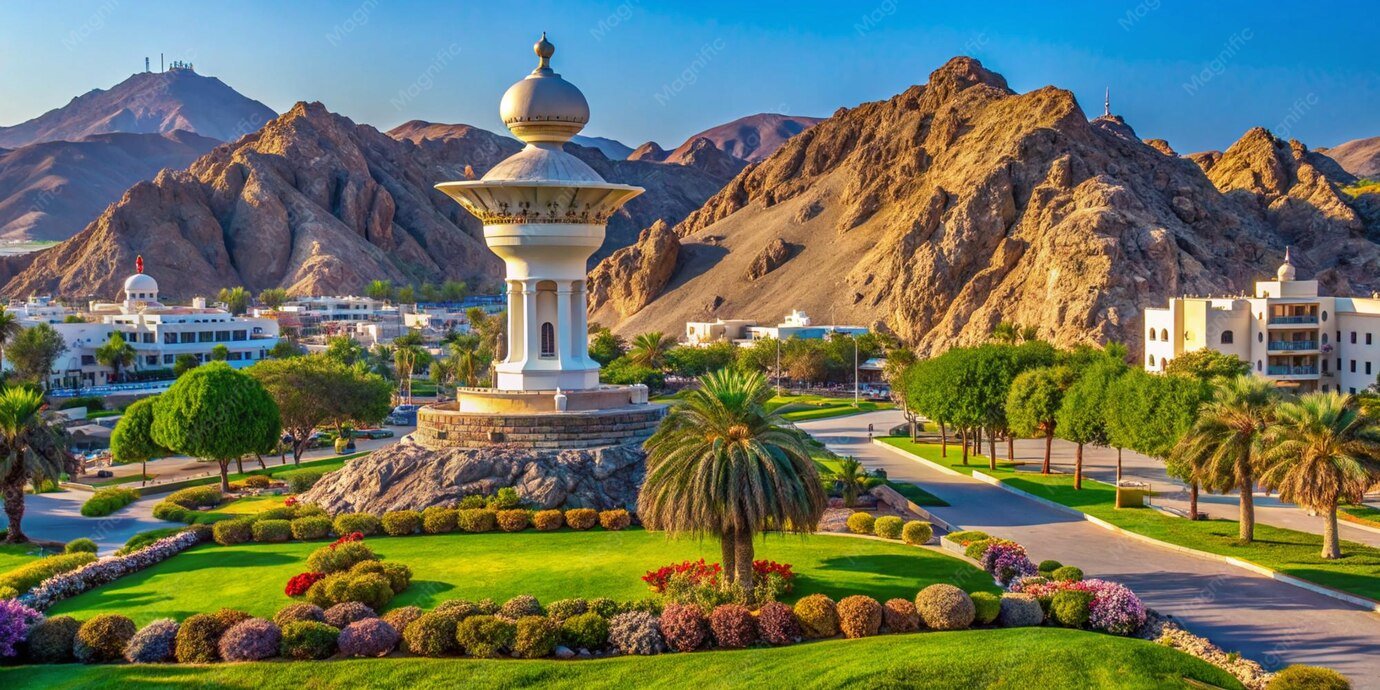
Oman, by contrast, is a land of rugged mountains, vast gravel plains, and the undulating dunes of the Wahiba Sands. While Nepal is landlocked, Oman boasts over 3,000 kilometers of coastline along the Arabian Sea and the Gulf of Oman. The Al Hajar Mountains in Oman offer a rocky, arid beauty that stands in stark contrast to the lush, green, and snow-capped valleys of the Nepali mid-hills.
Economic Interdependence: The Role of Nepali Human Capital in Oman’s Development
The economic relationship between Nepal and Oman is largely defined by labor migration. According to data from Nepal’s Department of Foreign Employment, Oman remains a preferred destination for Nepali migrant workers due to its relatively stable labor laws and peaceful social environment compared to other Gulf nations.
- Remittances: The money sent back by Nepalis in Oman is a significant contributor to Nepal’s GDP, helping to reduce poverty and fund education and healthcare in rural areas.
- Infrastructure: Nepali workers have played a crucial role in building Oman’s modern infrastructure, from the gleaming skyscrapers of Muscat to the expansive highway networks connecting the interior regions.
- Diversification: As Oman moves toward its "Vision 2040" to diversify its economy away from oil, the demand for skilled Nepali workers in the tourism and service sectors is expected to grow.
The Associate Cricket Rivalry: Analyzing the Head-to-Head History on the Pitch
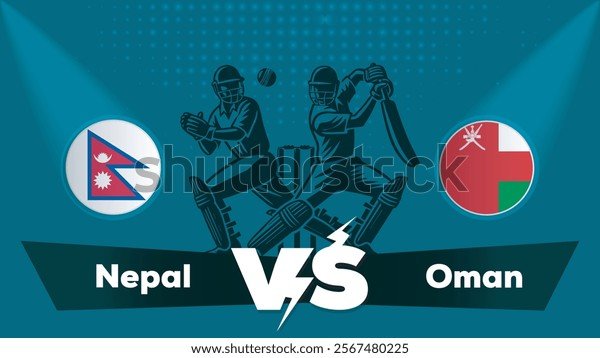
In the world of international cricket, the Nepal vs Oman fixture has become one of the most anticipated matches in the ICC Associate circuit. Both teams have risen through the ranks simultaneously, often meeting in crucial World Cup Qualifiers and the ICC Cricket World Cup League 2.
Nepal is known for its "attack-first" philosophy, fueled by a massive and passionate fanbase. Their strength lies in their world-class spin bowling and an increasingly aggressive batting lineup that looks to dominate from the first ball. Oman, on the other hand, is known for its tactical discipline and consistency. They often rely on a strong core of experienced all-rounders and a clinical approach to death bowling. When these two styles clash, the matches are frequently high-stakes affairs that go down to the final over.
Cultural Tapestry: Comparing Traditions, Religious Heritage, and Social Norms
Culturally, the two nations offer a study in contrasts. Nepal’s culture is a vibrant fusion of Hindu and Buddhist traditions. Festivals like Dashain, Tihar, and Holi are celebrated with immense color and public gatherings. The social structure is deeply influenced by community ties and a history of monarchy that transitioned into a republic.
Oman is a bastion of Ibadhi Islam, characterized by its moderation, tolerance, and deep sense of hospitality (Diwan). Omani culture is reflected in its architecture—low-rise, white buildings that honor traditional styles—and its legendary maritime history. While Nepal’s social life often revolves around mountain villages and communal courtyards, Omani social life is centered around the family Majlis and the traditional souqs (markets).
Tourism and Travel: Choosing Between Himalayan Adventure and Arabian Luxury
For travelers, the choice between Nepal and Oman depends on the type of experience desired. Nepal is the ultimate destination for adventure seekers and budget travelers. It offers world-class trekking (Everest Base Camp, Annapurna Circuit), spiritual retreats in Lumbini, and wildlife safaris in Chitwan. The cost of travel in Nepal is relatively low, making it accessible to backpackers.
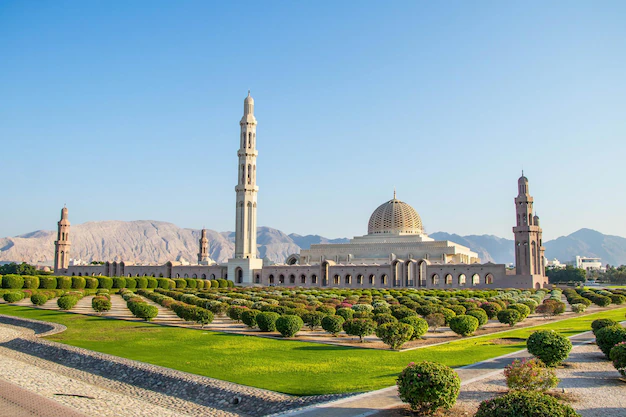
Oman offers a more high-end, luxury experience. While it has plenty of adventure—such as dune bashing, wadi trekking, and world-class scuba diving—it is also home to some of the finest luxury resorts in the Middle East. Muscat is a clean, orderly city with stunning landmarks like the Sultan Qaboos Grand Mosque, offering a blend of modern comfort and ancient charm.
Cost of Living and Infrastructure: A Comparative Analysis
When comparing the two for expats or long-term travelers, the differences in infrastructure are striking. Oman has invested heavily in its road networks, healthcare, and telecommunications, resulting in a high quality of life. The cost of living is higher than in Nepal, but salaries are also significantly higher and tax-free for many residents.
Nepal’s infrastructure is still developing. Road travel can be challenging due to the mountainous terrain, and power supply, while improved, can be inconsistent in remote areas. However, the cost of housing, food, and local services in Nepal is a fraction of what one would pay in Oman. For an expat, Oman offers stability and modern amenities, while Nepal offers a raw, authentic, and culturally immersive experience at a lower cost.
Frequently Asked Questions Regarding Nepal and Oman Relations
1. Do Nepali citizens need a visa to visit Oman?
Yes, Nepali citizens generally require a visa to enter Oman. However, Oman has introduced various e-visa categories for tourists and residents of GCC countries, which has simplified the process for many.
2. Which country is better for trekking?
Nepal is globally recognized as the premier trekking destination due to the scale of the Himalayas. Oman offers unique "wadi" trekking and mountain hiking in the Jebel Akhdar range, but it cannot match the high-altitude challenges of Nepal.
3. How do the cricket rankings of Nepal and Oman compare?
Both teams frequently swap positions in the ICC ODI and T20I rankings. They are both considered top-tier Associate nations, often ranked within the top 15 to 20 in the world.
4. Is Oman safe for Nepali workers?
Oman is widely regarded as one of the safest and most welcoming countries in the Middle East for foreign workers. It has a reputation for religious tolerance and a low crime rate.
Conclusion: A Shared Future of Growth and Competition
The relationship between Nepal and Oman is a testament to how two very different nations can find common ground. Whether it is through the sweat of Nepali workers helping to build Omani cities or the intense rivalry on the cricket pitch that keeps fans in both nations on the edge of their seats, the bond is undeniable. As Nepal continues to develop its tourism and sporting prowess, and Oman moves toward an era of economic diversification, their paths will likely cross even more frequently, fostering a future of mutual growth and healthy competition.




Comments 0
Leave a Reply
Your email address will not be published. Required fields are marked *
Be the first to share your thoughts!