
💡 NMC MBBS Seat Matrix: Strategic Analysis of Medical Education
A comprehensive strategic analysis of the NMC MBBS seat matrix, detailing state-wise distribution, government versus private capacity, and regulatory trends.
Executive Summary
The National Medical Commission (NMC) has significantly overhauled the medical education landscape in India. As of the 2024-2025 academic session, the total number of MBBS seats has surpassed the 108,000 mark, distributed across more than 700 medical colleges. Key findings indicate a strategic shift toward increasing government-funded seats to improve the doctor-to-patient ratio, which currently stands near the WHO-recommended 1:1000. Data highlights show that southern states like Karnataka and Tamil Nadu continue to lead in seat volume, while northern and eastern states are seeing the highest percentage growth in new college approvals. This analysis provides a data-driven look at the current seat matrix, regulatory changes, and the strategic implications for medical aspirants.
Introduction
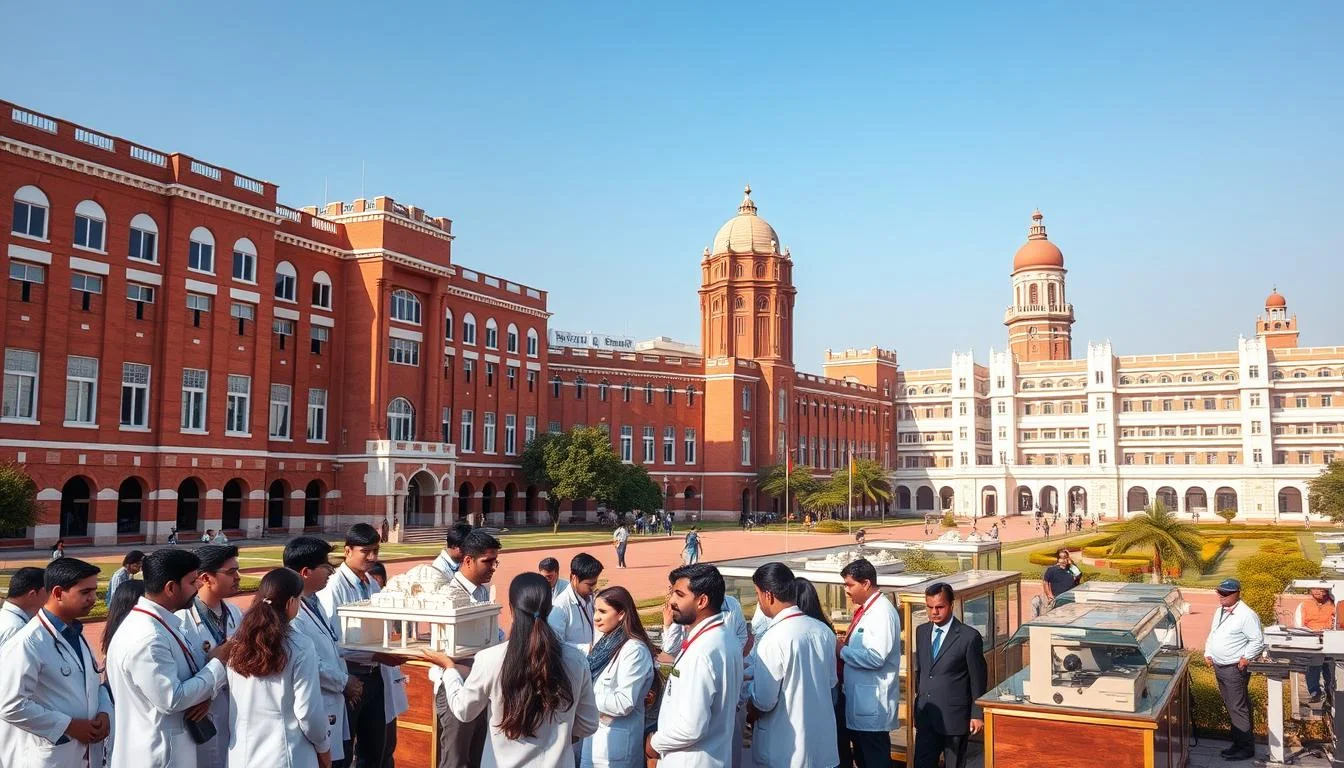
The medical education system in India is governed by the National Medical Commission, which replaced the Medical Council of India (MCI) to ensure greater transparency and quality. The NMC MBBS seat matrix is not merely a list of numbers; it is a strategic blueprint that reflects the healthcare priorities of the nation. With the implementation of the NMC Act 2019, the focus has shifted toward standardizing medical education and expanding infrastructure. Understanding the seat matrix is critical for stakeholders, including students, parents, and policymakers, as it dictates the competitive landscape of the National Eligibility cum Entrance Test (NEET). This report examines the distribution of seats through a lens of infrastructure development and data integrity, similar to the frameworks discussed in the UDISE: Strategic Analysis of India's Education Data Architecture.
THE DEEP DIVE: National Overview and Data Breakdown
The current capacity of medical education in India is a result of aggressive expansion policies. According to the latest NMC data, there are approximately 108,940 MBBS seats available. These are categorized into Government Medical Colleges (GMCs), Private Medical Colleges, and Deemed Universities. Government seats account for nearly 52 percent of the total capacity, a figure that has grown by over 80 percent since 2014.
The Medical Assessment and Rating Board (MARB) plays a pivotal role in this expansion. In the last year alone, the MARB approved over 50 new medical colleges. This expansion is strategically distributed to address regional imbalances. For instance, states like Uttar Pradesh and Rajasthan have seen a surge in new GMCs under the centrally sponsored scheme for the establishment of new medical colleges attached with existing district or referral hospitals.
State-Wise Distribution and Regional Disparity
The distribution of MBBS seats remains skewed toward the southern and western regions of India. Karnataka, Tamil Nadu, and Maharashtra collectively hold a significant portion of the total seat matrix. Karnataka remains the leader in private medical education, while Tamil Nadu boasts the highest number of government seats. In contrast, states like Bihar and Jharkhand have historically faced a deficit, though recent initiatives are narrowing this gap.
- Tamil Nadu: Approximately 11,000+ seats
- Karnataka: Approximately 11,500+ seats
- Maharashtra: Approximately 10,000+ seats
- Uttar Pradesh: Approximately 9,500+ seats
- Gujarat: Approximately 7,000+ seats
This regional concentration affects the All India Quota (AIQ) dynamics. Under the current system, 15 percent of seats in government colleges are reserved for the AIQ, while 85 percent are reserved for the State Quota. The strategic management of these seats is as complex as the logistics found in the CSAS Portal UG 2026, requiring precise coordination between state authorities and the Medical Counselling Committee (MCC).
Regulatory Framework and Fee Standardization
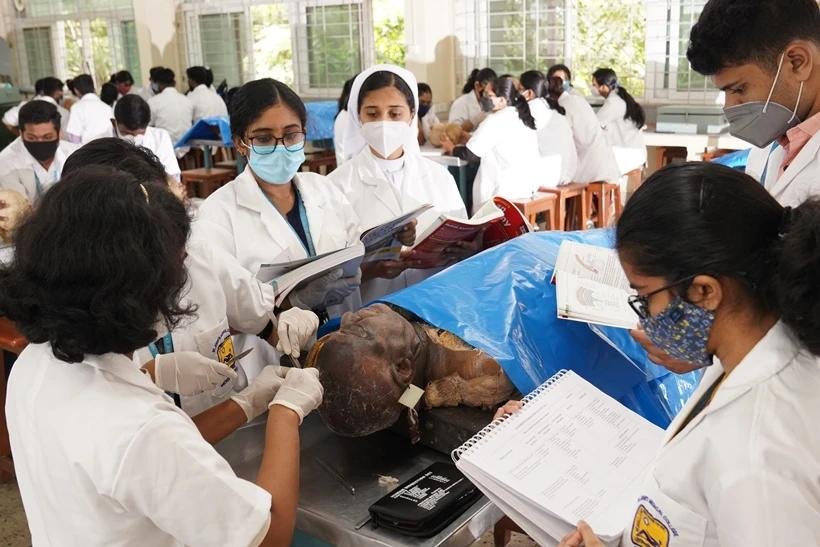
One of the most debated aspects of the NMC seat matrix is the fee structure for private medical colleges. The NMC issued a memorandum stating that the fees for 50 percent of seats in private medical colleges and deemed universities should be at par with the fees of government medical colleges in that respective state. While this move aims to make medical education more accessible, it has faced legal challenges from private institutions concerned about financial viability. This policy shift is a strategic attempt to democratize medical education, ensuring that merit, rather than financial power, dictates seat allocation.
Infrastructure and Quality Assurance
The NMC has introduced the Minimum Standard Requirements (MSR) 2023, which mandates specific faculty-to-student ratios, hospital bed occupancy rates, and digital infrastructure. Colleges that fail to meet these benchmarks face seat reductions or the withdrawal of recognition. The integration of Aadhaar-Enabled Biometric Attendance Systems (AEBAS) for faculty has been a critical step in curbing the practice of ghost faculty, thereby improving the actual quality of education provided per seat.
WHAT THIS MEANS FOR YOU
For a medical aspirant, the seat matrix is the primary tool for counseling strategy. Here is a breakdown of how to interpret this data:
- Analyze the Category-Wise Breakup: Seats are further divided into General, OBC, SC, ST, and EWS categories. Understanding the specific matrix for your category in your home state is vital.
- Monitor New Approvals: The NMC often grants permissions to new colleges just weeks before counseling begins. Staying updated can reveal less competitive options.
- Evaluate the Bond Conditions: Many state government seats come with mandatory rural service bonds. This is a strategic factor in long-term career planning.
- Compare AIQ vs State Quota: If you reside in a high-competition state like Delhi or Rajasthan, your strategy might lean more toward the All India Quota for seats in emerging medical hubs.
Expert Verdict / Future Outlook
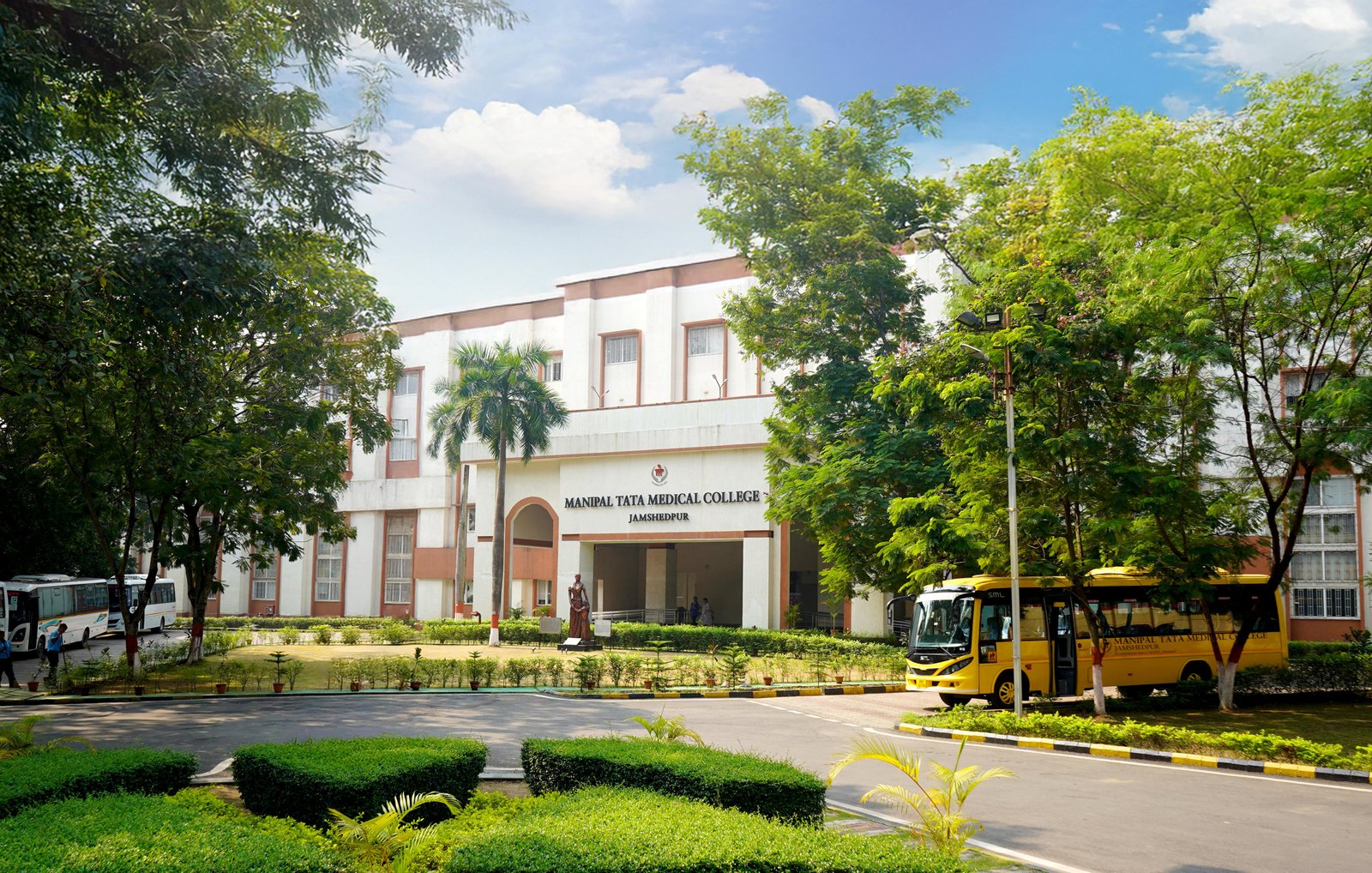
The trajectory of the NMC MBBS seat matrix suggests a target of 125,000 seats by 2026. The government intention is to ensure at least one medical college in every district. However, the expert consensus is that quantity must not supersede quality. The future will likely see a heavier reliance on digital monitoring and standardized exit exams, such as the National Exit Test (NExT), which will further influence how seats are valued. We expect a stabilization of fees in the private sector as regulatory frameworks mature, making the Indian medical degree more competitive on a global scale.
FAQ
How often is the NMC MBBS seat matrix updated?
The seat matrix is updated annually before the start of the NEET UG counseling process. However, the NMC may issue supplementary lists as new colleges receive Letters of Permission (LoP).
What is the difference between AIQ and State Quota seats?
AIQ (All India Quota) comprises 15 percent of seats in all government medical colleges across India, open to students from any state. State Quota comprises the remaining 85 percent, reserved for students who meet the domicile criteria of that specific state.
Are seats in Deemed Universities part of the NMC matrix?
Yes, Deemed Universities are included in the national matrix, but their counseling is conducted centrally by the MCC, and they typically have a different fee structure compared to state private colleges.
How does the EWS reservation affect the seat matrix?
The 10 percent Economically Weaker Section (EWS) reservation led to a proportional increase in total seats across government colleges to ensure that the number of seats available for the unreserved category did not decrease.
Where can I find the official seat matrix for the current year?
The official seat matrix is published on the NMC website (nmc.org.in) and the Medical Counselling Committee website (mcc.nic.in) during the counseling phase.
Conclusion
The NMC MBBS seat matrix is a dynamic reflection of India's commitment to expanding its healthcare workforce. With over 108,000 seats now available, the focus is shifting from pure capacity building to regional equity and quality assurance. For aspirants, success depends on a strategic understanding of these numbers, category distributions, and the evolving regulatory landscape. As the system moves toward greater standardization, the value of an MBBS seat will increasingly be defined by the clinical exposure and academic rigor mandated by the NMC's stringent oversight. The strategic takeaway is clear: the opportunities are growing, but navigating the matrix requires precise data and informed decision-making.




Comments 0
Leave a Reply
Your email address will not be published. Required fields are marked *
Be the first to share your thoughts!