
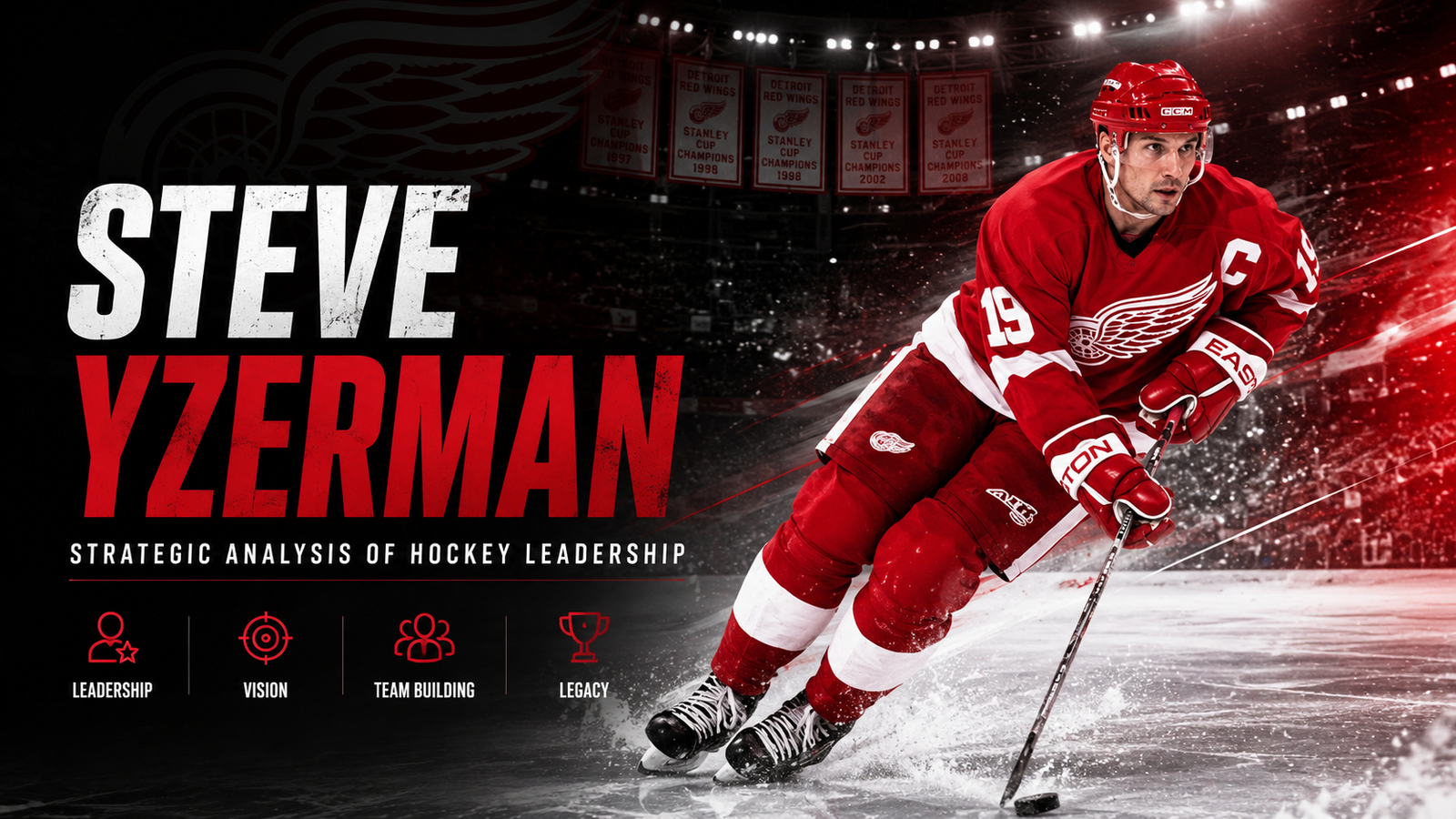
💡 Steve Yzerman: Strategic Analysis of Hockey Leadership
A comprehensive strategic analysis of Steve Yzerman's career as an NHL icon and elite executive, focusing on the Yzer-plan and management methodology.
Executive Summary
Steve Yzerman represents the gold standard of professional sports leadership, transitioning from a Hall of Fame playing career to becoming one of the most respected executives in the National Hockey League (NHL). Key findings of this analysis include his data-driven approach to drafting, his calculated patience in roster construction, and his ability to manage complex salary cap environments. Statistics show that during his tenure as General Manager of the Tampa Bay Lightning, the team’s point percentage increased significantly, laying the foundation for back-to-back Stanley Cup championships. Currently, his leadership in Detroit focuses on a long-term rebuild known as the Yzer-plan, which emphasizes defensive stability and high-IQ prospect acquisition. This report evaluates his strategic impact on the sport and the metrics that define his success.
Introduction
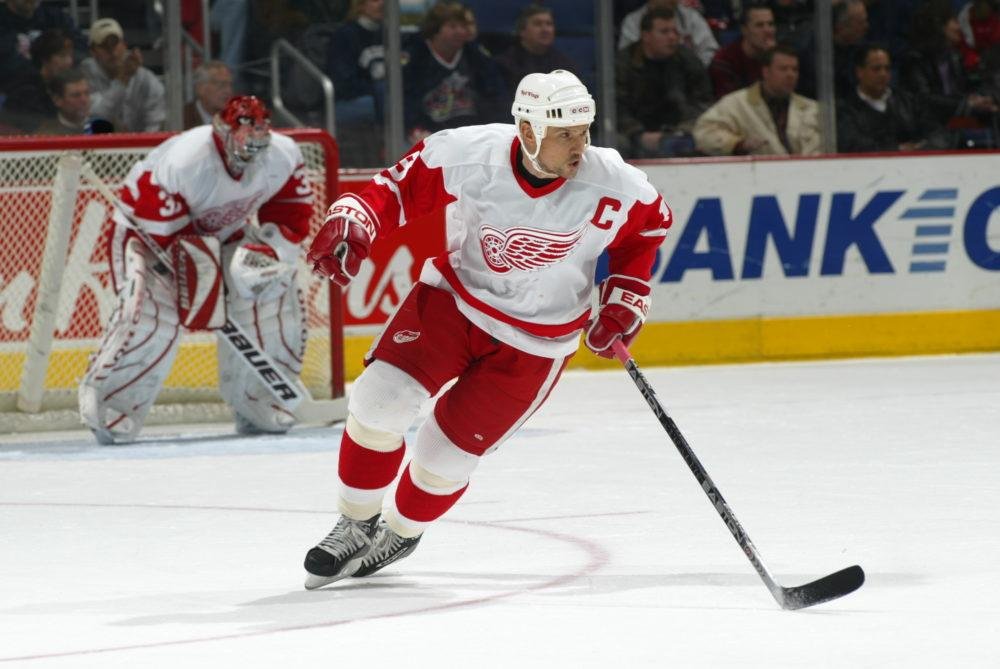
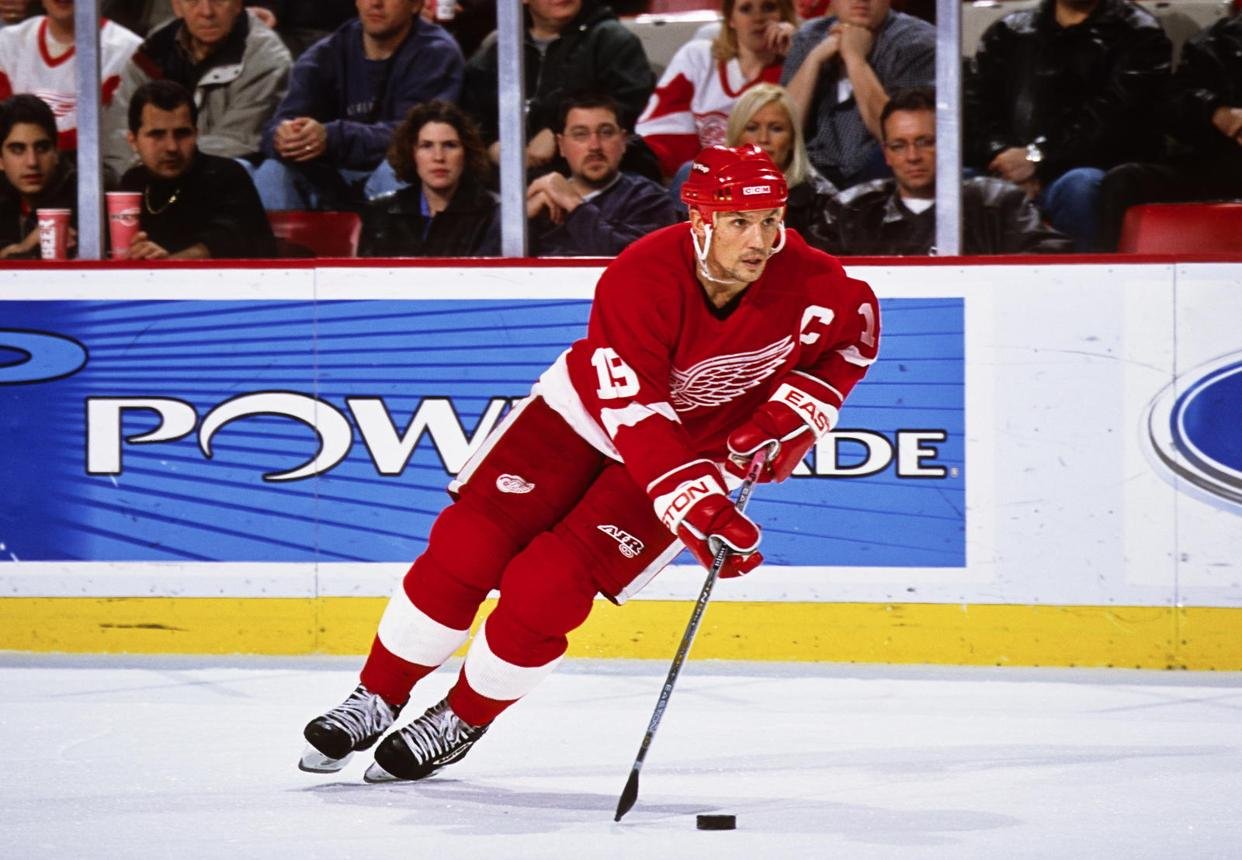
In the world of professional hockey, few names command as much respect as Steve Yzerman. Known as The Captain during his 22-season playing career with the Detroit Red Wings, Yzerman transformed from a high-scoring individual talent into a defensive-minded leader who captained three championship teams. However, his second act as a front-office executive has proven to be equally influential. By applying the same discipline he used on the ice to the boardroom, Yzerman has redefined how NHL franchises are built in the modern era. Much like the precision required in other elite fields, such as the strategic analysis of pitching excellence, Yzerman’s management style relies on identifying specific value markers that others often overlook.
THE DEEP DIVE: The Anatomy of the Yzer-plan
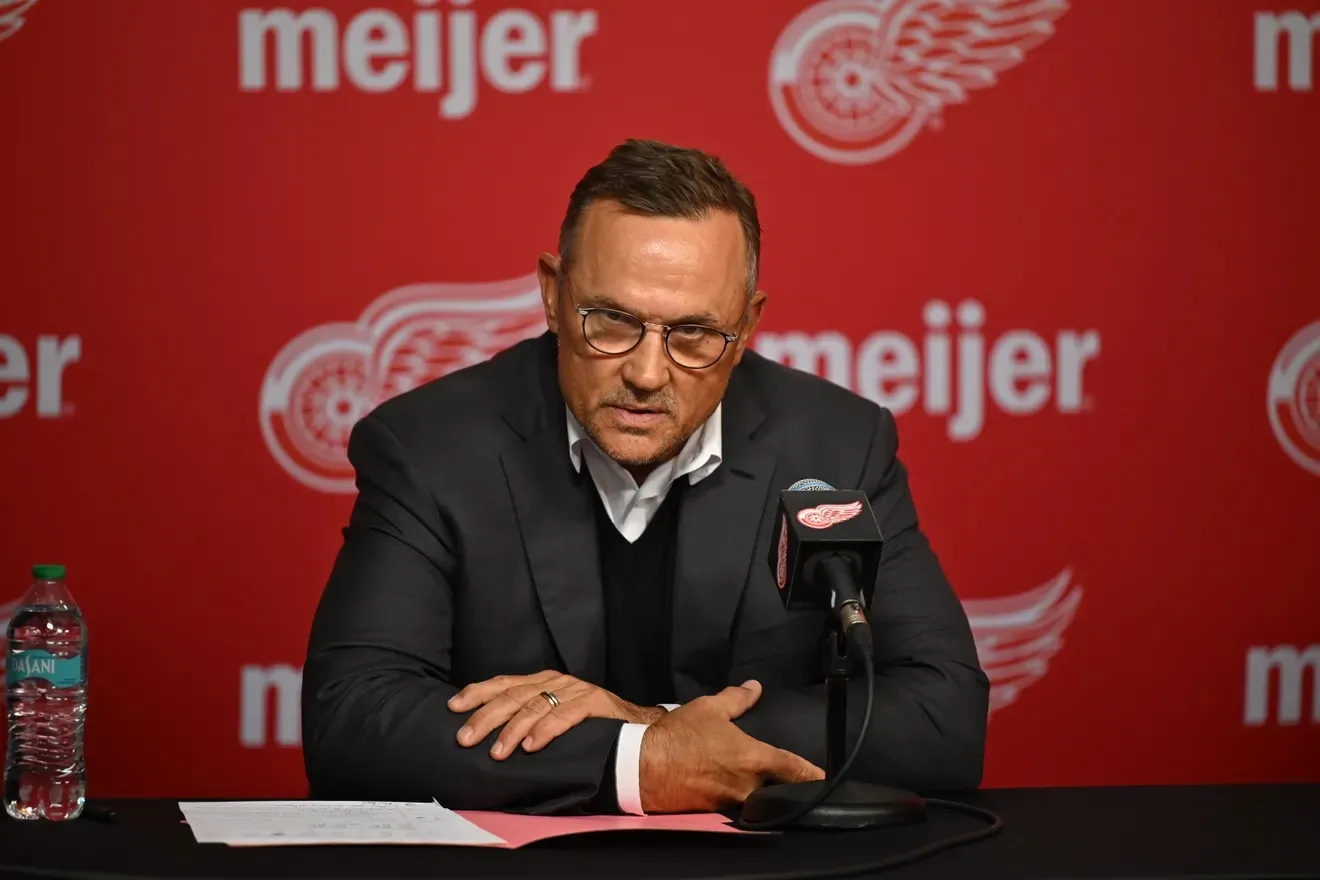
The strategic framework employed by Steve Yzerman is characterized by three distinct pillars: elite scouting, financial discipline, and unwavering patience. To understand his current trajectory in Detroit, one must first examine the blueprints he established in Tampa Bay and his early years as an executive.
1. The Tampa Bay Blueprint and Roster Architecture
During his tenure as General Manager of the Tampa Bay Lightning from 2010 to 2018, Yzerman demonstrated a masterclass in roster architecture. His ability to find elite talent outside of the first round is statistically significant. For example, he drafted Nikita Kucherov in the second round (58th overall) and Brayden Point in the third round (79th overall). These players became the cornerstone of a team that achieved a historic 62-win season in 2018-2019. This level of scouting efficiency is rare in professional sports, where the success rate for third-round picks reaching 200 NHL games is typically below 15 percent.
2. Financial Management and the Salary Cap
Yzerman is known for his strict adherence to an internal salary structure. He rarely overpays for mid-tier talent, preferring to bridge-gap younger players to maintain long-term flexibility. This is a strategy similar to the operational efficiencies seen in global industries, such as the strategic analysis of streaming dominance, where resource allocation determines long-term market position. By keeping his core players on team-friendly deals, he ensured the Lightning could afford elite goaltending and defensive depth, a philosophy he has carried over to the Detroit Red Wings.
3. The Detroit Reconstruction: A Lesson in Patience
Since returning to Detroit as General Manager in 2019, Yzerman has faced a different challenge: rebuilding a storied franchise from the ground up. The Yzer-plan in Detroit has focused on high-ceiling prospects like Moritz Seider and Lucas Raymond. Seider, a surprise 6th overall pick in 2019, won the Calder Trophy as rookie of the year, validating Yzerman’s scouting intuition. As of the 2024-25 season, the Red Wings have one of the deepest prospect pools in the league, though Yzerman remains cautious about rushing the timeline. He has consistently stated that there are no shortcuts to building a sustainable contender, a sentiment often echoed in the development of generational athletes like the strategic analysis of an NBA icon.
4. Statistical Impact and Leadership Metrics
Yzerman’s career as a player included 1,755 points in 1,514 games, but his executive stats are equally impressive. Under his guidance, his teams have consistently stayed in the top decile for puck possession metrics and expected goals for (xGF). His management style emphasizes a 200-foot game, requiring forwards to be as responsible defensively as they are offensively. This holistic approach ensures that the team is not reliant on a single superstar but rather a cohesive system.
WHAT THIS MEANS FOR YOU
For fans and analysts, Steve Yzerman’s career offers several actionable insights into leadership and organizational growth:
- Patience as a Competitive Advantage: In an era of instant gratification, Yzerman’s refusal to sacrifice the future for short-term gains is a blueprint for long-term success.
- Value Identification: Success is often found in the margins, such as late-round draft picks or undervalued free agents.
- Structural Integrity: An organization is only as strong as its foundation. Yzerman prioritizes building from the goal out, starting with elite defense and goaltending.
- Emotional Intelligence: Despite his stoic public persona, Yzerman’s ability to manage locker room chemistry and veteran presence is a key component of his championship pedigree.
Expert Verdict / Future Outlook
The consensus among NHL analysts is that Steve Yzerman remains one of the most calculated minds in hockey. While the Detroit Red Wings have not yet returned to their former glory, the internal metrics suggest a steady upward trajectory. The next three seasons will be the definitive test of the Yzer-plan. If the current core of young talent matures into elite NHL players, Yzerman will solidify his legacy as the greatest transition from player to executive in sports history. Experts predict that Detroit will become a perennial playoff contender by 2026, provided they can secure a long-term solution in goal and maintain their salary cap health.
FAQ: Authoritative Insights
How many Stanley Cups has Steve Yzerman won?
Steve Yzerman has won three Stanley Cups as a player (1997, 1998, 2002) and was the architect of the Tampa Bay Lightning roster that won in 2020 and 2021, though he had departed for Detroit shortly before the first of those titles.
What is the Yzer-plan?
The Yzer-plan is a colloquial term for Yzerman’s strategic rebuilding process in Detroit. It involves heavy investment in scouting, accumulating draft capital, and refusing to sign long-term, high-priced contracts that could hinder future flexibility.
Why did Steve Yzerman leave Tampa Bay?
Yzerman stepped down as GM of the Lightning in 2018 to move into an advisor role before ultimately returning to his home franchise, the Detroit Red Wings, to be closer to his family and lead the team he captained for two decades.
What was Steve Yzerman’s most famous goal?
His double-overtime winner against the St. Louis Blues in Game 7 of the 1996 Western Conference Semifinals is widely considered one of the most iconic goals in NHL history.
Is Steve Yzerman in the Hockey Hall of Fame?
Yes, Steve Yzerman was inducted into the Hockey Hall of Fame in 2009, his first year of eligibility, recognizing his extraordinary contributions as a player and leader.
Conclusion
Steve Yzerman’s impact on the sport of hockey transcends his statistical achievements on the ice. His strategic approach to team building, characterized by data-driven scouting and fiscal responsibility, has set a new benchmark for NHL executives. Whether in the midst of a rebuild or at the helm of a championship contender, Yzerman’s methodology remains consistent: prioritize the system over the individual and value patience over temporary fixes. As the Detroit Red Wings continue their evolution, the hockey world watches a master strategist at work, proving that the principles of elite leadership are universal across all eras of the game.



Comments 0
Leave a Reply
Your email address will not be published. Required fields are marked *
Be the first to share your thoughts!