
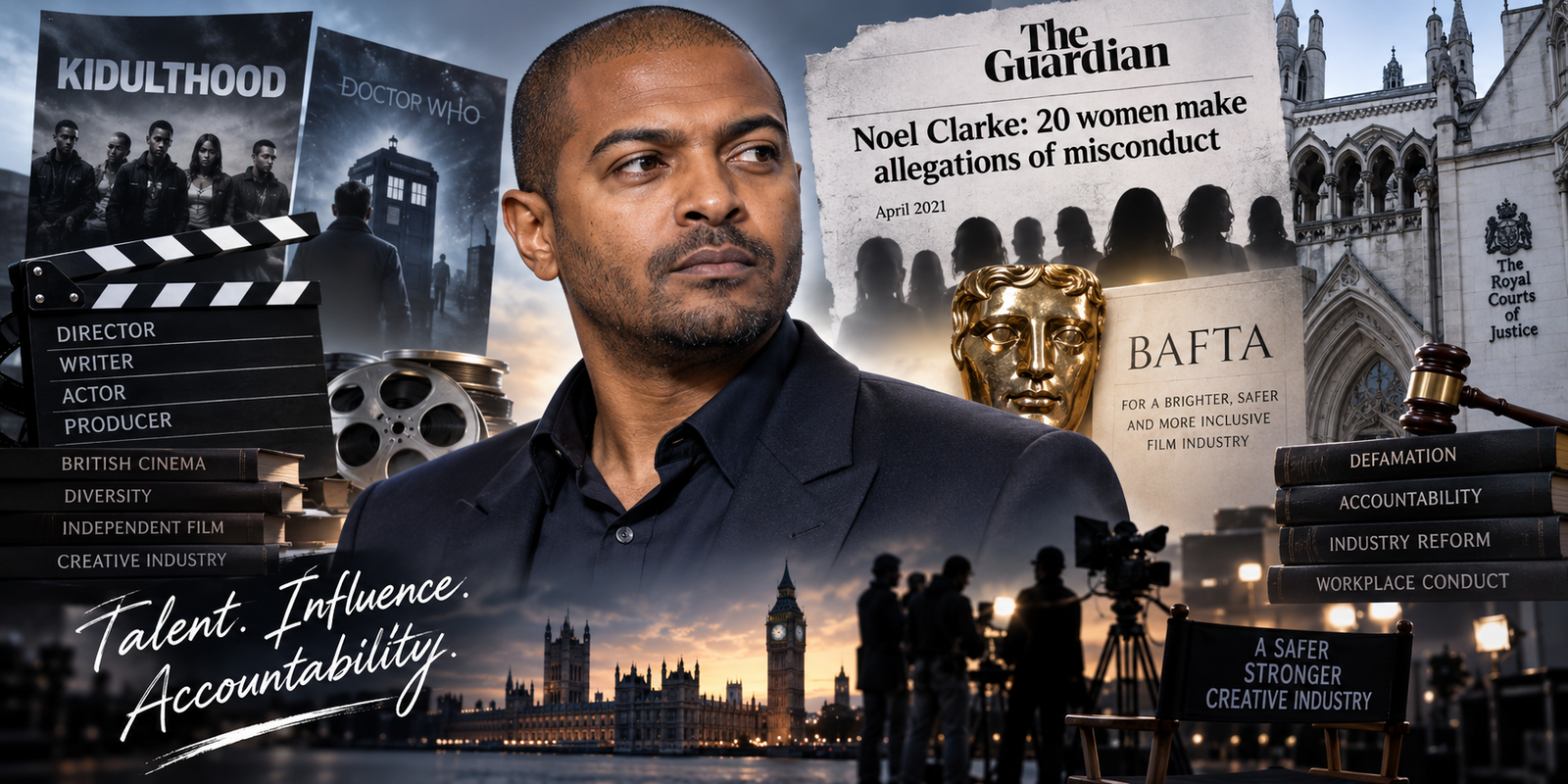
💡 Noel Clarke: Strategic Analysis of Industry Authority
A comprehensive analysis of Noel Clarke's career trajectory, the 2021 industry shift, and the resulting legal and institutional reforms in UK cinema.
Executive Summary
The case of Noel Clarke represents a pivotal moment in the governance and ethical framework of the British film and television industry. Once a symbol of independent success and diversity, Clarke's career underwent a radical transformation following a 2021 investigation by The Guardian, which detailed allegations of misconduct from 20 women. This strategic analysis examines Clarke's production influence, the institutional response from bodies such as BAFTA, and the subsequent legal battles surrounding allegations, accountability, and media reporting. It also considers the significant changes in how production companies approach workplace conduct and executive accountability.
Introduction: The Duality of Creative Authority
Noel Clarke was long considered a pioneer of the British urban film genre, achieving significant commercial and critical milestones. From the success of the Kidulthood trilogy to his prominent role in Doctor Who, Clarke built a reputation as a prolific creator who achieved success outside traditional industry pathways. However, the authority he wielded became the subject of intense scrutiny in April 2021. The intersection of his creative output and professional conduct provides a case study in institutional risk management. This analysis explores the trajectory of his career, the allegations surrounding his conduct, and the legal proceedings that have followed in the UK.
THE DEEP DIVE: Institutional Impact and Legal Frameworks
To understand the Noel Clarke situation, one must analyze the three distinct pillars of his influence: creative production, institutional recognition, and legal standing. Clarke's production company, Unstoppable Film and Television, established significant relationships within the UK entertainment industry, including partnerships involving Sky and All3Media. At the height of his career, Clarke was an influential figure in British film and television, making his subsequent professional and institutional fallout significant for the wider industry.
The BAFTA Controversy and Institutional Response
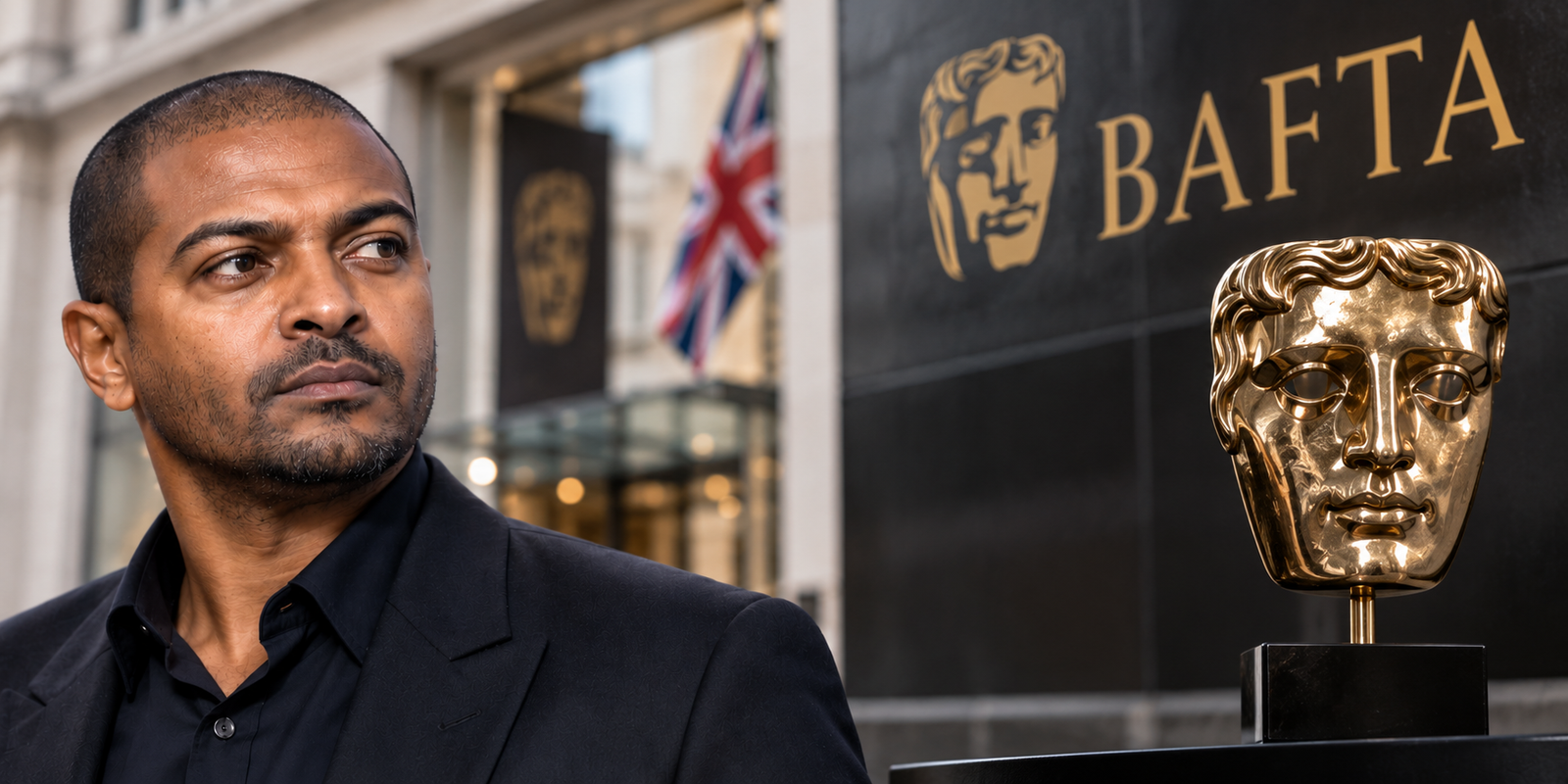
In 2021, BAFTA announced Clarke as the recipient of the Outstanding British Contribution to Cinema award. Following the publication of The Guardian's investigation, BAFTA suspended Clarke's membership and the award. The episode prompted significant scrutiny of BAFTA's processes for handling allegations and assessing individuals receiving its highest honours. BAFTA subsequently reviewed its procedures and introduced changes intended to strengthen its approach to safeguarding, complaints and honorary awards. This development illustrates the growing importance of institutional accountability and workplace standards within the UK film and television industry.
Legal Proceedings and Libel Challenges
Clarke's legal dispute with Guardian News and Media became a major part of the controversy surrounding the allegations published by The Guardian. In 2023, a High Court judge ruled that the articles were capable of carrying defamatory meanings, allowing the case to proceed to trial. The libel case was subsequently heard by the High Court, and in August 2025 the court ruled in favour of The Guardian. The proceedings became an important case study in the balance between investigative journalism, freedom of expression and an individual's right to protect their reputation.
Economic Fallout and Production Stagnation
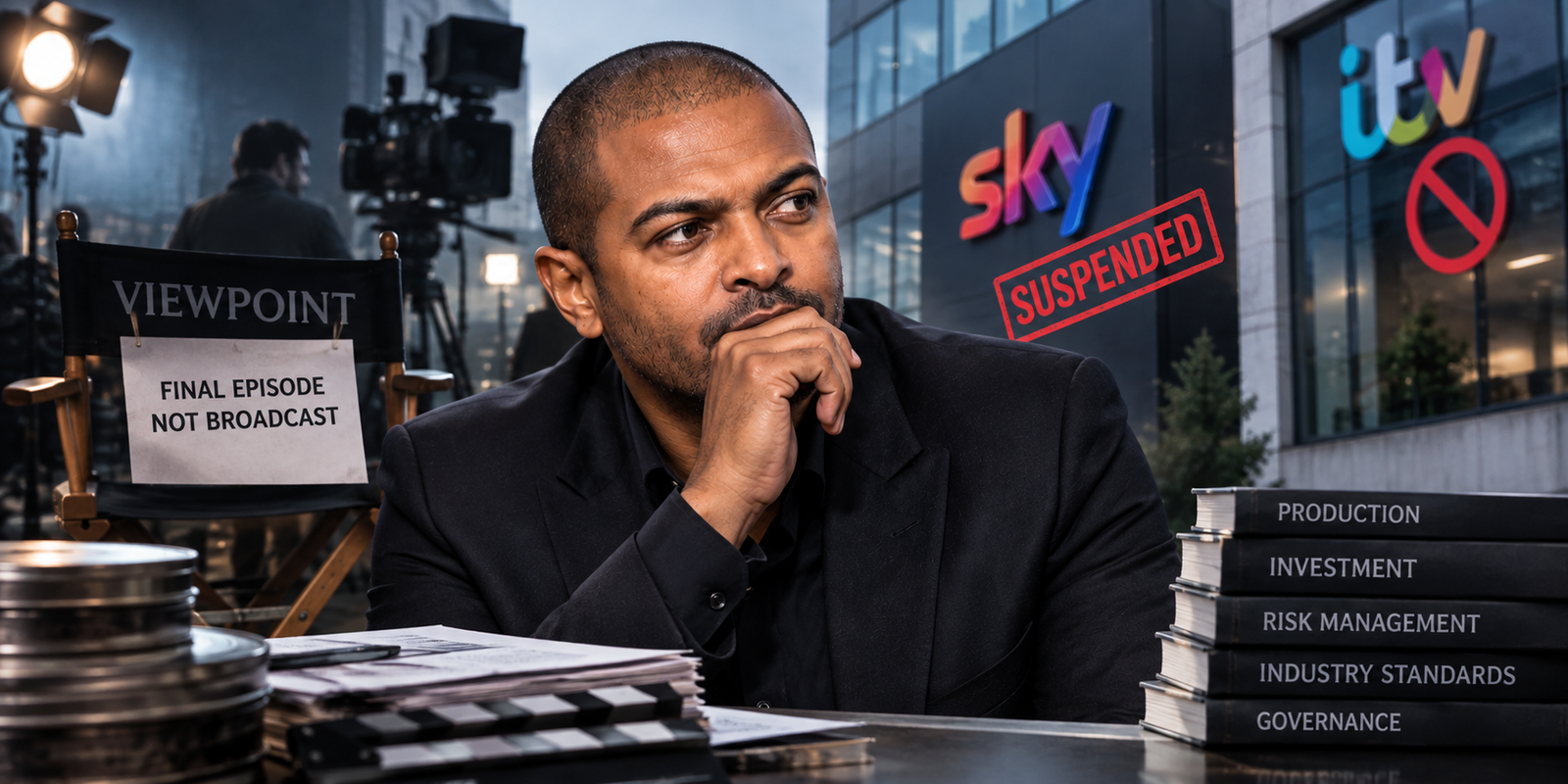
The immediate aftermath of the allegations had significant professional consequences for Clarke. The final episode of the ITV drama Viewpoint was not broadcast, while Sky suspended its relationship with Clarke and his production activities faced substantial disruption. The fallout demonstrated the potential business risks associated with reputational damage and the concentration of creative and commercial influence around a prominent individual. It also highlighted the importance of governance, workplace standards and risk management within production companies and the wider entertainment industry.
WHAT THIS MEANS FOR YOU
- For Industry Professionals: There is now a zero-tolerance mandate regarding workplace conduct. The BFI's Set of Principles and Guidance is no longer optional but a baseline for insurance and funding.
- For Media Consumers: The separation of art from the artist remains a complex debate, but institutional backing for controversial figures is now subject to much higher transparency standards.
- For Legal Observers: The ongoing libel case will set a precedent for how 'trial by media' is balanced against the public interest and the right to a fair reputation.
- For Corporate Leaders: The importance of 'morality clauses' in contracts has never been higher, protecting companies from the financial fallout of individual scandals.
Expert Verdict / Future Outlook
The future of Noel Clarke in the entertainment industry remains uncertain. While he has not faced criminal charges, the institutional 'blacklisting' has been near-total. Expert consensus suggests that the UK film industry is moving toward a more regulated environment where independent oversight bodies, such as the proposed Creative Industries Independent Standards Authority (CIISA), will manage complaints. In the next 24 to 36 months, the resolution of the libel case against The Guardian will be the definitive factor in whether Clarke can attempt a professional comeback or if his career remains permanently curtailed by the findings of investigative journalism.
FAQ: Authoritative Insights
Has Noel Clarke been charged with any crimes?
As of mid-2024, Noel Clarke has not been charged with any criminal offenses. The police investigation initiated in 2021 was closed due to the evidence not meeting the threshold for a criminal prosecution, though civil litigation continues.
What was the outcome of the BAFTA investigation?
BAFTA suspended Clarke's membership and the Outstanding British Contribution to Cinema award indefinitely. They have since introduced more stringent criteria for honorary awards and better channels for whistleblowers.
Is Unstoppable Film and Television still operating?
The company faced significant hurdles after major broadcasters cut ties. While the entity exists, its production slate has been largely dormant compared to its pre-2021 output.
What is the status of the libel case against The Guardian?
The case is ongoing. A key preliminary ruling in 2023 determined that the articles were capable of being defamatory, which is a necessary step for the case to move to a full trial.
How has the industry changed since the allegations?
There has been a widespread adoption of 'Intimacy Coordinators' and 'Bullying and Harassment Officers' on sets, with the BFI making these roles a condition for receiving National Lottery funding.
Conclusion
The strategic analysis of Noel Clarke’s career trajectory reveals a profound shift in the power dynamics of the UK entertainment industry. The transition from a celebrated creative authority to a central figure in a legal and ethical firestorm highlights the critical importance of institutional accountability. As the legal system continues to process the libel claims, the broader industry has already moved toward a more transparent and protected environment for its workforce, ensuring that creative growth is balanced with professional integrity.




Comments 0
Leave a Reply
Your email address will not be published. Required fields are marked *
Be the first to share your thoughts!