
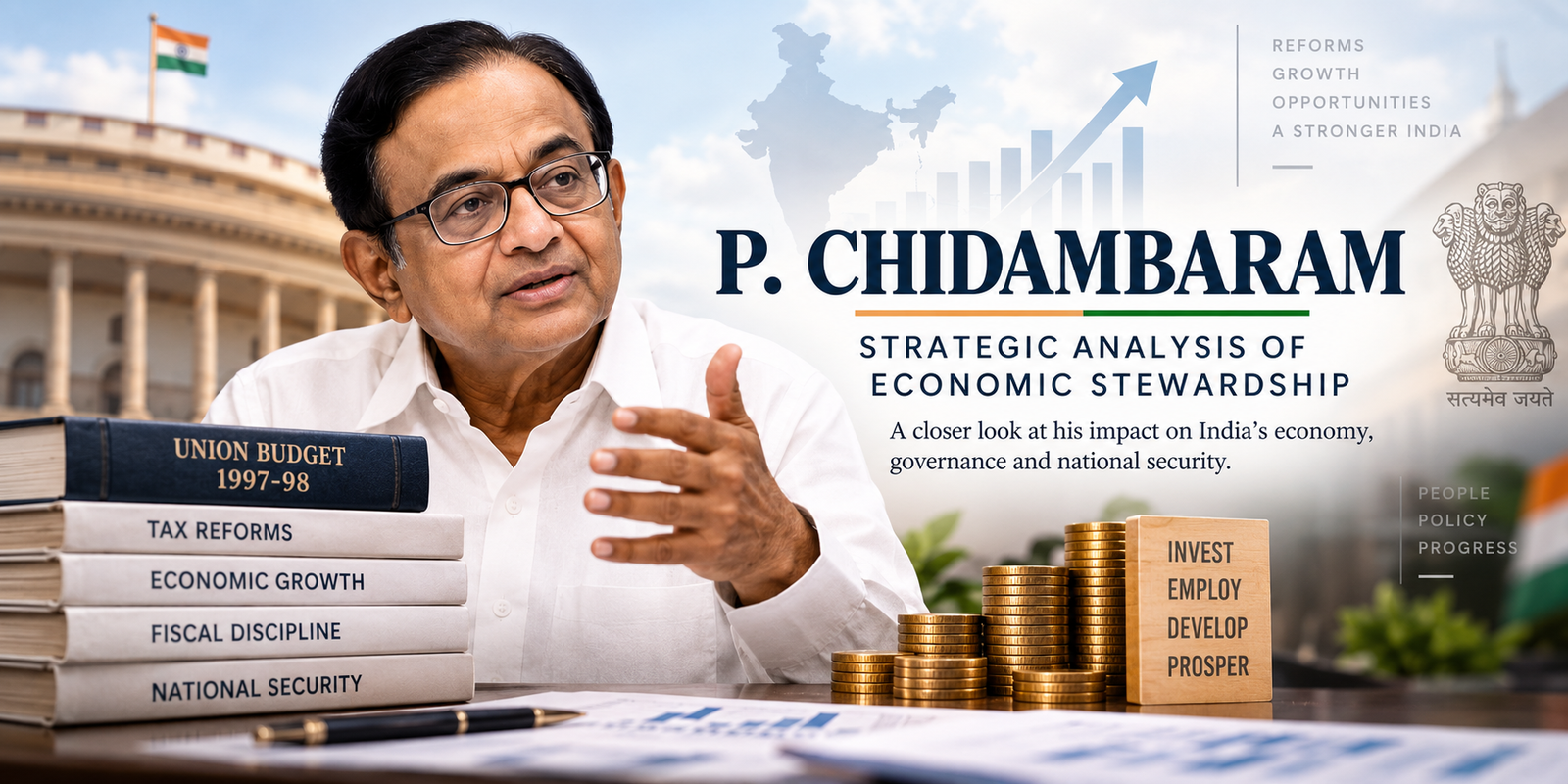
💡 P. Chidambaram: Strategic Analysis of Economic Stewardship
An in-depth analysis of P. Chidambaram's legacy in Indian finance and internal security, examining his impact on economic liberalization and national policy.
Executive Summary
P. Chidambaram: Strategic Analysis of Economic Stewardship
P. Chidambaram is one of the prominent figures in India's post-liberalization economic and political history. A lawyer educated at Harvard University and a veteran politician, he has served multiple terms as Union Finance Minister and also as Union Home Minister. His ministerial career included major tax reforms, fiscal-policy initiatives and significant changes to India's internal-security framework.
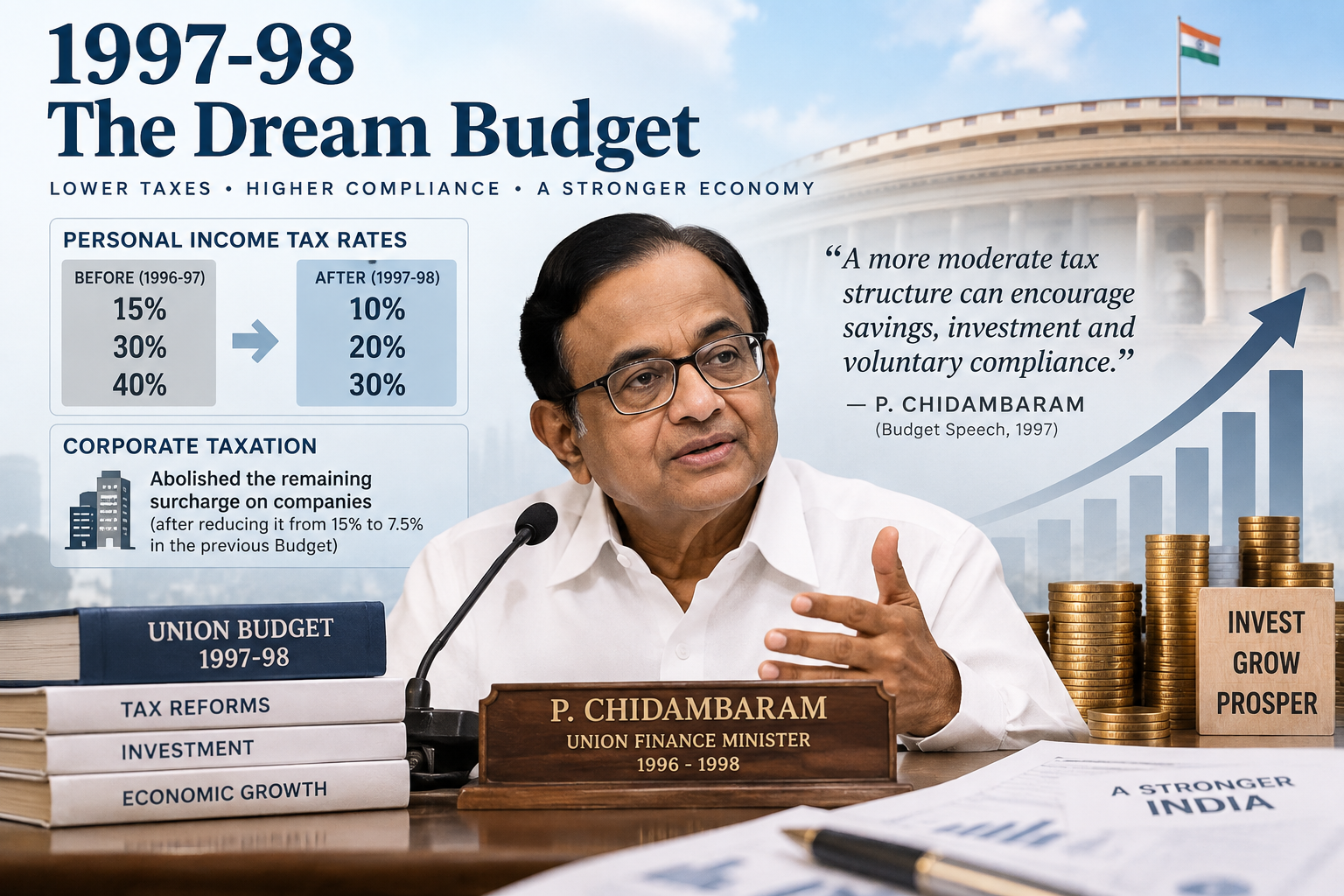
One of the most notable episodes of his economic career was the 1997-98 Union Budget, popularly known as the "Dream Budget." The Budget substantially reduced personal income-tax rates, replacing the earlier 15%, 30% and 40% slabs with 10%, 20% and 30%. It also abolished the remaining corporate surcharge and introduced other measures intended to encourage investment and improve voluntary tax compliance.
During the first three years of the UPA government, India's GDP growth rates were reported at 7.5%, 9.4% and 9.6%, producing an average of approximately 8.8% according to the 2008 Union Budget. The period was therefore one of the stronger growth phases of India's post-liberalization economy, although economic growth cannot be attributed to the policies of one Finance Minister alone.
Following the 2008 Mumbai terrorist attacks, Chidambaram became Union Home Minister and oversaw a significant strengthening of India's counter-terrorism and intelligence architecture. The period saw the creation of the National Investigation Agency (NIA) under the NIA Act, 2008, efforts to strengthen the Multi-Agency Centre (MAC), and the development of the National Intelligence Grid (NATGRID).
Introduction
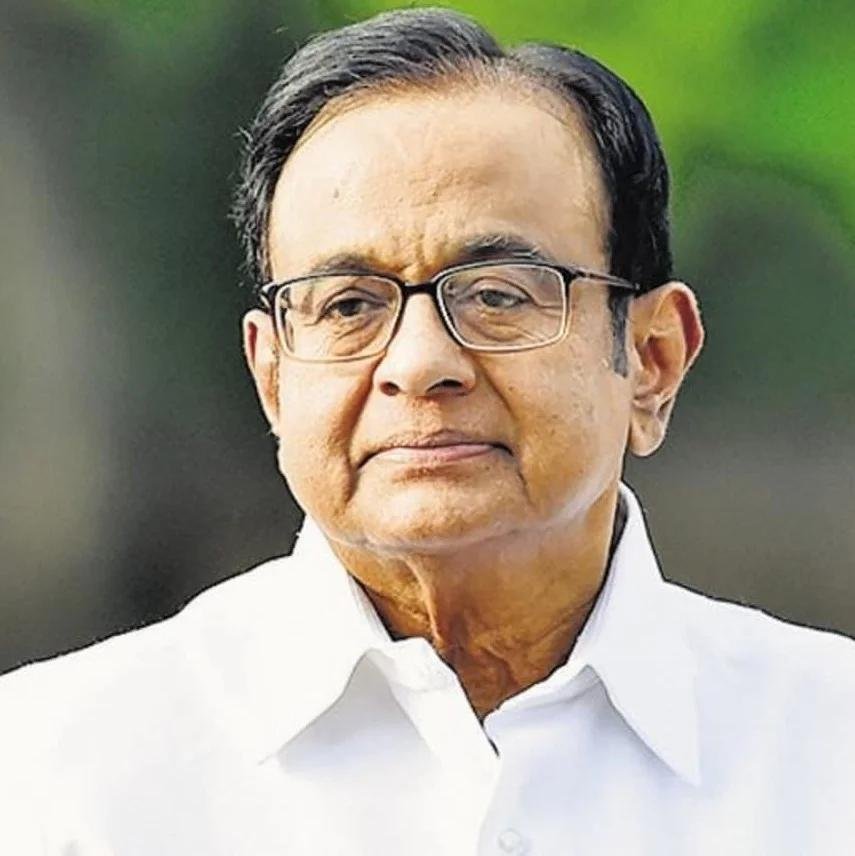
To understand India's economic and institutional development after liberalization, P. Chidambaram's career provides an important case study. His political career has spanned several decades, during which he worked as a lawyer, parliamentarian and Union minister.
He served as Union Finance Minister during important periods of economic expansion and global uncertainty and later became Union Home Minister following the 26/11 Mumbai terrorist attacks.
His record covers several major areas of public policy, including taxation, fiscal management, financial-sector development, economic growth, counter-terrorism and intelligence coordination.
This analysis examines his major policy contributions, the economic environment during his tenure and the institutional changes associated with his time in government.
THE DEEP DIVE: Economic Reforms and Fiscal Strategy
The 1997-98 "Dream Budget"
Chidambaram's 1997-98 Union Budget is widely remembered as the "Dream Budget." One of its most significant measures was a substantial restructuring of personal income-tax rates.
The previous personal income-tax rates of 15%, 30% and 40% were replaced with rates of 10%, 20% and 30%. The Budget argued that more moderate tax rates could encourage savings, economic activity and voluntary compliance.
The Budget also addressed corporate taxation. Rather than simply reducing the basic corporate-tax rate, Chidambaram proposed abolishing the remaining surcharge on companies, following an earlier reduction in the surcharge from 15% to 7.5% in the previous Budget.
The reforms were designed around a broader objective: reducing excessive tax burdens, encouraging compliance and creating an environment more supportive of investment and economic activity.
However, it would be too strong to claim that subsequent increases in tax revenue proved the Laffer Curve theory in India. Tax collections are influenced by many factors, including economic growth, inflation, tax administration, compliance, formalization and changes in the tax base. Therefore, the 1997 reforms are better understood as an important experiment in tax-rate rationalization rather than definitive proof of a single economic theory.
Fiscal Responsibility and the UPA Growth Period
During the UPA government, Chidambaram emphasized fiscal management alongside economic growth and social spending.
The Fiscal Responsibility and Budget Management (FRBM) framework was an important part of India's attempt to improve fiscal discipline and reduce persistent fiscal deficits.
India also experienced strong economic growth during the middle of the 2000s. In his 2008 Budget speech, Chidambaram reported GDP growth of 7.5%, 9.4% and 9.6% during the first three years of the UPA government, giving an average growth rate of approximately 8.8%. He also noted that the economy had recorded growth of more than 8% for 12 consecutive quarters up to December 2007.
These figures demonstrate the strength of India's economic performance during that period. Nevertheless, the growth should not be attributed exclusively to Chidambaram. It reflected a combination of structural reforms, private investment, global economic conditions, domestic consumption, services growth and policies implemented by both the central and state governments.
India's Response to the 2008 Global Financial Crisis
The global financial crisis created significant risks for the Indian economy during 2008-09.
The Indian government responded with fiscal and policy measures designed to support domestic demand, infrastructure investment and economic activity. The government's 2009 Budget documents describe three focused fiscal stimulus packages, involving tax relief and increased expenditure on public projects, alongside monetary and liquidity measures by the Reserve Bank of India.
According to the government, India's GDP growth slowed to 6.7% in 2008-09, compared with an average of more than 9% during the preceding three fiscal years. The government attributed part of the stabilization to the fiscal stimulus and other measures taken during the crisis.
It is therefore reasonable to say that Chidambaram and the UPA government played an important role in India's fiscal response to the global crisis. However, the outcome was also influenced by the Reserve Bank of India's monetary measures, India's relatively large domestic market and broader global and domestic economic conditions.
Internal Security and the Post-26/11 Transformation
Following the 26/11 Mumbai terrorist attacks in 2008, Chidambaram moved from the Finance Ministry to the Home Ministry.
His tenure was associated with a substantial strengthening of India's counter-terrorism and intelligence-coordination systems.
One of the most important institutional developments was the establishment of the National Investigation Agency (NIA) under the National Investigation Agency Act, 2008. The agency was given responsibility for investigating and prosecuting specified offences with serious national-security implications.
Chidambaram's tenure also saw efforts to strengthen intelligence-sharing mechanisms. The Multi-Agency Centre (MAC) was strengthened and reorganized to facilitate more continuous intelligence coordination and sharing among security agencies. Importantly, MAC should not be described as an institution personally created by Chidambaram; government records indicate that the system pre-dated his tenure and was subsequently strengthened and reorganized.
The government also pursued the National Intelligence Grid (NATGRID) as a mechanism for improving access to and coordination of information relevant to national security. Subsequent government records document the development and implementation of NATGRID from the post-2008 period onward.
Together, these initiatives represented a broader shift toward greater intelligence coordination, centralized counter-terrorism investigation and improved information sharing.
Counter-Terrorism and Internal Security
Chidambaram's approach to internal security emphasized stronger counter-terrorism capabilities, intelligence coordination and institutional preparedness.
During his tenure, the government also focused on issues including terrorism, left-wing extremism and police modernization.
Rather than describing the period simply as a "zero-tolerance policy," it is more accurate to characterize the approach as a stronger intelligence-led and institution-based counter-terrorism strategy.
The objective was to move beyond purely reactive responses and improve coordination between intelligence agencies, investigative bodies, central security forces and state-level authorities.
Legislative Legacy and Legal Proficiency
Beyond his ministerial responsibilities, Chidambaram has played a significant role in parliamentary debates concerning taxation, fiscal policy, constitutional questions and economic legislation.
He was also an advocate of the Goods and Services Tax (GST) during the UPA period. The GST eventually implemented in 2017 differed in several respects from the proposals and structure discussed during the earlier period.
His legal background has contributed to his reputation for detailed parliamentary arguments and technical analysis of legislation and government policy.
Even when serving in opposition, his comments on Union Budgets, taxation and economic policy have remained part of India's broader economic-policy debate.
WHAT THIS MEANS FOR YOU
For citizens, businesses and investors, Chidambaram's career offers several broader lessons.
Policy Continuity
The tax reforms of the 1990s and fiscal reforms of the 2000s provide useful context for understanding the evolution of India's modern tax and economic-policy framework.
Fiscal Awareness
Government spending, taxation and fiscal deficits influence borrowing requirements, interest rates, inflation and the broader macroeconomic environment.
Economic Growth
The strong growth experienced during the mid-2000s demonstrates how investment, consumption, services, reforms and global economic conditions can combine to produce a high-growth environment.
Institutional Security
The post-26/11 reforms illustrate the importance of intelligence sharing, specialized investigation agencies and coordination between different security institutions.
Professional Expertise in Public Policy
Chidambaram's career also illustrates how expertise in law, economics and public administration can influence policy-making at the national level.
Expert Verdict / Future Outlook
P. Chidambaram's legacy is complex and politically contested, but several elements of his career remain important to the study of Indian public policy.
The 1997 Dream Budget represented a significant move toward lower personal income-tax rates and a more rationalized tax structure. His later tenure as Finance Minister coincided with a period of exceptionally strong economic growth and included India's fiscal response to the global financial crisis.
As Home Minister after the 26/11 attacks, he was associated with efforts to strengthen India's counter-terrorism institutions, including the NIA, intelligence coordination and NATGRID-related initiatives.
His overall legacy should therefore be assessed through both achievements and limitations rather than through a single political narrative. His contribution to taxation, fiscal policy and internal security remains relevant to discussions about India's institutional and economic development.
FAQ
What was the Dream Budget of 1997?
The 1997-98 Union Budget, presented by P. Chidambaram, became popularly known as the "Dream Budget." It replaced the existing personal income-tax rates of 15%, 30% and 40% with 10%, 20% and 30%. The Budget also abolished the remaining corporate surcharge and introduced measures intended to encourage investment and voluntary tax compliance.
How did India respond to the 2008 global financial crisis?
The Indian government introduced fiscal measures that included tax relief and increased public expenditure. Government budget documents describe three focused fiscal stimulus packages and report that India's GDP growth was 6.7% in 2008-09, after averaging more than 9% during the preceding three fiscal years.
What was Chidambaram's contribution to India's internal security?
After the 26/11 attacks, Chidambaram oversaw major efforts to strengthen India's counter-terrorism architecture. The NIA was created under the National Investigation Agency Act, 2008, while intelligence-sharing mechanisms such as MAC were strengthened and NATGRID was developed as part of the wider security response.
What was Chidambaram's position on GST?
Chidambaram was an important advocate of GST during the UPA period. The GST eventually introduced in 2017 differed from earlier proposals in its structure and implementation. His subsequent public comments have included criticism of aspects of the GST system, including its complexity and rate structure.
What is P. Chidambaram's role in Indian politics?
P. Chidambaram has been a senior leader of the Indian National Congress and a long-serving parliamentarian. He has also remained active in public discussions concerning economic policy, taxation, constitutional matters and national affairs.
Conclusion
P. Chidambaram's career provides an important window into India's economic and institutional transformation after liberalization.
From the 1997 Dream Budget, which significantly reduced personal income-tax rates, to the strong economic growth of the mid-2000s and India's response to the 2008 global financial crisis, his tenure as Finance Minister coincided with several important chapters in India's economic development.
His period as Home Minister following the 26/11 attacks was equally significant from an institutional perspective. The establishment of the NIA and the strengthening of intelligence-sharing and national-security mechanisms formed part of a broader effort to improve India's counter-terrorism capabilities.
His legacy is therefore best understood not simply as that of an individual politician, but as part of a broader period of economic reform, rapid growth, fiscal experimentation and institutional change in modern India.
For students, researchers, investors and policy professionals, his career provides a useful case study in the opportunities and challenges involved in balancing economic growth, fiscal discipline, taxation, institutional reform and national security.
Financial Disclaimer: This article is intended for educational and informational purposes only and does not constitute financial, investment or legal advice. Readers should consult qualified professional advisers before making financial or investment decisions.
Important Note: Financial Disclaimer: This content is for educational purposes only and does not constitute professional financial advice. Always consult with a certified financial planner before making investment decisions.




Comments 0
Leave a Reply
Your email address will not be published. Required fields are marked *
Be the first to share your thoughts!