
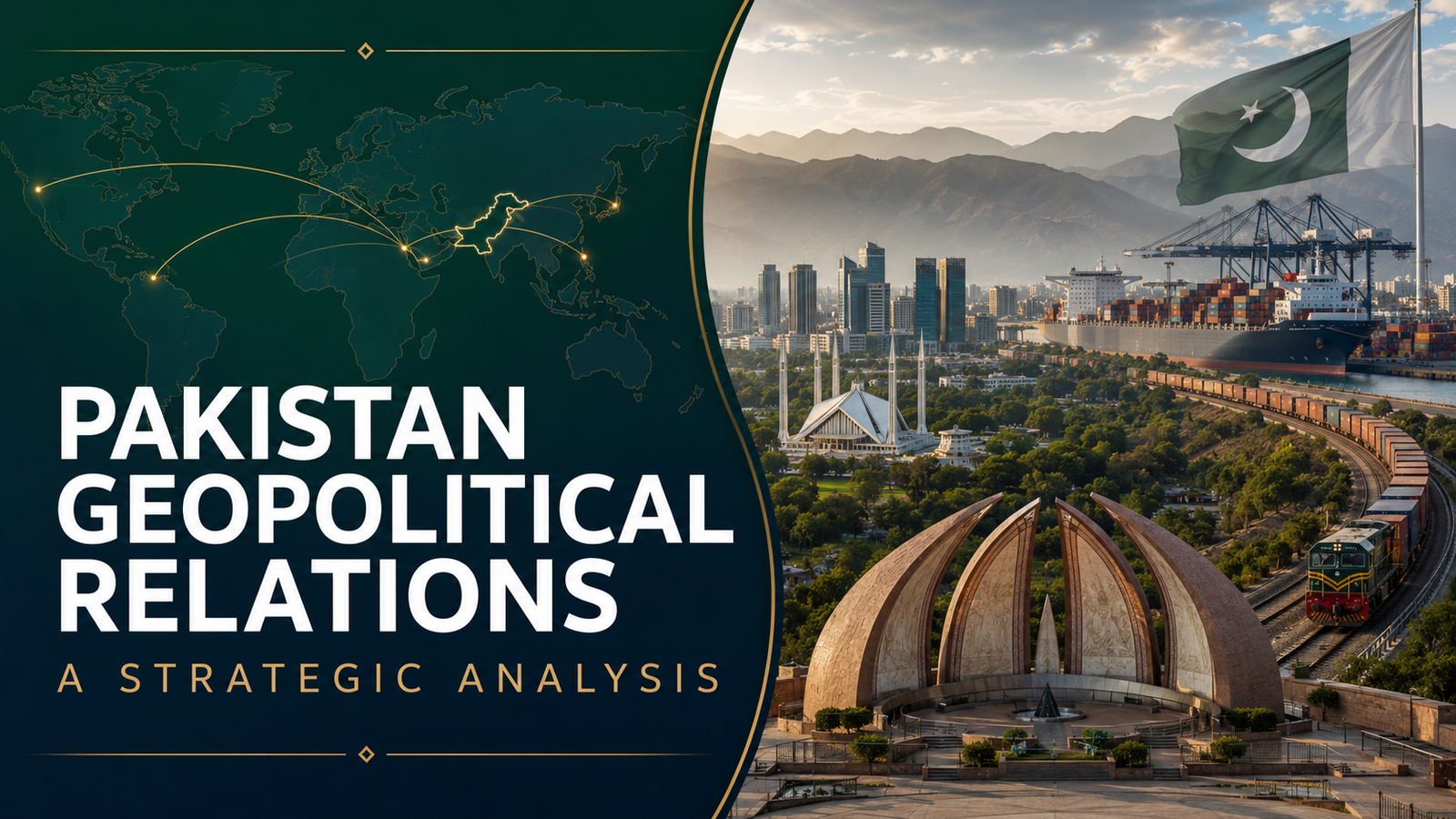
💡 Pakistan Geopolitical Relations: A Strategic Analysis
A comprehensive analysis of Pakistan's strategic foreign policy, economic shifts, and regional security dynamics in the modern era.
Executive Summary
Pakistan occupies one of the most critical geographic intersections in the world, serving as a bridge between South Asia, Central Asia, and the Middle East. This strategic positioning has historically made the nation a focal point for global power dynamics. Current data indicates that Pakistan is attempting a paradigm shift from geo-security to geo-economics, though this transition faces significant headwinds. Key findings include the ongoing expansion of the 62 billion dollar China-Pakistan Economic Corridor (CPEC), a recalibration of ties with the United States following the withdrawal from Afghanistan, and a complex security environment on the western border. Economically, the nation remains reliant on International Monetary Fund (IMF) programs, having entered its 24th arrangement in 2024, which heavily influences its diplomatic maneuverability.
Introduction
The geopolitical landscape of Pakistan is defined by its proximity to emerging and established global powers. Bordering China, India, Afghanistan, and Iran, and maintaining a coastline along the Arabian Sea, Pakistan serves as a vital maritime and terrestrial corridor. Historically, its foreign policy was dominated by the Cold War and the subsequent War on Terror. However, as global priorities shift toward technological dominance and economic integration, Pakistan finds itself at a crossroads. The current strategic environment requires a delicate balancing act between the United States, its largest export market, and China, its primary infrastructure investor. Understanding these relations is essential for interpreting the 2026 Strategic Outlook: Global Shifts in Technology and Finance, as regional stability in South Asia remains a cornerstone of global market predictability.
The Deep Dive: Analyzing Key Strategic Pillars
The China-Pakistan Axis: Beyond CPEC
China remains Pakistan's most reliable strategic partner. The China-Pakistan Economic Corridor (CPEC) is the flagship project of Beijing's Belt and Road Initiative (BRI). Since its inception, CPEC has seen the completion of over 25 billion dollars in infrastructure and energy projects. The focus has now shifted to Phase II, which emphasizes industrialization, agriculture, and social development. Data from the Planning Commission of Pakistan suggests that special economic zones (SEZs) are expected to generate significant employment, though debt sustainability remains a concern for international observers. The military dimension of this relationship is equally robust, with China providing approximately 75 percent of Pakistan's major arms imports according to the Stockholm International Peace Research Institute (SIPRI).
The United States: A Shift Toward Pragmatism
Relations with the United States have transitioned from a transactional security-based alliance to a more nuanced, multifaceted engagement. While the counter-terrorism cooperation of the past two decades has scaled back, the U.S. remains Pakistan's largest destination for exports, totaling over 5 billion dollars annually. The bilateral relationship now focuses on climate change, energy, and health. However, the U.S. focus on the Indo-Pacific and its deepening ties with India create a complex environment for Islamabad. Strategic thinkers, much like those discussed in the Leopold Aschenbrenner: Strategic Analysis of AGI and National Security, recognize that the competition for technological and military superiority between Washington and Beijing forces middle powers like Pakistan to adopt highly sophisticated hedging strategies.
Regional Dynamics: India, Afghanistan, and Iran
Pakistan's relationship with India remains frozen in a state of managed crisis. Since the 2019 changes to the status of Jammu and Kashmir, formal trade and diplomatic dialogue have been largely suspended. This stalemate prevents the realization of a South Asian integrated market. On the western front, the return of the Taliban in Afghanistan has presented both opportunities and significant security challenges. While Pakistan initially hoped for a stable western border, the rise in cross-border militant activity has strained relations. Meanwhile, ties with Iran are characterized by a cautious pursuit of economic cooperation, specifically the long-delayed gas pipeline project, which remains under the shadow of international sanctions.
Economic Diplomacy and the Gulf States
Pakistan has increasingly looked toward Saudi Arabia and the United Arab Emirates (UAE) for financial stability. The Special Investment Facilitation Council (SIFC) was established to streamline foreign direct investment from these nations into Pakistan's mining, agriculture, and IT sectors. Saudi Arabia has pledged billions in potential investments, including a proposed refinery project in Gwadar. This shift toward economic diplomacy is a necessity driven by a high debt-to-GDP ratio and the need to stabilize Stock Market Futures: A Strategic Analysis of Global Trading within the domestic exchange.
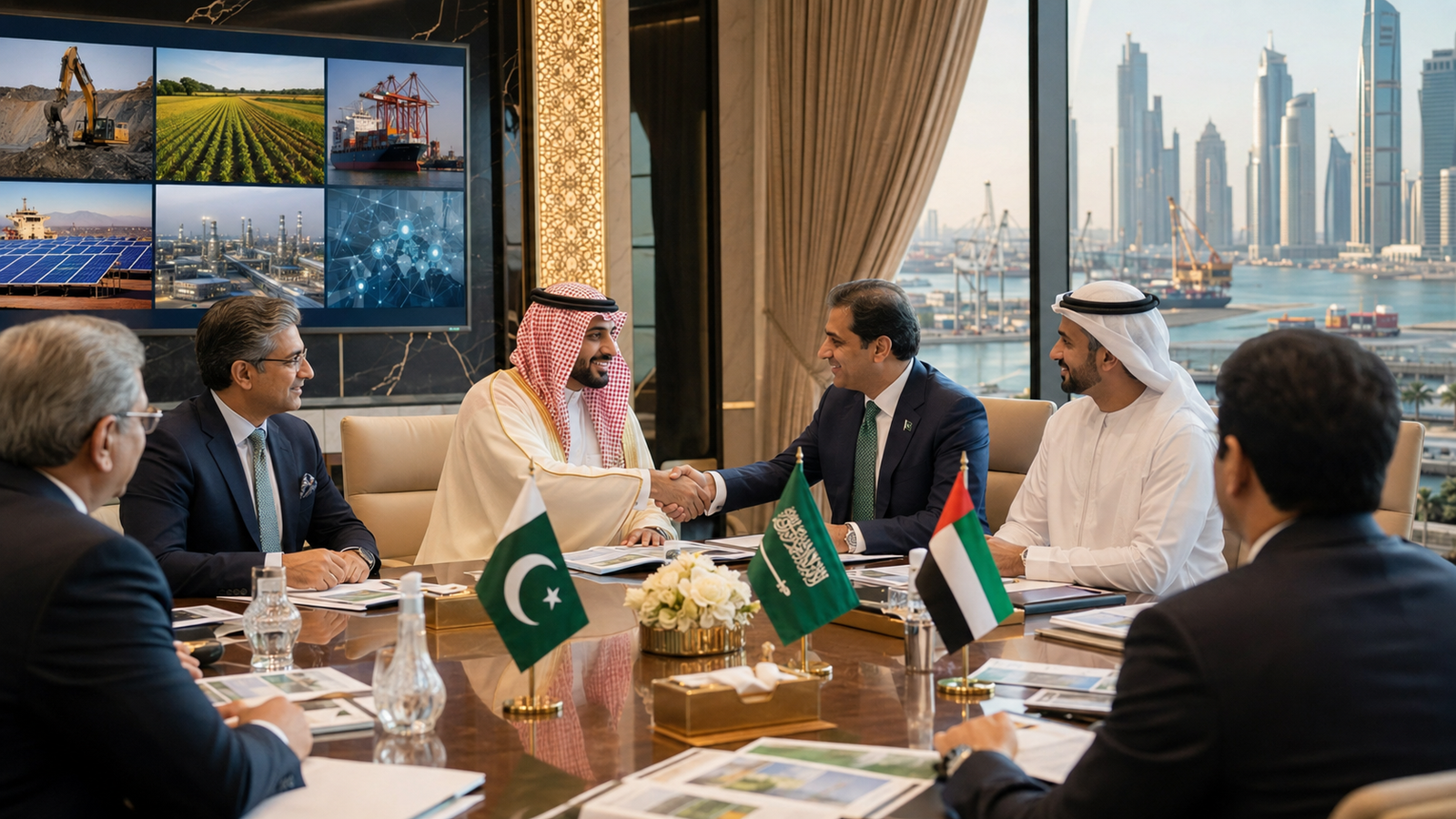
The role of the IMF is also central to Pakistan's geopolitical standing. Adhering to IMF mandates often requires structural reforms that can be politically sensitive, yet these reforms are essential for maintaining international credit ratings and attracting foreign investment. The interplay between domestic economic health and foreign policy autonomy is more pronounced now than at any point in the nation's history.
What This Means For You
For the global observer, investor, or policy analyst, Pakistan's geopolitical trajectory offers several key takeaways:
- Market Entry: The development of SEZs under CPEC Phase II provides potential opportunities for manufacturing and logistics firms.
- Security Risk: Regional volatility, particularly on the Afghan border, necessitates rigorous risk assessment for businesses operating in the region.
- Economic Indicators: Monitoring IMF compliance and Gulf investment flows is critical for understanding the stability of the Pakistani Rupee and the broader economy.
- Strategic Hedging: Pakistan’s ability to maintain ties with both China and the U.S. serves as a case study in middle-power diplomacy.
Expert Verdict / Future Outlook
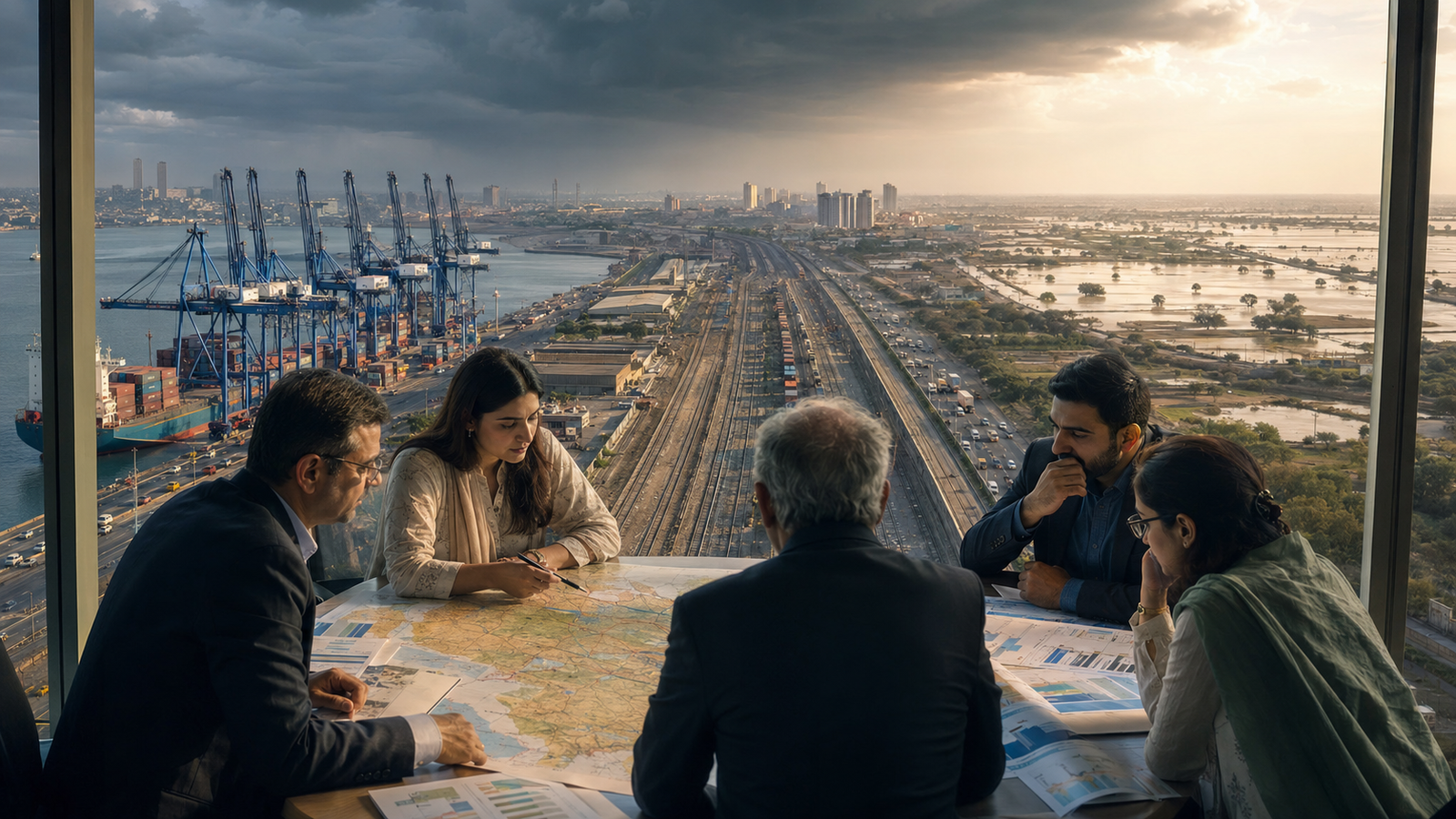
The outlook for Pakistan's geopolitical relations over the next five years is one of cautious stabilization. The success of the pivot to geo-economics depends entirely on domestic political stability and the ability to curb internal security threats. Experts suggest that if Pakistan can successfully navigate the China-U.S. rivalry without being forced to choose a side, it could emerge as a central hub for regional trade. However, the immediate future will likely be dominated by efforts to manage debt obligations and mitigate the impacts of climate change, which has become a non-traditional security threat of paramount importance.
FAQ
What is the current status of CPEC?
CPEC is currently in its second phase, focusing on industrial cooperation, agricultural modernization, and the development of Special Economic Zones to drive export-led growth.
How does Pakistan balance its relationship with the U.S. and China?
Pakistan maintains a strategic partnership with China for infrastructure and defense, while keeping the U.S. as its primary export market and a key partner in international financial institutions.
Why is the western border with Afghanistan unstable?
Despite the change in government in Kabul, issues regarding cross-border movements and the presence of militant groups continue to pose significant security challenges for Islamabad.
What role do Saudi Arabia and the UAE play?
These nations are critical providers of financial support and are increasingly seen as long-term investment partners in Pakistan’s energy and mining sectors.
How does the IMF influence Pakistan's foreign policy?
IMF programs require economic transparency and structural reforms, which often align Pakistan's economic policies with global standards, affecting its trade and diplomatic relations.
Conclusion
Pakistan's geopolitical relations are undergoing a fundamental transformation. By moving away from a purely security-centric model toward one based on economic connectivity, the nation seeks to leverage its geography for sustainable growth. While significant challenges remain, including regional tensions and economic volatility, the strategic importance of Pakistan ensures it will remain a central player in the global geopolitical theater for the foreseeable future.




Comments 0
Leave a Reply
Your email address will not be published. Required fields are marked *
Be the first to share your thoughts!