
💡 Who is Immigration news green card?
Explore the legislative efforts to provide Green Cards to TPS holders and understand the current legal pathways for transitioning from temporary to permanent residency.
What is the Significance of Green Cards for TPS Holders?
The conversation surrounding immigration in the United States often focuses on the stability and security of those living within its borders. For hundreds of thousands of individuals, the Temporary Protected Status (TPS) program has provided a vital lifeline. However, as the name suggests, this status is not permanent. Recent legislative discussions highlight a growing push to provide TPS holders with a direct path to permanent residency, commonly known as a Green Card.
According to immigration policy experts, the push to grant Green Cards to TPS holders is rooted in the fact that many beneficiaries have resided in the United States for decades. They have established families, built businesses, and become integral parts of their local communities. Transitioning from a temporary status to permanent residency would not only provide peace of mind for these families but also offer significant economic and social benefits to the nation as a whole.

What is Temporary Protected Status (TPS)?
Temporary Protected Status is a humanitarian program established by the United States government to provide a safe haven for foreign nationals who are unable to return to their home countries due to extraordinary circumstances. These conditions typically include ongoing armed conflict, environmental disasters like earthquakes or hurricanes, or other extraordinary and temporary conditions that make a safe return impossible.
When a country is designated for TPS, eligible individuals from that nation who are already in the United States can apply for work authorization and protection from deportation. It is important to note that TPS does not automatically lead to a Green Card or citizenship. It is a temporary benefit that must be renewed periodically based on the federal government's assessment of the conditions in the home country. According to recent reports, countries such as El Salvador, Haiti, Honduras, and Venezuela have seen significant numbers of their citizens rely on this protection.
Pathways to Permanent Residency for TPS Holders
The primary motivation behind the legislative push by Democrats and immigration advocates is the long-term nature of many TPS designations. This has created a situation where individuals have lived the majority of their adult lives in the United States under a cloud of legal uncertainty.
Experts suggest that providing a path to permanent residency would acknowledge the contributions of these long-term residents. By granting Green Cards, the government would allow these individuals to fully integrate into American society, invest more deeply in their careers, and travel abroad to visit family without the fear of being denied re-entry.
TPS holders often live in the U.S. for decades under temporary status, which creates uncertainty for families and careers. Providing a path to permanent residency would recognize their contributions while offering legal stability. Existing challenges, such as entry method, application fees, and processing delays, remain hurdles that applicants must navigate carefully.

How Can TPS Holders Currently Apply for a Green Card?
While there is no dedicated, automatic path for all TPS holders to receive a Green Card, there are existing legal avenues that some individuals may utilize. Understanding these pathways is crucial for those seeking to stabilize their immigration status. Below are the primary methods currently available:
- Family-Based Sponsorship: If a TPS holder has a qualifying relative who is a United States citizen or a lawful permanent resident, they may be eligible for a family-based immigrant visa. This often involves a spouse, parent, or adult child filing a petition on their behalf.
- Employment-Based Sponsorship: In some cases, an employer may sponsor a TPS holder for a Green Card if they possess specialized skills or fill a labor need. This process is complex and usually requires a labor certification from the Department of Labor.
- Asylum Status: If a TPS holder can demonstrate a well-founded fear of persecution in their home country based on race, religion, nationality, membership in a particular social group, or political opinion, they may apply for asylum, which can eventually lead to permanent residency.
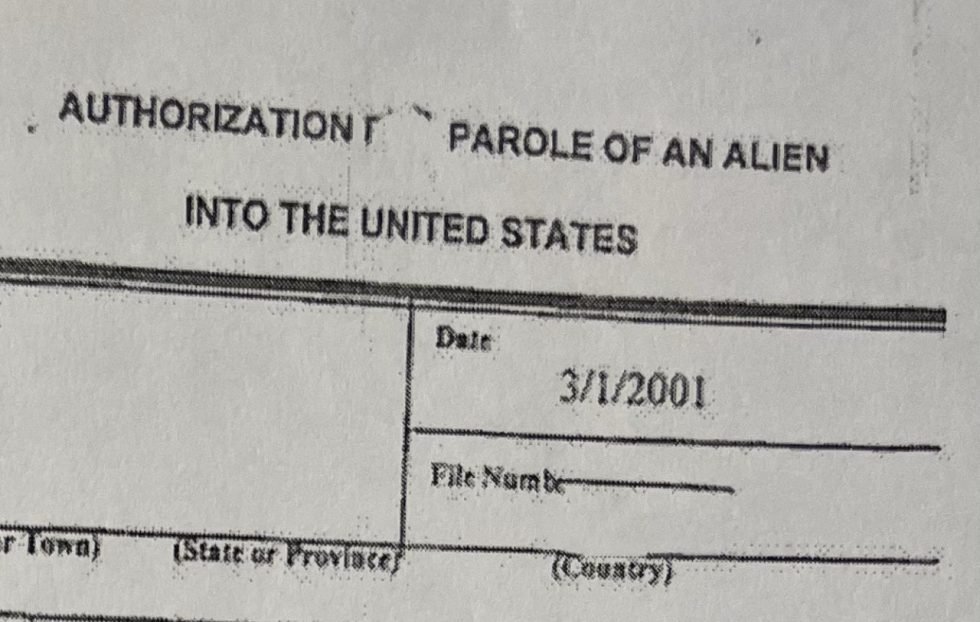
- Adjustment of Status via Advance Parole: Some jurisdictions allow TPS holders who entered the country without inspection but later traveled abroad and returned using Advance Parole (travel authorization for re-entry) to adjust their status if they have a qualifying petitioner.
What are the Potential Benefits of Legislative Reform?
If the proposed legislation to grant Green Cards to TPS holders were to pass, the impacts would be widespread. Beyond the humanitarian aspect, there are clear economic advantages. According to global analysts, providing permanent status to TPS holders would likely increase tax revenue, as individuals with Green Cards typically earn higher wages and have greater access to professional advancement.
Furthermore, it would reduce the administrative burden on the United States Citizenship and Immigration Services (USCIS). Currently, the agency must process hundreds of thousands of TPS renewals every 18 months. A one-time transition to permanent residency would allow the agency to redirect resources toward other pressing immigration matters. Most importantly, it would provide stability for the hundreds of thousands of United States citizen children who have at least one parent with TPS status.
What are Challenges and Solutions in Adjusting TPS to a Green Card?
Navigating the transition from temporary status to a Green Card is rarely straightforward. Applicants often face several hurdles that can complicate their journey toward permanent residency. One of the most common issues is the initial entry method into the United States. Individuals who entered without inspection may face legal barriers that require specific waivers or travel abroad to rectify their status.
Another challenge is the cost. The fees for filing various immigration forms, such as the I-485 for adjustment of status or the I-601 waiver, can amount to thousands of dollars. Additionally, the backlog in immigration courts and processing centers can lead to years of waiting for a final decision. Legal experts suggest that maintaining continuous legal status and keeping meticulous records of all immigration filings is essential to overcoming these obstacles.
Pro Tips for Navigating Immigration Status
For individuals currently under TPS who are hoping for a permanent solution, being proactive is key. Here are some expert insights to consider:
- Consult an Immigration Attorney: Immigration law is incredibly nuanced. A qualified attorney can help determine if you qualify for existing Green Card pathways that you may not be aware of.
- Keep Your Documents Organized: Maintain a complete file of every document ever sent to or received from USCIS. This includes receipts, approval notices, and copies of your applications.
- Stay Informed on Policy Changes: Immigration policies can change rapidly. Following reputable news sources and official government announcements ensures you are aware of new opportunities or requirements.
- Avoid Notario Fraud: Be cautious of unauthorized individuals who claim they can fast-track your Green Card. Only trust licensed attorneys or accredited representatives recognized by the Department of Justice.
Frequently Asked Questions
Does having TPS mean I am a permanent resident?
No, TPS is a temporary humanitarian benefit. It provides work authorization and protection from deportation for a specific period, but it does not grant the holder a Green Card or a direct path to citizenship under current law.
Can a TPS holder travel outside of the United States?
TPS holders can request travel authorization known as Advance Parole. However, it is vital to obtain this authorization before leaving the country. Travel without Advance Parole can result in loss of TPS status and denial of re-entry.
What happens if the government ends TPS for my country?
If a country's TPS designation is terminated, individuals under that status will revert to their previous immigration status or will be required to leave the country unless they have obtained another legal status in the meantime.
How many people are currently covered by TPS?
As per recent industry reports, there are over 400,000 individuals currently holding TPS in the United States, with the largest groups coming from El Salvador, Honduras, and Haiti.
Is the proposal to give Green Cards to TPS holders already a law?
No, Currently, it is a legislative proposal supported by numerous lawmakers. It would require approval from both the House of Representatives and the Senate, as well as the President's signature, to become law.
Conclusion
The debate over granting Green Cards to TPS holders is more than just a political discussion; it is a conversation about the future of hundreds of thousands of families who have made the United States their home. While the program was designed as a temporary solution to global crises, the reality of long-term displacement has made the need for permanent solutions more apparent. Whether through legislative reform or existing legal channels, the goal for many is to move from the uncertainty of temporary protection to the security of permanent residency. Staying informed and seeking professional legal guidance remains the best course of action for those navigating this complex landscape.
Important Note: Financial Disclaimer: This content is for educational purposes only and does not constitute professional financial advice. Always consult with a certified financial planner before making investment decisions.
Related Media
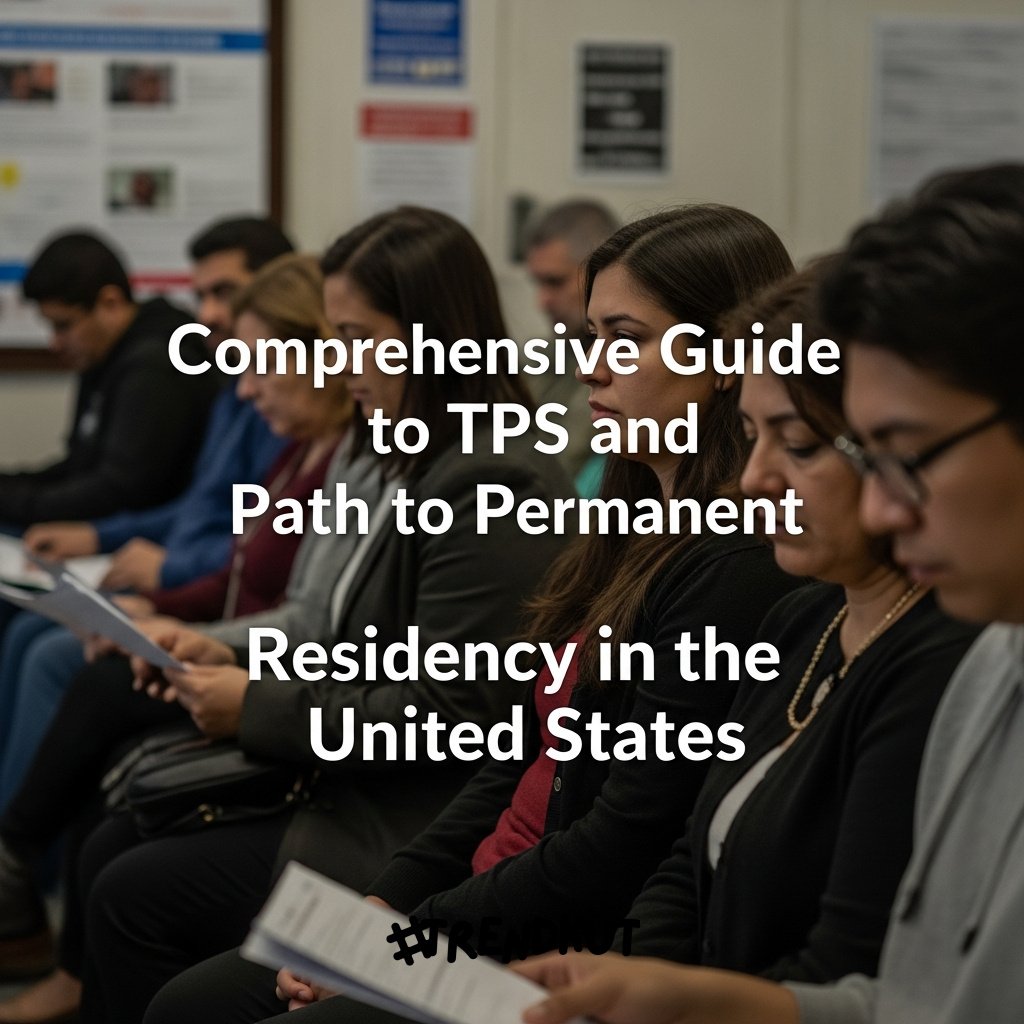
Quick View: Comprehensive Guide to TPS and the Path to Permanent Residency in the United States





Comments 0
Leave a Reply
Your email address will not be published. Required fields are marked *
Be the first to share your thoughts!