
💡 Weather in Moscow: A Strategic Meteorological Analysis
An authoritative analysis of Moscow's weather patterns, examining seasonal shifts, the Urban Heat Island effect, and the socio-economic impacts of climate trends in the Russian capital.
Executive Summary
Moscow represents a complex meteorological environment in the Northern Hemisphere. This analysis identifies three primary findings: first, the average annual temperature in Moscow has risen by approximately 2.3 degrees Celsius over the last century, significantly outpacing the global average. Second, the Urban Heat Island (UHI) effect creates a measurable temperature differential between the city center and the surrounding Moscow Oblast, with differences becoming particularly pronounced under suitable weather conditions. Third, seasonal patterns are changing, with warmer winters and an increasing occurrence of extreme weather events, including heatwaves and heavy snowfall. These shifts necessitate a reassessment of infrastructure resilience and energy consumption models within the region.
Introduction
Understanding the weather in Moscow requires more than a simple daily forecast. As one of the largest metropolitan areas in Europe, Moscow serves as a critical node for international logistics, energy distribution, and regional economic activity. The climate is officially classified as humid continental, characterized by distinct seasonal variations. However, long-term meteorological observations indicate that Moscow's climate is changing, with warmer temperatures and noticeable shifts in seasonal patterns. This shift has implications for everything from aviation safety to regional infrastructure and economic stability. By examining the underlying data and meteorological drivers, we can better understand how weather influences the strategic operations of the Russian capital.
The Deep Dive: Meteorological Mechanics and Data Trends
The weather in Moscow is primarily governed by its inland position and the influence of various air masses. The city is often affected by cold Arctic air from the north and warmer, more humid air from the Atlantic and other surrounding regions. This interaction contributes to the variability of the region's climate.
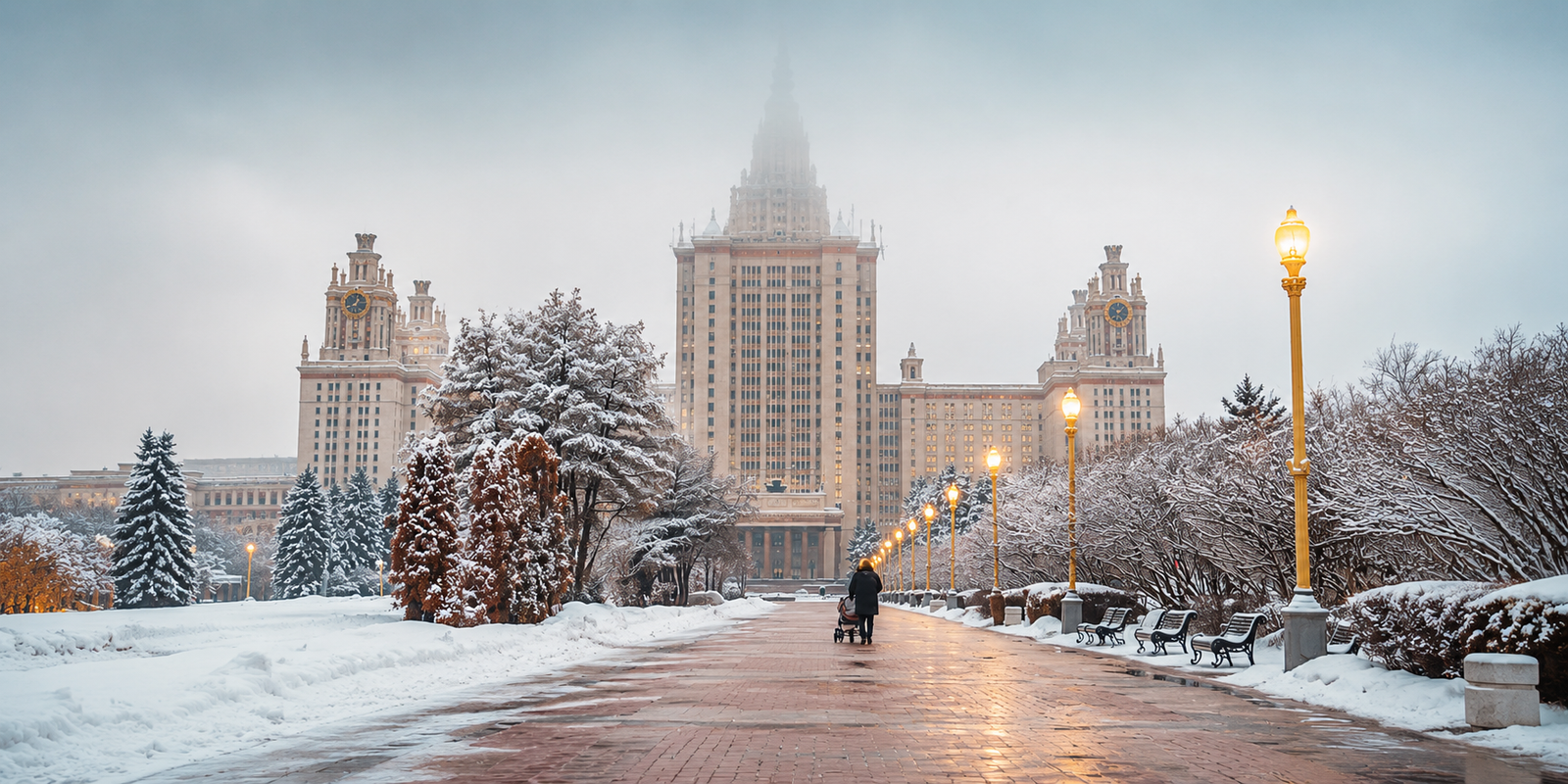
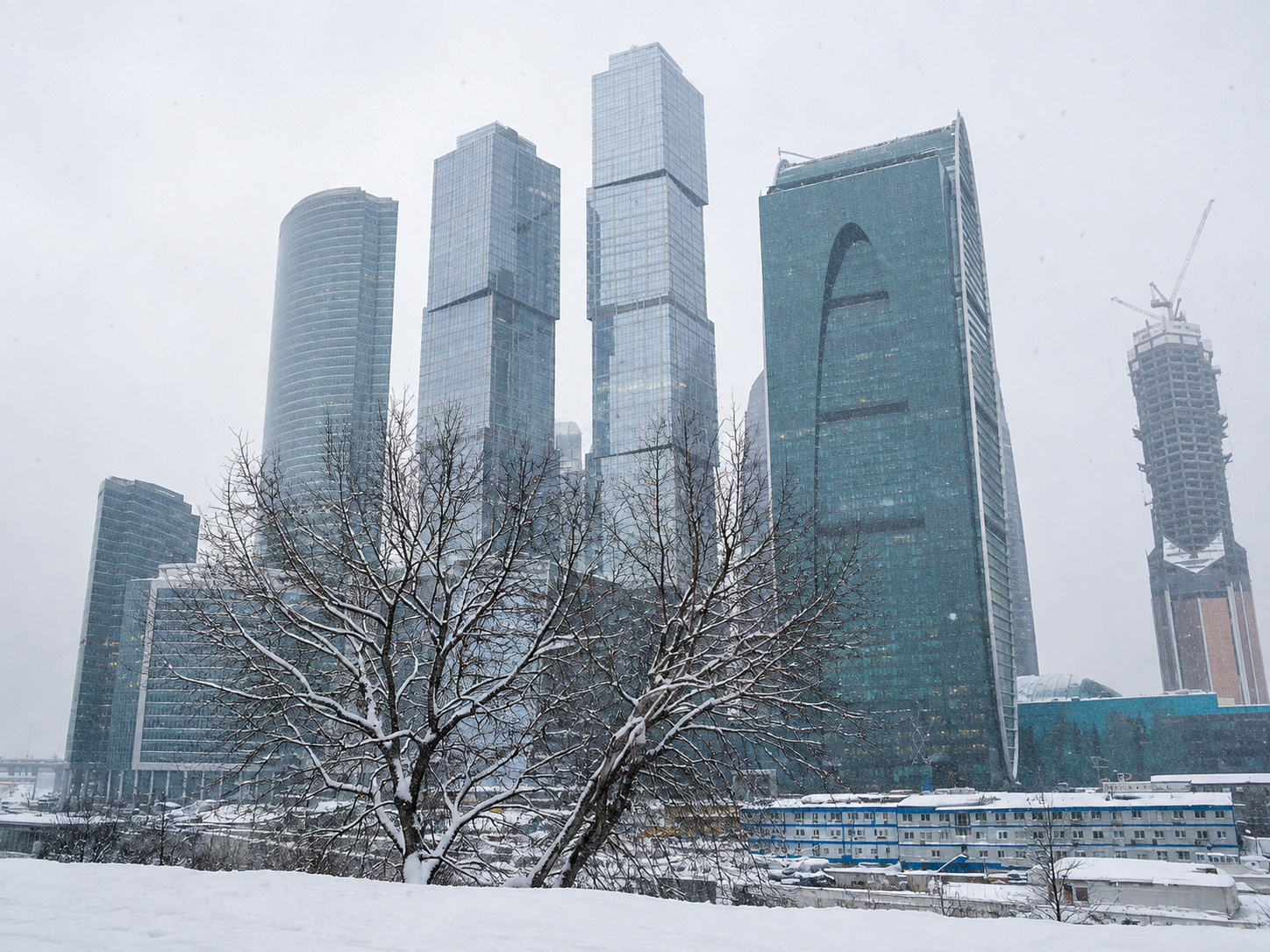
Winter in Moscow, traditionally spanning from late November to early March, is strongly influenced by continental and Arctic air masses. While historically synonymous with extreme cold, modern climate data shows a trend toward milder winters. The frequency of severe cold periods has generally declined as temperatures have increased. Despite this warming trend, the city continues to experience substantial winter snowfall. The management of snowfall remains a significant logistical challenge that can affect municipal operations, transportation, and local commerce. Such logistical challenges are mirrored in other high-stakes environments, as seen in the Russia Geopolitics: Strategic Analysis of Global Power, where environmental factors often influence regional infrastructure priorities.
Summer patterns have also undergone a significant transformation. July is typically Moscow's warmest month, with average daytime temperatures around 24 degrees Celsius, while heatwaves can push temperatures to 30 degrees Celsius or higher. These heatwaves can be exacerbated by the Urban Heat Island effect. High-density construction and asphalt surfaces absorb solar radiation during the day and release it at night, reducing nighttime cooling. This phenomenon can increase demand for cooling systems and place additional pressure on the electrical grid, a factor that investors must consider when evaluating the region's utility sector. This aligns with broader market observations found in Investment Strategies: A Strategic Analysis of Market Growth, where climate-driven demand shifts are becoming a core component of risk assessment.
Precipitation levels in Moscow average around 700 millimeters annually, with summer generally being the wettest period due to increased convective activity and thunderstorms. Heavy rainfall can overwhelm drainage systems and contribute to localized flooding. For the aviation sector, sudden changes in visibility, thunderstorms, and wind conditions can create operational challenges. This is particularly relevant for major carriers operating out of Sheremetyevo or Domodedovo, where weather-related disruptions can affect flight schedules, much like the operational complexities discussed in the United Airlines Strategic Analysis: Aviation Market Leadership report.

What This Means For You
For the resident or business professional, Moscow's weather requires high levels of adaptability. For travelers, late May and early September can be suitable periods for visiting, when temperatures are generally mild and the risk of extreme weather is lower. For businesses, particularly those in construction and logistics, seasonal planning must now account for higher-than-average precipitation and the potential for summer heat to affect heavy transport.
-
Energy Efficiency: Residents should prioritize high-quality insulation to manage both winter heat loss and summer heat gain.
-
Logistics Planning: Companies should build additional time buffers into delivery schedules during the peak winter months of January and February.
-
Health Awareness: The increasing frequency of heatwaves requires vulnerable populations to monitor air quality and heat indices during July and August.
Expert Verdict and Future Outlook
The long-term outlook for Moscow's climate is one of continued warming and changing weather patterns. Climate projections indicate that Moscow is likely to experience further warming by 2050, although the exact characteristics of future climate conditions depend on emissions scenarios and regional climate patterns. While a longer growing season and reduced heating costs in winter may seem beneficial, the costs associated with upgrading infrastructure to handle extreme heat and intense rainfall will likely offset some of these gains. Strategic urban planning must focus on increasing green spaces to mitigate the UHI effect and upgrading the power grid to handle changing seasonal energy demand.

FAQ
What is the coldest month in Moscow?
January is historically the coldest month, with average temperatures around minus 6 to minus 7 degrees Celsius, though occasional Arctic blasts can push temperatures much lower.
Does it rain a lot in Moscow?
Moscow receives moderate precipitation, totaling about 700mm per year. Summer is generally the wettest period, with July among the wetter months and occasional short, intense thunderstorms.
Is the weather in Moscow changing due to climate change?
Yes, long-term data indicates that Moscow is warming, with milder winters and changes in seasonal weather patterns. The city has also experienced more frequent periods of extreme summer heat in recent decades.
How does the Urban Heat Island effect work in Moscow?
The city's dense infrastructure traps heat, making the center of Moscow significantly warmer than the surrounding rural areas, especially during the night.
What is the best time of year to visit Moscow?
The most comfortable periods for many visitors are typically late spring (May and June) or early autumn (September), avoiding the extremes of winter and the peak heat of mid-summer.
Conclusion
The weather in Moscow is a dynamic force that shapes the city's economic and social landscape. As climate trends continue to move toward higher average temperatures and changing seasonal patterns, the ability to analyze and adapt to these changes will be a hallmark of successful urban management and strategic planning in the region.





Comments 0
Leave a Reply
Your email address will not be published. Required fields are marked *
Be the first to share your thoughts!