
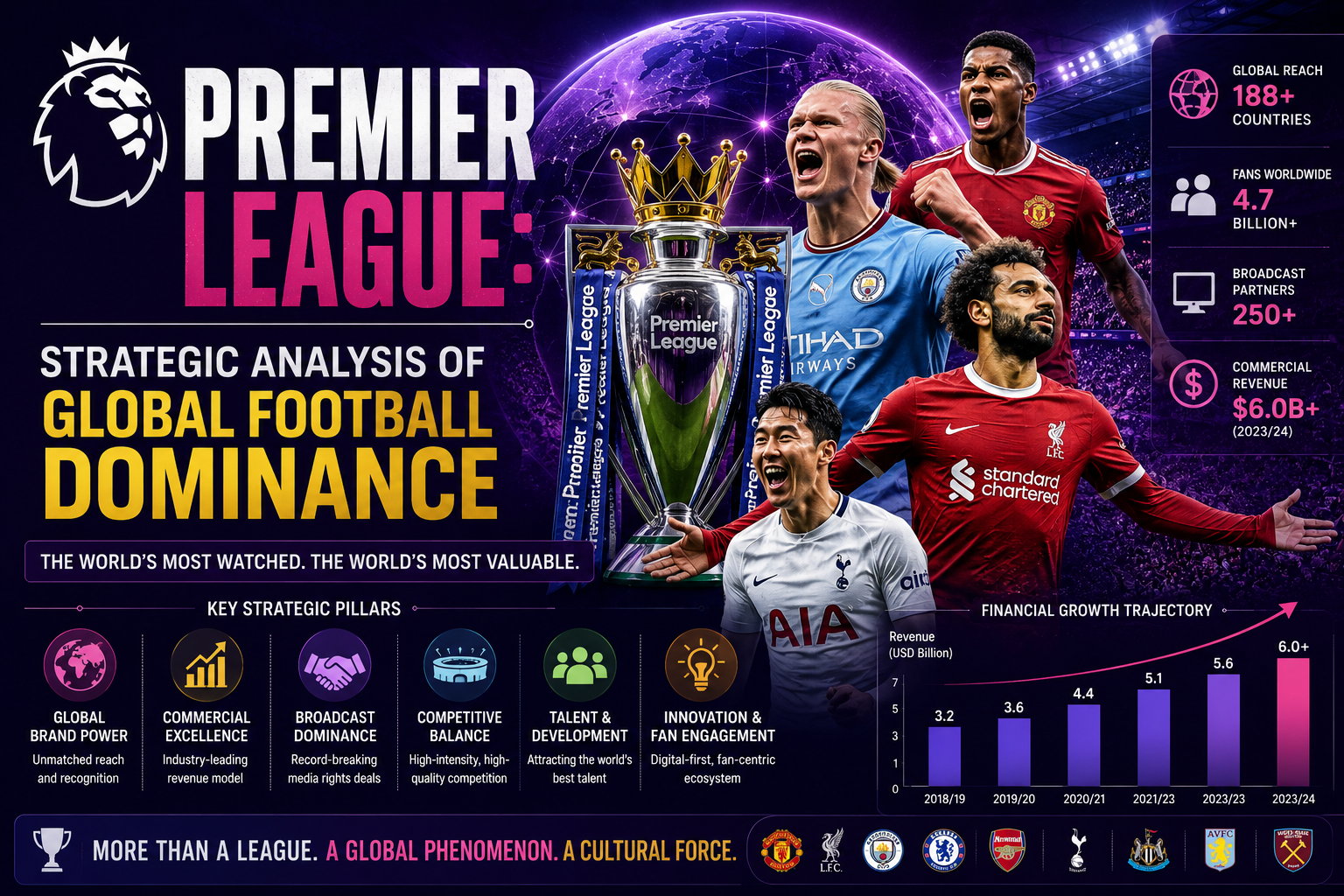
💡 Premier League: Strategic Analysis of Global Football Dominance
A comprehensive strategic analysis of the Premier League's economic model, broadcasting rights, and regulatory landscape for 2025 and beyond.
Executive Summary
The Premier League remains the undisputed leader in the global sports economy, generating over 6 billion pounds in annual revenue as of the 2022/23 season. This strategic analysis highlights three critical pillars of its dominance: the 6.7 billion pound domestic broadcasting cycle (2025-2029), the rigorous implementation of Profit and Sustainability Rules (PSR), and the league's expanding footprint in the North American market. Key data indicates that while the league accounts for nearly 50 percent of the total transfer spending across Europe's top five leagues, it faces mounting pressure from independent regulatory bodies and shifting digital consumption patterns. This report evaluates the league's financial resilience and its strategic positioning within the broader Global Sports Industry: Strategic Analysis of Economic Growth.
Introduction: The Pinnacle of Commercial Sport
Since its inception in 1992, the Premier League has transitioned from a localized football competition into a global entertainment powerhouse. It is no longer merely a sports league but a high-value export of British soft power. The league's ability to maintain competitive balance while maximizing commercial yields is a case study in effective brand management. Unlike many of its European counterparts, the Premier League utilizes a collective selling model for media rights, ensuring a more equitable distribution of wealth that sustains high levels of competition. This analysis explores the structural dynamics that allow the league to command such significant premiums from broadcasters and sponsors alike.
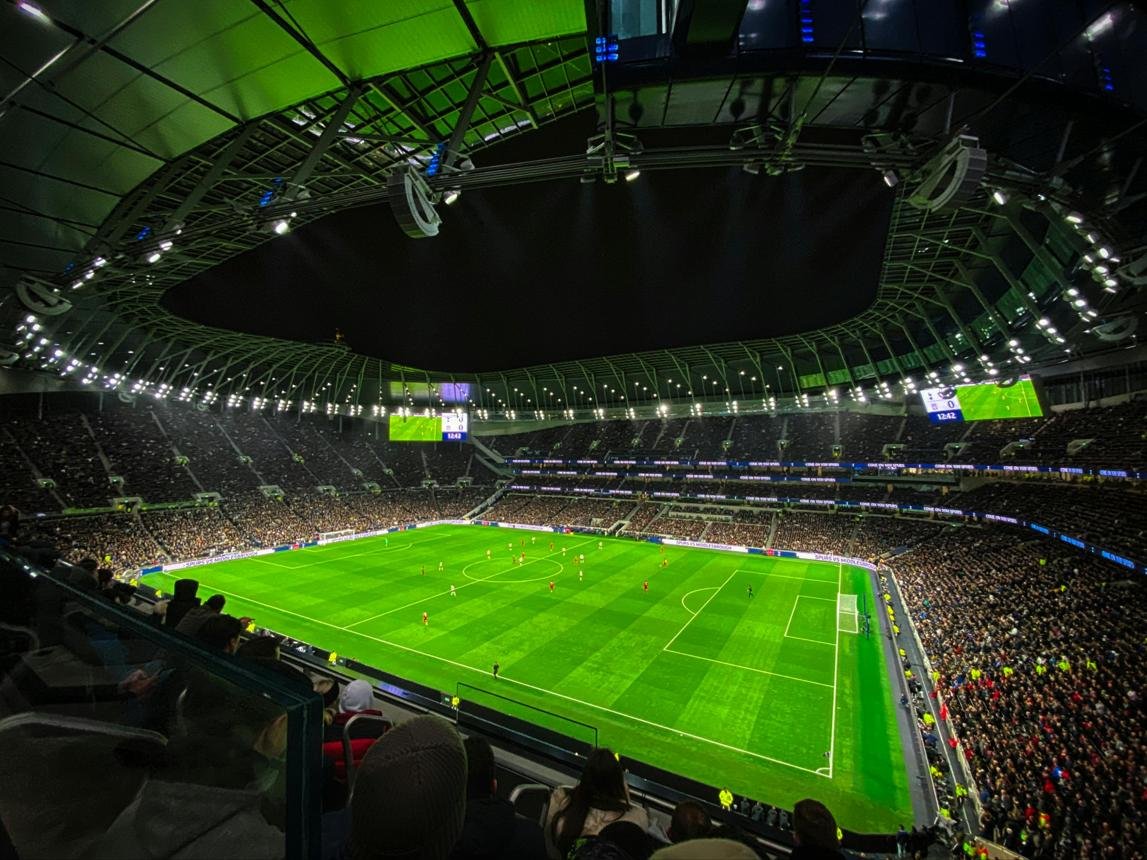
The Deep Dive: Economic and Regulatory Architecture
1. The Broadcasting Powerhouse
The lifeblood of the Premier League is its broadcasting revenue. The most recent domestic rights auction for the 2025-2029 period secured a record 6.7 billion pounds across 270 live matches per season. Sky Sports and TNT Sports remain the primary partners, while the BBC retains highlights rights. Strategically, the league has opted for longer-term stability over the rapid disruption seen in other sectors. However, the international market is where the most significant growth is projected. In the United States, NBC Sports has seen viewership figures rise by over 25 percent in the last two years, highlighting the league's successful penetration of the American market. This growth mirrors the digital expansion strategies seen in platforms like Hotstar: Strategic Analysis of the Streaming Powerhouse, where localized content delivery is key to global scaling.
2. Financial Sustainability and PSR Compliance
The 2023/24 season marked a turning point in the enforcement of Profit and Sustainability Rules (PSR). These regulations, which limit club losses to 105 million pounds over a rolling three-year period, have led to significant points deductions for clubs like Everton and Nottingham Forest. This shift toward fiscal discipline is a response to the increasing scrutiny from the UK government and the proposed Independent Football Regulator. Industry experts suggest that these rules are essential to prevent the kind of systemic financial collapse that has threatened clubs in lower tiers. The strategic challenge for the league is balancing these restrictions with the need to remain the most attractive destination for elite talent, especially as sovereign wealth funds continue to invest heavily in rival leagues.
3. The Talent Pipeline and Tactical Evolution
The Premier League is currently the primary destination for the world's best coaching and playing talent. The tactical sophistication of the league has reached unprecedented levels, influenced by the heavy investment in data analytics and sports science. This excellence on the pitch directly correlates with the league's commercial value. For instance, the speculation surrounding coaching changes often drives massive engagement cycles, much like the interest seen in the Next England Manager Odds: A Strategic Analysis. The league's ability to attract top-tier managers ensures that the product remains innovative and highly marketable to a global audience that demands elite performance.
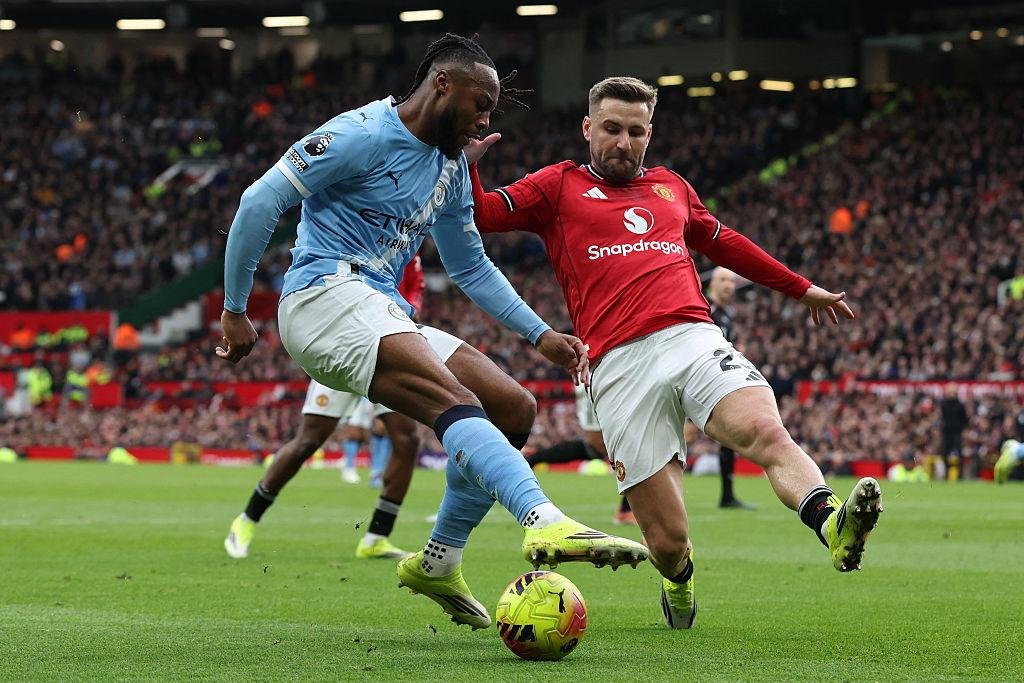
4. Digital Transformation and Fan Engagement
The Premier League is moving beyond traditional linear broadcasting. With over 1 billion followers across various social media platforms, the league is leveraging short-form content and interactive fan experiences to capture younger demographics. The integration of advanced statistics and real-time data during broadcasts has become standard. This move toward a tech-first approach is vital as the league competes for attention in a crowded entertainment market. The strategic focus is now on direct-to-consumer (DTC) possibilities in specific territories, although the league remains cautious about bypassing traditional partners who provide guaranteed revenue floors.
What This Means For You
For the average fan and investor, the Premier League represents a stable but highly regulated environment. For fans, the increased focus on PSR may mean their clubs are less likely to spend recklessly in the transfer market, leading to more sustainable long-term growth but potentially slower squad rebuilding. For investors, the league offers a high-yield asset class with significant barriers to entry. The introduction of an independent regulator will likely lead to more transparent financial reporting and a fairer distribution of wealth down the football pyramid, which could improve the overall health of the sport in the United Kingdom.

Expert Verdict and Future Outlook
The Premier League is at a crossroads. While its financial dominance is unquestioned, the geopolitical landscape of football is changing. The rise of the Saudi Pro League and the continued growth of Major League Soccer (MLS) present new challenges for talent retention. Furthermore, the legal battles regarding the league's Associated Party Transaction (APT) rules and the ongoing investigation into Manchester City's alleged financial breaches will define the league's credibility for the next decade. My expert verdict is that the Premier League will maintain its top position through 2030, provided it successfully navigates the transition to a regulated environment and continues to innovate its digital delivery models. The focus must remain on maintaining the competitive integrity that makes the league a premium product.
FAQ: Authoritative Insights
-
How does the Premier League distribute its TV revenue?
The league uses a formula where 50 percent is shared equally, 25 percent is based on merit (league position), and 25 percent is based on facility fees (number of televised matches). This ensures even the bottom-placed club receives a substantial sum, often exceeding 100 million pounds. -
What are the Profit and Sustainability Rules (PSR)?
PSR are financial regulations designed to ensure clubs do not spend beyond their means. Clubs are permitted to lose a maximum of 105 million pounds over three years, provided these losses are covered by secure funding from owners. -
Why is an Independent Football Regulator being introduced?
The UK government is introducing a regulator to ensure the financial sustainability of clubs, prevent breakaway leagues like the European Super League, and protect the heritage of English football clubs. -
How has the Saudi Pro League affected the Premier League?
While the Saudi Pro League has attracted high-profile players with massive salaries, the Premier League remains the preferred destination for players in their prime due to its competitive intensity and global prestige. -
What is the 'Big Six' and is it still relevant?
The 'Big Six' refers to Manchester City, Arsenal, Liverpool, Manchester United, Chelsea, and Tottenham. While they remain the most commercially powerful, the rise of clubs like Newcastle United and Aston Villa is challenging this traditional hierarchy.
Conclusion
The Premier League stands as a titan of the global sports economy, driven by massive broadcasting deals and a commitment to competitive balance. However, the next five years will be defined by regulatory shifts and the need for digital evolution. Stakeholders must prepare for a more disciplined financial era where sustainability is prioritized over unbridled spending.




Comments 0
Leave a Reply
Your email address will not be published. Required fields are marked *
Be the first to share your thoughts!