
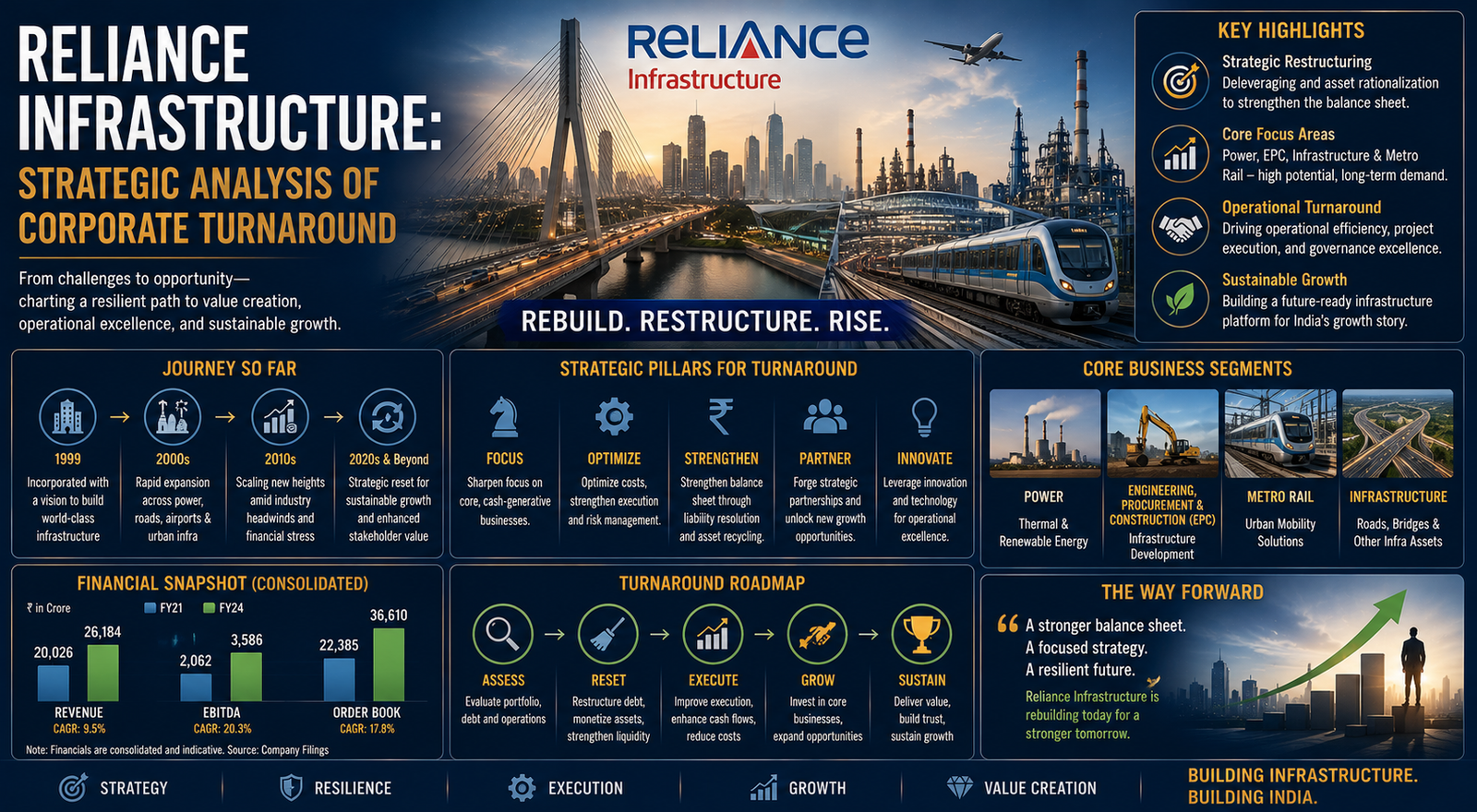
💡 Reliance Infrastructure: Strategic Analysis of Corporate Turnaround
An authoritative analysis of Reliance Infrastructure’s debt reduction strategies, core asset performance, and its future role in India’s energy and defense sectors.
Executive Summary
Reliance Infrastructure Limited (RInfra) is currently navigating one of the most significant corporate restructuring phases in the Indian infrastructure sector. Once burdened by a debt profile exceeding 14,000 crore INR, the company has pivoted toward an asset-light model, prioritizing debt resolution and the monetization of non-core assets. Key data highlights include the successful settlement of dues with major lenders such as ICICI Bank and DBS Bank, and a recent capital infusion of over 3,000 crore INR through preferential issues. This analysis examines the company’s operational footprint in power distribution, its strategic role in urban transport via the Mumbai Metro, and its long-term viability within the evolving regulatory framework of India’s infrastructure landscape.
Introduction: The Strategic Shift of an Industry Giant
Reliance Infrastructure, a core component of the Reliance Group, has historically been a dominant player in India’s private sector involvement in utility and infrastructure development. From generating and distributing power to constructing high-speed metro rails and defense equipment, the company’s portfolio is vast. However, the last decade was defined by high leverage and legal complexities regarding arbitration awards. Today, the narrative is shifting. The company is transitioning from a construction-heavy entity to a strategic manager of utility assets and a participant in the high-growth defense sector. Understanding this transition requires a look at Market Pricing and Valuation: A Strategic Framework to appreciate how the market is currently recalibrating the company’s intrinsic value against its debt-clearing progress.
THE DEEP DIVE: Operational Assets and Financial Restructuring
1. Power Distribution: The Revenue Engine
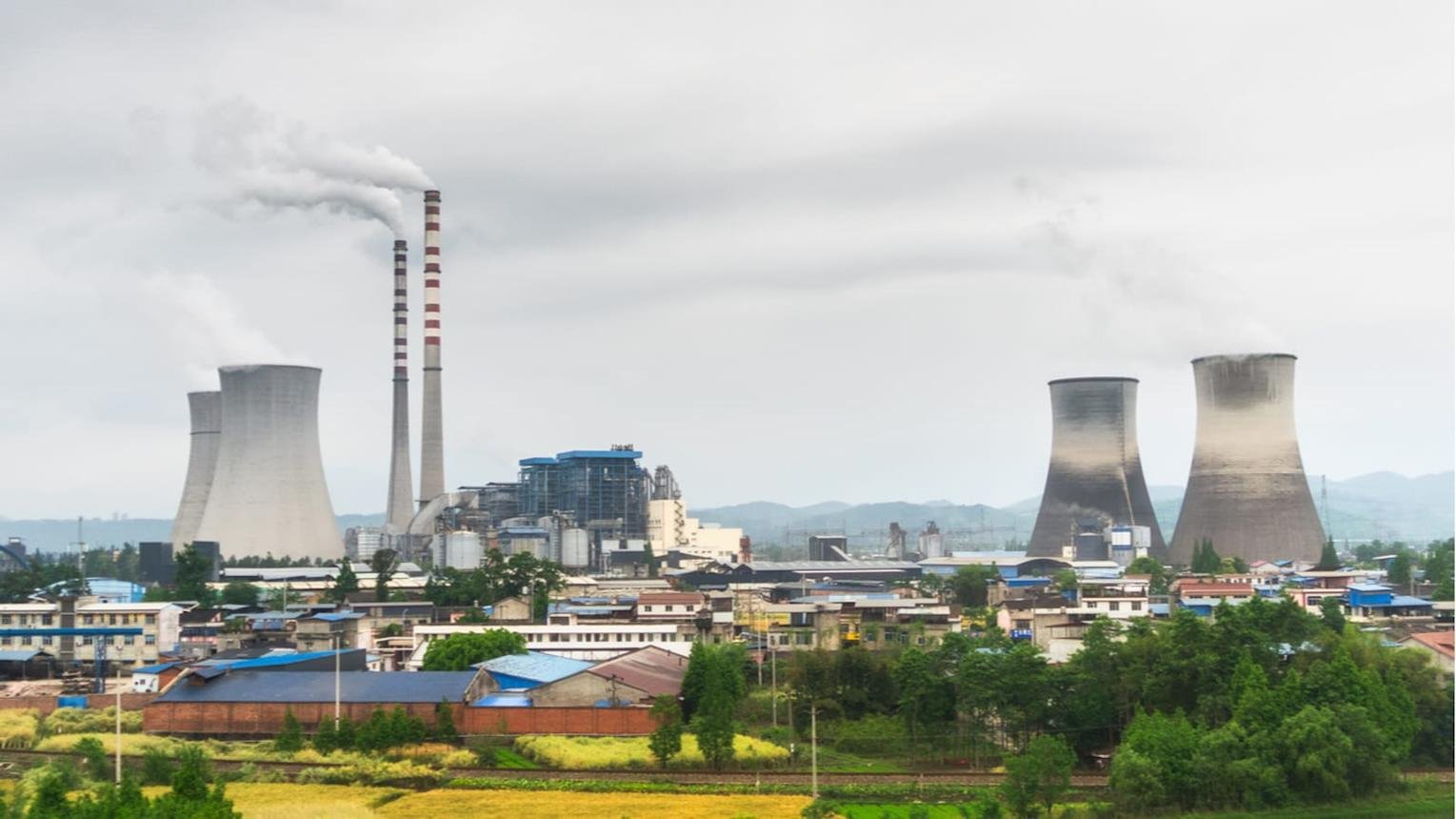
RInfra’s most stable revenue stream comes from its power distribution business in Delhi, operating through BSES Rajdhani and BSES Yamuna. These joint ventures with the Government of Delhi serve over 4.8 million customers. The strategic advantage here lies in the consistent cash flows and the essential nature of the service. Despite regulatory hurdles regarding power purchase cost adjustments, these utilities maintain a high level of operational efficiency with low Transmission and Distribution (T&D) losses compared to national averages. This stability is critical as the company seeks to reassure investors of its foundational strength.
2. Urban Infrastructure: The Mumbai Metro Case
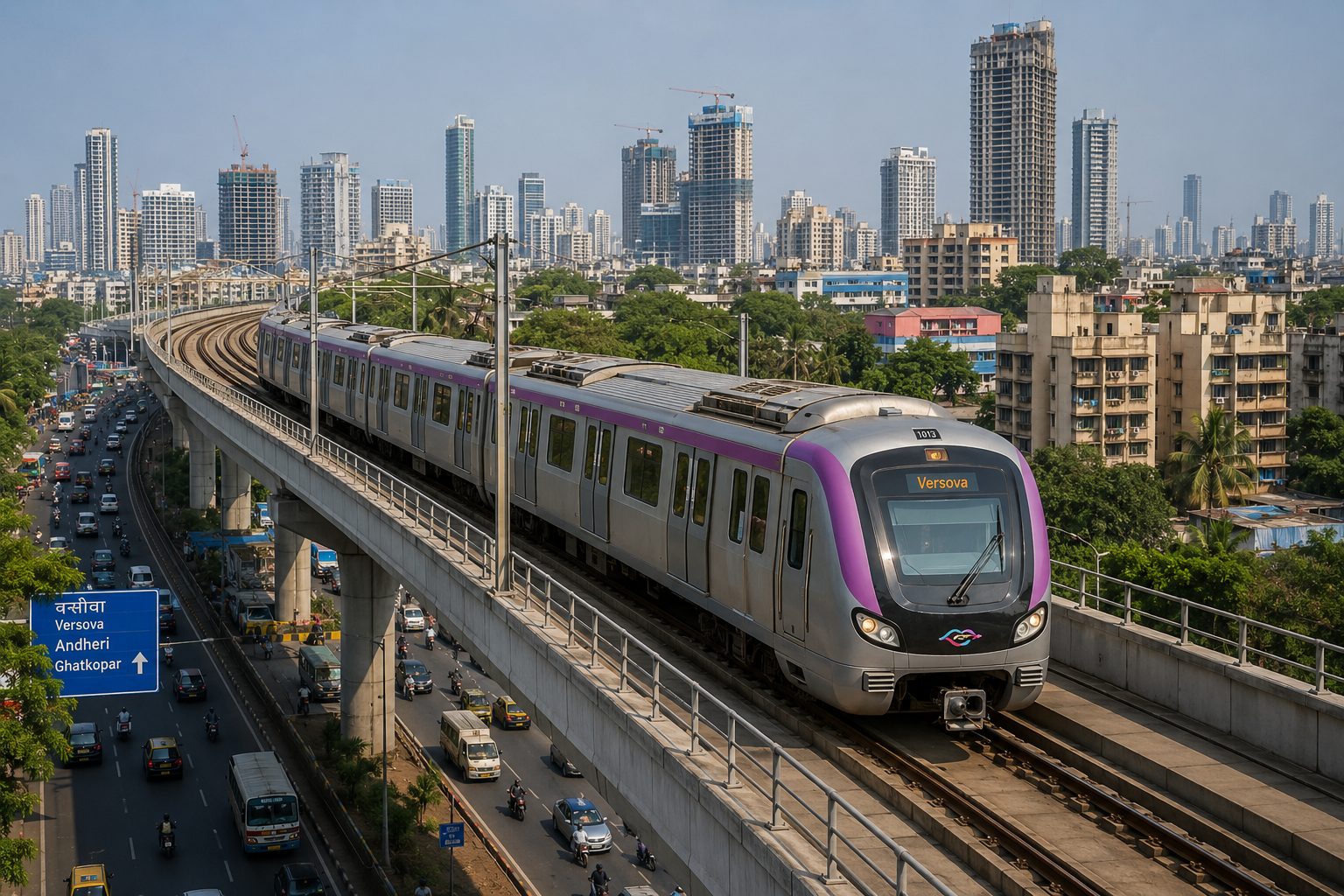
The Mumbai Metro Line 1 (Versova-Andheri-Ghatkopar) remains a flagship project. Spanning 11.4 kilometers, it is one of the densest metro corridors in the world. While the project has faced challenges regarding fare revisions and operational costs, it serves as a proof of concept for RInfra’s ability to execute complex urban transit projects. The company’s experience in this sector is often compared to the rapid urbanization seen in other hubs, as detailed in the Bengaluru: Strategic Analysis of India's Silicon Valley report, which highlights the necessity of private participation in public transport.
3. Debt Resolution and Capital Infusion
The core of the RInfra story is its balance sheet. In 2024, the company made headlines by reducing its standalone external debt significantly. By settling liabilities with banks like JC Flowers Asset Reconstruction and others, the company has moved toward a debt-free status on a standalone basis. The recent board approval to raise 3,014 crore INR through a preferential issue of shares and warrants is a strategic move to fund growth and meet long-term working capital requirements. This capital injection is a strong signal of promoter confidence and institutional interest in the company’s turnaround trajectory.
4. Defense and Emerging Sectors
Reliance Infrastructure has positioned itself to capitalize on the Indian government’s Make in India initiative in the defense sector. Through its subsidiaries, the company aims to manufacture small arms, ammunition, and integrated defense systems. While this segment has faced headwinds due to the capital-intensive nature of the industry and long gestation periods, the strategic importance of domestic defense production provides a potential high-alpha growth path for the next decade.
WHAT THIS MEANS FOR YOU
- For Investors: The reduction in debt and the settlement of legal disputes suggest a lower risk profile than in previous years. However, volatility remains high, and tracking the company’s progress via platforms like Moneycontrol: Strategic Analysis of India's Financial Hub is essential for real-time data on stock performance and quarterly earnings.
- For Policy Makers: RInfra’s journey serves as a case study in the Public-Private Partnership (PPP) model, highlighting the need for faster arbitration settlements and clearer regulatory frameworks to sustain private interest in national building.
- For the Public: As a service provider in power and transport, the company’s financial health directly impacts the quality and reliability of utility services in major metros like Delhi and Mumbai.
Expert Verdict: Future Outlook
The future of Reliance Infrastructure depends on two primary factors: the successful monetization of its remaining road assets and the scaling of its defense business. Industry analysts suggest that if the company can maintain its current pace of debt reduction, it will emerge as a leaner, more agile entity capable of bidding for new-age infrastructure projects in green energy and smart city development. The primary risk remains the outcome of ongoing litigations and the macro-economic environment which dictates interest rates and capital availability. The consensus among experts is that the worst of the liquidity crisis is behind the firm, but the path to becoming a market leader again requires flawless execution of its new asset-light strategy.
FAQ: Authoritative Insights
Is Reliance Infrastructure currently debt-free?
Reliance Infrastructure has significantly reduced its standalone debt by approximately 87 percent through various settlements with lenders. While the standalone entity is moving toward a debt-free status, the consolidated balance sheet still carries debt associated with specific Special Purpose Vehicles (SPVs) and long-term project financing.
What is the status of the Mumbai Metro Line 1?
Mumbai Metro Line 1 continues to be operated by Mumbai Metro One Private Limited (MMOPL), a joint venture where RInfra holds a majority stake. It remains a high-performing asset in terms of ridership, though financial restructuring of the SPV has been a focus of recent board discussions.
How does the company contribute to the defense sector?
Through its subsidiaries, the company is involved in the development of the Dhirubhai Ambani Defence Park and holds licenses for manufacturing a wide range of defense equipment. It focuses on strategic partnerships to bring global technology to the domestic market.
What was the impact of the Supreme Court ruling on the DMRC arbitration?
The Supreme Court’s 2024 ruling regarding the Delhi Airport Metro Express project was a significant legal development. It set aside a previous arbitration award that had been in favor of RInfra’s subsidiary. This necessitated a shift in the company’s financial planning, emphasizing the importance of diverse revenue streams beyond legal settlements.
Who are the major institutional investors in Reliance Infrastructure?
Recent preferential issues have seen participation from various domestic and international entities, including promoters and non-promoter groups. The specific list of investors is updated in regulatory filings with the SEBI and the National Stock Exchange (NSE).
Conclusion: Strategic Takeaway
Reliance Infrastructure is a company in the midst of a calculated metamorphosis. By aggressively shedding debt and focusing on core utility operations that provide steady cash flows, it is building a foundation for sustainable growth. While legacy issues remain, the strategic pivot toward defense and the strengthening of its power distribution business provide a roadmap for recovery. For stakeholders, the key will be monitoring the consistency of capital infusion and the company’s ability to navigate the complex regulatory environment of India’s infrastructure sector. The story of RInfra is no longer just about survival; it is about the strategic repositioning of a legacy brand in a modern, competitive economy.
Important Note: Financial Disclaimer: This content is for educational purposes only and does not constitute professional financial advice. Always consult with a certified financial planner before making investment decisions.




Comments 0
Leave a Reply
Your email address will not be published. Required fields are marked *
Be the first to share your thoughts!