
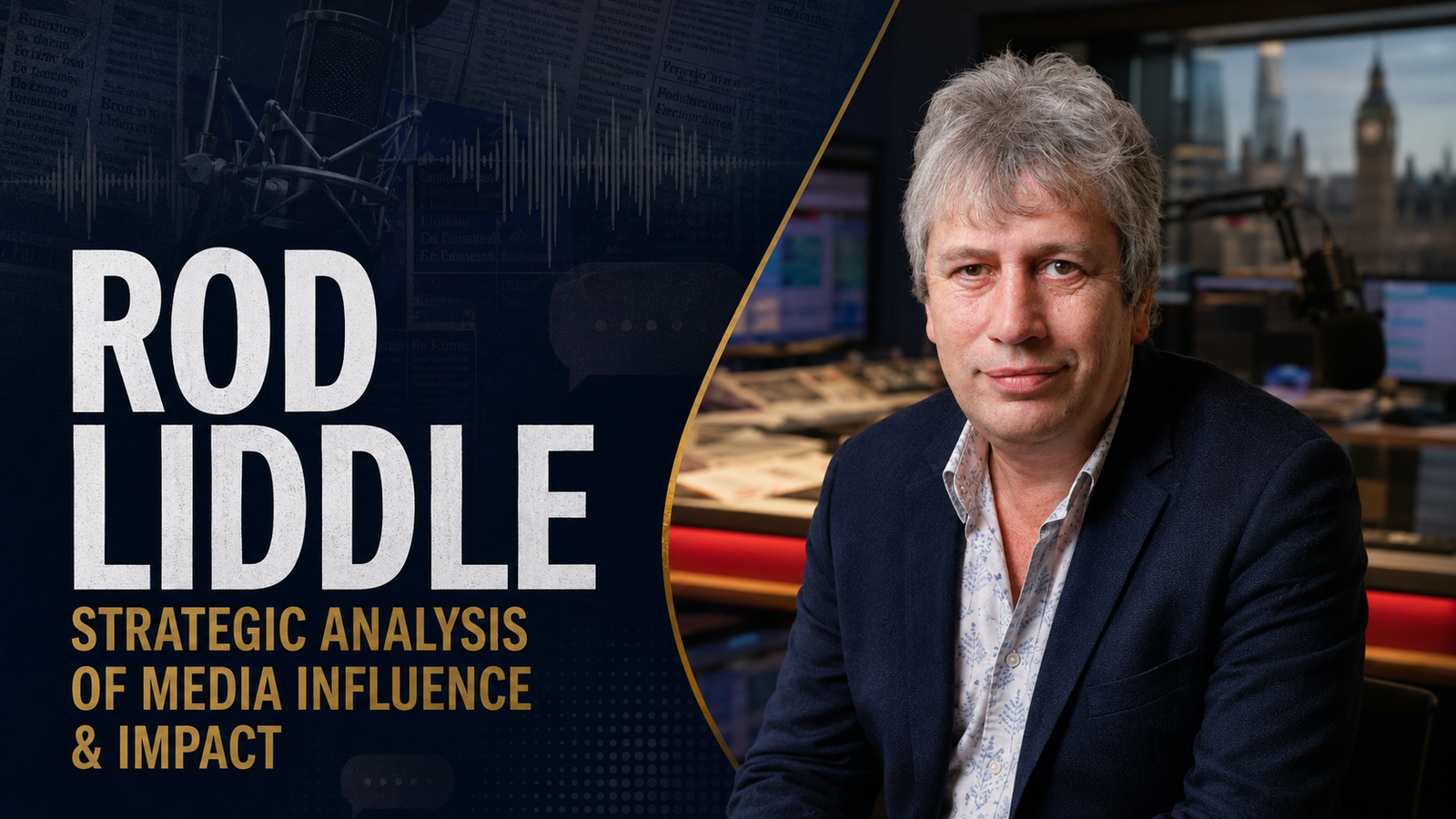
💡 Rod Liddle: Strategic Analysis of Media Influence and Impact
An authoritative analysis of Rod Liddle's career trajectory, his influence on British journalism, and the strategic evolution of opinion-based media.
Executive Summary
Rod Liddle remains one of the most recognizable and polarizing figures in British journalism. This analysis examines his transition from the institutional core of the BBC to a leading voice in the independent, right-leaning press. Key findings indicate that Liddle’s career serves as a case study for the shift in media consumption from objective reporting to personality-driven commentary. Data from the Audit Bureau of Circulations (ABC) shows that during Liddle’s tenure as a primary columnist, publications like The Spectator have seen consistent growth, reaching a record circulation of over 100,000 in recent years. This strategic analysis highlights how Liddle leverages controversy to drive engagement in an increasingly fragmented media market.
Introduction
In the landscape of modern British media, few names evoke as much immediate reaction as Rod Liddle. As a former editor of the BBC Radio 4 Today program and a long-standing columnist for The Sunday Times and The Spectator, Liddle has navigated the highest echelons of both public service broadcasting and private sector commentary. His career represents a significant pivot point in how the British public consumes news and opinion. To understand Liddle is to understand the broader shift toward the culture war narrative that dominates contemporary discourse. This analysis provides an objective look at his professional evolution, the economic impact of his brand, and his role in shaping the modern media ecosystem.
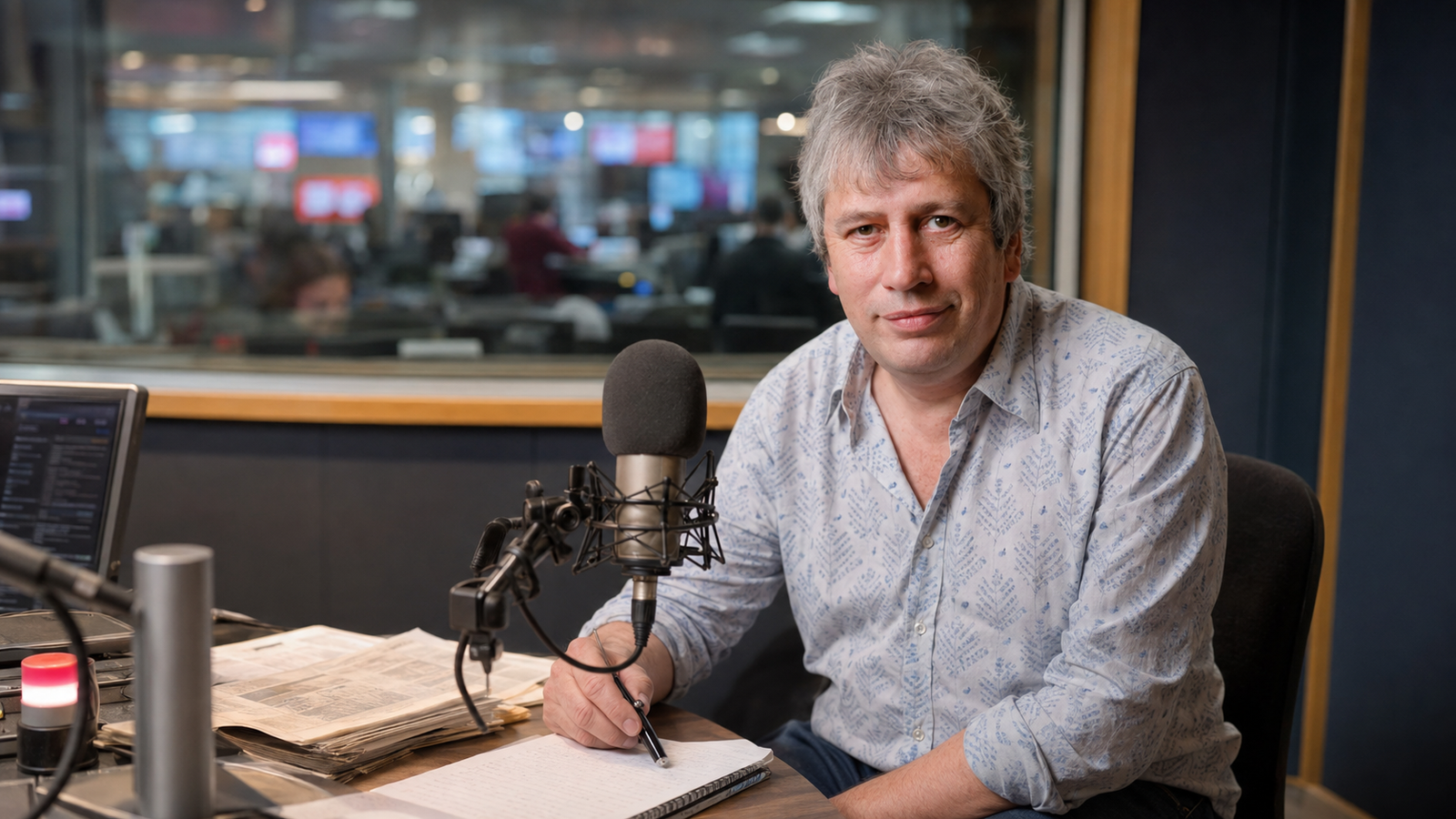
The Deep Dive: A Strategic Career Analysis
The BBC Foundation and the Today Program
Rod Liddle’s professional journey reached a critical juncture in the late 1990s when he was appointed editor of the BBC Radio 4 Today program. At the time, the program was the flagship of British political journalism, reaching an audience of approximately six million listeners daily. Liddle was credited with injecting a more aggressive, confrontational style into the program’s interviewing techniques. However, his departure in 2002 followed a controversy regarding an article he wrote for The Guardian, which was perceived as a breach of the BBC’s strict impartiality rules. This event marked the beginning of his transition from an arbiter of objective news to a subjective commentator.
The Spectator and the Rise of Opinion Journalism
Following his exit from the BBC, Liddle found a permanent home at The Spectator. Under the editorial guidance of figures like Boris Johnson and later Fraser Nelson, Liddle became a central pillar of the magazine’s identity. From a strategic perspective, Liddle’s writing style, characterized by sharp wit and often provocative stances on social issues, aligned perfectly with the magazine’s growth strategy. According to industry data, The Spectator’s print and digital sales grew significantly during this period, often outperforming its competitors in the weekly current affairs segment. This growth illustrates the high demand for contrarian viewpoints in an era where many readers feel alienated by mainstream academic or corporate narratives. This shift is part of a larger trend explored in our Modern Professor: Strategic Analysis of Academic Evolution, where traditional intellectual authorities are being challenged by independent voices.
The Economics of Provocation
From a business standpoint, Rod Liddle is a high-value asset. In the digital age, engagement is the primary currency. Liddle’s columns frequently generate thousands of comments and are widely shared across social media platforms. While his views often attract criticism, this very friction serves to increase the visibility of the host publication. This model of journalism relies on the strategic use of identity politics and social commentary to maintain a loyal subscriber base. For instance, The Sunday Times, where Liddle also maintains a column, remains the UK’s best-selling quality Sunday newspaper, with a circulation that has historically hovered around 650,000 to 700,000 copies. Liddle’s presence is a key component of the newspaper’s appeal to a specific demographic that values traditionalist or skeptical viewpoints.

Media Polarization and Public Trust
The 2023 Reuters Institute Digital News Report highlights a concerning trend: trust in news has fallen by 2 percentage points in the last year, and interest in news is declining globally. However, opinion-led journalism, like that practiced by Liddle, often retains a more dedicated following than generic news aggregators. Liddle’s approach capitalizes on the polarization of the electorate. By positioning himself as an outsider fighting against a perceived liberal consensus, he builds a high-trust relationship with a specific segment of the audience. This reflects a broader industry shift where media outlets are moving away from broad-based appeal toward niche, highly engaged communities. This trend is also evident in other sectors, as seen in the August Strategic Analysis: Economic Trends and Industry Shifts, which notes how consumer loyalty is increasingly driven by brand identity rather than just product quality.
What This Means For You
For the average consumer of media, the career of Rod Liddle offers several important lessons. First, it highlights the importance of media literacy. Understanding the difference between reporting and opinion is crucial in navigating the modern information landscape. Second, it demonstrates the power of personal branding. Liddle has successfully turned himself into a recognizable brand that transcends any single publication. Finally, for professionals in communications and marketing, Liddle’s success shows that taking a firm, even controversial, stance can be a more effective engagement strategy than attempting to please everyone. In a crowded marketplace, being distinctive is often more valuable than being universally liked.
Expert Verdict / Future Outlook
The future of opinion journalism looks increasingly robust. As traditional news organizations struggle with falling advertising revenues, the subscription-based model used by magazines like The Spectator provides a sustainable path forward. Rod Liddle is likely to remain a central figure in this space for the foreseeable future. However, the rise of digital-native platforms and independent newsletters (such as Substack) may eventually challenge the dominance of traditional print columnists. The strategic challenge for Liddle and his peers will be to maintain their relevance as the audience shifts from older, print-oriented demographics to younger, digitally-native ones. The dominance of such media figures is comparable to the long-term influence of major cultural phenomena, as discussed in our Game of Thrones: Strategic Analysis of Media Dominance.

FAQ
- Who is Rod Liddle? Rod Liddle is a prominent British journalist, former editor of the BBC Today program, and current columnist for The Spectator and The Sunday Times.
- Why is Rod Liddle controversial? He is known for his provocative views on social and political issues, often challenging modern liberal consensus and political correctness.
- What was Rod Liddle’s role at the BBC? He served as the editor of the Today program on Radio 4, where he was known for making the program more hard-hitting and confrontational.
- How has Rod Liddle influenced British media? He has been a key figure in the shift toward personality-driven, opinionated journalism that prioritizes engagement and cultural commentary.
- What is the circulation of the publications Liddle writes for? The Spectator has a circulation of over 100,000, while The Sunday Times remains one of the UK’s leading quality newspapers with hundreds of thousands of readers.
Conclusion
Rod Liddle’s career is a testament to the enduring power of the written word and the strategic value of a strong editorial voice. By successfully navigating the transition from public service broadcasting to the competitive world of opinion journalism, he has maintained a level of influence that few of his contemporaries can match. Whether one agrees with his viewpoints or not, his impact on the British media landscape is undeniable. As the industry continues to evolve, the lessons from Liddle’s career regarding engagement, branding, and the business of opinion will remain highly relevant for journalists and media strategists alike.





Comments 0
Leave a Reply
Your email address will not be published. Required fields are marked *
Be the first to share your thoughts!