
💡 Russia Geopolitics: Strategic Analysis of Global Power
A comprehensive analysis of Russia's geopolitical strategy, energy sovereignty, and the shift toward Asian markets in the current global climate.
Executive Summary
Russia remains a major force in global geopolitics, supported by its vast territory, energy resources, and strategic military capabilities. Despite extensive Western sanctions, the Russian economy grew by approximately 3.6 percent in 2023, according to IMF estimates. This resilience was supported by Russia's growing economic ties with Asian markets, particularly China and India. Russia-China trade exceeded $240 billion in 2023, while the Northern Sea Route continues to develop as an alternative shipping corridor between Asia and Europe. This analysis examines the key economic, energy, and geopolitical factors sustaining Russia's global influence.
Introduction: The Geographic Imperative
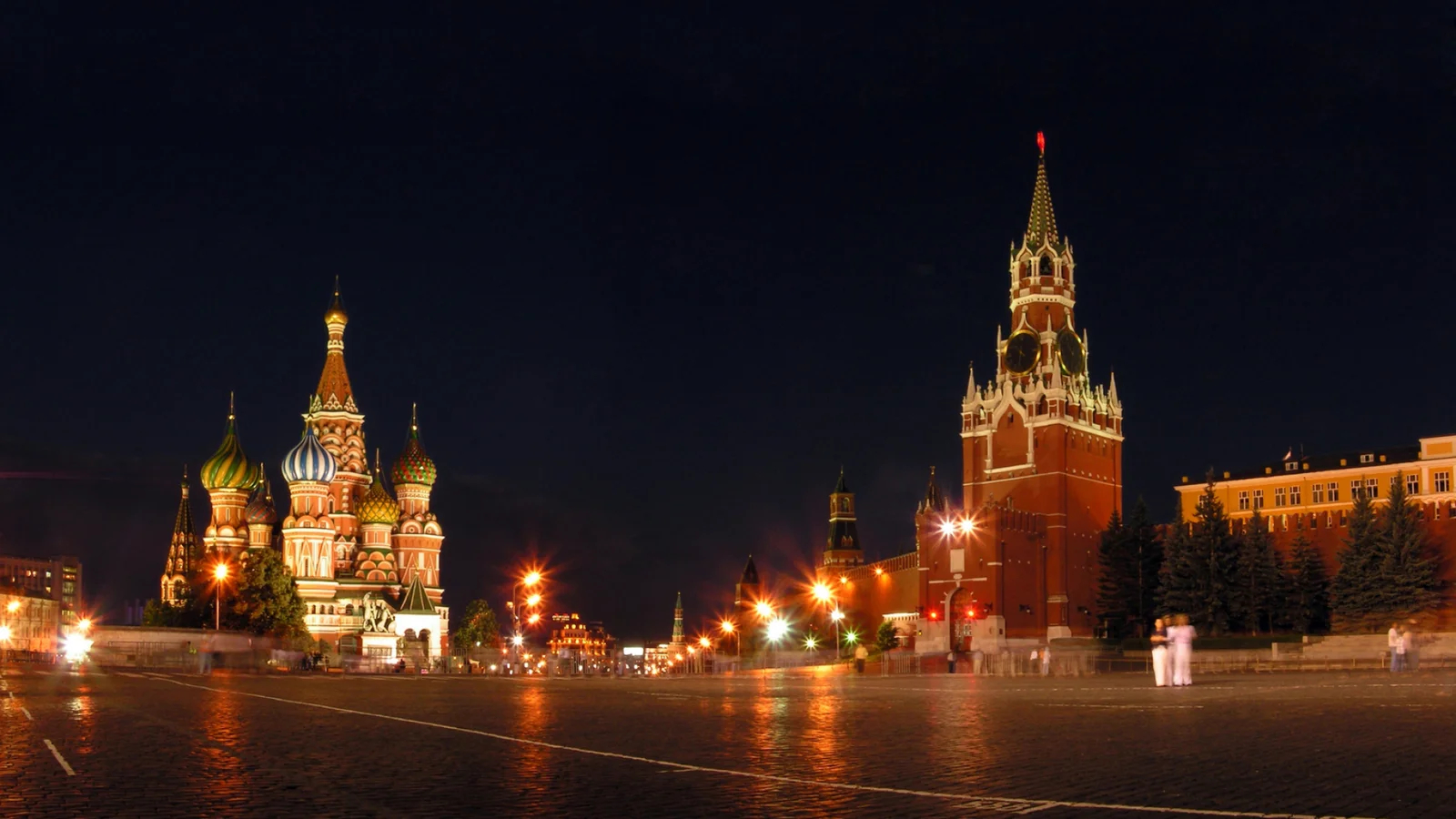
Russia's geopolitical strategy is deeply influenced by its geography. Spanning eleven time zones and sharing borders with fourteen countries, Russia occupies a unique position between Europe and Asia. Historically, Russian leaders have emphasized strategic depth and the importance of maintaining security around the country's borders. In the current geopolitical environment, this has contributed to Russia's focus on regional influence and a more multipolar international order.
The shift away from a Euro-centric economic model accelerated after 2022, leading to major changes in Russia's trade routes and diplomatic relationships. This transition has strengthened Russia's economic and strategic focus on Asian markets while reshaping its role in the global system.
The Deep Dive: Energy, Trade, and Military Strategy
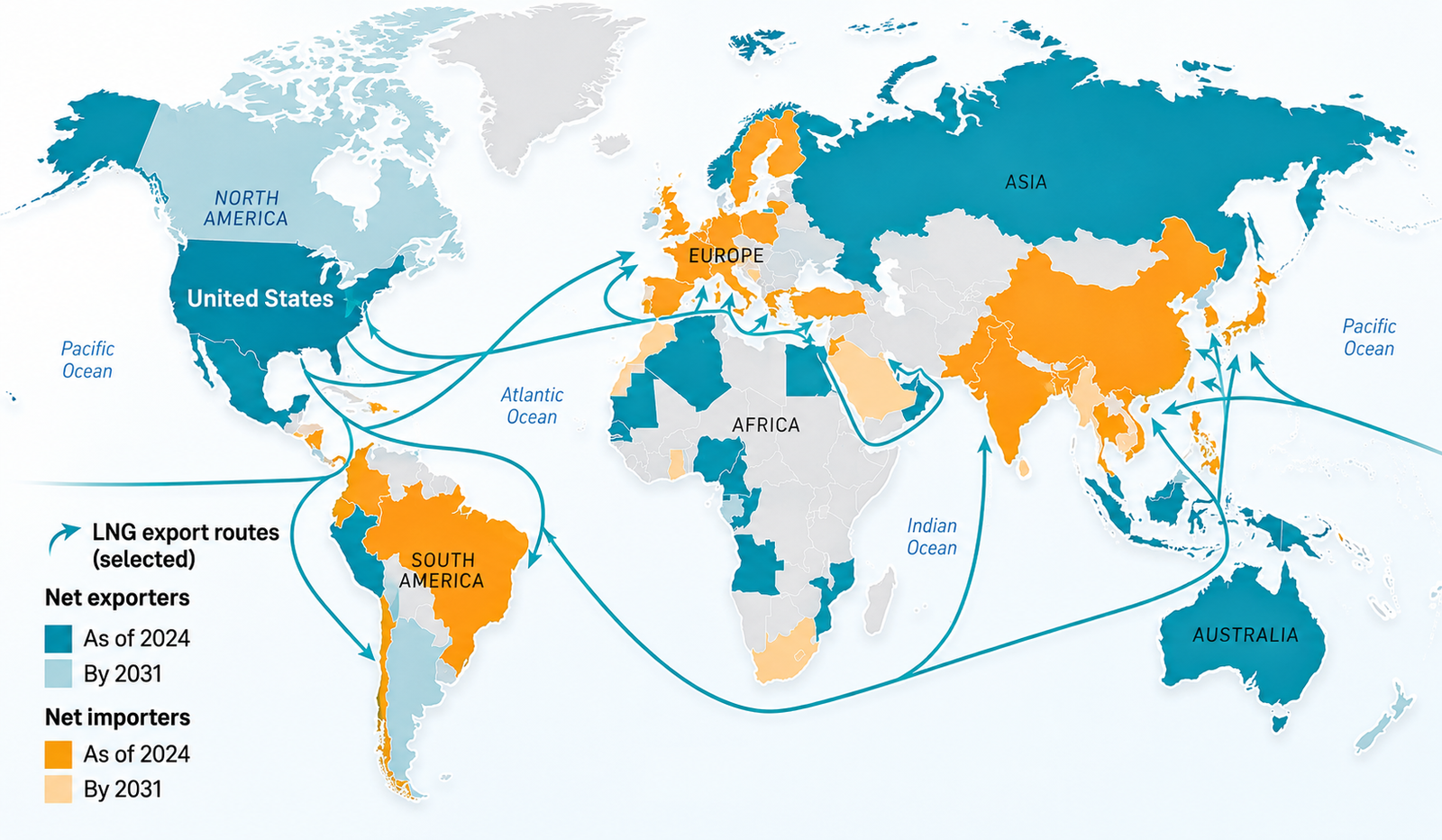
Russia's global influence is strongly connected to its role as a major energy producer. It remains one of the world's largest oil producers, alongside the United States and Saudi Arabia. Energy exports provide significant economic revenues and remain an important element of Russia's international strategy.
1. The Asian Pivot and Trade Diversification
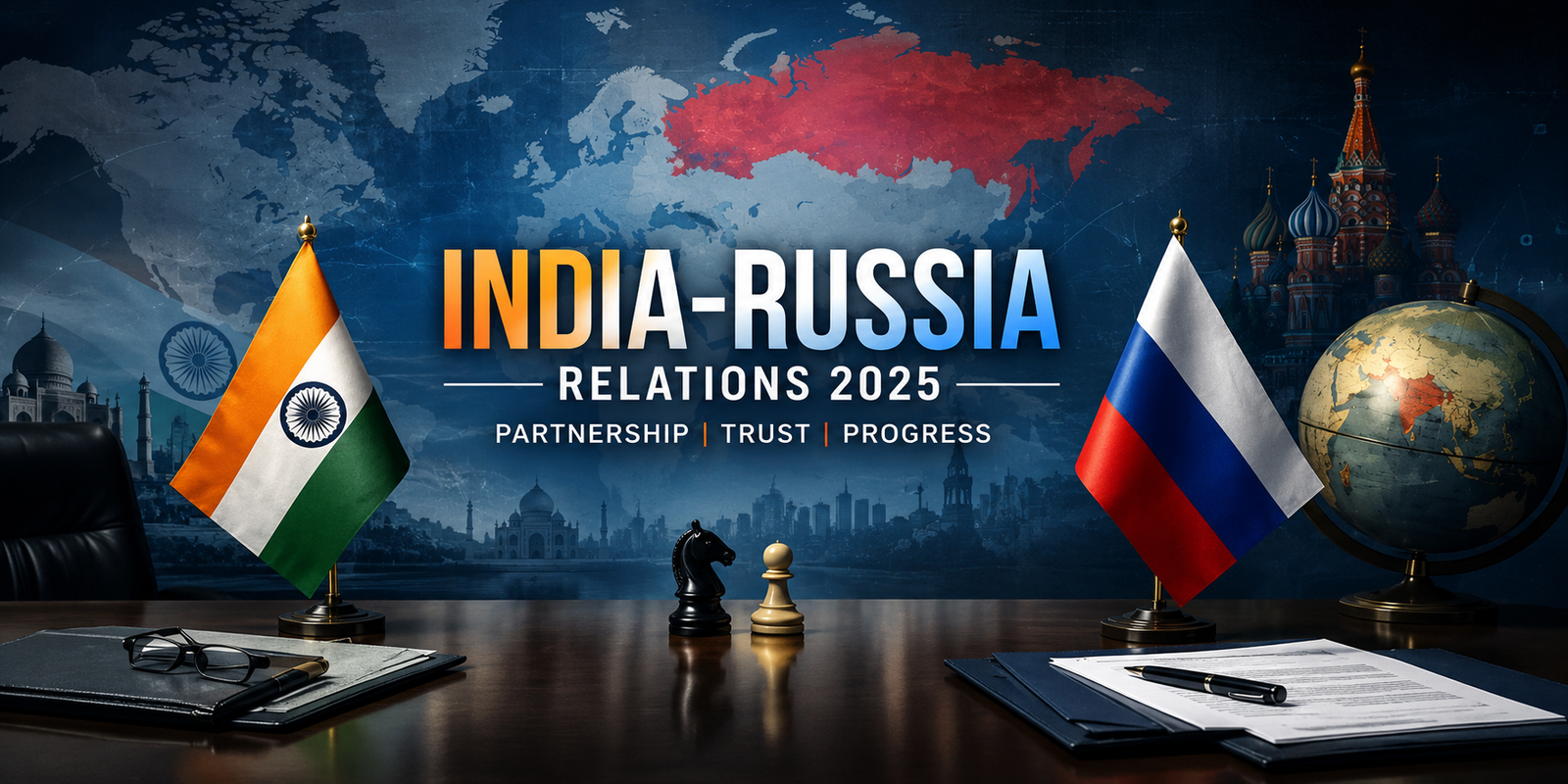
One of the most significant changes in Russian geopolitics has been its pivot toward Asia. Trade with China has reached historic levels, with energy exports forming a major part of bilateral trade. In 2023, Russia became China's largest crude oil supplier, surpassing Saudi Arabia. The relationship has also expanded into broader economic and strategic cooperation.
India has emerged as another important partner. Discounted Russian crude significantly increased Russia's share of India's oil imports, reaching roughly 39 percent in 2023. The expansion of alternative shipping, financial, and trading arrangements has helped Russia maintain energy exports despite Western sanctions and the G7 price-cap framework.
2. The Arctic Frontier and the Northern Sea Route
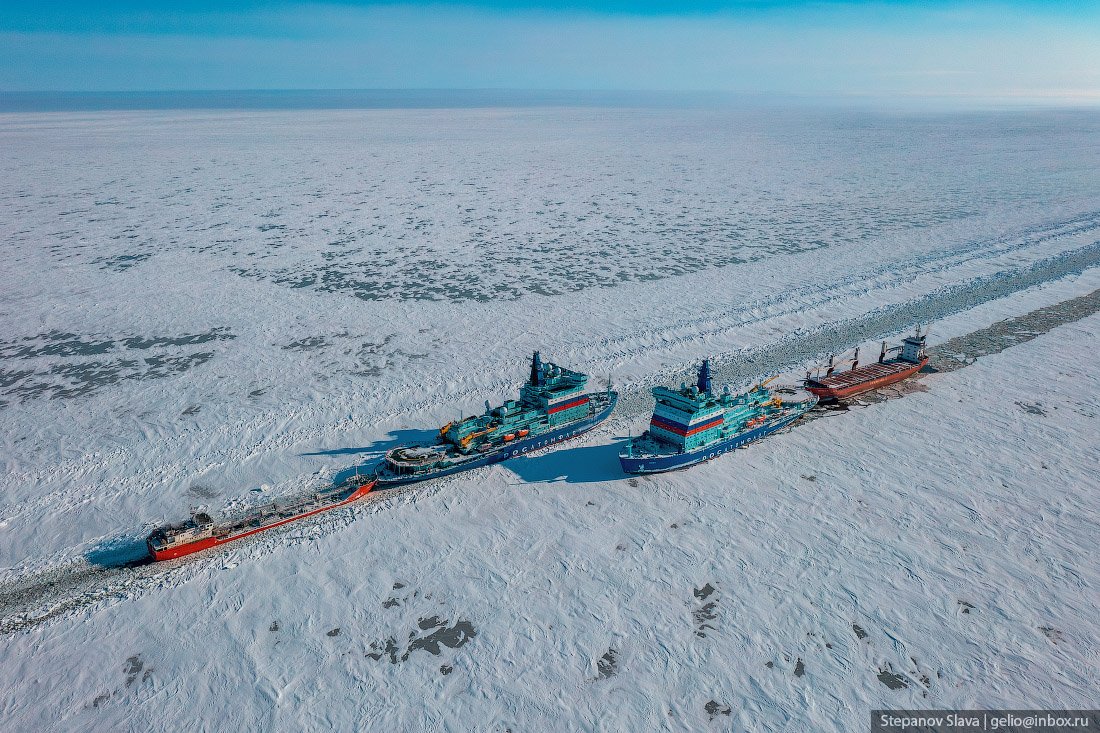
Melting Arctic sea ice has created new opportunities for shipping and resource development. Russia is investing heavily in the Northern Sea Route (NSR), which runs along its Arctic coast and provides an alternative maritime corridor between Asia and Europe. The route can be significantly shorter than the traditional Suez Canal route for certain Europe–Asia journeys. In 2023, cargo traffic on the NSR reached approximately 36 million tonnes, while Russia had set a longer-term target of 80 million tonnes. The route is both an economic asset and a strategic area, supporting Russia's Arctic security and military interests.
3. Military Modernization and Regional Security
Russia has maintained high levels of defense spending, with military expenditure reaching approximately 7.1 percent of GDP in 2024. This investment focuses on nuclear modernization, missile technology, and electronic warfare. Russia also maintains a significant military presence in Central Asia and the Caucasus. Through organizations such as the Collective Security Treaty Organization (CSTO), Russia continues to play an important security role among several former Soviet republics.
4. The BRICS+ Expansion
The expansion of the BRICS bloc in 2024 brought Iran, Egypt, Ethiopia, and the UAE into the group, alongside Saudi Arabia's inclusion in the expanded framework. The expansion strengthened Russia's engagement with emerging economies and provided a broader platform for promoting greater use of national currencies in international trade. The expanded BRICS members collectively account for more than 40 percent of global crude oil production and a significant share of the world's population.
What This Means For You
The changing geopolitical landscape involving Russia has direct implications for businesses and consumers worldwide.
-
Energy Prices: Changes in Russian oil and gas flows can influence global energy prices and supply chains.
-
Investment Strategies: Sanctions and restrictions on Russian markets have increased the importance of alternative financial and investment hubs in Asia and the Middle East.
-
Global Security: Rising military activity in Eastern Europe and the Arctic can influence defense spending and national security policies.
-
Supply Chain Resilience: Businesses are increasingly diversifying suppliers and adopting near-shoring and friend-shoring strategies to reduce geopolitical risks.
Expert Verdict and Future Outlook
Russia's strategy of economic diversification and adaptation is likely to continue as it adjusts to long-term sanctions and changing global trade patterns. The IMF's 3.2 percent growth forecast for Russia in 2024 reflected expectations at that time, rather than its eventual economic performance. Long-term challenges remain, including demographic pressures and the need to strengthen technological capabilities in areas such as semiconductors and aviation. Russia's future geopolitical position will depend partly on its relationship with China, economic resilience, and its ability to manage sustained external pressure.
FAQ
How have sanctions affected the Russian economy?
Sanctions have restricted Russia's access to Western technology, finance, and markets, while encouraging greater domestic production and trade with non-Western countries. The economy has continued to grow, although inflation, labor shortages, and technology restrictions remain important challenges.
What is the significance of the Northern Sea Route?
The Northern Sea Route is an Arctic shipping corridor along Russia's northern coast. For some Asia-Europe routes, it can provide a shorter alternative to the traditional Suez Canal route while remaining subject to Russia's extensive regulatory authority.
Why is the Russia-China relationship so important?
China provides a major market for Russian energy exports and an important source of manufactured goods and technology. Both countries also support a more multipolar international system and greater use of national currencies in bilateral trade.
What role does the Arctic play in Russia's military strategy?
The Arctic is strategically important to Russia because it hosts key elements of its sea-based nuclear deterrent and military infrastructure. Russia has invested in bases, radar systems, air defenses, and other capabilities to strengthen its presence in the region.
Is Russia still a major player in global energy?
Yes. Russia remains one of the world's largest producers and exporters of oil and natural gas. Its energy exports continue to influence global markets despite sanctions and efforts by many countries to diversify their energy supplies.
Conclusion
Russia's geopolitical strategy combines its geographic position, natural resources, military capabilities, and growing economic ties with Asian markets. By adapting its trade and diplomatic relationships, Russia has maintained significant influence despite increased international pressure. For businesses and policymakers, the key takeaway is that global power is becoming more fragmented, with regional partnerships, energy security, and economic diversification playing increasingly important roles.





Comments 0
Leave a Reply
Your email address will not be published. Required fields are marked *
Be the first to share your thoughts!