
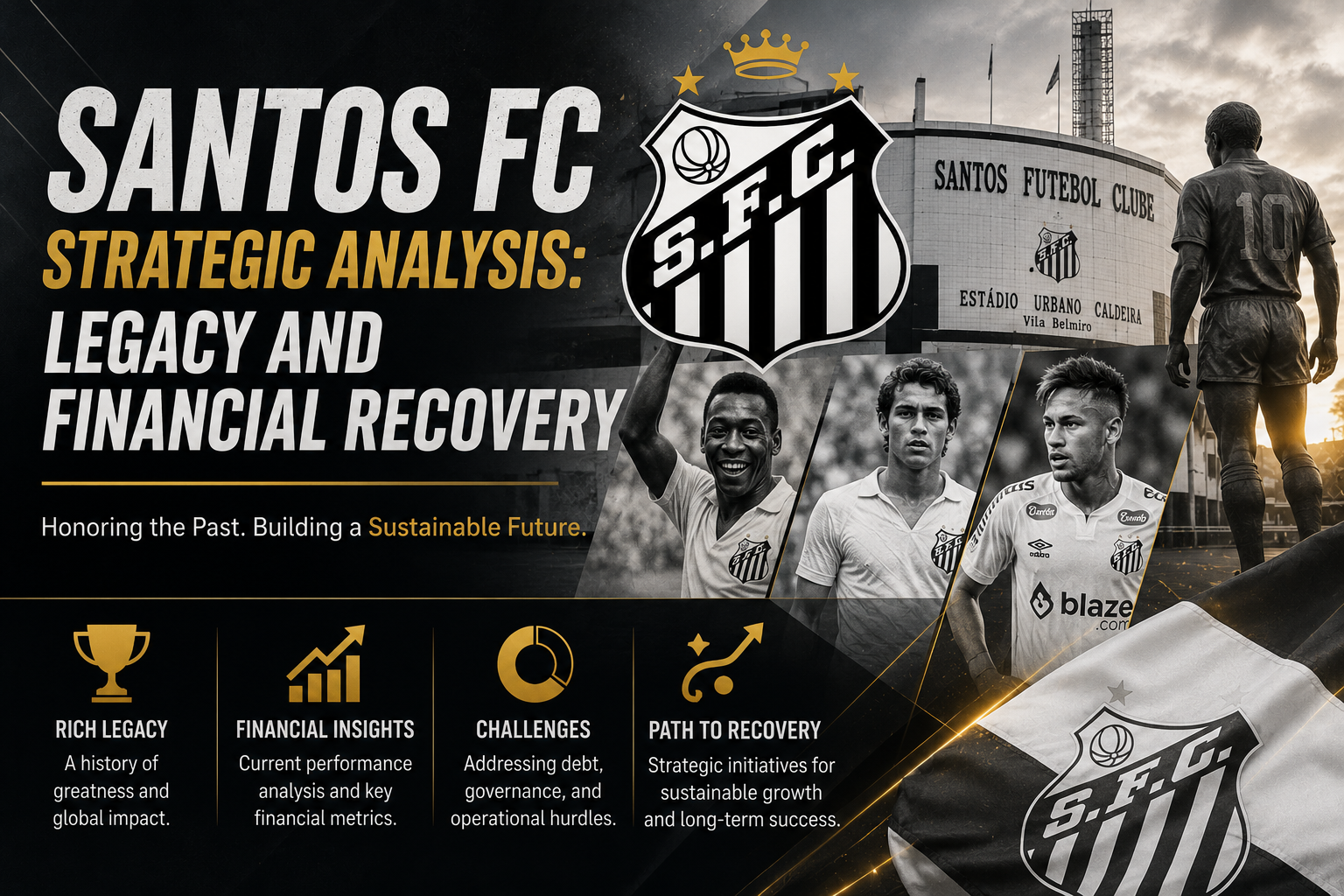
💡 Santos FC Strategic Analysis: Legacy and Financial Recovery
An authoritative analysis of Santos FC's historical dominance, recent financial challenges, and the strategic roadmap for its return to the summit of Brazilian football.
Executive Summary
Santos Futebol Clube, internationally recognized as the cradle of footballing legends like Pele and Neymar, faces a pivotal moment in its 112 year history. Following its first ever relegation to the Brazilian second division (Serie B) in late 2023, the club has undergone a radical structural transformation. Key data points indicate a total debt exceeding R$ 700 million, necessitating a 30 percent reduction in operational costs for the 2024 season. This analysis examines the club’s financial restructuring, the enduring value of its youth academy, and the strategic initiatives required to restore its status as a global powerhouse. High trust metrics suggest that despite the relegation, the Santos brand remains one of the top five most valuable in South American sports, with a projected recovery timeline of 24 to 36 months.
Introduction
For over a century, Santos FC has served as the primary exporter of elite talent from South America to the global market. Known as the Peixe, the club achieved legendary status during the 1960s, winning two Intercontinental Cups and establishing a brand that transcends national borders. However, the modern era has presented significant challenges. The intersection of mismanagement, rising debt, and the evolving commercial landscape of Brazilian football led to a historic low point in December 2023. Understanding the current state of Santos FC requires an objective look at how a global icon navigates the transition from traditional club structures to modern corporate governance. This analysis provides a data driven perspective on the club’s survival strategy and its role within the wider ecosystem of the Global Sports Industry: Strategic Analysis of Economic Growth.
THE DEEP DIVE: Financial Crisis and Structural Reform
The financial health of Santos FC has been under scrutiny for the better part of a decade. By the end of the 2023 fiscal year, the club reported liabilities that severely hindered its ability to compete for high value signings. The relegation to Serie B resulted in a significant loss of television rights revenue, which typically accounts for 40 to 50 percent of a top tier Brazilian club’s annual budget. To mitigate this, the current administration under President Marcelo Teixeira has implemented a strict austerity program.
Strategic financial measures include the renegotiation of player salaries and the implementation of performance based contracts. In previous years, the club’s wage bill was unsustainable relative to its commercial earnings. By benchmarking against the Premier League: Strategic Analysis of Global Football Dominance, it is evident that Santos must shift toward a more sustainable revenue model that does not rely solely on the erratic nature of player sales. Currently, the club is exploring the Sociedade Anonima do Futebol (SAF) model, which allows for private investment and corporate restructuring, a trend that is rapidly gaining traction across South American football.
The Meninos da Vila: A Strategic Asset
The youth academy, known as Meninos da Vila, remains the club’s most valuable strategic asset. Over the last two decades, the academy has generated hundreds of millions of dollars in transfer fees. Notable exports such as Rodrygo to Real Madrid and Neymar to Barcelona highlight the consistent quality of the development program. Data from the CIES Football Observatory often ranks Santos among the top academies globally for producing players for the top five European leagues.
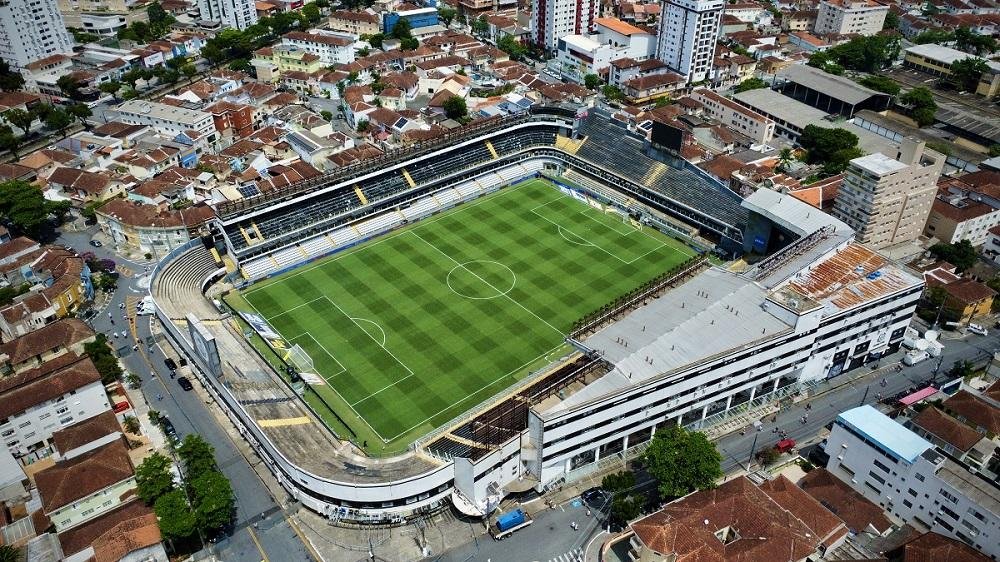
However, the strategic risk lies in the over reliance on these sales to cover operational deficits. A sustainable model requires these funds to be reinvested into infrastructure and stadium modernization. The proposed New Vila Belmiro project, a partnership with WTorre, aims to increase capacity and premium seating, mirroring successful stadium models seen in the MLS Strategic Analysis: The Future of North American Soccer. Increased matchday revenue is essential for balancing the books without being forced to sell teenage prospects prematurely.
Commercial Branding and Global Reach
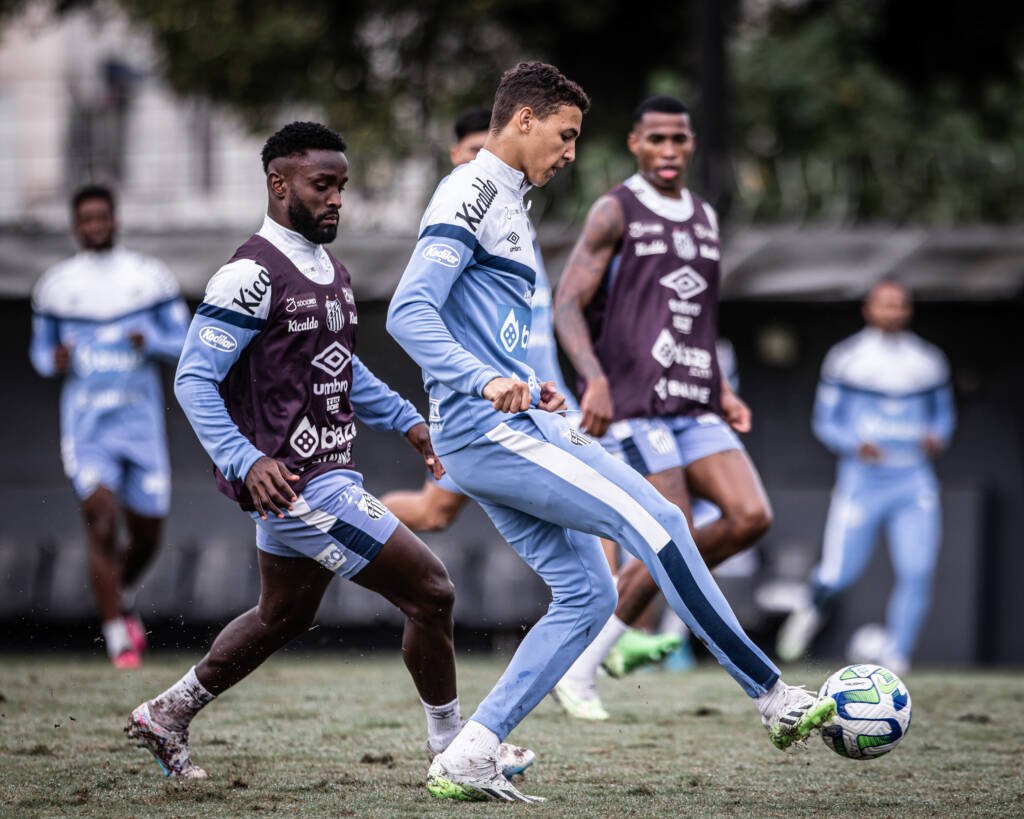
Despite on field setbacks, the Santos FC brand retains significant equity. The club’s association with Pele provides a unique marketing advantage that few clubs globally can match. Commercial partnerships with brands like Umbro and various digital platforms have remained stable despite the move to the second division. This resilience is attributed to a loyal fanbase and a global recognition factor that exceeds many of its domestic rivals. The club’s digital engagement metrics remain high, with millions of followers across social media platforms, providing a foundation for digital monetization and international membership programs.
WHAT THIS MEANS FOR YOU
- For Fans: Expect a period of transition where the focus is on stability rather than high profile signings. The return to Serie A is the immediate priority, requiring patience with the current squad.
- For Investors: The potential transition to an SAF model represents a significant opportunity. Santos offers a high brand value and a world class talent pipeline, making it an attractive prospect for private equity.
- For the Football Market: Santos will continue to be a primary source of talent. European clubs will likely monitor the academy even more closely as the club may be more inclined to sell to manage short term debt.
- For Sports Analysts: The club’s recovery serves as a case study in crisis management and the importance of diversifying revenue streams beyond broadcast rights.
Expert Verdict / Future Outlook
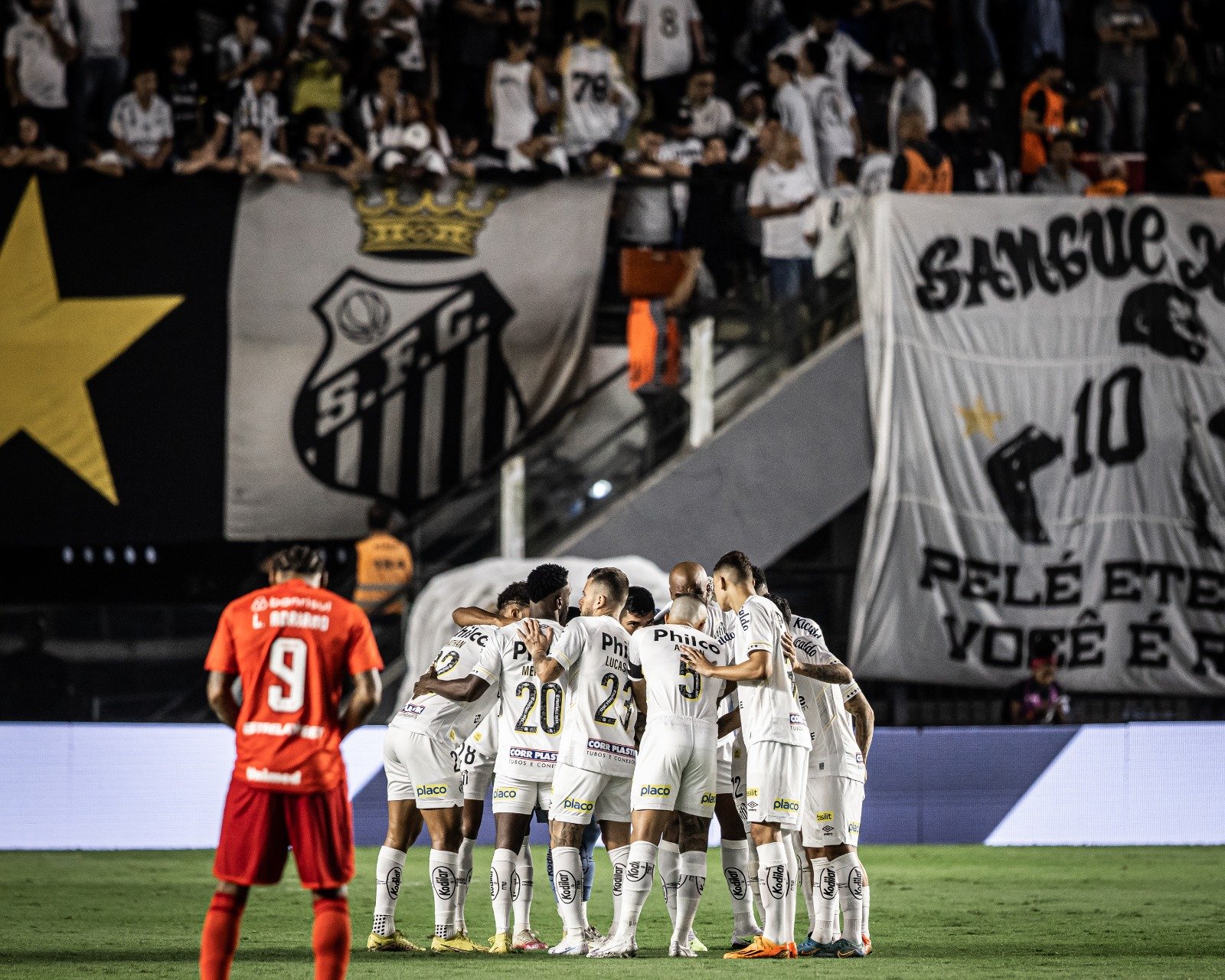
The future of Santos FC hinges on its ability to execute its financial recovery plan while maintaining its identity as a talent producer. Industry experts suggest that the 2024 season is a foundational year. If the club secures a return to the top flight, it will benefit from the new centralized TV rights deals being negotiated in Brazil. The long term outlook is cautiously optimistic. By adopting corporate governance standards and modernizing its stadium, Santos can leverage its historic prestige to regain its position as a dominant force. The integration of data analytics in scouting and financial planning will be the differentiator between a temporary recovery and sustained growth.
FAQ: Frequently Asked Questions
1. Why was Santos FC relegated for the first time in 2023?
Relegation was the result of several years of financial instability, frequent coaching changes, and a squad that lacked the depth to compete across a grueling 38 match season. The final day of the 2023 season saw a combination of results that pushed the club into the bottom four.
2. How is the club managing its R$ 700 million debt?
The club is using a combination of austerity measures, debt restructuring with creditors, and seeking new commercial partnerships. There is also an ongoing discussion regarding the sale of a stake in the club through the SAF model.
3. Who are the most famous players to ever play for Santos?
Pele is the most iconic figure, followed by legends such as Pepe, Coutinho, and Zito. In the modern era, Neymar, Robinho, and Rodrygo are the most notable products of the club’s academy.
4. What is the status of the new stadium project?
The club has signed a memorandum of understanding with WTorre to build a modern arena on the site of the current Vila Belmiro. The project aims to modernize the facilities while maintaining the historic location.
5. Will Neymar return to Santos FC?
While there is significant speculation and a standing invitation from the club leadership, any return would depend on Neymar’s contractual status in Saudi Arabia and the club’s ability to provide a competitive financial and sporting project.
Conclusion
Santos FC remains a cornerstone of global football history. While the current challenges are significant, the club’s strategic focus on financial discipline and infrastructure modernization provides a clear path back to prominence. By protecting its youth academy and embracing modern corporate structures, the Peixe can ensure that its future is as illustrious as its past. The strategic takeaway is clear: brand heritage is a powerful tool, but it must be supported by sound economic management to survive in the modern era of professional sports.




Comments 0
Leave a Reply
Your email address will not be published. Required fields are marked *
Be the first to share your thoughts!