
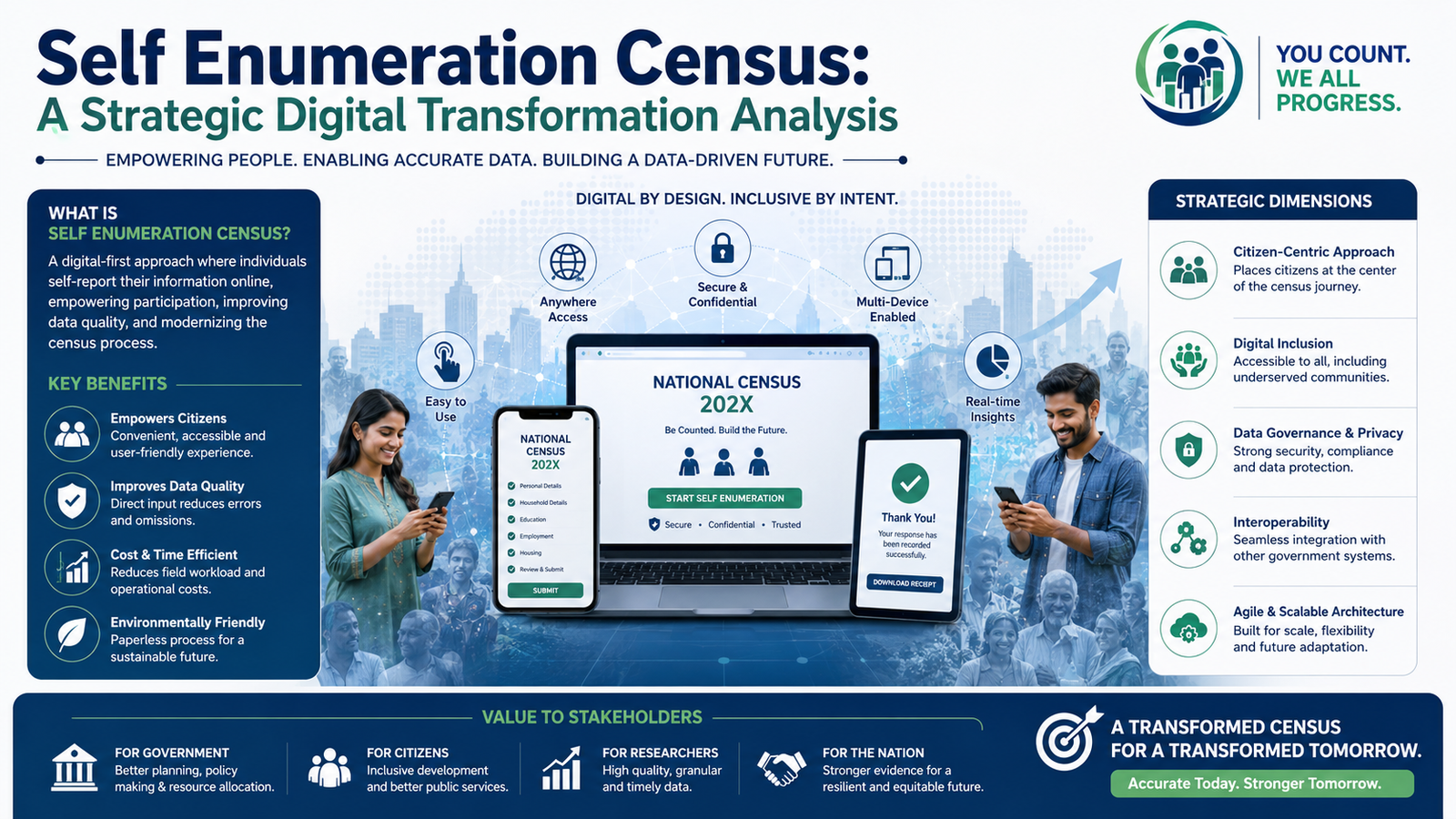
💡 Self Enumeration Census: A Strategic Digital Transformation Analysis
A comprehensive analysis of self-enumeration census methodologies, examining cost-efficiency, data accuracy, and the global shift toward digital-first population counting.
Executive Summary
The transition toward self-enumeration represents the most significant shift in demographic data collection since the inception of the modern census. By allowing residents to report their own data via online portals, mail, or telephone, national statistical agencies have fundamentally altered the economics of public administration. Key findings indicate that self-enumeration can reduce operational costs by up to 40 percent compared to traditional door-to-door methods. In the 2020 United States Census, the self-response rate reached 67 percent, providing a robust foundation for national resource allocation. This analysis examines the technical infrastructure, socioeconomic impact, and data integrity protocols that define modern self-enumeration strategies.
Introduction
National censuses are the bedrock of governance, determining everything from parliamentary seat allocation to the distribution of hundreds of billions in public funding. Historically, these efforts relied on an army of physical enumerators. However, the rise of digital infrastructure has ushered in the era of self-enumeration. This strategic shift is not merely a matter of convenience; it is a response to the increasing complexity of urban environments, rising labor costs, and the need for real-time data processing. As nations like Japan: Global Economic and Tech Strategic Analysis demonstrate, high-tech infrastructure is essential for maintaining accurate national records in a rapidly changing global landscape.
The Deep Dive: Mechanics of Self-Enumeration
The strategic implementation of self-enumeration relies on a three-pillar framework: accessibility, security, and verification. Statistical agencies prioritize a digital-first approach while maintaining analog fail-safes for marginalized populations.
1. Economic Efficiency and Resource Allocation
Traditional census methods are notoriously expensive. The 2020 US Census incurred a total cost of approximately 14.2 billion dollars. A significant portion of this budget was dedicated to Non-Response Follow-Up (NRFU) operations, where enumerators visit households that failed to self-respond. Data shows that every one percent increase in the self-response rate saves taxpayers approximately 55 million dollars in field costs. By incentivizing self-reporting, governments can redirect these funds toward critical infrastructure and services.
2. Data Accuracy and Quality Control
Critics often question the accuracy of self-reported data compared to interviewer-led sessions. However, industry reports suggest that self-enumeration reduces "interviewer bias," where the presence of a government official might influence a respondent's answers. Furthermore, digital platforms allow for real-time validation. For instance, if a respondent enters an impossible birth date or leaves a mandatory field blank, the system provides an immediate prompt. This leads to higher data cleanliness at the point of entry. In the context of Graduation: A Strategic Analysis of Education and Careers, such precise demographic data is vital for forecasting school enrollment and labor market needs.
3. The Role of Public Awareness and Media
The success of a self-enumeration campaign depends heavily on public trust and communication. Large-scale media campaigns are utilized to explain the safety and necessity of the census. In highly populated regions, news networks play a pivotal role in driving participation. For example, the influence of major broadcasters like Aaj Tak: A Strategic Analysis of India's News Dominance is critical when mobilizing millions of citizens for a national digital census. High trust in the reporting platform directly correlates with higher completion rates.
4. Technological Challenges and the Digital Divide
While digital self-enumeration is efficient, it risks excluding populations with limited internet access. Statistical agencies address this through a "hybrid" strategy. In the UK's 2021 Census, which was the first predominantly digital census in the country, 88.9 percent of households responded online. To bridge the gap, the Office for National Statistics (ONS) provided paper forms upon request and established physical support centers. This ensure that the convenience of technology does not compromise the inclusivity of the data.
What This Means For You
- Local Representation: Your participation in self-enumeration ensures your community receives its fair share of political representation and federal funding.
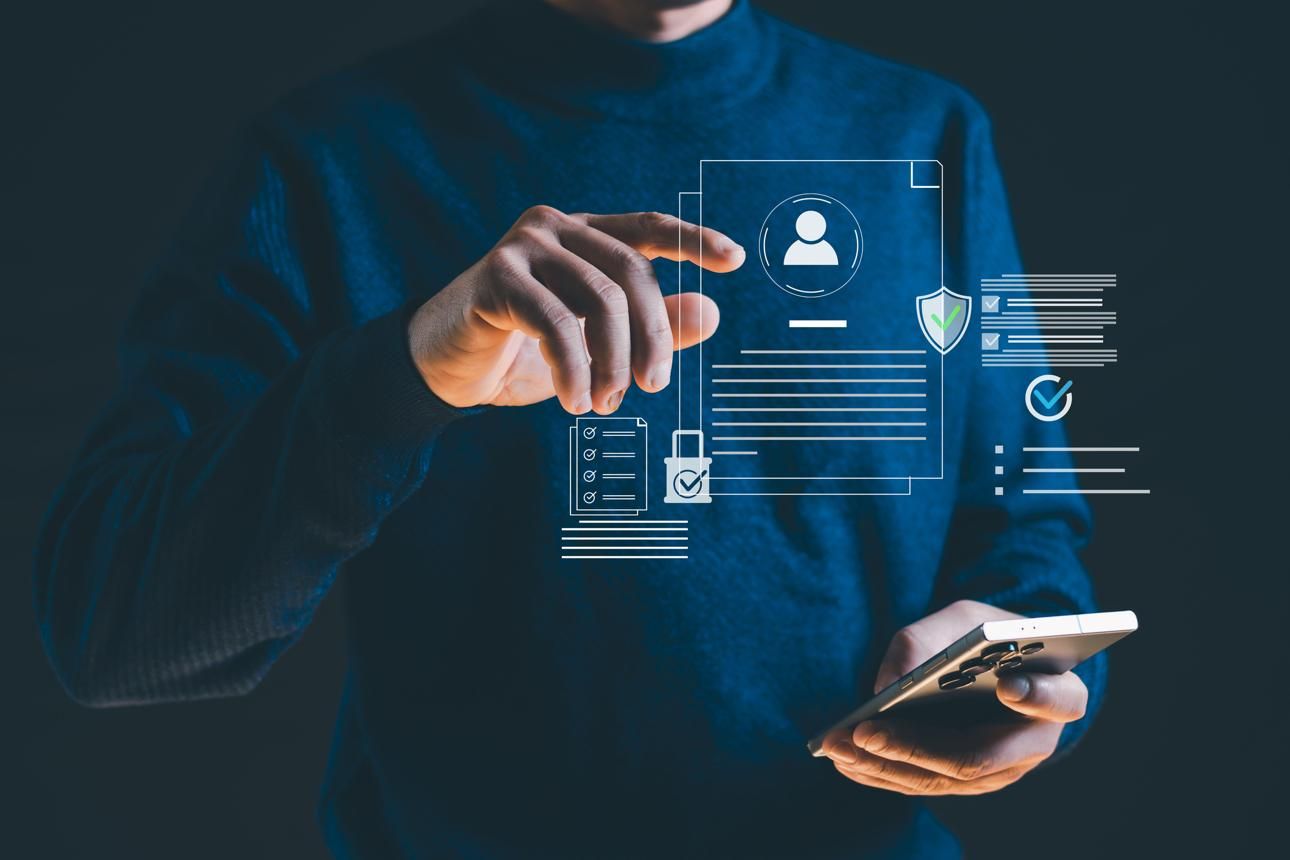
- Privacy Protections: Modern census platforms use advanced encryption (AES-256) to ensure that individual data is anonymized and protected by law for several decades.
- Civic Efficiency: Completing the census online takes an average of 10 minutes, significantly less time than an in-person interview.
- Resource Planning: Accurate self-reporting helps businesses and local governments decide where to build new hospitals, grocery stores, and emergency services.
Expert Verdict and Future Outlook
The future of the census is undoubtedly automated. We are moving toward a "register-based census" model, already used in several Nordic countries, where administrative records (tax, health, and housing data) are linked to minimize the need for direct questioning. However, for large and diverse nations, self-enumeration remains the gold standard for capturing the nuances of identity and household structure. Expert consensus suggests that the next decade will see the integration of Artificial Intelligence to predict non-response patterns, allowing agencies to deploy physical resources with surgical precision. The goal is a 100 percent participation rate with zero physical intervention.
Frequently Asked Questions
Is self-enumeration mandatory by law?
In most jurisdictions, including the United States and the United Kingdom, participating in the census is a legal requirement. Failure to complete the form can result in fines, though agencies typically prioritize encouragement and assistance over legal penalties.
How do I know the online census portal is legitimate?
Official census communications always use secure government domains (ending in .gov in the US or .gov.uk in the UK). Agencies will never ask for your Social Security number, bank account details, or political affiliations via email or text.
What if I make a mistake on my self-enumeration form?
Most digital systems allow you to review your answers before final submission. If a mistake is discovered after submission, you can often contact the census help desk to provide a correction, or the agency's data-cleaning algorithms will flag the inconsistency for review.
Does self-enumeration increase the risk of data breaches?
While no system is entirely immune to risk, census bureaus employ military-grade cybersecurity protocols. Data is encrypted during transmission and storage, and employees are sworn to lifetime secrecy regarding individual respondent information.
Why does the government need to know my race or ethnicity?
This data is used to monitor compliance with anti-discrimination laws, such as the Voting Rights Act. It also helps in identifying health disparities and ensuring that public health initiatives reach the communities that need them most.
Conclusion
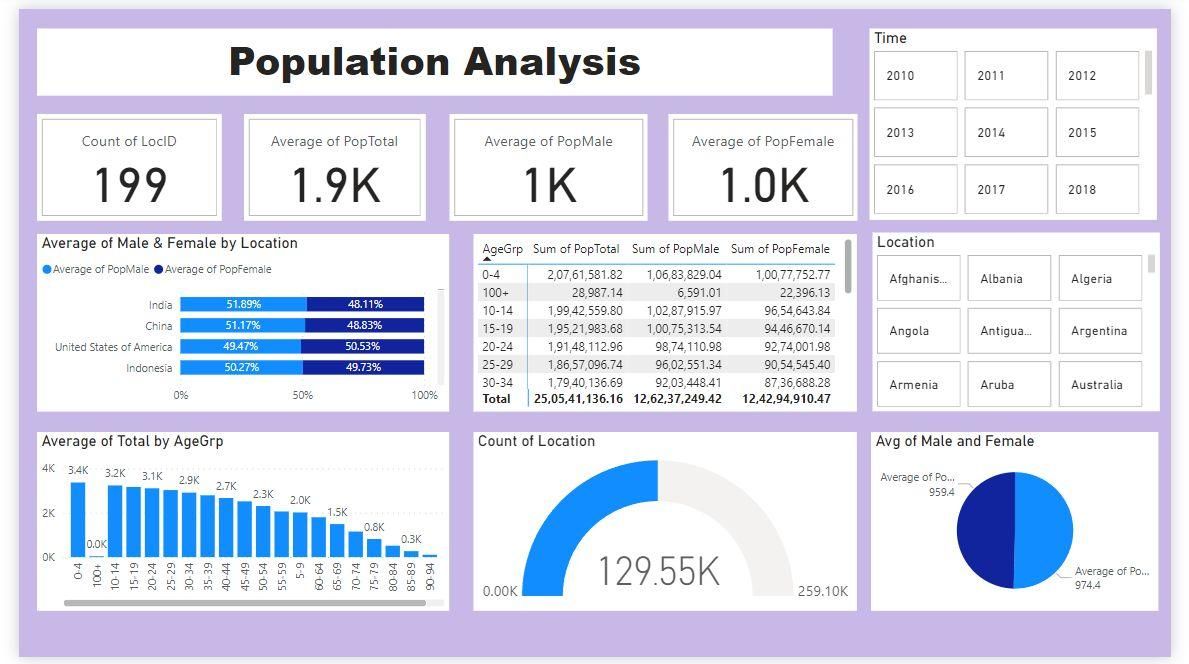
The strategic shift to a self-enumeration census is a landmark achievement in public administration. By leveraging digital platforms, nations have found a way to increase data quality while simultaneously reducing the fiscal burden on taxpayers. As global populations become more mobile and digitally connected, the ability of individuals to self-report their status will remain the most vital tool for accurate and inclusive governance. The success of these programs ultimately rests on the intersection of technological reliability and public trust.




Comments 0
Leave a Reply
Your email address will not be published. Required fields are marked *
Be the first to share your thoughts!