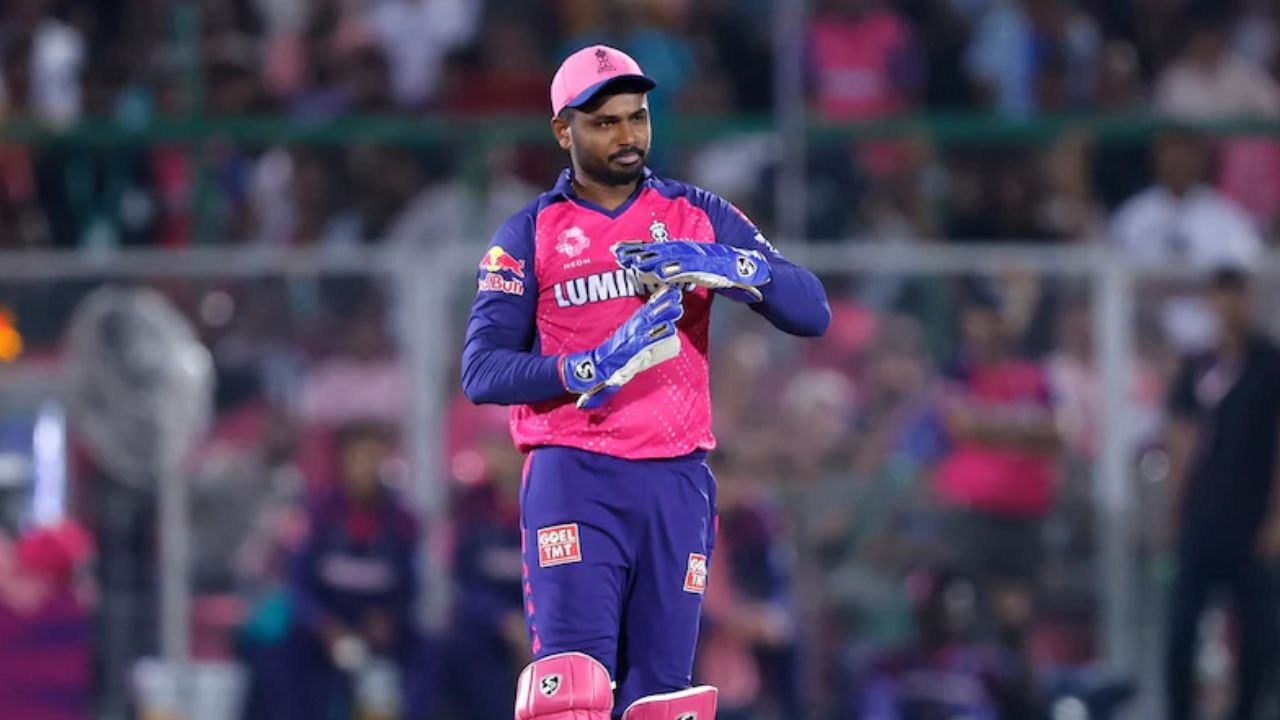
💡 Where is Shane warne?
Explore the legendary IPL journey of Shane Warne, the tactical genius who led Rajasthan Royals to a historic title without ever playing a T20 International match.
The First IPL Champion: A Masterclass in Leadership
When the Indian Premier League (IPL) was conceptualized in 2008, the cricketing world was skeptical about how the traditional formats would translate into this high-octane, three-hour entertainment package. Amidst the glitz, glamour, and massive player auctions, one name stood out not just for his legendary leg-spin, but for his unprecedented approach to leadership: Shane Warne. While many expected the star-studded teams of Mumbai or Bangalore to dominate, it was the underdog Rajasthan Royals, led by a retired Australian legend, who etched their names into history.
According to global sports analysts, Shane Warne’s success in the IPL is one of the most significant case studies in sports management. He did not just lead a team; he built a culture from scratch. At a time when T20 cricket was still in its infancy, Warne understood the pulse of the format better than those who were actively playing international cricket. His ability to identify raw talent and instill a sense of belief in young Indian cricketers changed the trajectory of the league forever.
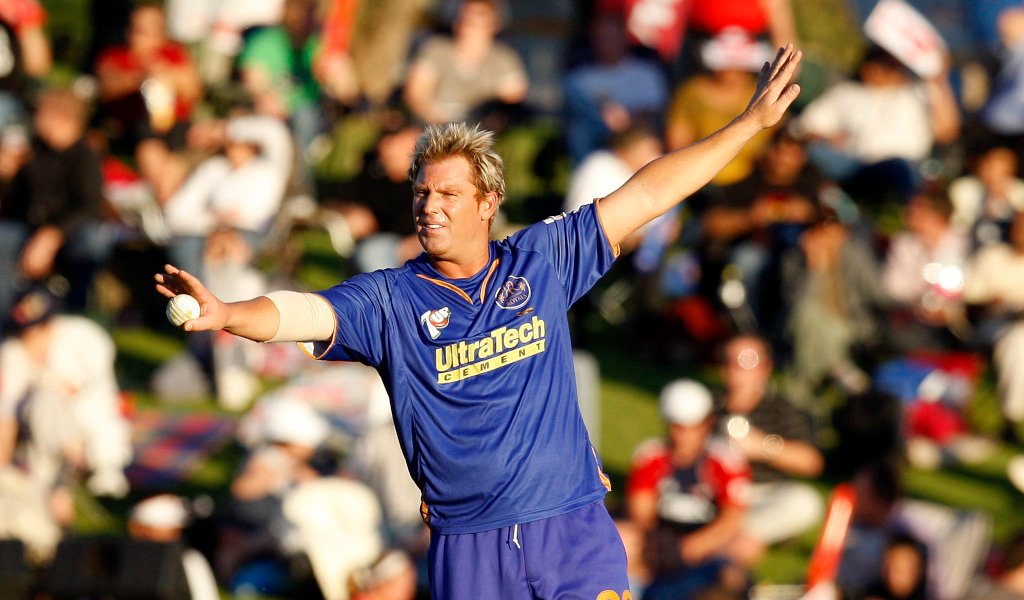
Who is Shane Warne and why does his IPL journey matter?
Shane Warne was a titan of the game, widely regarded as the greatest leg-spinner to ever play cricket. With 708 Test wickets and a flamboyant personality, he was already a global icon before the IPL began. However, his IPL journey is particularly fascinating because he entered the tournament as a retired international player. By 2008, Warne had already bid farewell to the Australian national team, having never played a single T20 International (T20I) match for his country.
Experts suggest that this lack of T20I experience actually worked in his favor. Unburdened by the rigid tactical frameworks of international T20s at the time, Warne was free to innovate. He looked at the T20 format through a fresh lens, treating it as a game of psychological pressure rather than just a contest of power hitting. His journey matters because it proved that leadership and tactical brilliance could overcome a lack of specialized format experience.
How did Shane Warne win the IPL without T20I experience?
The feat of winning the world’s most competitive T20 league without ever representing a nation in that format is a statistical anomaly. In the 2008 season, Warne was one of two captains (the other being Adam Gilchrist in a later season) to achieve major success without a T20I pedigree. His success was built on three core pillars: talent identification, tactical flexibility, and psychological empowerment.
As per recent industry reports on cricket analytics, Warne’s Rajasthan Royals had the lowest budget in the 2008 auction. Instead of chasing established superstars, Warne and the RR management focused on domestic Indian players who were overlooked by other franchises. He famously referred to a young Ravindra Jadeja as a superstar in the making long before the rest of the world realized his potential. By giving these players a platform and the freedom to express themselves, Warne created a unit that was greater than the sum of its parts.
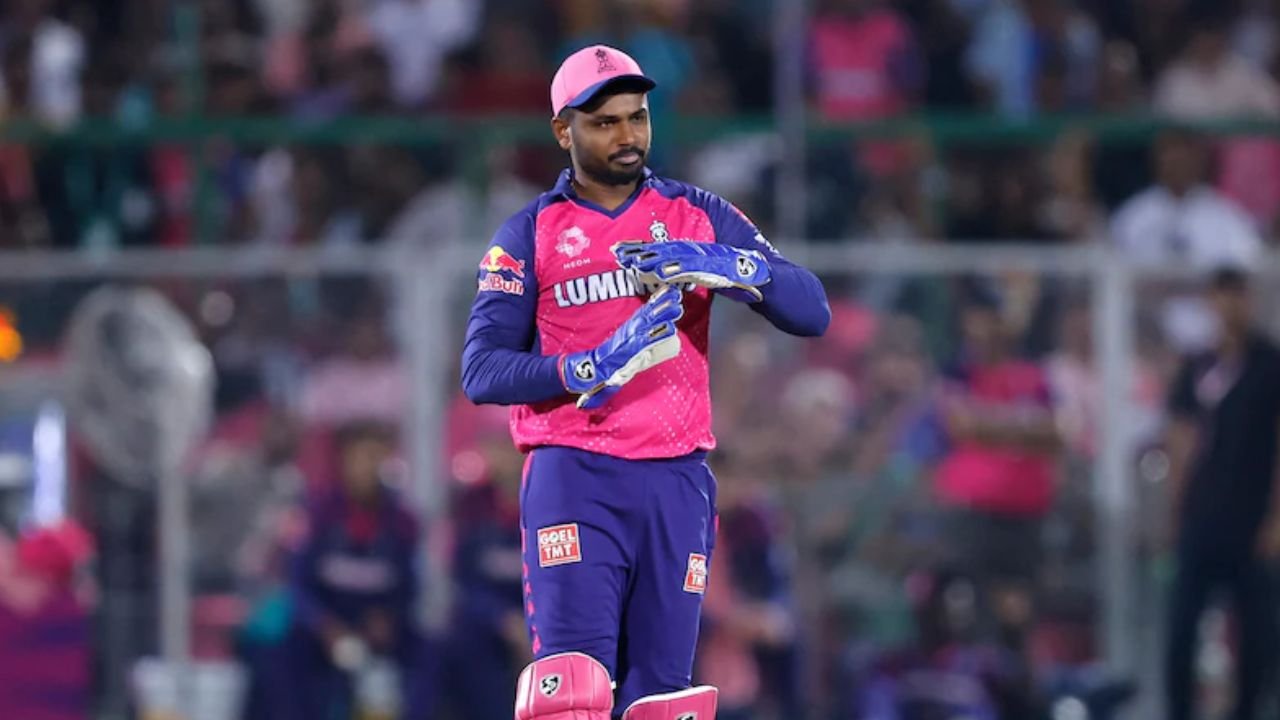
What were the tactical innovations introduced by Shane Warne?
Shane Warne brought a Test match mindset to the T20 arena, which was a revolutionary concept. He understood that in a 20-over game, the most valuable currency was a wicket. While other captains were focused on defensive field settings to save runs, Warne often employed aggressive fields, keeping slips and short-catchers even in the middle overs. This forced the batsmen to take risks, often leading to their downfall.
- The Use of the 'Floater': Warne was one of the first captains to use batsmen like Yusuf Pathan as floaters, sending them in based on the match situation rather than a fixed batting order.
- Spin as a Weapon: In an era where many thought spinners would be slaughtered in T20s, Warne proved that a leg-spinner could control the game. He finished as the second-highest wicket-taker in the inaugural season.
- Psychological Dominance: He was a master at sledging and mind games, often talking to the batsmen or making visible field changes to sow seeds of doubt.
The Warne Effect on Indian Cricket Talent
Perhaps the greatest legacy of Shane Warne in India is the confidence he instilled in the domestic circuit. Before the IPL, the gap between domestic cricket and international cricket was vast. Warne bridged that gap. He treated every player, whether a seasoned veteran or a teenager from a small village, with the same level of professional respect and expectation.
According to sports historians in India, the rise of players like Yusuf Pathan, Ravindra Jadeja, and Swapnil Asnodkar can be directly attributed to the 'Warne Effect'. He taught them how to win from impossible situations. In the 2008 final against the Chennai Super Kings, Rajasthan Royals were chasing a challenging total. The calmness Warne exhibited in the dugout and during his brief stint at the crease was infectious, leading the team to a last-ball victory.
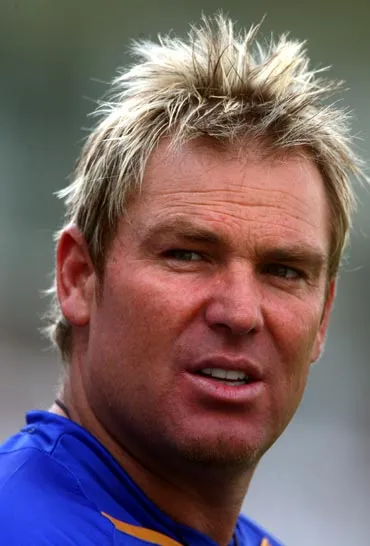
Why is the 2008 Rajasthan Royals victory considered a miracle?
To understand the magnitude of Warne’s achievement, one must look at the context of the 2008 season. The Rajasthan Royals lost their opening game by a massive margin, and critics predicted they would finish at the bottom of the table. They were dubbed the 'no-name' team. However, under Warne’s mentorship, they won 11 out of their 14 group stage matches.
The victory is considered a miracle because it defied the logic of the 'Galactico' model. While other teams spent millions on international captains and power hitters, Warne’s team relied on grit and strategy. He proved that in T20 cricket, a captain who can think on his feet is more valuable than a lineup of superstars. This victory set the blueprint for how T20 franchises should be run: focus on core domestic talent and empower them with visionary leadership.
Expert Insights on the Shane Warne School of Captaincy
Experts suggest that modern T20 captains often over-rely on data and pre-match plans. Shane Warne, however, was a proponent of 'instinctive captaincy'. He believed that the game changed with every delivery and that a captain must be brave enough to deviate from the plan if his gut told him otherwise. This bravery is what modern analysts call 'The Warne Way'.
His leadership was also characterized by extreme loyalty. Once he backed a player, he would give them a long rope, allowing them to fail without the fear of being dropped. This created a high-trust environment which is often missing in the high-pressure world of franchise cricket. His ability to manage different personalities and cultures within the dressing room remains a gold standard for leadership.
Frequently Asked Questions
Who is the only captain to win the IPL without playing T20Is?
Shane Warne was the first captain to win the IPL without having played a T20 International match for his country. Adam Gilchrist later achieved a similar feat, winning the title after retiring from international cricket, though he had played T20Is during his career.
How many wickets did Shane Warne take in the IPL?
Shane Warne took 57 wickets in 55 IPL matches at an impressive economy rate of 7.27. His best season was the inaugural 2008 edition, where he claimed 19 wickets and led his team to the trophy.
Which Indian players did Shane Warne mentor in the IPL?
Warne mentored several Indian stars, most notably Ravindra Jadeja, Yusuf Pathan, Munaf Patel, and Siddharth Trivedi. He is often credited with fast-tracking Ravindra Jadeja’s career by identifying his all-round potential early on.
How did Shane Warne change the perception of T20 cricket?
Warne changed the perception by proving that T20 is a tactical game rather than just a power game. He showed that spinners could be match-winners in the format and that leadership could overcome a lack of star power.
Conclusion
Shane Warne’s impact on the IPL and Indian cricket transcends numbers and trophies. He was a visionary who saw the potential of the T20 format long before it became a global phenomenon. By leading the Rajasthan Royals to the inaugural title, he gave the league the perfect start, proving that any team, regardless of their budget, could win if they had the right leader. His legacy as the 'First Royal' continues to inspire cricketers and captains across the globe. Even years after his passing, the lessons from the 2008 season remain the ultimate guide for leadership in professional sports.
Related Media
Quick View: Why Shane Warne remains the Greatest Captain in IPL History: A Legacy Analysis





Comments 0
Leave a Reply
Your email address will not be published. Required fields are marked *
Be the first to share your thoughts!