
💡 Where is Silver rate today?
Explore the comprehensive guide on silver price factors in India. Understand market volatility, investment strategies, and the role of industrial demand in shaping silver rates.
Silver has long held a prestigious position in the Indian economy, often referred to as the common man's gold. It serves a dual purpose as both a precious metal for investment and a vital industrial commodity. Understanding the fluctuations in silver rates requires a deep dive into global economics, local demand patterns, and the intricate workings of commodity exchanges. Whether you are a retail consumer looking to buy jewelry or a seasoned investor eyeing the commodity market, grasping the drivers behind silver price movements is essential for making informed financial decisions.
What are the primary factors influencing silver rates in India?
The price of silver in India is not determined in isolation. It is a complex interplay of several international and domestic factors. According to precious metals market analysis, the primary driver is the international market price, usually denominated in USD. Since India imports a significant portion of its silver requirement, any change in the global spot price reflects immediately in the local markets.
Another critical factor is the currency exchange rate. Because international silver is priced in USD, the strength or weakness of the Indian Rupee against the dollar plays a pivotal role. If the Rupee depreciates, importing silver becomes more expensive, leading to a rise in local prices even if the global rate remains stable. Furthermore, import duties and taxes levied by the government, such as the Goods and Services Tax (GST), add to the final cost for the consumer.

How does the Multi Commodity Exchange (MCX) affect silver prices?
In India, the Multi Commodity Exchange (MCX) is the primary platform where silver is traded in the form of futures contracts. The rates seen in the news often refer to these MCX prices. These contracts allow traders to buy or sell silver at a predetermined price on a future date. The MCX serves as a price discovery mechanism, reflecting the sentiment of domestic traders and large institutional investors.
Market participants observe that high volatility on the Multi Commodity Exchange of India (MCX) can lead to sharp corrections in silver prices in the physical market. For instance, when large-scale liquidations occur in the futures market, it can trigger a cascading effect, causing the price per kilogram to drop by thousands of rupees in a single trading session. This volatility is often higher than that of gold because the silver market is relatively smaller and more sensitive to volume trades.
Why is industrial demand crucial for silver?
Unlike gold, which is primarily used for jewelry and as a store of value, silver has extensive industrial applications. It is the most electrically conductive metal, making it indispensable in the electronics industry. From smartphones to circuit boards, silver is everywhere. According to global renewable energy and industrial demand trends, the growing push toward green energy has further boosted silver demand. It is a key component in the production of photovoltaic cells used in solar panels.
When global manufacturing sectors experience a boom, the demand for silver rises, pushing prices upward. Conversely, during an industrial slowdown or a global recession, the reduced demand for electronic goods and green energy infrastructure can put downward pressure on silver rates. This industrial link makes silver a unique asset that behaves partly like a precious metal and partly like a base metal such as copper.

What are the different ways to invest in silver in India?
Investors in India have several avenues to gain exposure to silver, each with its own set of advantages and risks:
- Physical Silver: This involves buying silver bars, coins, or jewelry. While it offers the security of tangible possession, it comes with concerns regarding storage, security, and making charges.
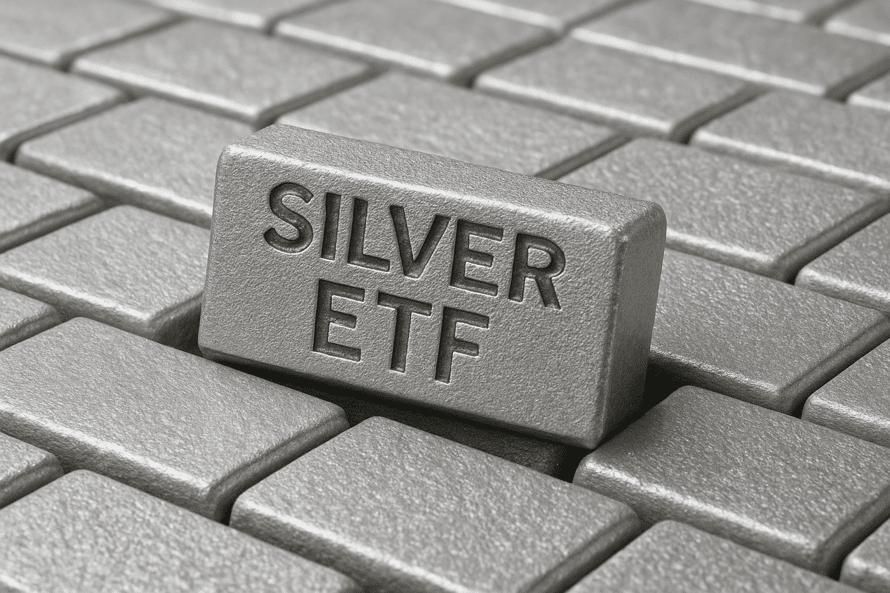
- Silver ETFs (Exchange Traded Funds): These are exchange-traded financial instruments that track the price of physical silver and are traded on stock exchanges. They are traded on stock exchanges, offering high liquidity without the need for physical storage.
- Digital Silver: Many platforms now allow users to buy silver digitally for as little as one rupee. The equivalent amount of physical silver is stored in secure vaults by the provider.
- MCX Futures: For those with a higher risk appetite, trading silver futures on the MCX allows for leveraging positions. However, this requires a deep understanding of market timing and margin requirements.
How to understand the Gold-Silver Ratio?
The gold-silver ratio is a popular metric used by investors to determine the relative value of the two metals. It is calculated by dividing the current price of gold by the current price of silver. This ratio tells you how many ounces of silver it takes to buy one ounce of gold. Historically, many investors use this ratio to decide when to switch their investments from one metal to the other.
A high ratio suggests that silver is undervalued compared to gold, which might indicate a buying opportunity for silver. Conversely, a low ratio might suggest that silver is overvalued or that gold is becoming a better bargain. Financial consultants often advise monitoring this ratio to time entry and exit points in the precious metals market effectively.
What are the common mistakes to avoid when buying silver?
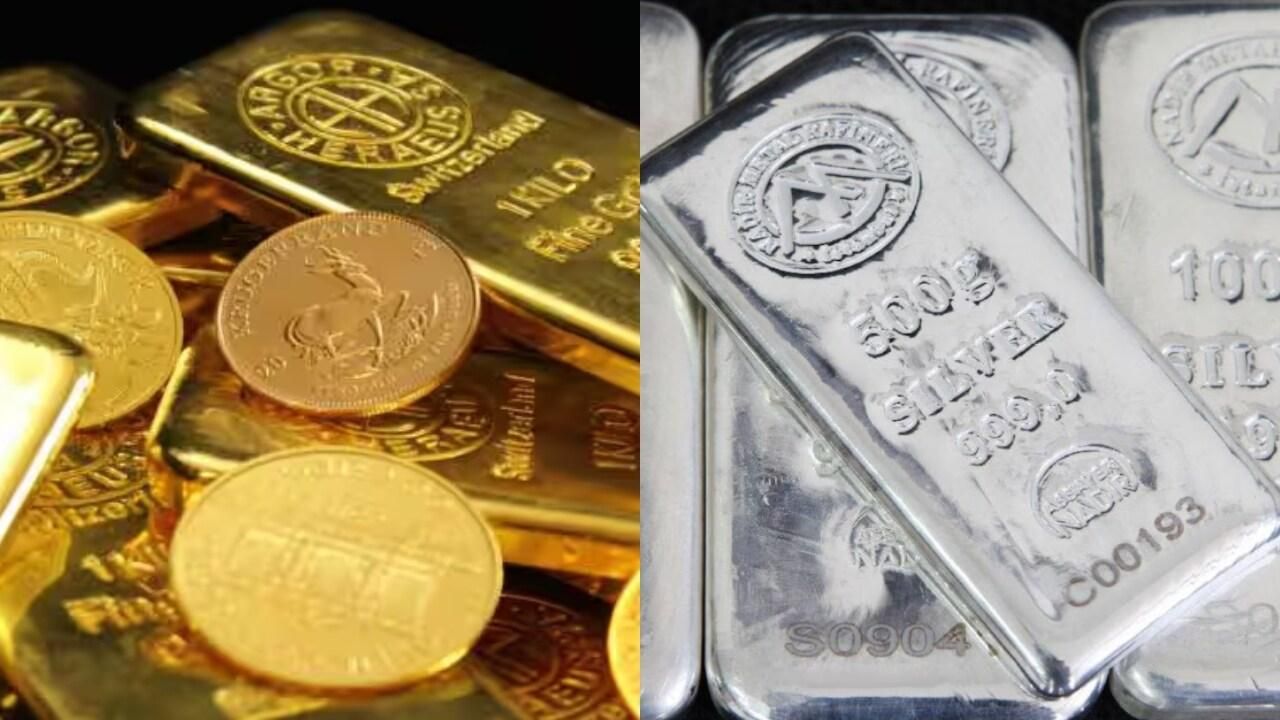
One of the most frequent mistakes is ignoring the purity of the metal. In India, fine silver is usually 99.9 percent pure (999 fineness), while sterling silver used in jewelry is 92.5 percent pure (925 fineness). Always check for hallmarking to ensure you are getting what you pay for. Another mistake is failing to account for the spread. The spread is the difference between the buying price and the selling price. In the physical market, this gap can be significant, meaning the price must rise substantially just for the investor to break even.
Additionally, many retail buyers focus solely on jewelry. While aesthetically pleasing, jewelry often carries high making charges and stones that do not hold resale value. For investment purposes, coins and bars are generally more efficient. Finally, trying to "time the bottom" during a price crash can be risky. Instead of waiting for the absolute lowest price, many experts recommend a systematic investment approach to average out the purchase cost.
Pro tips for silver investors
As per market veterans, diversification is the key. Do not allocate your entire portfolio to silver; instead, use it as a hedge alongside other assets like equities and gold. Keep a close eye on the US Federal Reserve's interest rate decisions. Generally, when interest rates rise, non-yielding assets like silver become less attractive, leading to price drops. Conversely, when rates are slashed, silver often rallies.
Always stay informed about geopolitical developments. Since silver is a global commodity, tensions in major oil-producing regions or trade wars between large economies can cause sudden spikes in volatility. Lastly, consider the long-term horizon. Silver can be highly volatile in the short term, but historically, it has served as a reliable store of value over decades.
Frequently Asked Questions (FAQ)
What is the difference between 999 and 925 silver?
999 silver refers to 99.9 percent pure silver, often used in bars and coins for investment. 925 silver, or Sterling Silver, contains 92.5 percent silver and 7.5 percent other metals (usually copper) to provide strength and durability for jewelry making.
Is silver a better investment than gold?
Neither is objectively better; they serve different purposes. Gold is more stable and acts as a primary hedge against inflation. Silver is more volatile and has higher industrial utility, which can lead to higher percentage gains during bull markets but steeper losses during downturns.
How is the GST calculated on silver in India?
In India, a Goods and Services Tax (GST) of 3 percent is typically applied to the value of the silver. If you are buying jewelry, GST is also applicable on the making charges, usually at a rate of 5 percent.
Why do silver prices fall suddenly?
Sudden drops can be caused by various factors including a strengthening USD, a hike in interest rates by central banks, or large-scale selling by institutional investors on commodity exchanges like the MCX or COMEX.
Does the monsoon affect silver rates in India?
Yes, indirectly. A good monsoon leads to higher rural income, as agriculture thrives. Since rural India accounts for a significant portion of silver demand (often for savings and jewelry), a strong harvest can lead to increased demand and support higher prices.
Sources and References
- World Silver Institute
- Multi Commodity Exchange of India (MCX)
- Reserve Bank of India (RBI)
- U.S. Federal Reserve
- London Bullion Market Association (LBMA)
- Ministry of Finance, Government of India
Conclusion
Investing in silver in India requires understanding global price movements, industrial demand, and currency fluctuations. With options like physical silver, ETFs, digital silver, and MCX trading, investors can choose based on their risk level. While silver is volatile in the short term, it remains an important asset for both industrial use and long-term investment.
Important Note: Financial Disclaimer: This content is for educational purposes only and does not constitute professional financial advice. Always consult with a certified financial planner before making investment decisions.
Related Media
Quick View: Silver Price Dynamics in India: An In-Depth Guide to Market Trends and Investment Opportunities





Comments 0
Leave a Reply
Your email address will not be published. Required fields are marked *
Be the first to share your thoughts!