

💡 What is Starlink?
Explore how Starlink's low-earth orbit satellites are revolutionizing air travel connectivity, focusing on high-speed internet for Boeing 787 fleets and global flight routes.
For decades, the experience of accessing the internet while flying was often characterized by frustration, high costs, and agonizingly slow speeds. Passengers were frequently limited to checking basic emails or sending simple text messages, with video streaming and real-time gaming remaining a distant dream. However, a significant shift is occurring in the aerospace industry. The emergence of Starlink, operated by SpaceX, is fundamentally changing the expectations for in-flight Wi-Fi. By utilizing a massive constellation of low-earth orbit (LEO) satellites, Starlink provides a level of connectivity that rivals ground-based fiber-optic networks.

What is Starlink and how does it differ from traditional satellite internet?
To understand why Starlink is a game-changer for aviation, it is essential to understand the technology behind it. Traditional satellite internet relies on large satellites positioned in Geostationary Orbit (GEO), approximately 35,000 kilometers above the Earth. Because these satellites are so far away, the data must travel a vast distance, resulting in high latency, often exceeding 600 milliseconds. This delay makes real-time applications like video conferencing or online gaming nearly impossible.
In contrast, Starlink operates a constellation of thousands of small satellites in Low Earth Orbit (LEO), situated at altitudes of about 550 kilometers. According to global telecommunications analysts, this proximity reduces latency to as low as 25 to 35 milliseconds. For passengers on an airplane, this means the internet feels as responsive as it does in their living rooms. Furthermore, because there are so many satellites in the constellation, the network can maintain a consistent connection even as an aircraft moves at high speeds across oceans and polar regions.

How does Starlink work on commercial aircraft like the Boeing 787?
Integrating satellite internet into a commercial jet is a complex engineering feat. It requires specialized hardware known as an Aero Terminal. This terminal is a low-profile, electronically steered phased array antenna mounted on top of the aircraft fuselage. Unlike older mechanical antennas that had to physically tilt to find a satellite, the Starlink antenna can track multiple satellites simultaneously without moving parts.
Experts suggest that the Boeing 787 Dreamliner is a particularly suitable candidate for this technology due to its advanced electrical systems and composite structure. When an airline like British Airways integrates Starlink into its Boeing 787 fleet, the system connects to the LEO constellation to provide high-speed, low-latency broadband to every seat in the cabin. The bandwidth is sufficient to allow hundreds of passengers to stream high-definition video at the same time, a feat that was previously unattainable with older satellite technologies.
What are the primary benefits of Starlink for air travelers?
The transition to Starlink-powered Wi-Fi offers several transformative benefits for the modern traveler. As per recent industry reports, the demand for seamless connectivity is now a top priority for passengers when choosing an airline. Here are the core advantages:
- High-Speed Performance: Passengers can enjoy download speeds often exceeding 100 Mbps, allowing for seamless 4K streaming and large file downloads.
- Low Latency: The responsive connection enables lag-free gaming, smooth video calls via platforms like Zoom or Teams, and real-time social media interaction.
- Gate-to-Gate Connectivity: Unlike some legacy systems that only work above 10,000 feet, Starlink provides a continuous connection from the moment you board until you deplane.
- Global Coverage: Because the Starlink constellation covers the entire globe, including oceans and remote northern routes, passengers no longer experience "dead zones" during long-haul international flights.

Why are airlines like British Airways adopting this technology?
Airlines are increasingly viewing high-quality Wi-Fi as a competitive necessity rather than a luxury. By rolling out Starlink on specific routes and aircraft types, such as the Boeing 787, carriers can significantly enhance the passenger experience. This move is not just about entertainment; it also has operational benefits. With a robust data link, flight crews can receive real-time weather updates, manage maintenance data more efficiently, and provide better customer service by accessing up-to-the-minute connection information for transferring passengers.
Industry observers note that the partnership between major carriers and SpaceX signals a shift toward "free-to-passenger" models. While many airlines currently charge for Wi-Fi, the efficiency and capacity of the Starlink network may eventually allow airlines to offer high-speed internet as a standard, complimentary amenity, much like in-flight meals or beverages.
What are the challenges of implementing Starlink in aviation?
Despite the clear advantages, the rollout of Starlink across global fleets is not without its hurdles. One of the primary challenges is regulatory approval. Each aircraft type must receive a Supplemental Type Certificate (STC) from aviation authorities like the FAA or EASA before the hardware can be installed. This process ensures that the antenna does not interfere with the aircraft's aerodynamics or existing communication systems.
Additionally, the physical installation requires downtime for the aircraft. Airlines must carefully schedule these upgrades during heavy maintenance checks to avoid disrupting their flight schedules. There is also the matter of heat management; high-performance antennas generate heat, and engineers must ensure that the cooling systems are robust enough to handle continuous operation during long flights through varying atmospheric conditions.
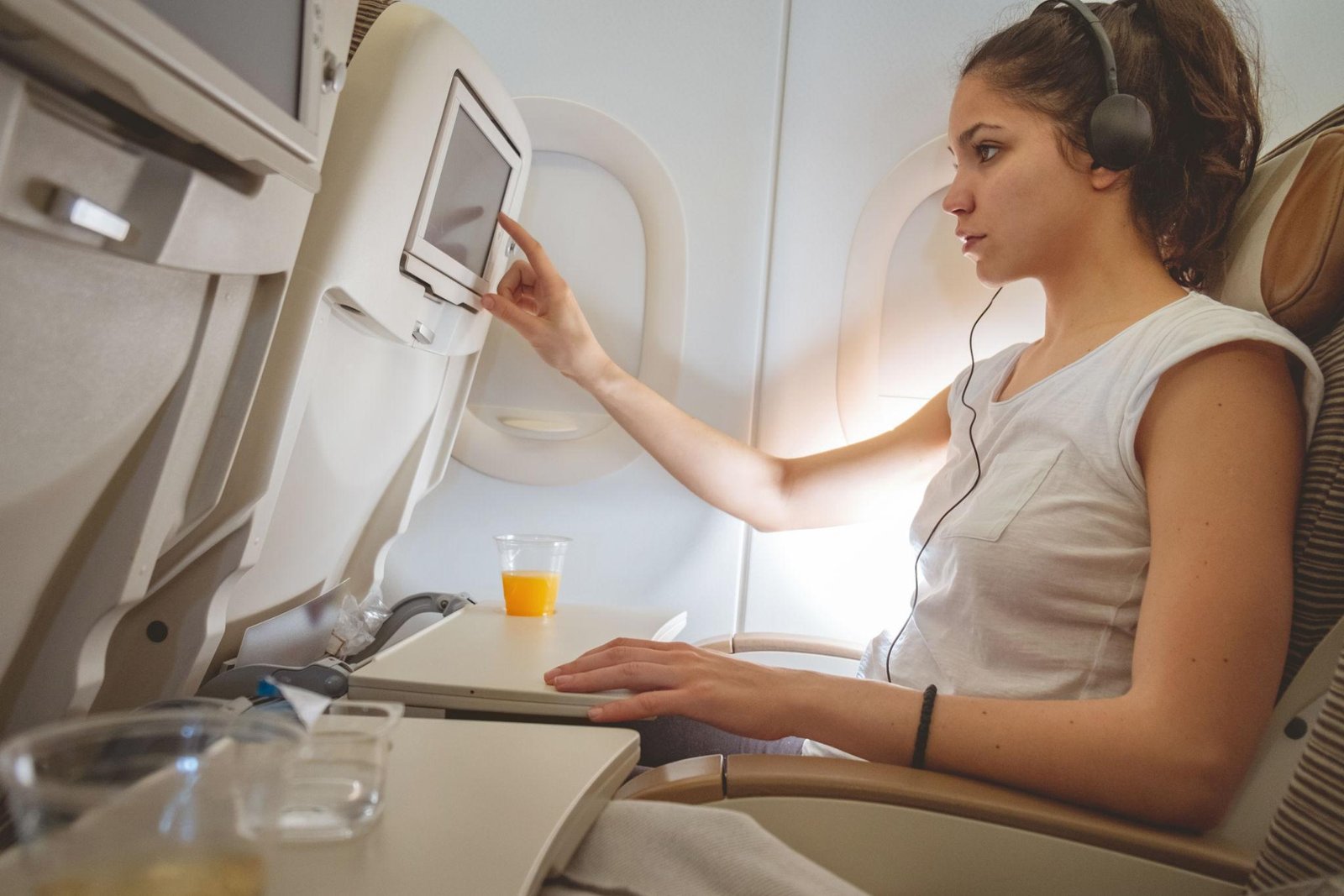
How to maximize your in-flight Wi-Fi experience?
If you find yourself on a flight equipped with Starlink, there are several ways to ensure you get the most out of the connection. First, ensure your devices are fully charged or plugged into the seat-back power outlet, as high-speed data usage can drain batteries quickly. Second, disable automatic cloud backups for photos and videos if you do not need them, as these can consume unnecessary bandwidth and potentially slow down your other activities. Finally, remember that while the connection is powerful, you are still sharing it with other passengers, so being mindful of extremely high-bandwidth tasks is a courtesy to others on board.
Frequently Asked Questions about Starlink Aviation
Is Starlink Wi-Fi available on all flights?
No, availability depends on the specific airline and the aircraft type. Many airlines are currently in the process of retrofitting their fleets, focusing first on long-haul aircraft like the Boeing 787 and Airbus A350. It is best to check the airline's website or flight details during booking to see if high-speed satellite Wi-Fi is offered.
Will I have to pay extra for Starlink internet on a plane?
Pricing policies vary by airline. Some carriers offer Starlink as a premium paid service, while others include it for free for business class passengers or loyalty program members. A growing trend among airlines is to offer basic messaging for free while charging for a full streaming-capable package.
Can I use a VPN with Starlink in the air?
Yes, Starlink's low latency and high bandwidth generally support Virtual Private Networks (VPNs). This is a significant improvement over older satellite systems where the high latency often caused VPN connections to time out or perform poorly.
Does weather affect the Starlink connection during a flight?
While extreme weather can occasionally impact satellite signals, Starlink is designed to be highly resilient. Because the aircraft is typically flying above most weather patterns (like clouds and rain) during the cruise phase of the flight, the connection remains very stable.
How secure is the Starlink connection on an airplane?
Starlink uses advanced encryption for data transmission between the terminal and the satellite. However, as with any public Wi-Fi network, it is always recommended to use secure websites (HTTPS) and a VPN if you are handling sensitive personal or corporate information.
Final thoughts on the future of flying
The integration of Starlink into the aviation sector represents a pivotal moment in travel history. By bridging the gap between ground-based and in-flight connectivity, it removes one of the last remaining "offline" barriers in our professional and personal lives. As more airlines follow the lead of early adopters and equip their fleets with this LEO satellite technology, the standard for in-flight entertainment and productivity will be forever elevated. For the passenger, the sky is no longer a limit to staying connected, but rather just another place to be online.
Conclusion
Starlink is fundamentally redefining the passenger experience by bringing high-speed, low-latency internet to the skies through its advanced LEO satellite constellation. The adoption of this technology by major airlines for aircraft like the Boeing 787 ensures that travelers can stream, work, and communicate without the limitations of traditional satellite systems. As regulatory and technical hurdles are overcome, global connectivity at 35,000 feet is set to become the new industry standard.
Related Media
Quick View: How Starlink is Transforming In-Flight Connectivity: A Comprehensive Guide to Satellite Internet in Aviation





Comments 0
Leave a Reply
Your email address will not be published. Required fields are marked *
Be the first to share your thoughts!