
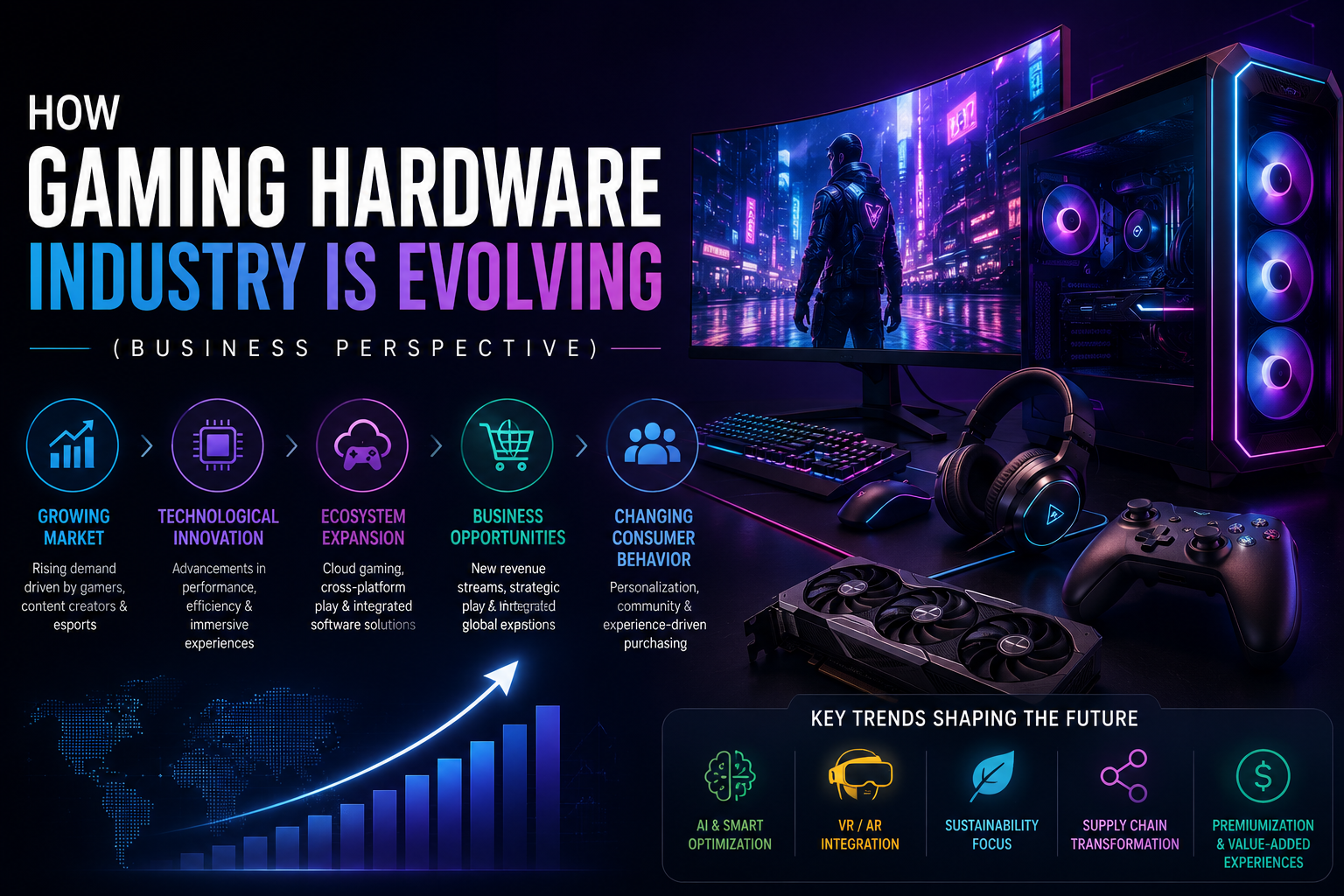
💡 How Gaming Hardware Industry is Evolving (Business Perspective)
A deep dive into Valve's hardware legacy, from the original Steam Controller to the Steam Deck, analyzing the impact of Steam Input on the gaming industry.
Executive Summary
The landscape of PC gaming peripherals was fundamentally altered by Valve Corporation’s entry into hardware. This analysis explores the trajectory of the Steam Controller, the revolutionary Steam Input software layer, and the hardware successor found in the Steam Deck. Key data highlights include Valve’s reported milestone of over 3 million Steam Deck units sold as of 2023 and the fact that over 10 percent of daily active Steam users utilize a controller. We examine why the original Steam Controller reached cult status despite its 2019 discontinuation and how its legacy defines modern haptic and gyro-aiming standards.
Introduction: The Quest for Console-Level Comfort on PC
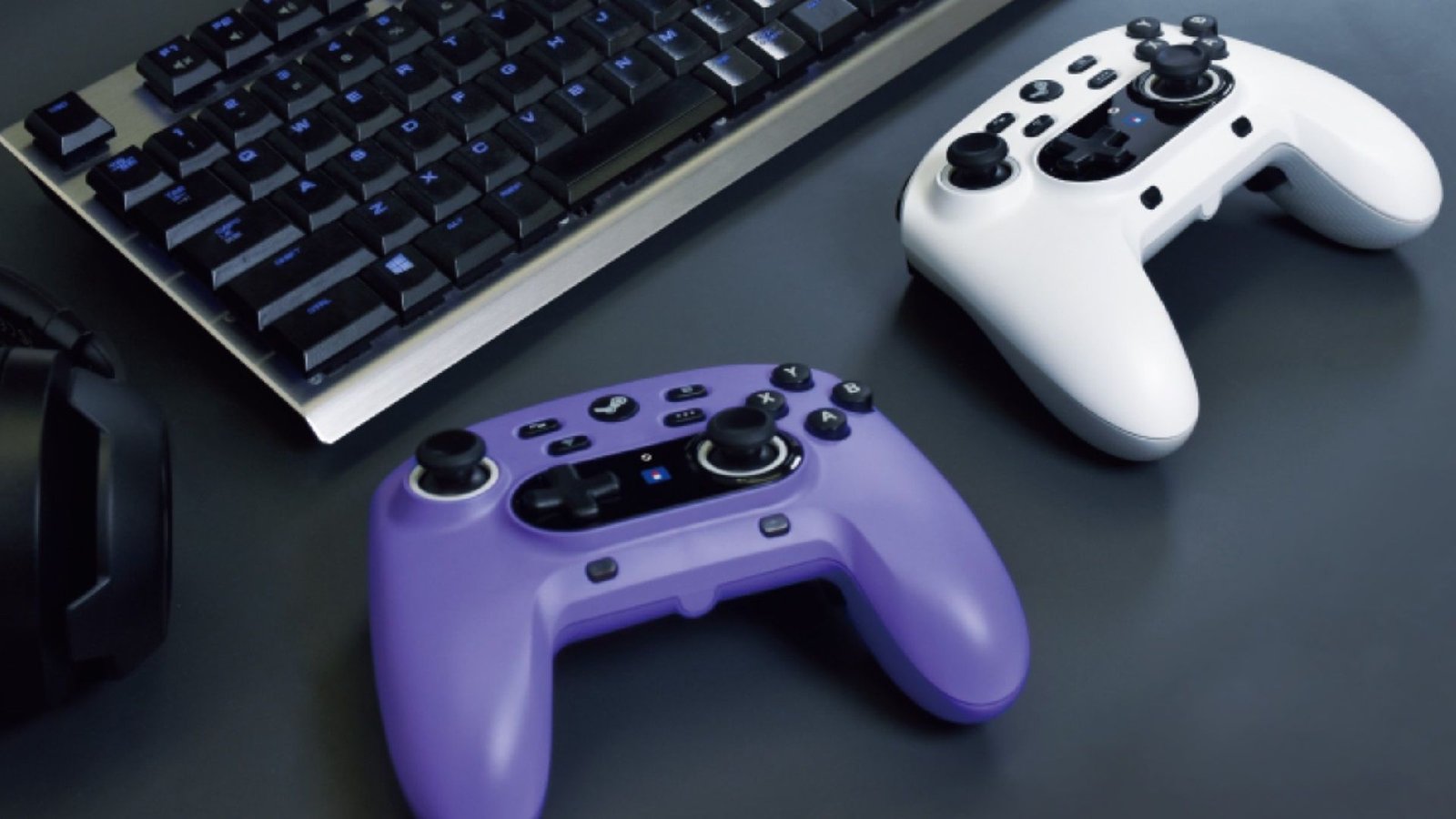
For decades, the PC gaming experience was strictly defined by the keyboard and mouse. While precise, this setup lacked the ergonomic comfort and haptic immersion of home consoles. Valve recognized this gap in 2013, initiating a hardware journey that sought to bridge the divide between the desk and the living room. The Steam Controller was not merely a peripheral; it was an ambitious attempt to map complex mouse movements onto a handheld device using dual trackpads and high-fidelity haptics. While the physical controller faced a polarizing reception, it birthed the Steam Input API, a software powerhouse that now supports over 300 different controller models, ensuring that gamers have unprecedented choice in how they interact with their libraries.
The Deep Dive: Engineering the Steam Controller Legacy
The original Steam Controller, released in 2015, was a marvel of engineering that prioritized customization over traditional design. Instead of dual analog sticks, it featured two high-resolution trackpads with haptic feedback powered by Linear Resonant Actuators (LRAs). These actuators provided a sense of weight and texture, allowing players to feel the 'click' of a virtual scroll wheel or the tension of a bowstring.
Industry data suggests that the Steam Controller sold approximately 1.6 million units before its discontinuation in late 2019. Despite these modest numbers compared to the Xbox or PlayStation ecosystems, its influence remains massive. The controller introduced 'Gyro Aiming' to the mainstream PC audience, a technique that uses internal motion sensors for fine-tuned aiming. This feature is now considered essential for competitive play in various genres. For those focusing on anatomy of dread survival horror they will kill you, the precision of gyro aiming can significantly enhance the tension and accuracy required in high-stakes survival scenarios.
Steam Input: The Software Revolution
While the hardware was the face of the movement, the Steam Input API was the true engine of change. Valve’s software allows any controller to be remapped at a granular level. This includes creating 'action sets' that change button layouts based on in-game context (e.g., driving vs. walking). According to Steam’s hardware surveys, the Xbox controller remains the most popular choice, accounting for nearly 60 percent of controller usage on the platform. However, the rise of the DualSense and Nintendo Switch Pro controllers has been significant, largely because Steam Input translates their proprietary signals into something PC games can understand effortlessly.
This level of accessibility is vital for the modern digital economy. Much like investors navigating Dalal Street require robust tools to manage diverse portfolios, gamers require sophisticated software to manage their hardware configurations across thousands of disparate titles. The ability to download community-made configurations for the Steam Controller or Steam Deck has democratized complex input mapping for the average user.
The Steam Deck: Hardware Refined
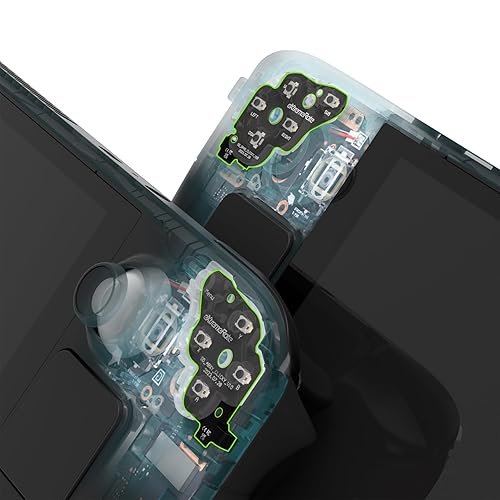
The lessons learned from the Steam Controller were directly applied to the Steam Deck, Valve’s handheld PC. Released in 2022, the Deck incorporates dual capacitive thumbsticks, two smaller trackpads, and four assignable grip buttons. This hardware configuration is the most complete implementation of Valve’s input philosophy to date. The inclusion of Hall Effect sensors in many modern third-party Steam-compatible controllers has further addressed the industry-wide issue of stick drift, providing a more durable solution for long-term gaming sessions.
What This Means For You: Actionable Insights
- Hardware Longevity: If you own an original Steam Controller, its value has increased on the secondary market, often selling for double its original retail price due to its unique trackpad functionality.
- Optimizing Performance: Use the Steam Input overlay to enable Gyro-to-Mouse functionality in first-person shooters for a competitive edge over traditional analog stick users.
- Choosing a Controller: When purchasing a new controller for Steam, prioritize those with gyro support and back paddles (like the DualSense Edge or Xbox Elite Series 2) to take full advantage of Steam’s remapping capabilities.
- Streaming Integration: For creators mastering Kick streaming guide creator strategies, the use of a Steam Deck as a secondary input device or macro pad is becoming a popular trend for managing stream overlays.
Comparison of Major Steam-Compatible Controllers
| Feature | Steam Controller (Original) | Steam Deck | Xbox Series X Controller | PS5 DualSense |
|---|---|---|---|---|
| Primary Input | Dual Trackpads | Dual Sticks + Trackpads | Dual Analog Sticks | Dual Analog Sticks |
| Haptic Tech | HD LRAs | HD LRAs | Standard ERM Motors | Dual Actuators (Adaptive) |
| Gyro Support | Yes | Yes | No | Yes |
| Connectivity | USB / Bluetooth / Dongle | Integrated / Bluetooth | USB-C / Bluetooth / Radio | USB-C / Bluetooth |
| Customization | Maximum (Steam Input) | Maximum (Steam Input) | Moderate | High (Steam Input) |

Expert Verdict and Future Outlook
The future of Steam controllers lies in the convergence of handheld flexibility and desktop power. Rumors of a 'Steam Controller 2' persist, with patent filings suggesting Valve is working on a device with swappable components and improved haptics. The industry consensus is that Valve will continue to push the boundaries of 'Input Independence,' where the specific brand of hardware matters less than the software’s ability to translate the player’s intent. We expect to see a wider adoption of Hall Effect sensors and pressure-sensitive triggers across all Steam-certified peripherals in the next 24 months.
FAQ: Authoritative Answers on Steam Hardware
1. Can I still use the original Steam Controller in 2024?
Yes. Valve continues to provide full driver support through Steam Input. It remains one of the best devices for playing strategy games and city builders from a couch due to its mouse-emulation trackpads.
2. Why doesn't the Xbox controller have gyro support?
Microsoft has opted for a traditional design to maintain backward compatibility and focus on ergonomic familiarity. However, many PC gamers use third-party adapters or software to add functionality, though native support remains absent.
3. What are Hall Effect sensors and why do they matter for Steam?
Hall Effect sensors use magnets rather than physical contact to measure movement. This eliminates mechanical wear, effectively preventing the 'stick drift' that plagues many standard controllers.
4. Is the Steam Deck a replacement for a Steam Controller?
While the Steam Deck has all the features of the controller, it is a full computer. For desktop users, the Deck can be used as a controller via 'Remote Play' or third-party apps, but a dedicated Steam Controller 2 would be a more ergonomic solution for non-handheld play.
5. How do I access community controller configurations?
While in-game, open the Steam Overlay, select 'Controller Settings,' and browse the 'Community Layouts' tab. This allows you to use configurations optimized by thousands of other players for that specific title.
Conclusion: A Strategic Takeaway
The evolution of Steam controllers represents a shift from static hardware to dynamic, software-defined input. Valve’s legacy is not just a plastic device with trackpads, but a comprehensive ecosystem that empowers the user to play any game, with any device, in any environment. For the industry, this means a higher standard for haptics and customization. For the gamer, it means the freedom to define their own experience. As we look toward the next generation of PC peripherals, the principles of precision, haptic feedback, and software flexibility established by the Steam Controller will remain the gold standard.





Comments 0
Leave a Reply
Your email address will not be published. Required fields are marked *
Be the first to share your thoughts!