
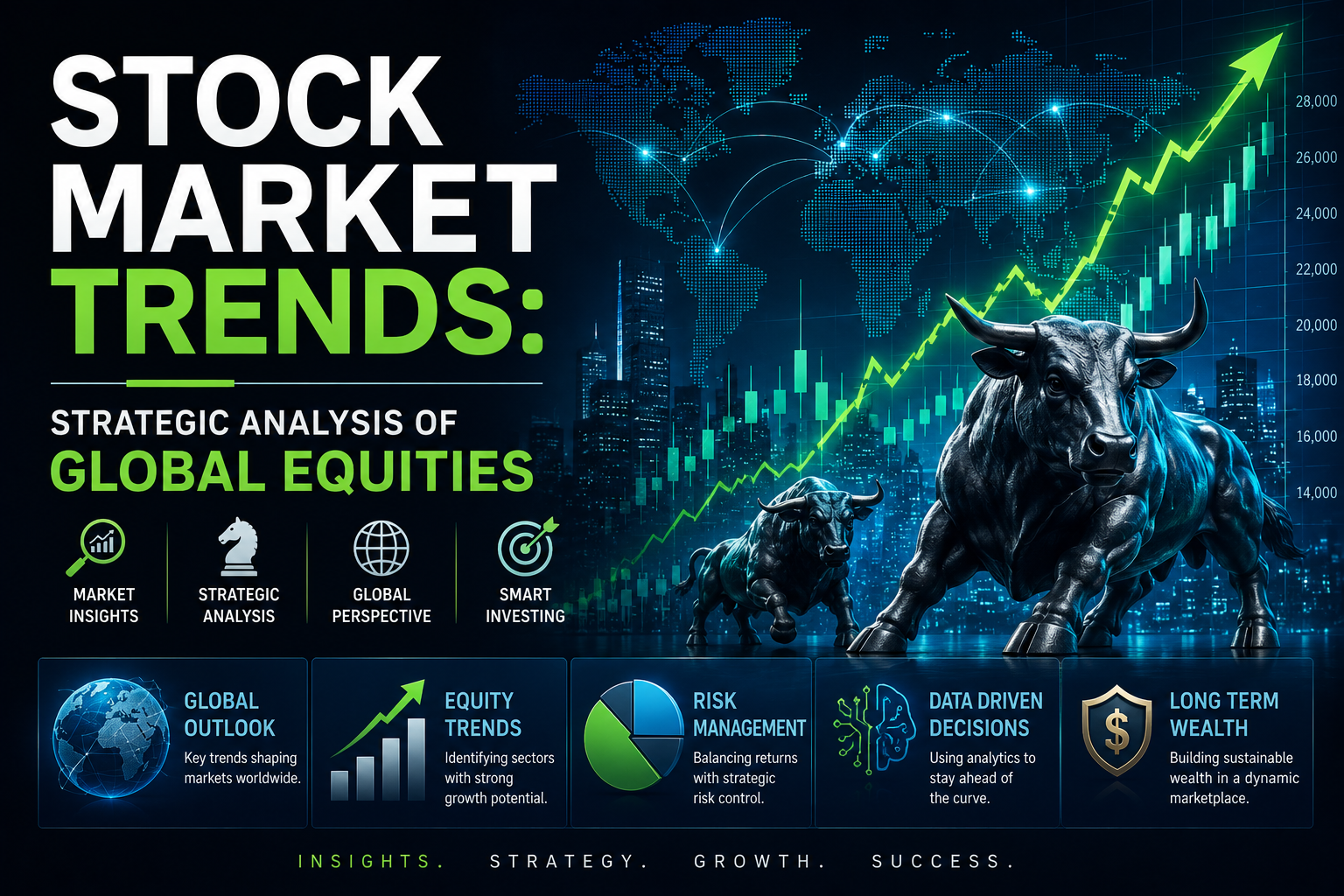
💡 Stock Market Trends: Strategic Analysis of Global Equities
An authoritative analysis of current stock market trends, focusing on artificial intelligence, interest rate shifts, and institutional investment strategies for 2024 and beyond.
Executive Summary
The global equity markets are currently defined by a unique convergence of technological disruption and macroeconomic stabilization. Key findings for the current fiscal period indicate that the S&P 500 has maintained a growth trajectory exceeding historical averages, largely supported by the expansion of the artificial intelligence (AI) sector. Data from major financial institutions suggests that while market concentration remains high, a sector rotation into mid-cap and value stocks is beginning to take shape. This analysis examines the primary drivers of market volatility, the impact of central bank policies, and the strategic positioning required for institutional and retail investors to navigate the current landscape.

Introduction
Understanding stock market trends requires a departure from speculative sentiment in favor of rigorous data analysis. The transition from a high-inflation environment to one of moderate growth has fundamentally altered the valuation models used by analysts. As the Federal Reserve and other central banks adjust their monetary stances, the cost of capital is becoming the primary determinant of corporate profitability. This report provides a high-level strategic overview of the forces shaping the modern financial environment, offering insights into how geopolitical events and technological breakthroughs dictate market cycles.
The Deep Dive: Core Drivers of Market Performance
The current market cycle is dominated by three primary pillars: technological innovation, monetary policy, and geopolitical shifts. Each pillar contributes to the overall volatility and growth potential of global indices.
The Dominance of Artificial Intelligence and Tech Concentration
In the previous fiscal year, the "Magnificent Seven" tech stocks accounted for over 60 percent of the S&P 500's total returns. This concentration has raised questions regarding market breadth and the sustainability of current valuations. Institutional reports from firms like Goldman Sachs indicate that the enterprise adoption of generative AI is expected to add nearly 7 trillion dollars to global GDP over the next decade. However, investors must distinguish between companies with tangible AI revenue and those merely benefiting from speculative hype. The Price-to-Earnings (P/E) ratios of leading semiconductor firms have reached levels not seen since the early 2000s, suggesting that while the growth is real, the margin for error is increasingly slim.
Monetary Policy and the Federal Reserve Roadmap
The Federal Reserve's management of the federal funds rate remains the most significant external factor for equity markets. Following an aggressive series of rate hikes to combat inflation, the focus has shifted to the timing and frequency of rate cuts. Historically, the period between the final rate hike and the first rate cut has been favorable for equities. Current CME FedWatch data indicates that market participants are pricing in a return to a neutral rate by 2025. This shift is particularly beneficial for small-cap stocks, which are more sensitive to borrowing costs than their large-cap counterparts.
Geopolitical Influence and Global Trade
Political stability and international relations play a crucial role in market sentiment. For instance, trade policies and domestic economic agendas can create significant shifts in sector performance. A detailed Donald Trump: Strategic Analysis of Political Influence highlights how changes in administrative leadership can lead to deregulation in the energy and financial sectors, often resulting in short-term market rallies. Similarly, global tensions in Eastern Europe and the Middle East continue to impact energy prices and supply chains, necessitating a diversified approach to portfolio management.
Sector Analysis: From Tech to Value
While technology has led the charge, other sectors are showing signs of institutional accumulation. The banking sector, for example, has demonstrated resilience amid fluctuating interest rates. A look at the Bank of Baroda: Strategic Analysis of Banking Authority provides an example of how regional banking leaders are leveraging digital transformation to maintain high capital adequacy ratios. Furthermore, as investors seek defensive positions against potential volatility, the commodities market remains a vital component. Investors often look toward Gold Market Trends: Strategic Analysis of Global Bullion to understand how precious metals act as a hedge during periods of currency devaluation or geopolitical unrest.
Quantitative Data and Market Indicators
- Earnings Yield vs. Bond Yield: The narrowing gap between the S&P 500 earnings yield and the 10-year Treasury yield suggests that equities are currently expensive relative to fixed income.
- Volatility Index (VIX): Maintaining a level below 20 for much of the year indicates a period of relative calm, though historical data warns that prolonged low volatility often precedes sharp corrections.
- Corporate Buybacks: S&P 500 companies are projected to spend over 900 billion dollars on share repurchases this year, providing a significant floor for stock prices.
What This Means For You
For the individual investor or the strategic planner, these trends necessitate a move away from passive indexing toward active risk management. Understanding the following points is essential for capital preservation:
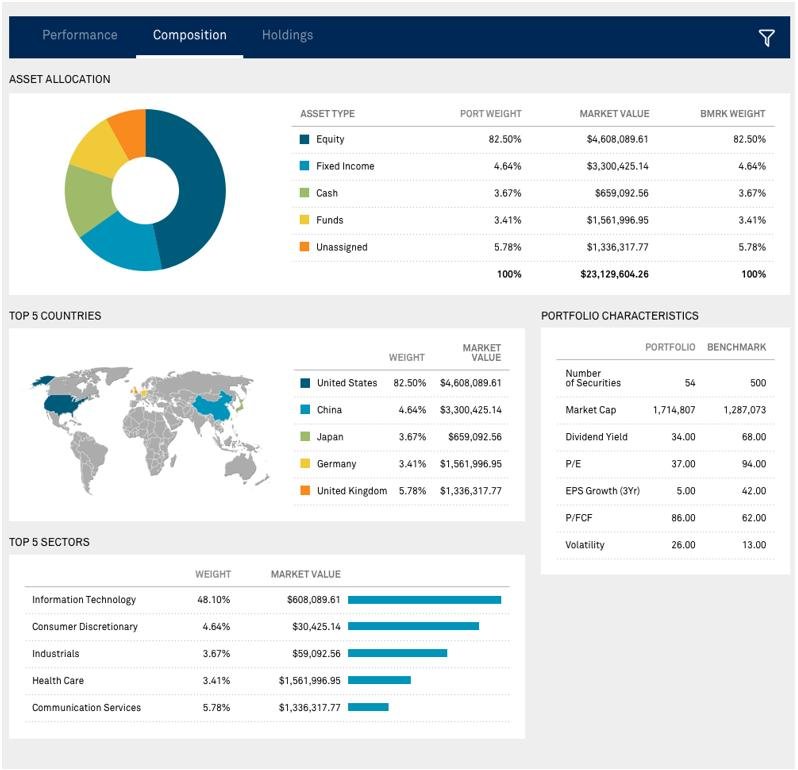
- Diversification Beyond Tech: While AI is a generational trend, over-exposure to a single sector increases idiosyncratic risk. Rebalancing into healthcare, utilities, and consumer staples can provide a buffer.
- Interest Rate Sensitivity: Monitor the debt-to-equity ratios of your holdings. Companies with high leverage will face headwinds if the Fed maintains a "higher for longer" stance on interest rates.
- Global Exposure: Emerging markets often trade at a discount compared to the US market. Strategic allocations in these regions can offer higher growth potential as the dollar stabilizes.
Expert Verdict and Future Outlook
The consensus among industry strategists is one of cautious optimism. The "soft landing" scenario, where inflation reaches target levels without triggering a recession, appears increasingly likely. However, the 2024-2025 period will be a test of corporate efficiency. As the initial excitement surrounding AI matures, the market will demand proof of productivity gains in corporate earnings reports. We expect a broadening of the market where the gap between the top-performing tech stocks and the rest of the index begins to close.
FAQ: Frequently Asked Questions
What is the biggest risk to the stock market in the next 12 months?
The primary risk is a potential resurgence of inflation, which would force central banks to resume rate hikes, thereby depressing equity valuations and increasing the risk of a hard landing.
Should I invest in AI stocks now or wait for a correction?
Institutional strategy suggests a dollar-cost averaging approach. While valuations are high, the fundamental shift in productivity justifies a long-term position, though waiting for technical pullbacks can improve entry points.
How do interest rates affect my stock portfolio?
Generally, higher interest rates make future earnings less valuable today, leading to lower stock prices, especially for growth companies. Conversely, rate cuts typically stimulate market growth by lowering borrowing costs.
Is the market currently in a bubble?
While certain sectors show high valuations, the broad market is supported by strong corporate earnings and a robust labor market. Unlike the 2000 dot-com bubble, today's tech leaders are highly profitable with significant cash reserves.
How important is geopolitical stability for investors?
Geopolitics is a major driver of energy prices and supply chain efficiency. Investors should monitor international relations closely, as sudden shifts can lead to rapid sector-specific volatility.
Important Note: Financial Disclaimer: This content is for educational purposes only and does not constitute professional financial advice. Always consult with a certified financial planner before making investment decisions.
Conclusion
The strategic analysis of stock market trends reveals a landscape of high opportunity tempered by the need for disciplined risk management. By focusing on fundamental data, monitoring central bank signals, and diversifying across sectors such as banking and bullion, investors can position themselves to capitalize on the next phase of global economic growth. The key to success in the coming years will be the ability to distinguish between structural technological shifts and temporary market sentiment.





Comments 0
Leave a Reply
Your email address will not be published. Required fields are marked *
Be the first to share your thoughts!