
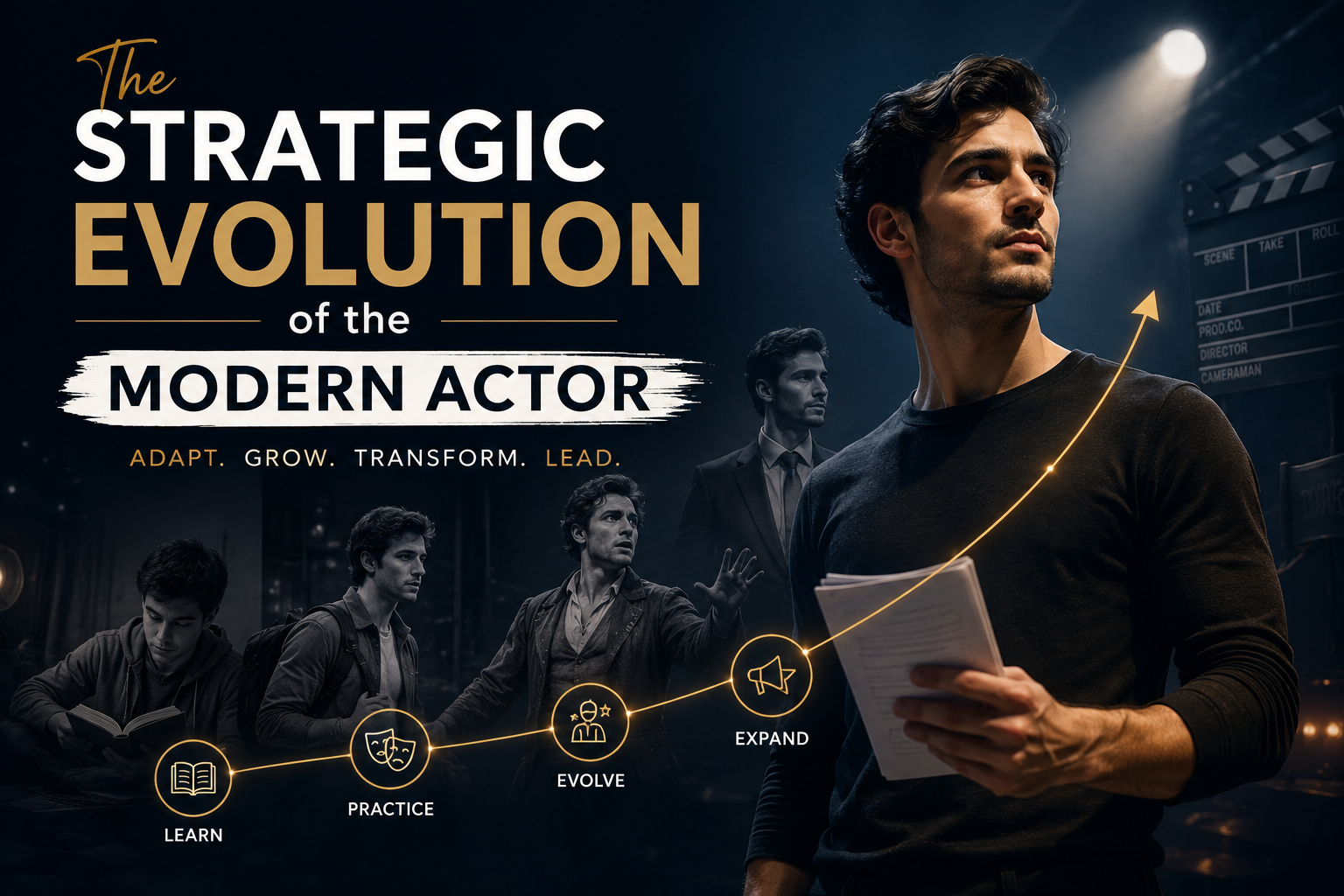
💡 The Strategic Evolution of the Modern Actor
A comprehensive strategic analysis of the acting profession, exploring economic shifts, the impact of AI, and global market trends in the entertainment industry.
Executive Summary
The global entertainment and media market is currently valued at approximately 2.5 trillion USD, with the acting profession serving as its central human capital component. This analysis identifies a significant shift from traditional studio-bound careers to a diversified, brand-centric model. Key findings indicate that while the top 1 percent of actors command 60 percent of total industry earnings, the rise of streaming platforms has increased the volume of available roles by 35 percent over the last decade. However, the integration of Artificial Intelligence and digital replication presents a structural challenge to traditional labor frameworks. This report examines the economic, technological, and strategic facets of being a professional actor in the current global landscape.
Introduction: The Actor as a Strategic Brand
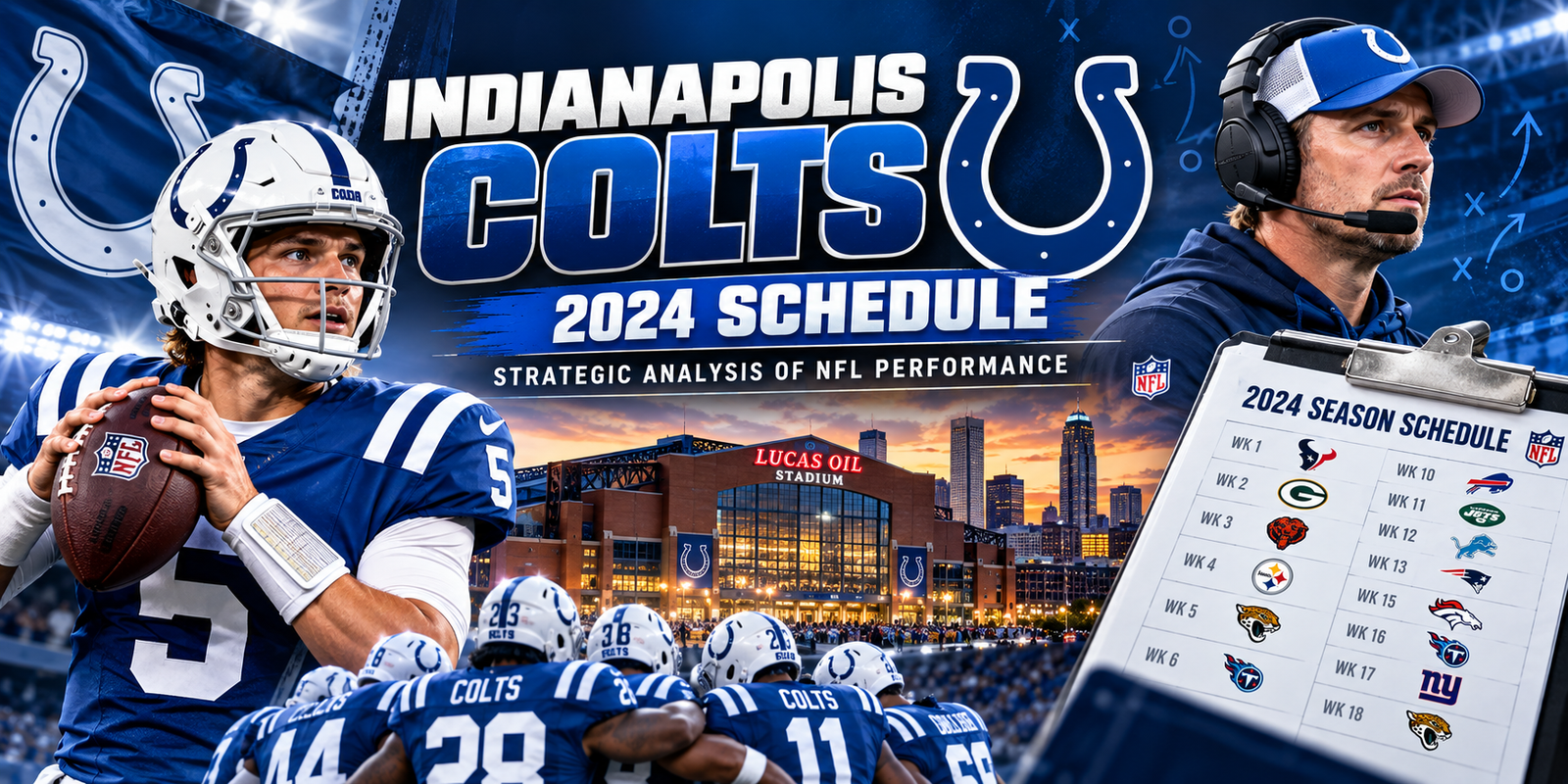
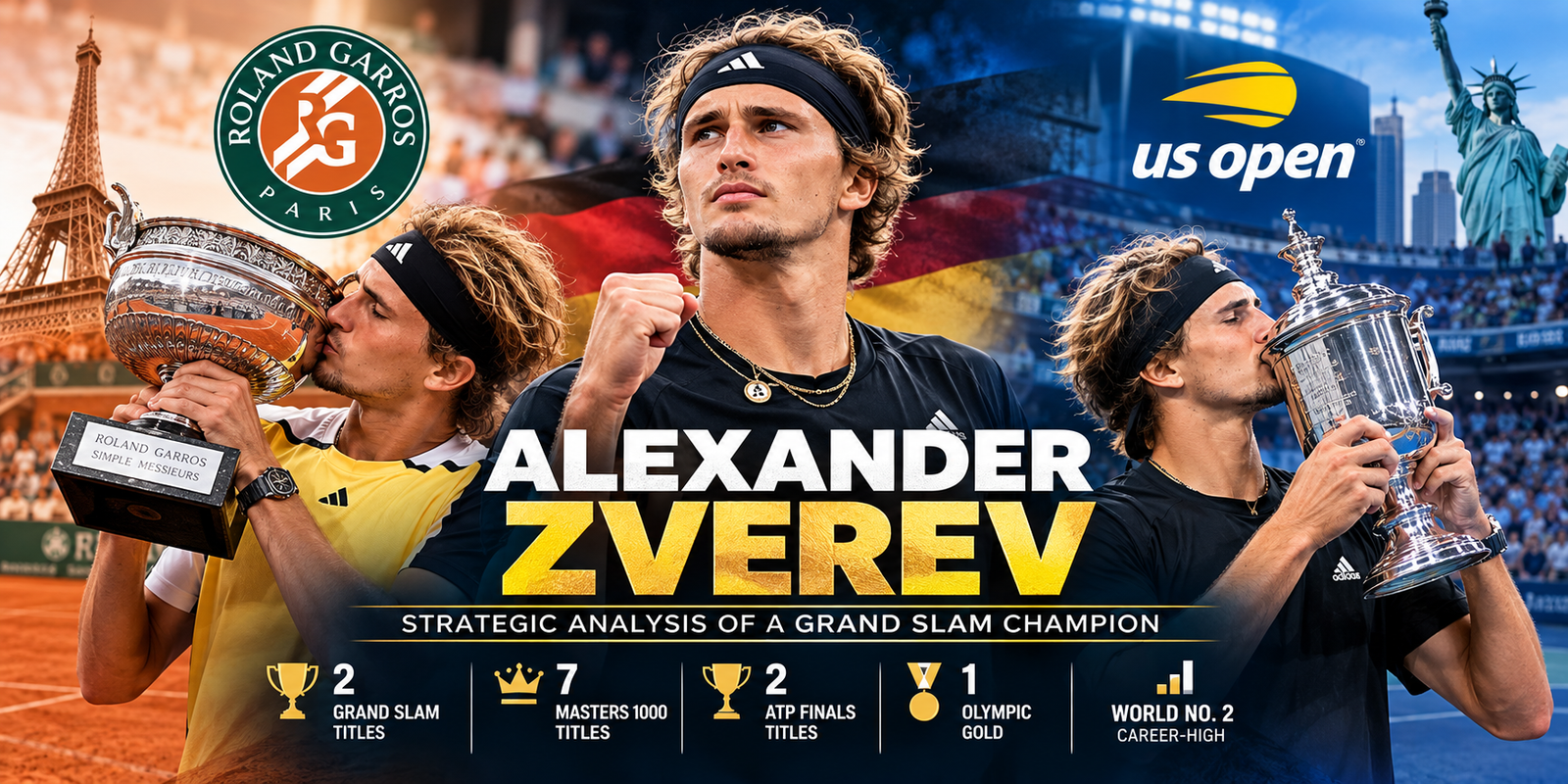
The role of an actor has transitioned from a mere performer to a complex economic entity. In the mid-20th century, the studio system dictated the trajectory of a career through rigid contracts. Today, the landscape is defined by individual agency, global reach, and digital influence. The modern actor must navigate a fragmented ecosystem where theatrical releases, streaming services, and social media presence intersect. This transformation requires a sophisticated understanding of personal branding, similar to the market strategies seen in high-stakes sports. For instance, analyzing the market value of performers often mirrors the commercial trajectory of elite athletes, as explored in the Jude Bellingham: Strategic Analysis of Football's Market Leader, where individual performance is inextricably linked to global brand equity.
The Deep Dive: Economic and Technological Drivers
The economic structure of acting is undergoing a radical realignment. According to the 2023 SAG-AFTRA industry reports, the traditional residuals model, which once provided long-term financial stability for actors, has been disrupted by the streaming business model. Unlike broadcast television, where reruns generated predictable income, streaming platforms often pay fixed buyouts, fundamentally changing the lifetime value of a single performance.
Regional markets are also shifting the balance of power. While Hollywood remains a dominant force, the rise of Hallyu (the Korean Wave) and the massive scale of the Indian film industry (producing over 1,500 films annually) have created a multipolar entertainment world. This globalization requires actors to possess cross-cultural appeal and linguistic versatility. The strategic importance of media institutions in shaping these global narratives is significant, much like the influence detailed in the BBC: Strategic Analysis of Global Media Authority, which highlights how centralized media power dictates international talent trends.
Technological advancement, specifically Generative AI and Motion Capture (MoCap), is the most significant strategic threat and opportunity for the profession. Data from McKinsey and Company suggests that up to 30 percent of traditional production tasks could be automated by 2030. For actors, this means the potential for digital twins to perform stunts, background work, or even lead roles. The 2023 industry strikes highlighted the urgency of establishing legal protections for an actor's digital likeness, marking a pivotal moment in labor history where the physical presence of a performer is no longer the sole requirement for a performance.
The Influence of Political and Social Context
Actors often wield influence that extends far beyond the screen, impacting social discourse and even political landscapes. The intersection of celebrity and policy is a well-documented phenomenon. High-profile performers frequently transition into advocacy or governance, leveraging their public platform to drive legislative change or social awareness. This level of public impact requires a strategic approach to communication and image management, a dynamic that is also visible in the careers of political figures who utilize media mastery to maintain authority, such as the patterns observed in the Donald Trump: Strategic Analysis of Political Influence.
What This Means for You: Actionable Insights
- For Aspiring Professionals: Diversification is mandatory. Relying solely on traditional auditions is no longer a viable long-term strategy. Developing skills in voice-over, motion capture, and content creation provides a multi-stream revenue model.
- For Industry Investors: Value is shifting toward intellectual property and the ownership of digital assets. Investing in talent with high cross-platform engagement offers better risk-adjusted returns than traditional star-power alone.
- For the General Audience: The distinction between human and digital performance will continue to blur. Consumer demand for authenticity will likely drive a premium for live performance and unedited human interaction.
- Technical Literacy: Understanding the legalities of image rights and digital contracts is as important as acting technique in the modern era.
Expert Verdict and Future Outlook
The future of the acting profession will be defined by the tension between technological efficiency and human emotional resonance. While AI can replicate the visual and auditory components of a performance, it cannot currently simulate the spontaneous emotional intelligence that a human actor brings to a set. The industry is moving toward a hybrid model where the physical actor serves as the primary data source for a multitude of digital expressions. Strategically, the most successful actors of the next decade will be those who view themselves as creative entrepreneurs, managing a portfolio of digital and physical performances while maintaining a high degree of personal brand integrity.
Frequently Asked Questions
How has streaming changed the average salary for actors?
Streaming has increased the number of jobs but generally decreased the long-term residual income. Most actors now receive higher upfront fees but lose out on the long-tail earnings that were common in broadcast television.
Is an acting degree still necessary in the digital age?
While formal training remains highly valued for craft and networking, digital platforms have democratized entry. A strong portfolio of independent work or a significant social media presence can now serve as a viable entry point into the professional industry.
How is AI currently being used to replace actors?
AI is primarily used for de-aging, voice cloning, and creating digital background actors. However, ethical concerns and new union contracts are beginning to limit how studios can use an actor's likeness without explicit consent and compensation.
What are the fastest-growing international markets for actors?
South Korea, India, and Nigeria (Nollywood) are seeing the most rapid growth in production volume and international distribution, creating new opportunities for global talent.
What is the typical success rate for professional actors?
The industry remains highly competitive. Data suggests that only about 2 percent of actors earn a full-time living from the profession, emphasizing the need for strategic career management and supplementary skills.
Conclusion: Strategic Takeaway
The acting profession is no longer a localized craft but a globalized, tech-driven industry. Success in this field requires a combination of traditional performance excellence and modern strategic management. As the boundary between digital and physical reality thins, the actor's primary asset remains their unique human perspective and their ability to connect with audiences on an emotional level. Adapting to new economic models and technological tools is not just an advantage; it is a necessity for survival in the 21st-century entertainment landscape.


Comments 0
Leave a Reply
Your email address will not be published. Required fields are marked *
Be the first to share your thoughts!