
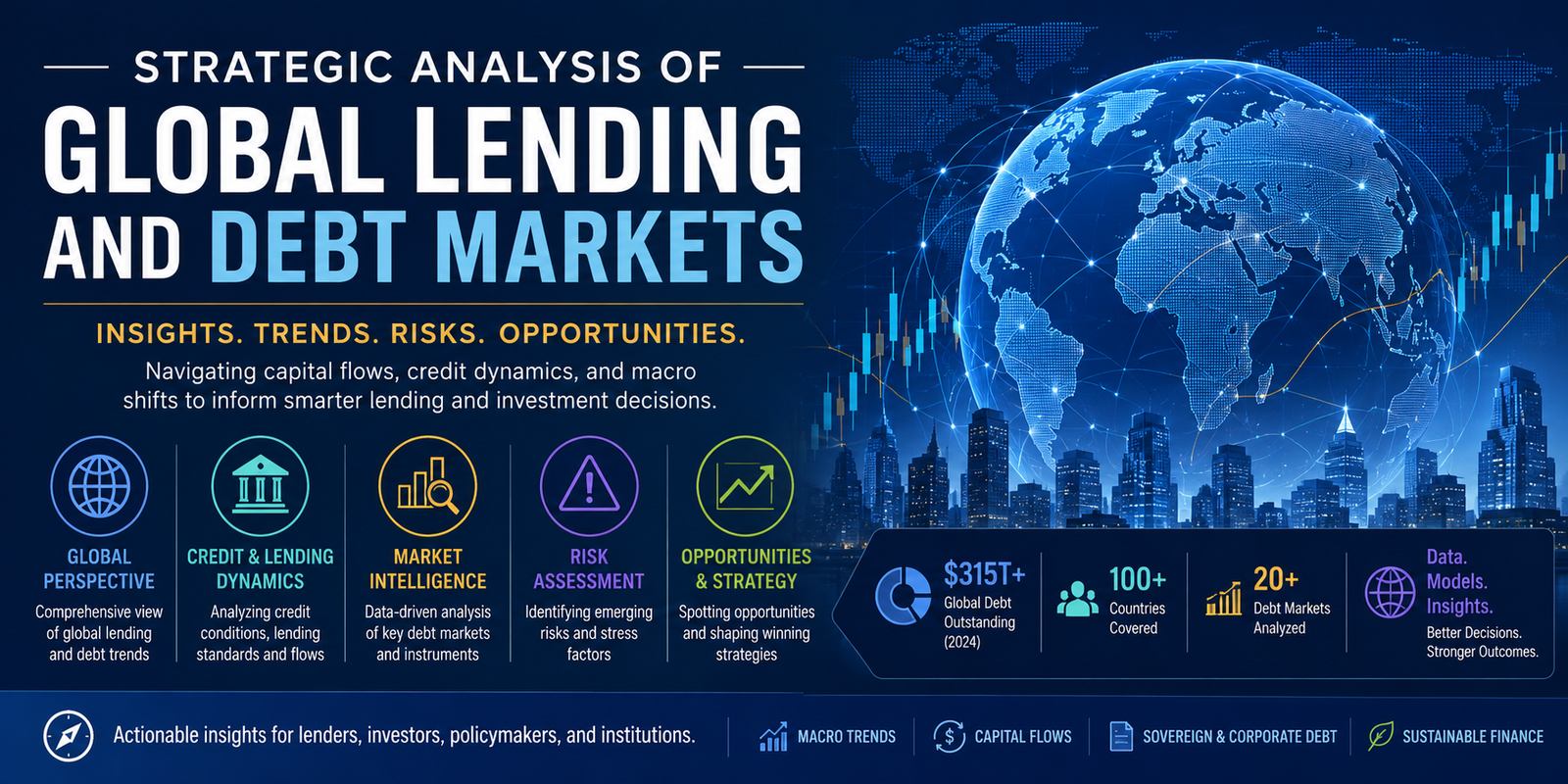
💡 Strategic Analysis of Global Lending and Debt Markets
A comprehensive analysis of the global loan market, exploring interest rate dynamics, fintech innovation, and strategic debt management for 2024.
💡 Important Note:
Financial Disclaimer: This content is for educational purposes only and does not constitute professional financial advice. Always consult with a certified financial planner before making investment decisions.
Executive Summary
The global lending landscape is currently navigating a period of significant transition. As of late 2023 and early 2024, total global debt has reached a record high of approximately 313 trillion dollars, according to the Institute of International Finance. This surge is characterized by a shift from traditional banking structures to decentralized and fintech-driven platforms. Key data highlights include a sustained increase in US household debt, which surpassed 17.5 trillion dollars in the fourth quarter of 2023, and a projected 25 percent compound annual growth rate in the global digital lending market through 2030. This report analyzes the mechanics of modern credit, the impact of central bank policies, and the strategic utilization of debt for both personal and corporate growth.

Introduction
Lending is the foundational engine of the modern economy. It facilitates capital flow, allowing individuals to invest in appreciating assets and corporations to scale operations. However, the environment for securing loans has become increasingly complex due to fluctuating interest rates and more stringent risk assessment protocols. Understanding the nuances of credit is no longer just a requirement for financial professionals: it is a vital skill for anyone navigating the current economic climate. Whether it is a mortgage, a commercial line of credit, or a personal loan, the strategic application of borrowed capital determines long term financial stability. The current market requires a sophisticated understanding of how macroeconomic factors, such as the Rupee performance and valuation, influence global liquidity and domestic borrowing costs.
The Deep Dive: Mechanics and Market Forces
The lending market is divided into several critical segments, each governed by different risk profiles and regulatory frameworks. At the core of these segments is the cost of capital, primarily determined by central bank interest rates. When the Federal Reserve or similar global institutions adjust the prime rate, the ripple effects are felt across all loan products.
1. Consumer Lending and Credit Risk
Consumer loans, including mortgages, auto loans, and credit cards, rely heavily on credit scoring models like FICO. In 2024, the average credit card interest rate has remained elevated, often exceeding 21 percent. This has led to a rise in delinquency rates among younger demographics. Financial institutions are now utilizing alternative data, such as utility payment history and rental records, to assess creditworthiness more accurately. This evolution in risk assessment allows for greater inclusivity but also requires borrowers to be more diligent in managing their financial profiles.
2. Commercial and Corporate Debt
For businesses, debt is a strategic tool for expansion rather than a mere liability. Large scale enterprises often utilize syndicated loans or corporate bonds to fund capital expenditures. We see this strategic use of capital in the way major figures build their portfolios. For instance, the Ryan Reynolds business empire demonstrates how leveraging brand equity and strategic investment can lead to massive valuations, often supported by sophisticated financing structures. Similarly, in the realm of global infrastructure, the Mohamed Alabbar business strategy highlights how large scale debt is managed to facilitate massive real estate developments that define modern cities.
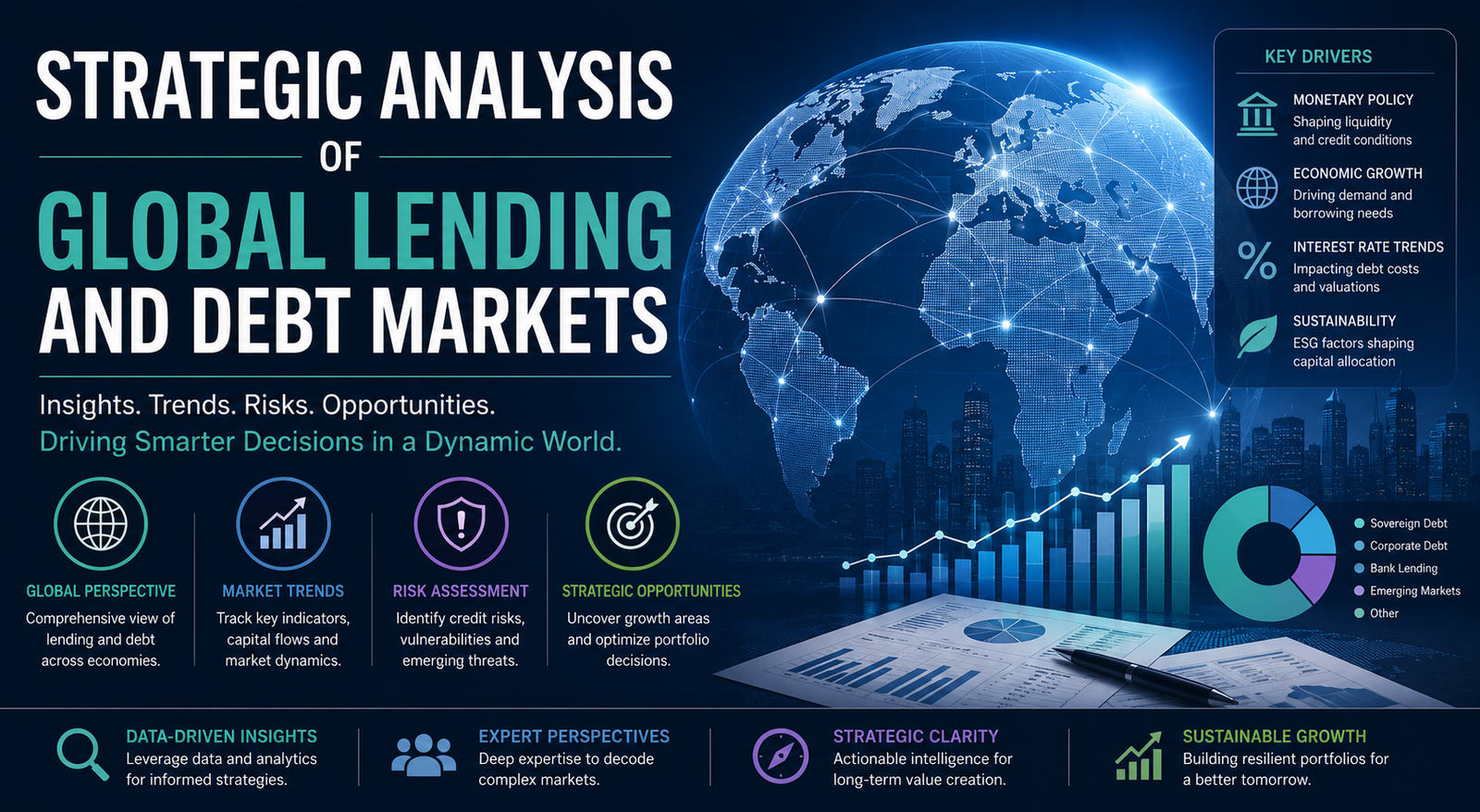
3. The Rise of Fintech and Digital Lending
Traditional banks are facing stiff competition from fintech firms that offer faster approval times and lower overhead costs. Digital lending platforms utilize machine learning algorithms to process thousands of data points in seconds, providing a seamless user experience. This democratization of credit has been particularly impactful in emerging markets, where traditional banking infrastructure may be lacking. However, the speed of digital lending also necessitates a higher level of consumer awareness regarding hidden fees and predatory lending practices.
What This Means For You: Actionable Breakdown
Navigating the loan market requires a methodical approach. Here is how you can optimize your borrowing strategy:
- Analyze the Annual Percentage Rate (APR): Do not look at the interest rate alone. The APR includes fees and other costs, providing a more accurate picture of the total cost of the loan.
- Improve Your Debt to Income Ratio: Lenders typically look for a ratio below 36 percent. Reducing existing debt before applying for a new loan can significantly improve your terms.
- Compare Fixed vs. Variable Rates: In a volatile market, fixed rates provide certainty, while variable rates may offer initial savings but carry the risk of future increases.
- Understand Loan Covenants: For business loans, be aware of the conditions set by the lender, such as maintaining certain levels of cash flow or equity.

Expert Verdict and Future Outlook
The future of lending is moving toward hyper personalization. We expect to see the integration of blockchain technology to facilitate smart contracts, which could automate loan disbursements and repayments, reducing the need for intermediaries. Furthermore, as environmental, social, and governance (ESG) criteria become more prominent, we may see the rise of green loans that offer lower interest rates for sustainable projects. The industry consensus suggests that while interest rates may stabilize, the criteria for borrowing will remain rigorous, favoring those with strong liquidity and transparent financial histories.
Frequently Asked Questions
1. What is the difference between a secured and an unsecured loan?
A secured loan requires collateral, such as a house or a car, which the lender can seize if you default. An unsecured loan, like a personal loan or credit card, does not require collateral but typically carries a higher interest rate due to the increased risk for the lender.
2. How does inflation affect my existing loans?
If you have a fixed rate loan, inflation can actually benefit you, as you are paying back the debt with money that is worth less than when you borrowed it. However, inflation often leads to higher interest rates for new loans and variable rate debt.
3. Can I negotiate the terms of a loan?
Yes, especially in commercial lending or when dealing with private lenders. Borrowers with high credit scores or significant assets often have the leverage to negotiate lower interest rates or the removal of certain fees.
4. What is a debt consolidation loan?
This is a type of loan used to pay off multiple smaller debts, such as credit cards. It simplifies your payments and often provides a lower interest rate, but it does not eliminate the debt itself: it merely restructures it.
5. How long does a loan application usually take?
Traditional bank loans can take anywhere from a few days to several weeks, especially for mortgages. Fintech platforms can often provide an initial decision within minutes and fund the loan within 24 to 48 hours.
Conclusion
Loans are powerful financial instruments that, when used strategically, can accelerate wealth creation and business growth. The key to success in the current market is a combination of high financial literacy, a strong credit profile, and an awareness of macroeconomic trends. As the lending industry continues to evolve through technological innovation, staying informed will be the most valuable asset for any borrower. By understanding the underlying mechanics of debt and the strategic goals of lending institutions, you can position yourself to secure the most favorable terms and ensure long term financial health.
Important Note: Financial Disclaimer: This content is for educational purposes only and does not constitute professional financial advice. Always consult with a certified financial planner before making investment decisions.




Comments 0
Leave a Reply
Your email address will not be published. Required fields are marked *
Be the first to share your thoughts!