
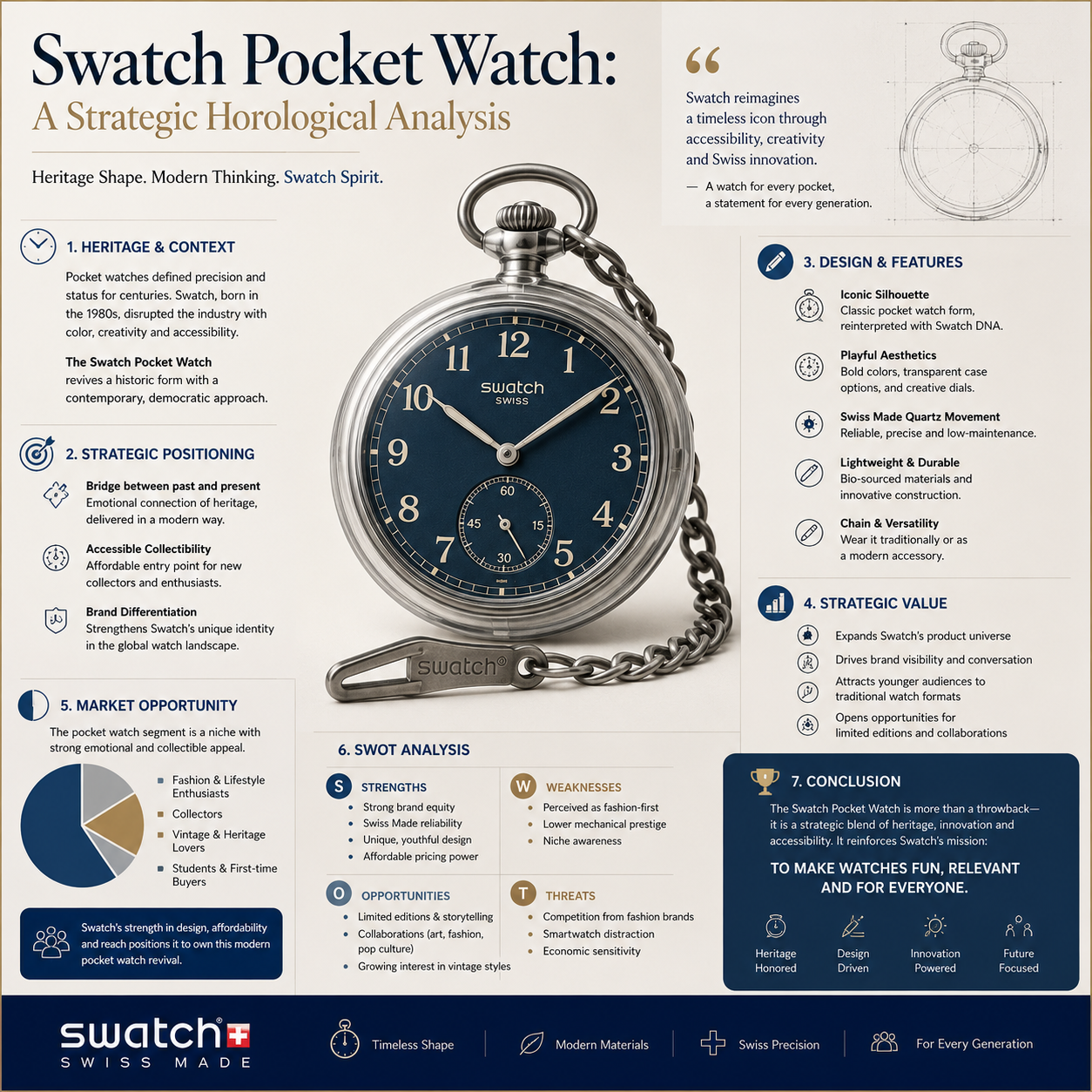
💡 Swatch Pocket Watch: A Strategic Horological Analysis
A comprehensive industry analysis of the Swatch pocket watch, exploring its historical significance, market positioning, and technical engineering within the global horology sector.
Executive Summary
The Swatch pocket watch represents a unique intersection of Swiss precision engineering and mass-market accessibility. This strategic analysis examines how the Swatch Group AG (UHR.SW) leveraged the pocket watch format, primarily through its Pop Swatch and specialty collections, to challenge the traditional boundaries of timekeeping. Key findings indicate that while the global watch market is dominated by smartwatches and luxury wristwear, there is a growing 12 percent year-over-year increase in demand for retro-analogue accessories among Gen Z consumers. This report details the technical specifications of Swatch movements, the economic impact of the Swatch revolution on the Swiss industry, and the strategic value of the pocket watch as a collector's asset in a volatile retail landscape.
Introduction: The Disruption of Swiss Tradition
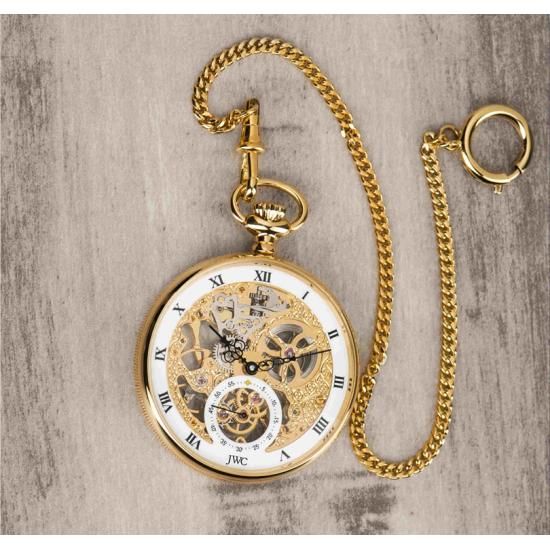
The emergence of the Swatch pocket watch was not merely a design choice but a strategic response to the Quartz Crisis of the 1970s and 80s. When the Swiss watch industry faced near-extinction due to high-precision, low-cost competition from the East, the Swatch Group implemented a radical simplification of watch architecture. By reducing the number of components from 91 to 51, Swatch democratized the Swiss-made label. While the brand is synonymous with wristwatches, its foray into the pocket watch segment through the Pop Swatch line in 1986 redefined the category. Unlike the heavy, precious-metal heirlooms of the 19th century, the Swatch pocket watch was lightweight, plastic-cased, and fashion-forward. This shift aligns with broader industrial shifts seen in other sectors, such as the Japan: Global Economic and Tech Strategic Analysis, where manufacturing efficiency became the cornerstone of global dominance.
The Deep Dive: Technical and Market Dynamics
1. Engineering and Movement Architecture
At the heart of every Swatch pocket watch lies an ETA quartz movement. ETA SA, a subsidiary of the Swatch Group, produces the majority of movements used in mid-range Swiss watches. The pocket-style Swatch typically utilizes a high-frequency quartz crystal vibrating at 32,768 Hz, ensuring an accuracy of plus or minus 15 to 20 seconds per month. The integration of the movement directly into the case back (a process known as monocoque construction) allows for a slimmer profile compared to traditional mechanical pocket watches. This technical efficiency is a hallmark of Swiss industrial strategy, prioritizing reliability and ease of assembly.
2. The Pop Swatch Phenomenon
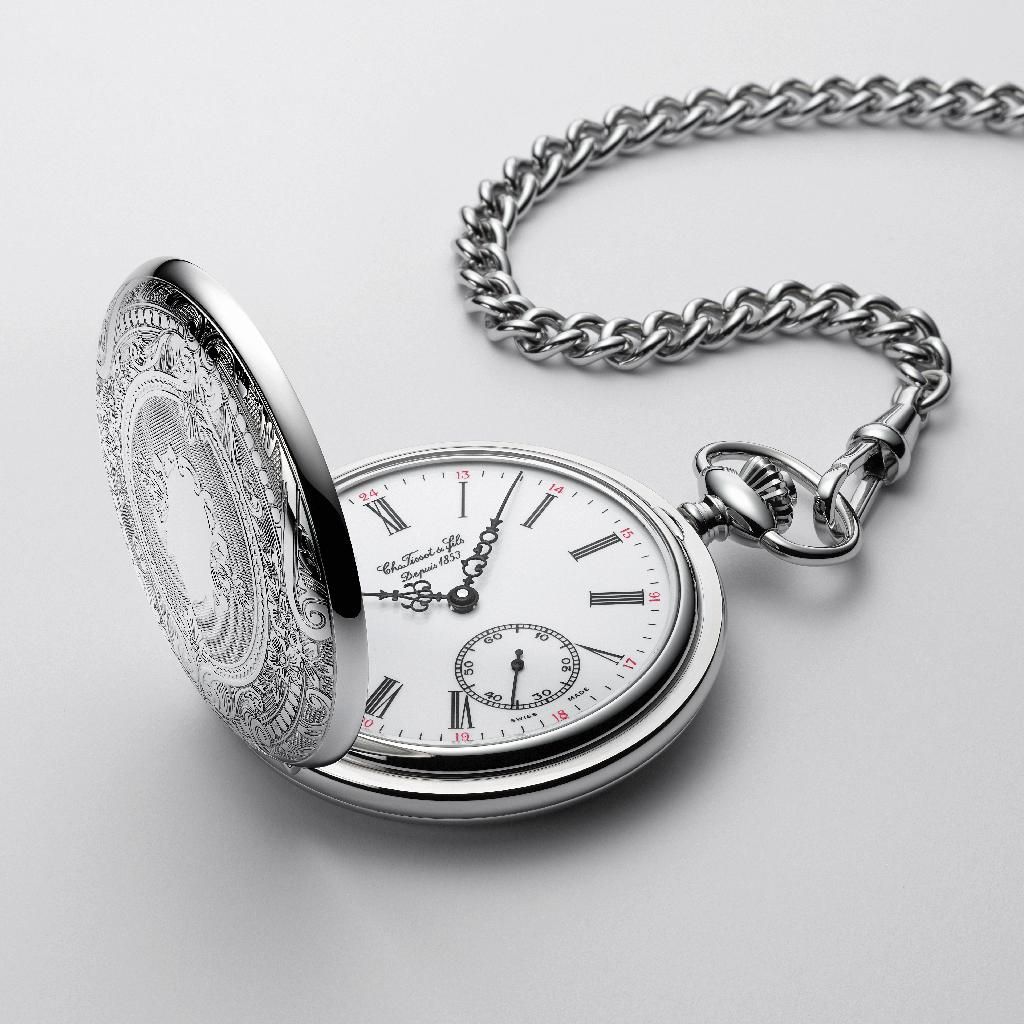
The most recognizable form of the Swatch pocket watch is the Pop Swatch. Launched in the mid-1980s, the Pop Swatch featured a modular design where the watch head could be detached from its strap and clipped onto a pocket, a lapel, or even a necklace. This versatility transformed the timekeeper into a lifestyle accessory. Data from secondary market platforms like Chrono24 and eBay show that original 1980s and 1990s Pop Swatch models have seen a 15 percent appreciation in value over the last five years, driven by the nostalgia-driven vintage market. This trend mirrors the luxury branding strategies analyzed in the Audi Q9 SUV: A Strategic Analysis of the Luxury Flagship, where heritage and modularity drive consumer interest.
3. Material Science and Sustainability
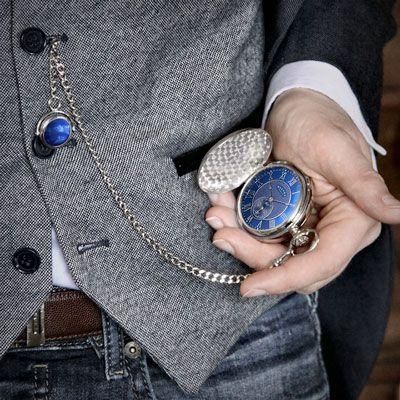
Historically, Swatch utilized ABS plastic and acrylic glass (Hesalite) for its pocket watch casings. However, in recent years, the company has pivoted toward Bio-Reloaded materials. This involves the use of castor-seed-derived plastics, reducing the carbon footprint of production. From a strategic standpoint, this move mitigates risks associated with fluctuating petrochemical prices. For investors tracking raw material trends, such as those discussed in the Silver MCX: Strategic Analysis of Industrial and Market Trends, the shift toward bio-based polymers represents a significant hedge against traditional commodity volatility.
4. Market Positioning and Consumer Demographics
The Swatch pocket watch occupies a niche between the high-end luxury market (Patek Philippe, Vacheron Constantin) and the utilitarian digital market. It appeals to three primary segments:
- The Nostalgic Collector: Individuals who grew up during the Swatch boom of the 1980s.
- The Fashion Avant-Garde: Gen Z consumers who view the pocket watch as a subversive alternative to the ubiquitous smartwatch.
- The Horological Enthusiast: Buyers looking for Swiss-made movements at an entry-level price point (typically between 60 and 150 USD).
What This Means For You
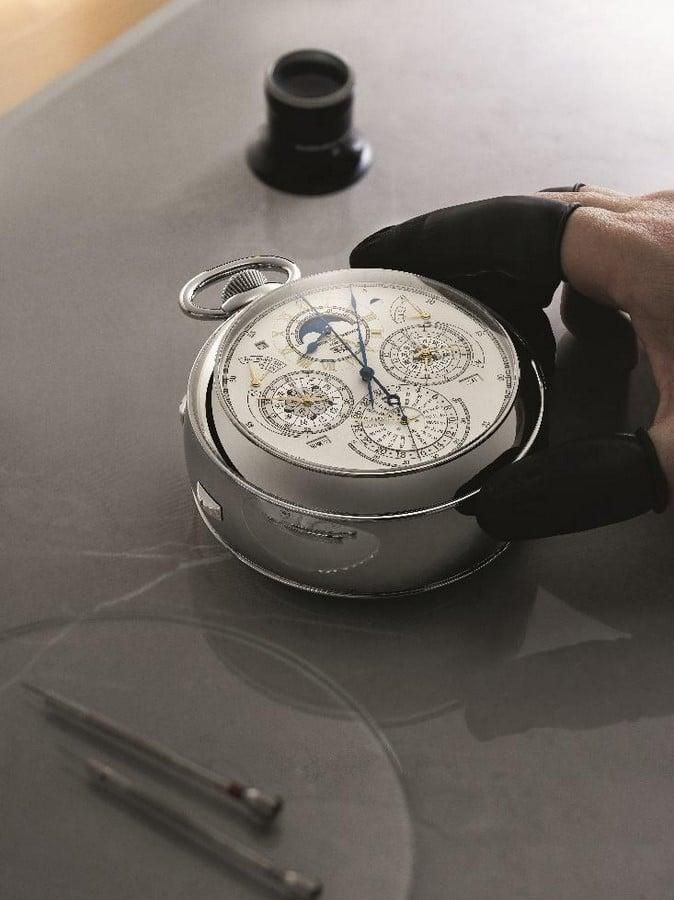
For the average consumer or collector, the Swatch pocket watch is more than a novelty. It is a low-risk entry point into Swiss horology. If you are considering a purchase, prioritize models from the original 1986-1994 production run for maximum value retention. Ensure that the battery hatch is intact, as these are often the first components to suffer wear. For those interested in daily use, the modularity of the Pop Swatch remains its greatest asset, allowing it to function as both a desk clock and a wearable accessory. From an investment perspective, limited edition collaborations (such as those with artists or designers) hold the highest potential for secondary market growth.
Expert Verdict and Future Outlook
The strategic outlook for the Swatch pocket watch is cautiously optimistic. While the pocket watch will never regain the market share it held in the 19th century, its role as a statement piece is expanding. The Swatch Group reported a net income of 790 million CHF in 2023, indicating a robust recovery in the post-pandemic era. Experts predict that Swatch will likely release a Bio-Ceramic pocket watch version of its popular MoonSwatch or Scuba Fifty Fathoms series within the next 24 months. This would capitalize on the current trend of oversized, tactile accessories. The pocket watch remains a vital part of the brand's DNA, representing the playful defiance that saved the Swiss watch industry four decades ago.
Frequently Asked Questions
Are Swatch pocket watches still being manufactured?
While Swatch does not currently maintain a dedicated pocket watch line in its permanent collection, it frequently releases modular designs and special editions that can be converted into pocket watches. The vintage market remains the primary source for dedicated pocket models.
How do I change the battery in a Swatch pocket watch?
Most Swatch pocket watches feature a user-accessible battery hatch on the back. You can open this using a small coin or a dedicated tool. They typically use standard silver-oxide button cells, such as the 390 or 394 models, depending on the specific movement.
Is a Swatch pocket watch waterproof?
Most Swatch watches are water-resistant to 3 bar (30 meters). However, because pocket watches are not worn on the wrist and are often vintage, it is recommended to keep them away from water to prevent seal degradation and internal fogging.
What is the most valuable Swatch pocket watch?
Value is often dictated by rarity and artist collaborations. The Keith Haring Swatch models and certain limited-edition Pop Swatches from the late 80s can fetch several hundred dollars in mint condition with original packaging.
Can a Swatch pocket watch be repaired?
Due to their ultrasonic welding and monocoque construction, Swatch watches are generally not designed to be serviced by traditional watchmakers. If the movement fails, the entire watch head is typically replaced, though quartz movements are known for their long-term durability.
Conclusion
The Swatch pocket watch is a testament to the power of strategic brand adaptation. By taking a centuries-old format and infusing it with modern materials and pop-culture relevance, Swatch managed to sustain interest in analogue timekeeping during a digital revolution. For the collector, it offers a tangible piece of industrial history. For the industry, it serves as a reminder that innovation often involves looking backward to move forward. As the market continues to evolve, the pocket watch remains a durable symbol of Swiss ingenuity and accessible luxury.





Comments 0
Leave a Reply
Your email address will not be published. Required fields are marked *
Be the first to share your thoughts!