
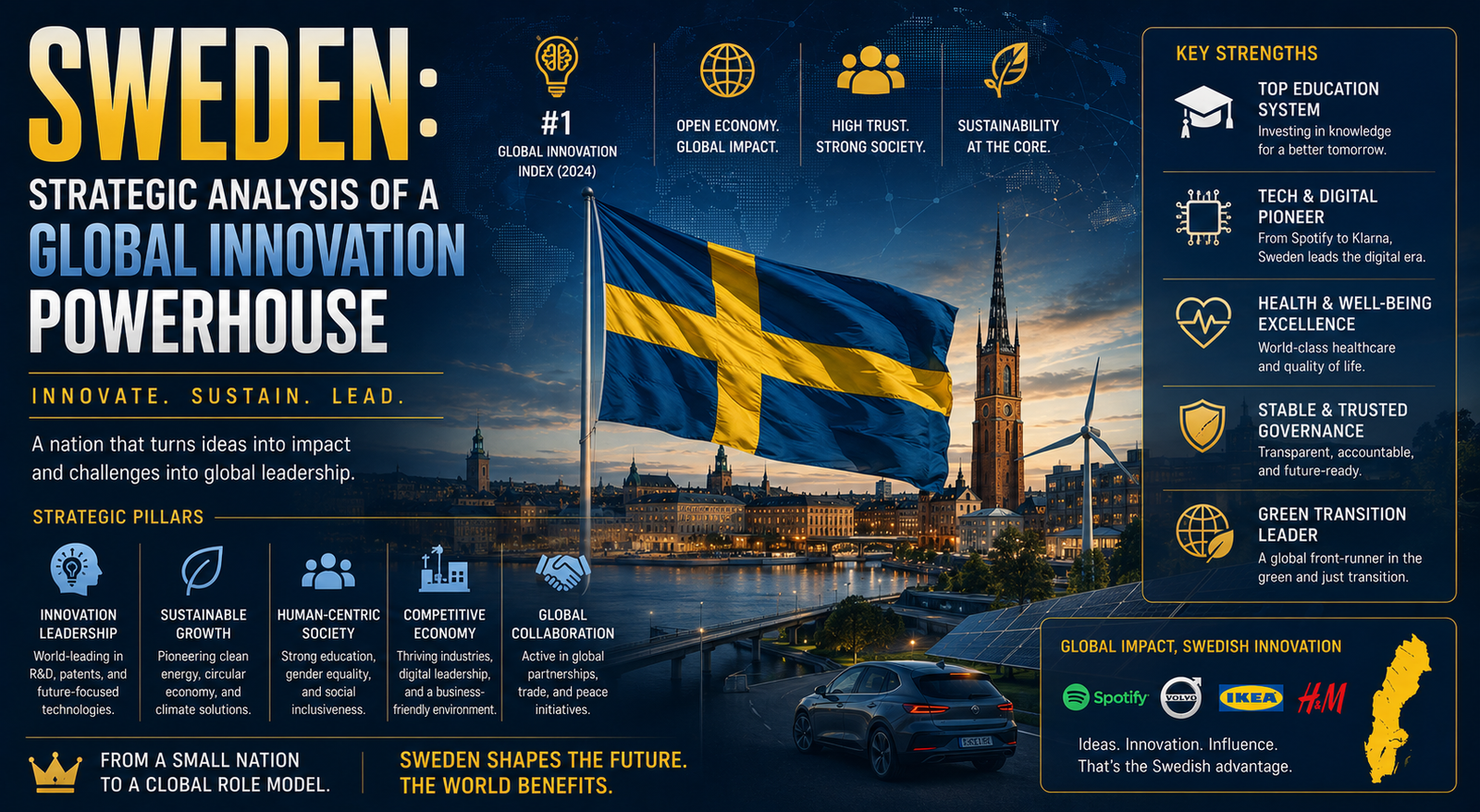
💡 Sweden: Strategic Analysis of a Global Innovation Powerhouse
An authoritative strategic analysis of Sweden's economic resilience, technological innovation, and geopolitical shift toward NATO integration.
Executive Summary
Sweden represents a unique case study in economic resilience and institutional adaptability. Despite a global slowdown, Sweden maintains one of the highest Research and Development (R&D) expenditures in the world, consistently exceeding 3.4 percent of its Gross Domestic Product (GDP). This analysis identifies three primary pillars of Swedish strategic dominance: a high-density innovation ecosystem, a pioneering role in the green industrial revolution, and a fundamental shift in geopolitical posture via NATO accession. Key data highlights include a projected defense budget increase to 2.1 percent of GDP by 2024 and a venture capital environment that produces more unicorns per capita than any region outside of Silicon Valley.
Introduction
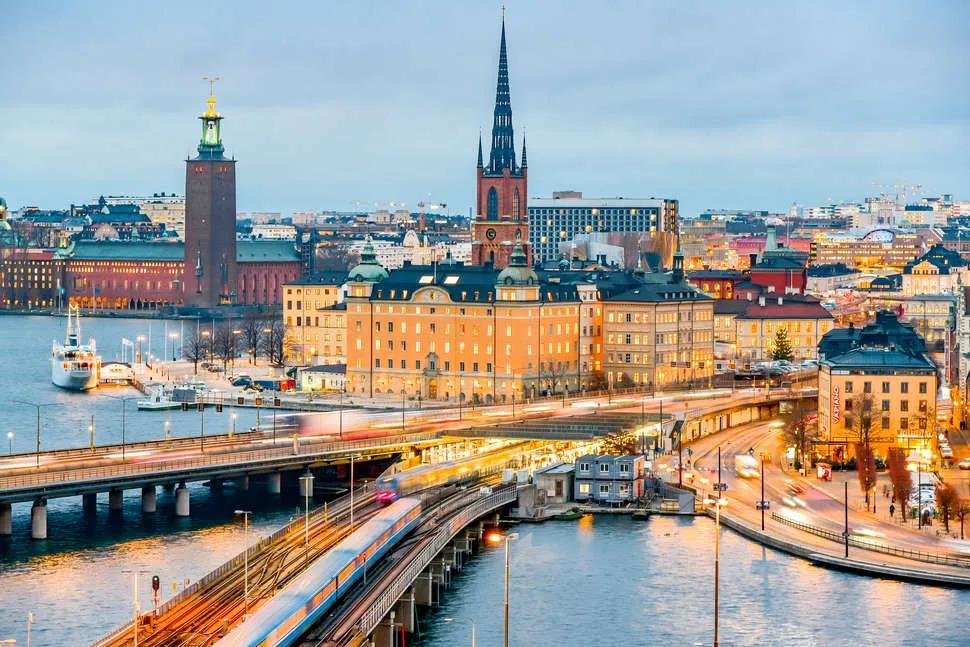
Sweden has transitioned from a traditional industrial economy into a global hub for high-tech innovation and sustainable development. Often cited as the gold standard of the Nordic Model, the nation balances a comprehensive social safety net with a fiercely competitive, export-oriented market. Historically defined by its policy of non-alignment, Sweden recently underwent its most significant strategic pivot in two centuries by joining NATO. This move not only redefines Northern European security but also integrates Sweden more deeply into the Western industrial-military complex. To understand the current trajectory of the Swedish state, one must analyze the intersection of its fiscal discipline, technological foresight, and institutional trust.
The Deep Dive: Strategic Pillars of the Swedish Model
1. The Innovation Ecosystem and Digital Leadership
Sweden consistently ranks in the top three of the Global Innovation Index. The success of the Swedish model is rooted in a collaborative framework between the public sector, academia, and private enterprise. Stockholm has earned the reputation of a unicorn factory, having birthed global giants such as Spotify, Klarna, and King. This success is not accidental; it is the result of early investments in digital infrastructure, such as the 1990s PC reform which subsidized home computer purchases for citizens.
The Swedish financial sector also reflects this technological maturity. When examining the Stock Market: A Strategic Analysis of Global Financial Dynamics, the OMX Stockholm 30 index demonstrates a high concentration of engineering and healthcare firms that prioritize long-term value over short-term speculation. This stability attracts significant foreign direct investment, particularly in the fintech and deep-tech sectors.
2. The Green Industrial Revolution
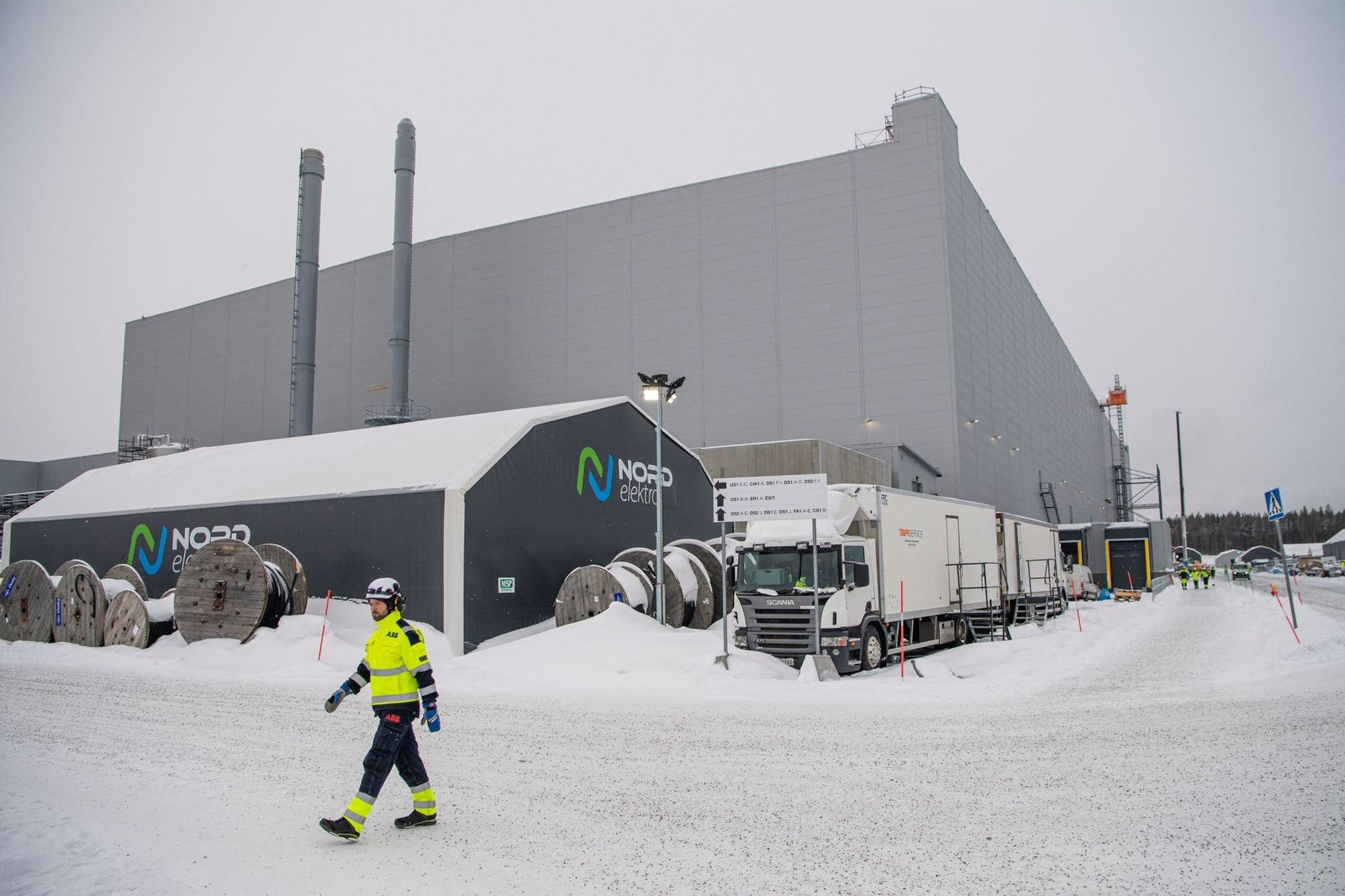
Sweden is currently leading the world in the decarbonization of heavy industry. The northern region, Norrland, is the center of a massive industrial transformation. Projects like Northvolt (lithium-ion batteries) and HYBRIT (fossil-free steel) are setting global benchmarks for sustainable manufacturing. By leveraging abundant hydroelectric and wind power, Sweden is repositioning itself as the primary provider of green materials for the European automotive and construction sectors.
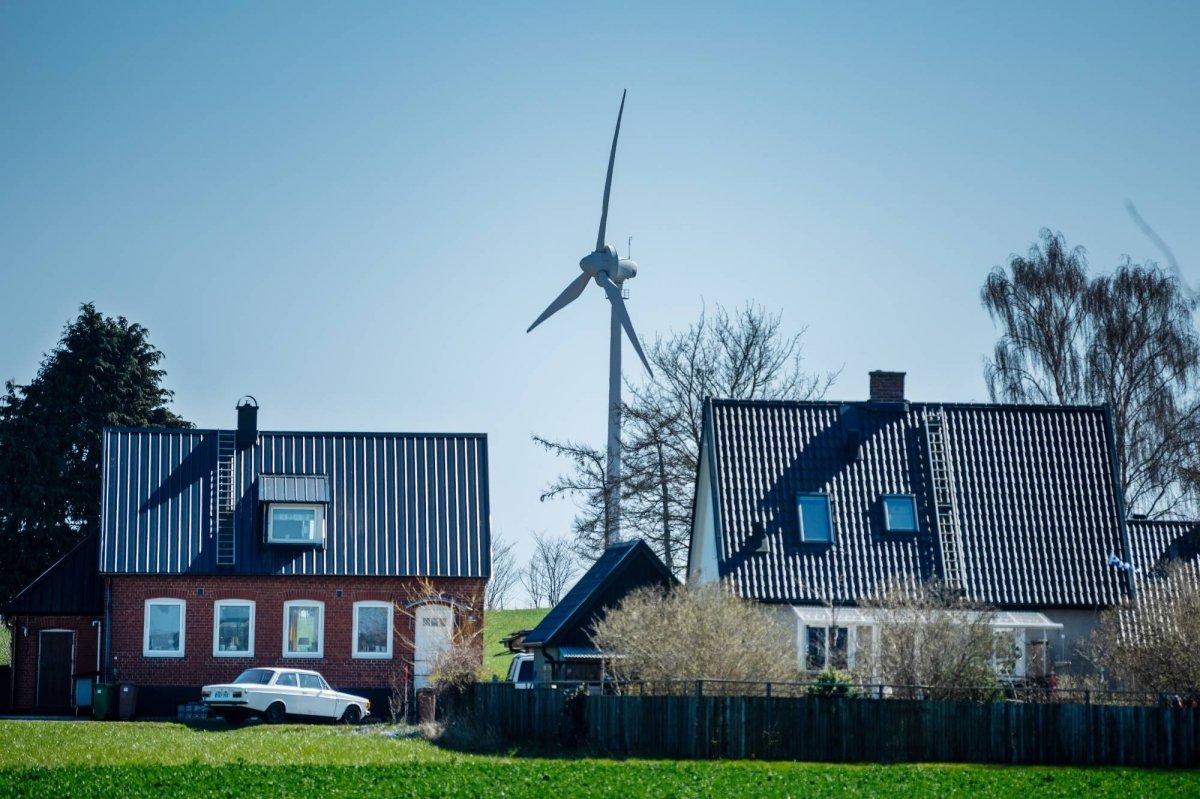
Statistically, Sweden aims for zero net emissions by 2045. Already, over 60 percent of its energy production comes from renewable sources, the highest share in the European Union. This transition provides a competitive edge as global carbon taxes and environmental regulations become more stringent, allowing Swedish firms to maintain market access where others may face barriers.
3. Geopolitical Realignment and Defense Strategy
The accession to NATO marks a definitive end to 200 years of military non-alignment. This shift has profound implications for Sweden's defense industry, spearheaded by companies like Saab and BAE Systems Bofors. The Swedish defense strategy is built on the concept of Total Defense, which integrates civilian and military resources to ensure national resilience. In the context of modern security, the role of a Military Officer: Strategic Analysis of Modern Leadership has become central to Sweden's integration into the alliance's command structure.
Sweden's defense spending is set to reach 119 billion SEK in 2024, a doubling since 2020. This investment is focused on advanced submarine technology, Gripen fighter jets, and cyber defense capabilities. Strategically, Sweden serves as a logistical hub for NATO in the Baltic Sea and the High North, enhancing the security of the entire Nordic-Baltic region.
4. Economic Resilience and Fiscal Policy
Sweden maintains a low debt-to-GDP ratio, hovering around 30 percent, which is significantly lower than the EU average. This fiscal headroom allows the government to deploy counter-cyclical measures during economic downturns without risking long-term stability. While the housing market remains a point of vulnerability due to high household debt and supply shortages, the banking sector is well-capitalized and strictly regulated.
The Swedish labor market operates under the Swedish Model of self-regulation, where trade unions and employer organizations negotiate wages without government interference. This consensus-based approach minimizes industrial action and ensures that wage growth is aligned with national productivity, keeping Swedish exports competitive on the global stage.
What This Means For You
- For Investors: Sweden offers a stable environment with high exposure to green technology and digital innovation. The OMXS30 is a prime target for those looking for industrial quality and ESG-compliant portfolios.
- For Businesses: The Swedish market serves as an ideal testbed for new technologies. If a product succeeds in the highly tech-literate Swedish consumer market, it is often ready for global scaling.
- For Professionals: Sweden continues to attract high-skilled talent in engineering, software development, and sustainability. The work culture emphasizes flat hierarchies and work-life balance, making it a top destination for global experts.
- For Policy Makers: The Swedish transition to fossil-free steel and its R&D investment strategies provide a blueprint for balancing industrial growth with climate targets.
Expert Verdict / Future Outlook
The outlook for Sweden is one of cautious optimism. While the nation faces challenges such as an aging population and social integration issues, its core economic engines are robust. The integration into NATO will likely lead to an era of increased industrial cooperation with North American and European defense partners. Furthermore, as the European Union pushes for strategic autonomy, Sweden’s role as a provider of critical minerals and green energy will become increasingly vital. The primary risk remains the volatility of the global trade environment, upon which Sweden’s export-heavy economy relies. However, its high level of institutional trust and innovation capacity suggests that Sweden will remain a top-tier global economy through the next decade.
FAQ
How has NATO membership changed Sweden's economy?
NATO membership has accelerated investments in the defense sector and increased industrial collaboration with allied nations. It has also improved Sweden's risk profile for certain international investors who prioritize regional security stability.
Why is Sweden considered a leader in innovation?
Sweden’s leadership is driven by high R&D spending (3.4 percent of GDP), a highly educated workforce, and a culture that encourages risk-taking. The government also provides significant support for early-stage startups through various agencies.
What are the biggest risks to the Swedish economy?
The primary risks include high levels of household debt, a sensitive housing market, and a heavy reliance on global trade. Any significant disruption in international supply chains or a prolonged global recession impacts Sweden more than less export-oriented nations.
Is Sweden's green transition actually working?
Yes. Projects like HYBRIT have already produced the world's first fossil-free steel delivered to customers. Sweden's carbon emissions per capita are among the lowest in the industrialized world, even as its industrial output remains high.
What makes the Swedish business culture unique?
Swedish business culture is characterized by consensus-based decision-making, flat organizational structures, and a high degree of transparency. This often leads to slower initial decisions but much faster and more efficient implementation once a consensus is reached.
Conclusion
Sweden’s strategic trajectory is defined by a rare combination of historical stability and aggressive future-proofing. By investing heavily in R&D, leading the charge in green industrialization, and securing its borders through international alliances, Sweden has positioned itself as a pivotal player in the 21st-century global economy. For stakeholders ranging from multinational corporations to individual investors, Sweden represents a benchmark for how a modern state can navigate the complexities of technological disruption and geopolitical change while maintaining social cohesion and economic prosperity.





Comments 0
Leave a Reply
Your email address will not be published. Required fields are marked *
Be the first to share your thoughts!