
💡 What is Target dress code?
Explore the comprehensive guide to the Target dress code, including core requirements, recent shifts toward stricter standards, and tips for maintaining a professional retail appearance.
Mastering the Target Dress Code: A Comprehensive Guide to Professional Retail Standards
In the competitive world of retail, brand identity is often defined by the visual presentation of its workforce. Target, one of the largest retailers in the United States, has long been recognized for its iconic red and khaki color scheme. As the retail landscape evolves, maintaining a consistent and professional image becomes a priority for corporate leadership. Industry reports suggest that a standardized dress code helps identify staff, fosters team unity, and ensures the focus remains on customer service and brand consistency.
Understanding the nuances of the Target dress code is essential for current employees, prospective hires, and industry observers. While the core elements of the attire have remained relatively stable for decades, there are periodic shifts in how these rules are enforced and interpreted. Retail management studies indicate that tightening dress code policies is a strategy used by large corporations to maintain brand consistency. This guide provides an in-depth look at the expectations, the reasoning behind the standards, and practical tips for adhering to professional retail guidelines.

The Core Concepts of the Target Dress Code
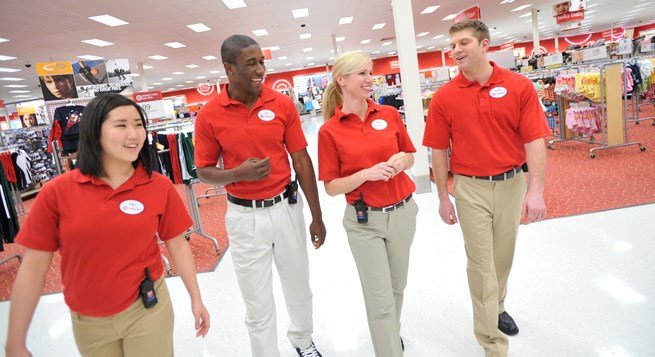
The foundation of the Target aesthetic is built on two primary colors: red and khaki. This combination is instantly recognizable to millions of shoppers and serves as a visual beacon for those seeking assistance. However, the application of these colors involves specific rules that go beyond simply wearing any red garment.
The Red Top Requirement
The most critical aspect of the attire is the red top. As per recent industry reports on retail branding, the color red is associated with energy and urgency, which helps guests quickly locate team members. The standard requirement is a solid red shirt. This can be a t-shirt, a polo, a button-down, or even a sweater, provided the primary color is red. In recent years, some locations have allowed for patterns or logos as long as red remains the dominant color, but corporate guidelines often emphasize solid shades to maintain a clean, uniform appearance.
Bottoms: Khaki and Denim
For many years, khaki pants were the non-negotiable standard for Target team members. However, in a move to increase employee comfort and modernize the look, the company expanded the policy to include solid blue denim. While this change was widely welcomed, it came with specific caveats. Jeans must be free of holes, fraying, or excessive distressing. The goal is to maintain a balance between a casual, approachable vibe and a professional, hardworking appearance.
Why Retailers Tighten Dress Code Rules
It is not uncommon for large-scale retailers to revisit and tighten their dress code policies. According to management consultants, there are several strategic reasons for this shift. First and foremost is brand consistency. When thousands of stores operate under one name, ensuring that a guest in New York has the same visual experience as a guest in California is vital for brand equity.
Furthermore, stricter rules often correlate with a perceived increase in professionalism. When employees are dressed uniformly and neatly, it can lead to higher levels of customer trust. Retail safety guidelines suggest that appropriate clothing reduces workplace injuries and ensures comfort during physically demanding tasks.

How to Follow the Target Dress Code: A Step-by-Step Guide
Adhering to the dress code is a daily responsibility for every team member. Following these steps ensures compliance and helps maintain the store's professional atmosphere.
Step 1: Choose the Right Shade of Red
While Target is famous for its bright red logo, the dress code generally accepts various shades of red. However, neon pinks or deep maroons that lean toward purple may be flagged by management. The safest bet is a true, fire-engine red. It is always advisable to check with local store leadership to see if specific shades are preferred.
Step 2: Inspect Your Bottoms
Whether you choose khakis or jeans, ensure they are in good condition. Check for any rips, especially around the knees and hems. If you are opting for denim, choose a classic blue rather than black or grey, unless specifically permitted by your store's local guidelines. The fit should be professional; excessively baggy or overly tight clothing may not meet the standard.
Step 3: Select Appropriate Footwear
Safety is a primary concern in a retail environment. Employees spend several hours on their feet, often walking miles during a single shift. Footwear must be closed-toe and closed-heel. Sneakers are the most common choice due to their comfort and support. Experts suggest investing in high-quality athletic shoes with good arch support to prevent fatigue and long-term joint issues.
Step 4: Layering for Comfort
Store temperatures can fluctuate, and employees often move between the air-conditioned sales floor and the warmer backroom or outdoor loading docks. Layering is key. A red cardigan, vest, or zip-up hoodie is usually acceptable, provided it is worn over a red shirt. Some stores may require that the outermost layer also be red to ensure the employee remains identifiable.

Real-Life Examples and Use Cases
The application of the dress code can vary slightly depending on the specific role an employee holds within the store. Here are a few examples of how different departments might approach the standards:
- Front-End Advocates: These employees are the face of the store at the registers. A neat, tucked-in red polo with pressed khakis often projects the high level of professionalism expected at the point of sale.
- General Merchandise and Stocking: Because these roles involve more physical labor, durable denim and a comfortable red t-shirt are often the preferred choice. The focus here is on mobility and durability.
- Specialty Sales (Beauty or Tech): While still following the red and khaki/denim rule, these team members may choose uniform pieces with modern cuts or fits to reflect the store’s contemporary product offerings.
Common Mistakes to Avoid
Even with a simple color palette, mistakes can happen. To stay within the guidelines, avoid these common pitfalls:
- Wearing Large Non-Target Logos: While a small brand logo on a shirt is usually fine, large graphics or slogans that distract from the red color can be a violation.
- Inappropriate Headwear: Generally, hats are not allowed on the sales floor unless they are Target-branded or required for specific roles (like food service). Always verify the policy before wearing a cap to work.
- Ignoring Grooming Standards: A dress code extends beyond clothes. Employees must maintain neat grooming, including hair and personal hygiene.
- Distressed Denim: Even if it is fashionable, jeans with intentional holes or frayed edges are typically against the rules in a professional setting.
Benefits of a Consistent Dress Code
A well-implemented dress code offers benefits for both the company and the employees. For the organization, it builds a cohesive brand image and simplifies the process of identifying staff for guests. For the employees, it removes the daily stress of choosing a work outfit and creates a level playing field where professional performance is the primary focus rather than fashion choices.
According to organizational psychologists, uniforms can also enhance team spirit. When everyone is dressed in the same colors, it reinforces the idea that every role is essential to the success of the store. This sense of belonging can improve morale and lead to better collaboration among team members.
Pro Tips for Navigating Dress Code Changes
When a store announces a tightening of dress code rules, it can feel restrictive. However, there are ways to maintain personal style while staying compliant. Employees can use subtle accessories like watches, jewelry, or safe footwear to add individuality while staying compliant. Additionally, keeping a spare red shirt in your locker or car is a great way to be prepared for unexpected spills or changes in the work environment.
Frequently Asked Questions
Can I wear a red hoodie at Target?
In most cases, yes, a red hoodie is acceptable as long as it is a solid color and does not have large, non-Target logos. However, some managers may prefer that the hood remains down while on the sales floor to maintain a professional appearance.
Are piercings and tattoos allowed under the Target dress code?
Target is known for having a relatively progressive policy regarding personal expression. Tattoos and piercings are generally permitted as long as they are not offensive or pose a safety risk. However, specific rules can vary by location and the discretion of store leadership.
What happens if I forget to wear red?
Most stores keep a supply of red vests or shirts for employees who may have a wardrobe malfunction or forget the dress code. Repeatedly failing to wear the correct attire can lead to disciplinary action, so it is important to make the red top a priority.
Are leggings or yoga pants allowed?
Generally, leggings, yoga pants, and sweatpants are not considered appropriate for the Target sales floor. The policy specifically calls for khakis or denim to ensure a professional look that is durable enough for retail tasks.
Can I wear shorts during the summer?
Shorts are typically only allowed for specific roles, such as those working in the drive-up department or cart attendants who spend a significant amount of time outdoors in the heat. Indoor sales floor positions usually require full-length pants.
Conclusion
The Target dress code is a vital component of the company's operational strategy and brand identity. By adhering to the red and khaki standards, employees contribute to a professional environment that prioritizes guest service and brand consistency. While the rules may tighten periodically to ensure these standards are met, the core objective remains the same: to create a recognizable, safe, and professional atmosphere for both workers and shoppers. By following the guidelines and tips outlined in this guide, team members can navigate their professional responsibilities with confidence and style.
Related Media
Quick View: Mastering the Target Dress Code: A Comprehensive Guide to Professional Retail Standards





Comments 0
Leave a Reply
Your email address will not be published. Required fields are marked *
Be the first to share your thoughts!