

💡 Where is Tata power share price?
A deep dive into the factors influencing Tata Power share price, exploring its renewable energy transition, financial health, and long-term market outlook in India.
Tata Power in India: Key Insights for Investors and Energy Sector Watchers
Tata Power is one of the oldest and most established players in India's energy sector. As a part of the prestigious Tata Group, the company has evolved from a traditional power generation firm into a diversified energy conglomerate. Understanding the Tata Power share price requires a deep look at how the company balances its legacy coal-based assets with its aggressive push toward green energy. For investors, Tata Power offers exposure to India’s shift from coal-based energy to renewables, making it a strategic long-term investment.
According to industry reports, the Indian power sector is undergoing a massive transformation driven by rising electricity demand and government mandates for decarbonization. Tata Power has positioned itself at the forefront of this change. By analyzing the share price, market participants are essentially evaluating the company's ability to execute large-scale projects, manage debt, and capitalize on new-age opportunities like electric vehicle charging and rooftop solar installations.
Tata Power Share Price & Renewable Energy Shift in 2026
One of the primary drivers of investor sentiment regarding the Tata Power share price is the company's commitment to renewable energy. Experts suggest that the global shift toward Environmental, Social, and Governance (ESG) investing has made Tata Power a favorite among institutional investors. The company aims to achieve carbon neutrality well before 2045, which involves a significant pivot from thermal power to solar, wind, and hybrid energy solutions.
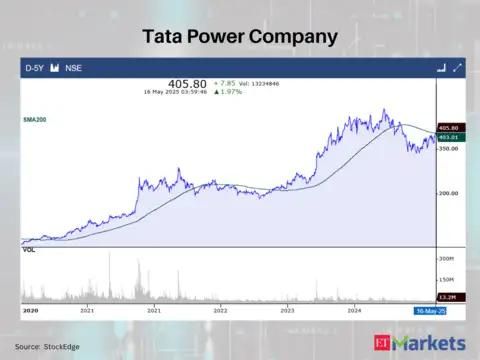
Traders use technical analysis on Tata Power shares, examining historical price trends, volume patterns, and indicators like Moving Averages and RSI to identify potential entry and exit points. Renewable projects often come with long-term Power Purchase Agreements (PPAs), which provide predictable cash flows. This predictability is highly valued by the stock market, often leading to a rerating of the share price compared to companies that rely solely on volatile commodity-linked thermal power. Furthermore, the expansion into solar module manufacturing adds a layer of backward integration that can protect margins against global supply chain disruptions.
What are the core business segments of Tata Power?
To understand what moves the Tata Power share price, it is essential to break down its business into four main pillars:
- Generation: This includes both conventional thermal power plants and a rapidly growing portfolio of solar and wind farms.
- Transmission and Distribution (T&D): Tata Power manages distribution in key areas like Delhi, Mumbai, and Odisha. The efficiency in reducing Aggregate Technical and Commercial (AT&C) losses in these regions is a key metric for financial health.
- Renewable Energy: This segment includes utility-scale projects, solar rooftops for residential and commercial users, and solar pumps for agriculture.
- Next-Gen Power Solutions: This involves Electric Vehicle (EV) charging infrastructure, home automation, and smart metering.

What are the key financial metrics for evaluating the Tata Power share price?
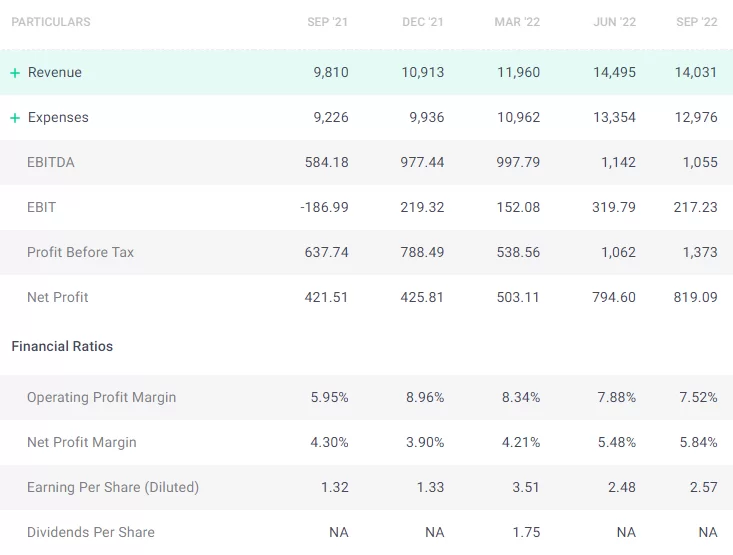
When investors look at the Tata Power share price, they often focus on several critical financial indicators. According to global analysts, the Debt-to-Equity ratio is a vital metric for utility companies. Because power projects are capital-intensive, Tata Power carries significant debt. However, the company's efforts to deleverage through non-core asset sales and internal cash accruals are closely watched by the market.
Another important factor is the Return on Equity (ROE) and the Price-to-Earnings (P/E) ratio. While traditional utilities might trade at lower P/E multiples, Tata Power often commands a premium due to its growth prospects in the green energy space. Analysts also pay close attention to the EBITDA margins (Earnings Before Interest, Taxes, Depreciation, and Amortization), which reflect the operational efficiency of its various plants and distribution networks.
How do government policies influence the Tata Power share price?
In India, the power sector is heavily regulated, meaning government policy changes can have an immediate impact on the Tata Power share price. Schemes like the PM Surya Ghar Muft Bijli Yojana, which promotes rooftop solar, create a massive market for Tata Power's solar division. Similarly, the Green Energy Open Access rules allow the company to provide renewable power directly to industrial consumers, bypassing traditional bottlenecks.
Experts suggest that the focus on 'Make in India' for solar components also benefits Tata Power's manufacturing arm. By providing incentives for domestic production, the government helps companies reduce their reliance on imports, which can lead to better long-term profitability. Conversely, changes in tariff regulations or delays in subsidy disbursements by state-owned distribution companies can act as headwinds for the stock.
Tata Power Investment Risks: What Investors Should Know
While the outlook for Tata Power is generally positive, investors must be aware of potential risks that could affect the share price. One significant risk is the volatility of fuel prices, particularly coal, for its thermal plants. Even though the company is moving toward renewables, a substantial portion of its current generation still depends on coal. Any sharp rise in international coal prices can squeeze margins if the costs cannot be fully passed on to consumers.
Another risk involves regulatory hurdles. Land acquisition for large-scale solar and wind farms can be a slow and complex process in India. Additionally, the financial health of State Electricity Boards (SEBs) remains a concern. If the SEBs, who are the primary buyers of power, face liquidity issues, it can lead to payment delays for power producers like Tata Power, affecting their cash flow and, consequently, their share price.
What are the pro tips for long-term investors in Tata Power?
For those looking at the Tata Power share price from a long-term perspective, experts suggest a few key strategies:
- Monitor the EV Ecosystem: Tata Power is a leader in EV charging. As EV adoption grows in India, this segment could become a major revenue driver.
- Watch the Debt Levels: A consistent reduction in net debt is usually seen as a bullish signal by the market.
- Analyze Quarterly Results: Pay attention to the growth in the 'Order Book' for their solar EPC (Engineering, Procurement, and Construction) business.
- Stay Informed on Policy: Keep an eye on Union Budget announcements related to the power and renewable energy sectors.
How to perform a technical analysis of the Tata Power share price?
Technical analysis involves looking at historical price movements and volumes to predict future trends. Traders often use Moving Averages, such as the 50-day and 200-day Simple Moving Averages, to identify the long-term trend of the Tata Power share price. When the short-term average crosses above the long-term average, it is often interpreted as a bullish 'Golden Cross'.
Relative Strength Index (RSI) is another tool used to determine if the stock is overbought or oversold. For a stock like Tata Power, which can be volatile during policy announcements, using support and resistance levels helps traders find optimal entry and exit points. However, it is important to remember that technical analysis should be used in conjunction with fundamental research for a well-rounded investment strategy.
Frequently Asked Questions about Tata Power Share Price
Does Tata Power pay regular dividends to its shareholders?
Yes, Tata Power has a history of paying dividends to its shareholders. The dividend yield is often a reflection of the company's profitability and its commitment to sharing wealth with investors, though the exact amount can vary based on capital expenditure requirements for new projects.
How does the EV charging business impact the Tata Power share price?
The EV charging business is considered a high-growth segment. While the EV charging business contributes around 5% of Tata Power’s total revenue, it is projected to grow over 20% annually as EV adoption increases, its potential for future scaling is significant. Investors often factor in this 'future value' when determining the fair price of the share.
What is the impact of the Mundra Ultra Mega Power Project on the share price?
The Mundra project has historically been a point of discussion due to issues with compensatory tariffs and fuel costs. Any resolution or positive regulatory development regarding the Mundra plant's profitability typically results in a positive movement in the Tata Power share price.
Is Tata Power considered a 'Green Stock' in India?
Increasingly, yes. With its massive investments in solar, wind, and EV infrastructure, Tata Power is frequently included in green energy indices and ESG-focused portfolios, which helps attract steady institutional investment.
Which sections of Tata Power’s annual reports give the best insights for investors?
In the annual reports, look for the 'Management Discussion and Analysis' section. This provides insights into the company's strategic goals, its progress on the renewable energy transition, and its plan for managing long-term debt.
Conclusion
The Tata Power share price is a reflection of the company's dual identity as a reliable legacy utility and a dynamic green energy pioneer. By understanding the interplay between government policy, financial management, and the global shift toward renewables, investors can make more informed decisions. While risks such as regulatory delays and debt management persist, the company's strategic alignment with India's energy goals makes it a central figure in the nation's economic narrative. As with any investment, a balanced approach combining fundamental analysis and a long-term perspective is essential for navigating the fluctuations of the market.
Important Note: Financial Disclaimer: This content is for educational purposes only and does not constitute professional financial advice. Always consult with a certified financial planner before making investment decisions.
Related Media
Quick View: Understanding Tata Power Share Price: A Comprehensive Guide to Market Performance and Future Growth Factors





Comments 0
Leave a Reply
Your email address will not be published. Required fields are marked *
Be the first to share your thoughts!