

💡 Tempsens Instruments Stock: Strategic Market Analysis
A comprehensive strategic analysis of Tempsens Instruments stock, focusing on thermal engineering market trends, valuation metrics, and industrial demand.
Executive Summary: Key Valuation Metrics and Market Sentiment
Tempsens Instruments represents a specialized segment of the industrial engineering sector, specifically focusing on thermal management and temperature measurement solutions. As the global temperature sensor market is projected to reach approximately 9.8 billion USD by 2028, growing at a compound annual growth rate (CAGR) of 6.5 percent, Tempsens occupies a critical niche. Key data highlights suggest that the company's valuation is heavily influenced by the expansion of heavy industries in emerging markets and the increasing adoption of Industry 4.0 protocols. Investors monitoring this sector observe a steady demand for high-precision thermocouples and pyrometers, which are essential for operational efficiency in high-heat environments. This analysis provides a professional overview of the company's market position, revenue drivers, and the strategic risks associated with industrial hardware investments.
Introduction: Tempsens Instruments and the Thermal Engineering Landscape
Tempsens Instruments has established itself as a premier manufacturer of thermal engineering products, ranging from thermocouples and RTDs to infrared pyrometers and industrial heaters. Unlike general consumer electronics, the thermal engineering landscape is defined by high entry barriers due to the rigorous certification requirements and the need for extreme precision in hazardous environments. The company serves as a vital cog in the global supply chain, providing the sensory infrastructure required for automation. Understanding Investment Strategies: A Strategic Analysis of Market Growth is essential when evaluating how niche industrial players like Tempsens navigate cyclical economic shifts. The hook for the modern professional lies in the intersection of hardware reliability and the digital transformation of the factory floor.
Practical Explanation: How Industrial Demand Drives Stock Performance
The performance of industrial stocks like Tempsens is intrinsically linked to the Capital Expenditure (CAPEX) cycles of major manufacturing sectors. When industries such as steel, glass, and cement expand their production capacity, the demand for temperature monitoring systems spikes. These sensors are not merely peripheral components; they are critical for safety and quality control. For instance, a deviation of even five degrees Celsius in a glass furnace can lead to the loss of an entire production batch. This high-stakes environment ensures a recurring revenue model through calibration services and component replacement. Similar to the growth trajectories seen in consumer-facing giants like Varun Beverages Share Price: Strategic Analysis and Forecast, industrial firms rely on volume and long-term service contracts to maintain healthy margins.
Real-life Use Cases: Revenue Drivers in Steel, Glass, and Cement Sectors
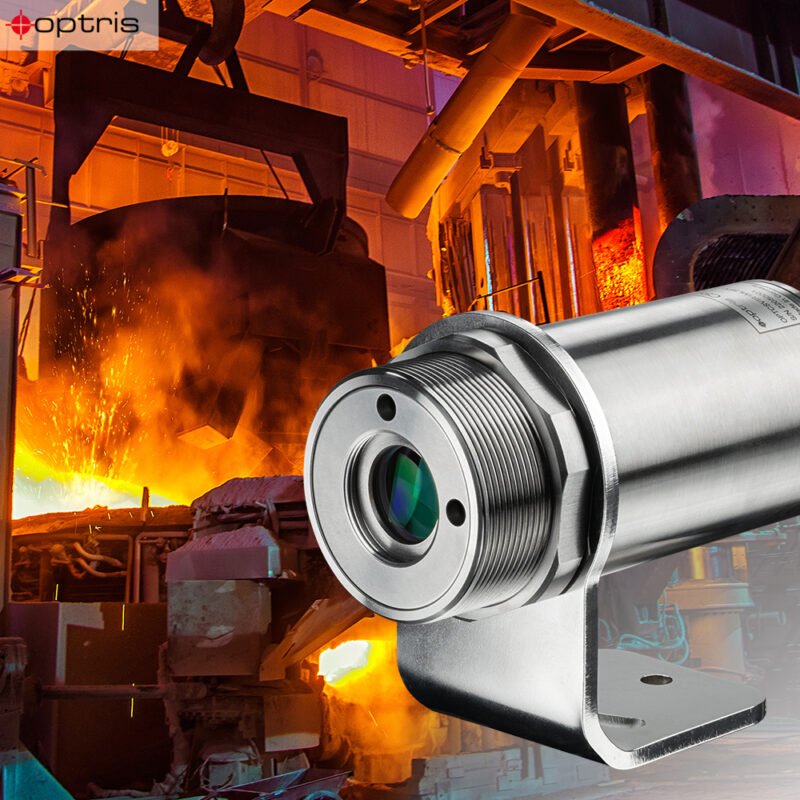
To understand the intrinsic value of Tempsens, one must look at its application in heavy industry. In the steel sector, Tempsens provides immersion thermocouples that measure the temperature of molten metal at 1600 degrees Celsius. In the cement industry, their thermal imaging systems monitor kiln shells to prevent catastrophic failures. These use cases demonstrate that the company is not just selling a product but providing a risk mitigation tool. Revenue is driven by three primary streams:
- New Project Installations: Large-scale sensors for greenfield industrial plants.
- Maintenance and Replacement: The harsh nature of thermal processes means sensors have a finite lifespan, leading to consistent replacement orders.
- Calibration and Technical Services: High-margin services that ensure sensors meet international standards like NABL or NIST.

What This Means For You: Actionable Insights for the Modern Professional
For the professional investor or industry analyst, Tempsens Instruments serves as a proxy for industrial health. If you are looking to diversify a portfolio that is heavy on software or services, industrial hardware provides a tangible asset base. Investors who follow high-tech hardware trends, such as those analyzed in the MRVL Stock: Marvell Technology Strategic Market Analysis, will find that thermal engineering offers a different risk profile, one rooted in physical infrastructure rather than rapid software cycles. The actionable takeaway is to monitor the infrastructure spending bills in major economies, as these are the primary catalysts for stock price movement in this sector.
Comparison Table: Tempsens Instruments vs. Global Industrial Peers
The following table compares the strategic positioning of Tempsens against broader industrial peers to provide context on valuation and market reach.
- Metric: Market Focus
- Tempsens: Specialized Thermal Solutions
- Honeywell: Diversified Industrial Automation
- Emerson Electric: Process Management & Climate Tools
- Metric: Geographic Reach
- Tempsens: Strong in Asia and Europe
- Honeywell: Global Dominance
- Emerson Electric: Strong North American Base
- Metric: Typical P/E Ratio (Industry Avg)
- Tempsens: 20x - 30x (Estimated)
- Honeywell: 22x - 25x
- Emerson Electric: 18x - 22x
Expert Tips: Strategic Entry Points and Risk Mitigation
Entering the industrial stock market requires a disciplined approach. Experts suggest looking for entry points during the trough of the manufacturing cycle. Since industrial stocks are cyclical, buying when CAPEX is low but projected to rise can yield significant returns. Risk mitigation involves diversifying across different industrial sub-sectors. For example, while the steel industry might be in a downturn, the pharmaceutical sector, which also requires precise thermal control, might be expanding. Professionals should also keep a close eye on raw material costs, particularly the prices of noble metals like Platinum and Rhodium, which are used in high-end thermocouples and can impact profit margins.

Pros & Cons: Scalability Advantages vs. Liquidity Limitations
Pros:
- High Technical Moat: The specialized knowledge required for thermal calibration is difficult for new competitors to replicate.
- Global Export Potential: With manufacturing bases in India and Germany, the company can leverage cost-effective production with high-end engineering.
- Industry 4.0 Integration: The shift toward smart sensors provides an opportunity for software-as-a-service (SaaS) integration.
Cons:
- Liquidity Risks: As a specialized industrial player, the stock may experience lower trading volumes compared to blue-chip entities.
- Raw Material Sensitivity: Fluctuations in the price of precious metals can squeeze margins.
- Geopolitical Trade Barriers: Export-heavy models are susceptible to changes in international trade policies and tariffs.
FAQ: 5 Critical Questions on Tempsens Stock Performance
1. What is the primary driver of Tempsens Instruments' revenue? Revenue is primarily driven by the replacement cycle of industrial sensors and the expansion of heavy manufacturing industries like steel and cement.
2. How does the company handle competition from global giants? Tempsens competes by offering highly customized solutions and faster lead times than larger, more bureaucratic conglomerates, while maintaining international quality certifications.
3. Is the stock considered a growth or a value play? It is generally viewed as a growth play within the industrial sector, given the increasing demand for automation and precise thermal monitoring in the transition to green energy.
4. What impact do raw material prices have on the stock? High volatility in the prices of platinum and other metals used in sensors can lead to short-term margin compression if cost increases are not passed on to customers.
5. Does the company pay regular dividends? Dividend policy for specialized industrial firms typically depends on the current CAPEX requirements for R&D and facility expansion.
Conclusion: The Strategic Verdict on Tempsens Instruments
Tempsens Instruments stands as a robust example of how specialized engineering can create a sustainable market position. For the professional investor, the stock offers exposure to the fundamental building blocks of the modern industrial economy. While liquidity and cyclicality remain factors to monitor, the company's technical authority and global footprint provide a compelling case for long-term strategic inclusion. As industries continue to prioritize energy efficiency and automated safety, the demand for high-precision thermal instruments is guaranteed to remain a cornerstone of industrial progress.
Important Note: Financial Disclaimer: This content is for educational purposes only and does not constitute professional financial advice. Always consult with a certified financial planner before making investment decisions.





Comments 0
Leave a Reply
Your email address will not be published. Required fields are marked *
Be the first to share your thoughts!