
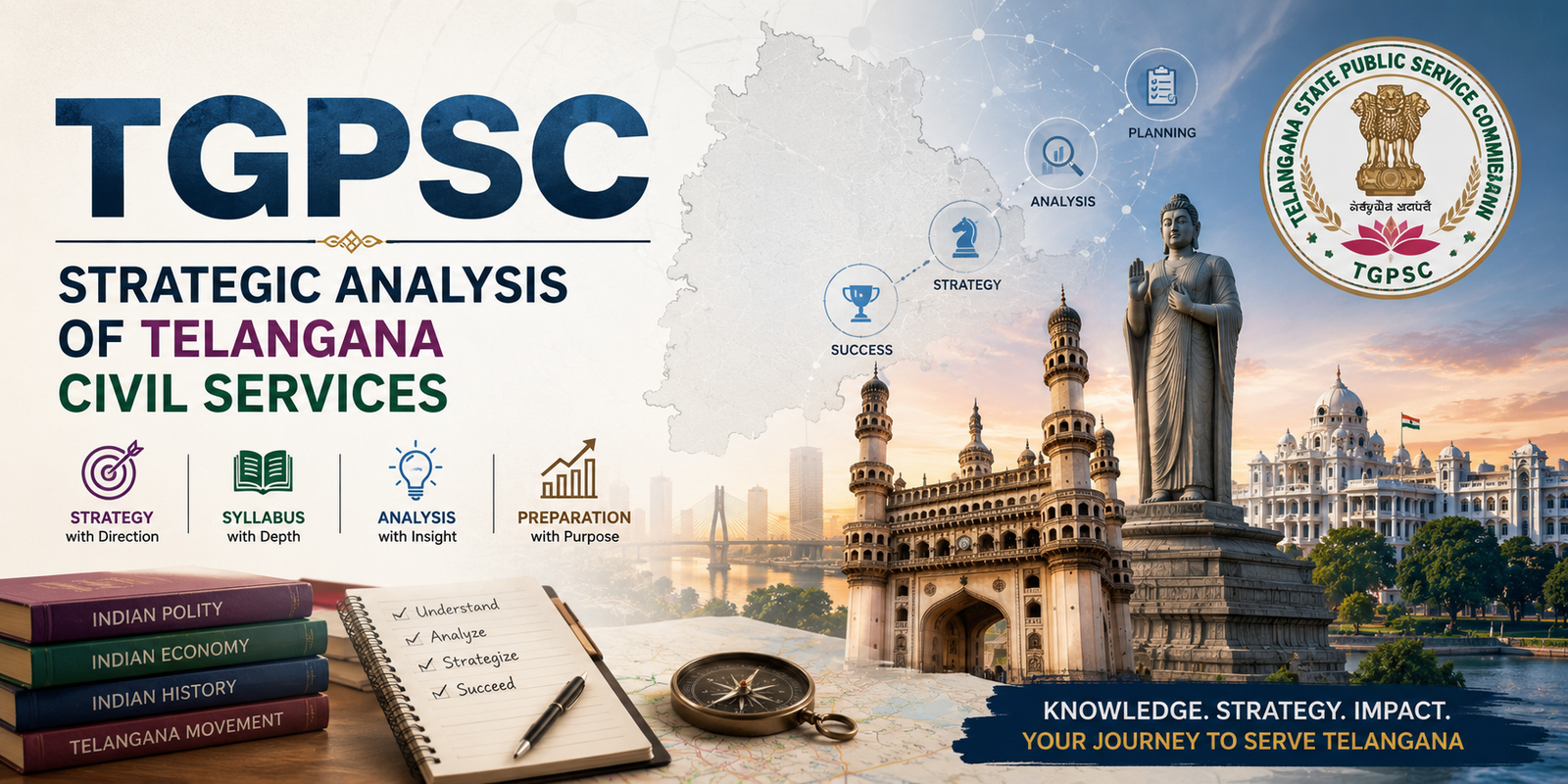
💡 TGPSC: Strategic Analysis of Telangana Civil Services
A comprehensive authority guide on the TGPSC, covering recruitment reforms, administrative shifts, and strategic insights for aspirants.
Executive Summary
The Telangana State Public Service Commission (TGPSC) stands as the primary constitutional body responsible for recruiting civil servants in India's youngest state. Following a period of significant administrative upheaval and rebranding from TSPSC to TGPSC in 2024, the commission has entered a phase of rigorous reform. This analysis highlights the commission's efforts to fill over 30,000 vacancies across various groups, the implementation of advanced biometric security to prevent malpractice, and the strategic shift toward a more transparent, technology-driven examination process. Data indicates that for the Group 1 services alone, the commission manages a competitive pool of over 400,000 applicants for approximately 563 high-level positions, reflecting a selection ratio that demands extreme precision and integrity.
Introduction
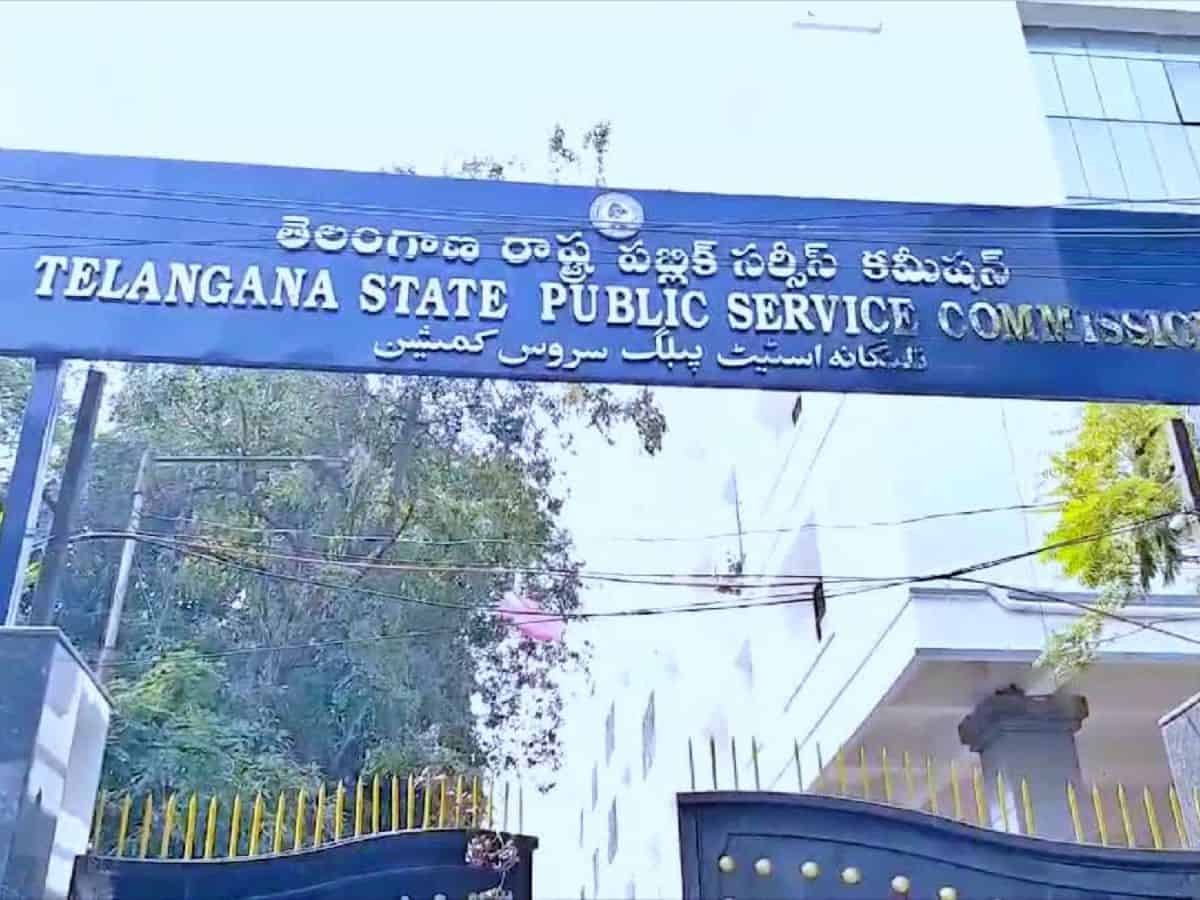
The role of a state public service commission extends beyond mere recruitment. It is the gatekeeper of administrative quality and the engine of state governance. The Telangana State Public Service Commission was established under Article 315 of the Constitution of India, and its evolution has been closely tied to the socio-political identity of Telangana. Recently, the transition from the prefix TS to TG marked more than just a nomenclature change; it signaled a total overhaul of the examination infrastructure following historical challenges with paper leaks and scheduling delays. For aspirants and policy analysts, understanding the TGPSC requires an examination of its constitutional mandate, its recent legislative reforms, and the sheer scale of its operational responsibilities in a state with a population exceeding 35 million.
THE DEEP DIVE: Strategic Analysis of TGPSC Operations
The TGPSC operates under a complex framework designed to ensure meritocracy. However, the path to achieving this has been fraught with structural hurdles. To understand the current state of the commission, one must look at the three pillars of its current strategy: Legislative Reform, Technological Integration, and Recruitment Scalability.
The Rebranding and Structural Overhaul
In early 2024, the state government initiated a move to rename all state entities from Telangana State (TS) to Telangana (TG). This was not merely cosmetic. The TGPSC underwent a leadership change, bringing in seasoned administrators to restore public trust. The commission has focused on clearing the massive backlog of recruitment notifications that were stalled due to legal disputes. By analyzing the Indian Express: Strategic Analysis of Media Influence, we can see how public perception and media scrutiny have forced the commission to adopt a more communicative and transparent stance regarding exam dates and result declarations.
Recruitment Statistics and Group Categories
The TGPSC categorizes its recruitment into four primary groups, each serving a specific level of the state hierarchy:
- Group 1 Services: These are the highest administrative roles, including Deputy Collectors and Commercial Tax Officers. In the 2024 cycle, the commission increased the vacancy count to 563, attracting nearly 4.03 lakh applications.
- Group 2 Services: Focused on executive roles such as Municipal Commissioners and Sub-Registrars. The current notification covers 783 posts, which saw over 5.5 lakh registrations.
- Group 3 and 4 Services: These involve essential clerical and junior administrative roles. Group 4, in particular, remains one of the largest recruitment drives with over 8,000 vacancies, aimed at strengthening the grassroots level of the Telangana administration.
Technological Reforms and Security Protocols
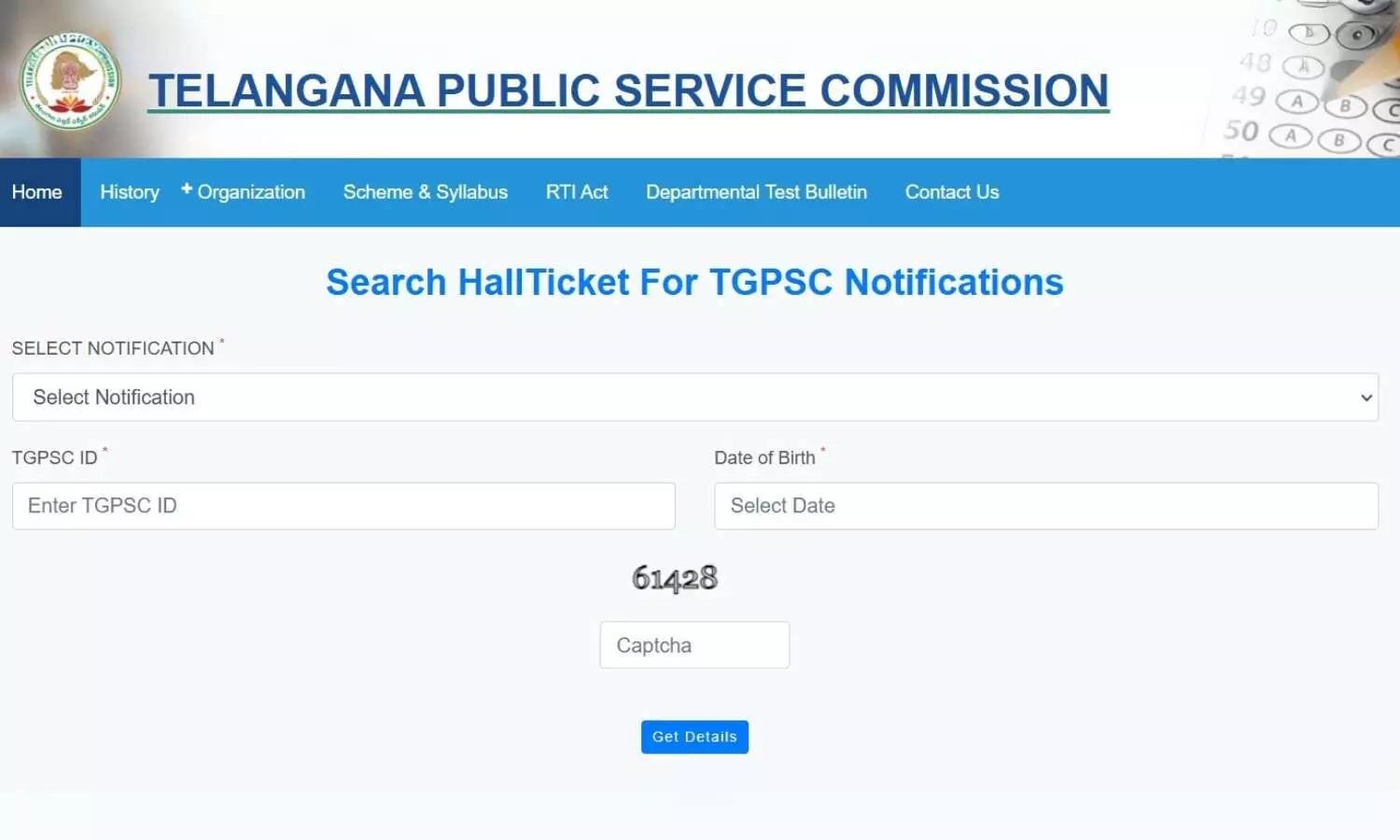
To combat the threat of paper leaks that plagued previous cycles, the TGPSC has adopted a digital-first approach. This includes the use of Aadhaar-based biometric attendance, randomized question paper generation, and the deployment of high-resolution CCTV surveillance in all examination centers. This digital shift mirrors the broader trends seen in the financial sector, where security and data integrity are paramount. Much like the Upstox: Strategic Analysis of the Digital Trading Era highlights the importance of secure digital platforms for trading, the TGPSC is building a secure digital ecosystem for high-stakes examinations. The use of OMR (Optical Mark Recognition) scanning is now conducted under multi-layered supervision to ensure that the evaluation process is tamper-proof.
The Legislative and Legal Landscape
The TGPSC does not operate in a vacuum. It is subject to the rulings of the Telangana High Court and the Supreme Court of India. Recent legal challenges regarding local reservation policies (the Presidential Order 2018) have required the commission to recalibrate its selection criteria. The 95 percent reservation for locals in all categories of direct recruitment is a unique feature of Telangana's recruitment policy, designed to ensure that the benefits of statehood reach the local youth. This legal framework ensures that the TGPSC remains a tool for social justice while maintaining administrative efficiency.
WHAT THIS MEANS FOR YOU: Actionable Insights for Aspirants
For the hundreds of thousands of candidates vying for a position within the Telangana government, the current environment requires a strategic shift in preparation. Here is a breakdown of what the new TGPSC era means for your career path:
- Focus on Consistency: With the commission moving toward a fixed annual calendar, aspirants should move away from crash-course mentalities and focus on long-term conceptual clarity.
- Digital Literacy: As the commission moves toward Computer Based Recruitment Tests (CBRT) for certain categories, being comfortable with digital interfaces is no longer optional.
- Analytical Depth: The trend in question patterns shows a shift from rote memorization to analytical reasoning. Candidates should study state policies and socio-economic surveys in depth.
- Mental Resilience: Given the competitive nature and the high stakes, maintaining a professional mindset is crucial. Much like the career trajectory of a public figure discussed in the Aasif Sheikh: Strategic Analysis of a Television Icon, success in the civil services is often a marathon of persistence and adaptability.
Expert Verdict / Future Outlook
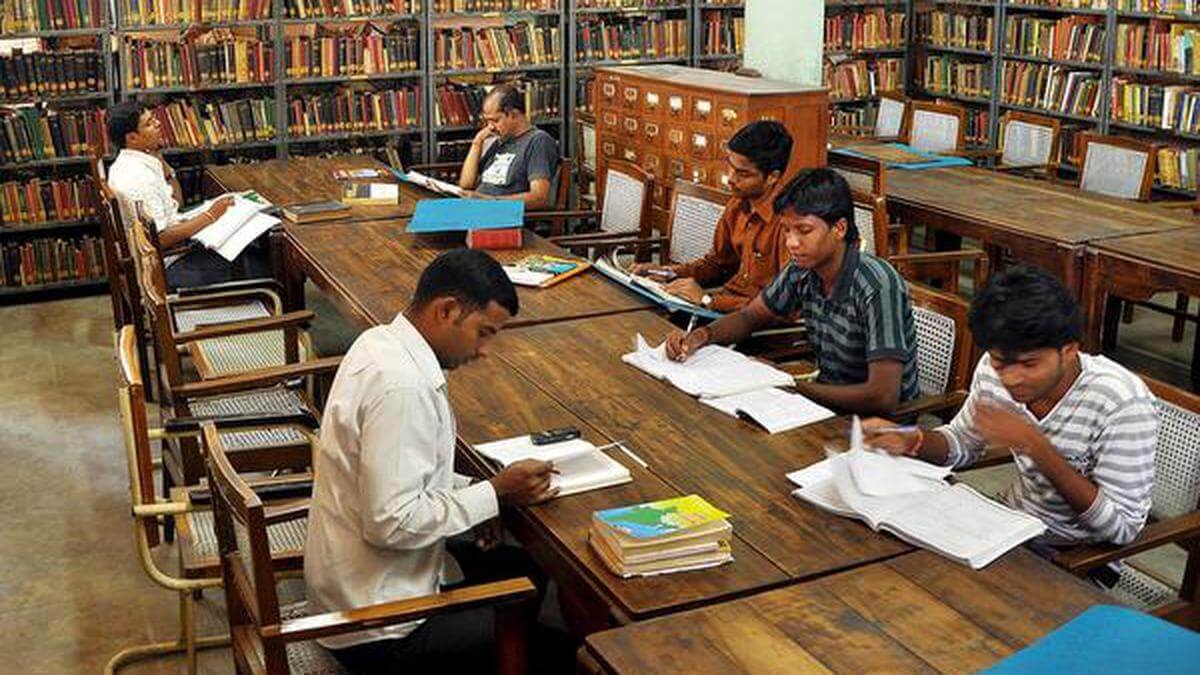
The future of the TGPSC depends on its ability to maintain the momentum of its current reforms. The transition to a more technology-reliant system is a positive step, but the human element of oversight cannot be ignored. Experts suggest that the TGPSC should move toward a permanent 'Annual Calendar' system similar to the UPSC to reduce candidate anxiety and improve the state's administrative planning. In the coming years, we expect to see an increase in specialized recruitment for technical roles in IT, irrigation, and healthcare, reflecting the state's developmental priorities. The commission is on a trajectory to become a model for other state public service commissions if it can successfully execute the current massive recruitment cycle without further controversy.
FAQ: Authoritative Answers to High-Intent Questions
1. What is the difference between TSPSC and TGPSC?
TSPSC was the original name of the commission. Following the 2024 state government directive to change the state abbreviation from TS to TG, the commission was renamed the Telangana State Public Service Commission (TGPSC). This change also coincided with a major administrative overhaul to improve transparency.
2. How does the 95 percent local reservation work in TGPSC?
Under the New Local Reservation Policy (Presidential Order 2018), 95 percent of posts in direct recruitment are reserved for local candidates of Telangana. This applies across various levels, from district-level posts to state-level cadres, ensuring local representation in the administration.
3. What are the major stages of the Group 1 recruitment process?
The Group 1 process typically consists of a Preliminary Examination (Objective Type), which serves as a screening test, followed by a Main Examination (Conventional/Descriptive Type). The final selection is based on the marks obtained in the Main Examination, as the interview stage was recently abolished to reduce subjectivity.
4. How is the TGPSC preventing paper leaks in current exams?
The commission has implemented several measures including biometric verification, GPS-tracked transportation of question papers, and the use of the Computer Based Recruitment Test (CBRT) format for smaller batches to minimize physical paper handling.
5. Can candidates from other states apply for TGPSC exams?
Yes, candidates from other states can apply, but they are only eligible for the 5 percent non-local quota. They must also meet the specific eligibility criteria, including age limits and educational qualifications set by the commission.
Conclusion
The TGPSC is currently at a critical juncture, balancing the weight of historical expectations with the necessity of modern reform. By embracing technological transparency and clearing the recruitment backlog, the commission is attempting to redefine the administrative future of Telangana. For aspirants, this era represents both a challenge and a massive opportunity. Success will belong to those who can navigate the rigorous selection process with analytical depth and an unwavering commitment to the state's developmental goals. The strategic takeaway is clear: the TGPSC is no longer just about getting a job; it is about becoming part of a revamped, high-integrity governance system.




Comments 0
Leave a Reply
Your email address will not be published. Required fields are marked *
Be the first to share your thoughts!