
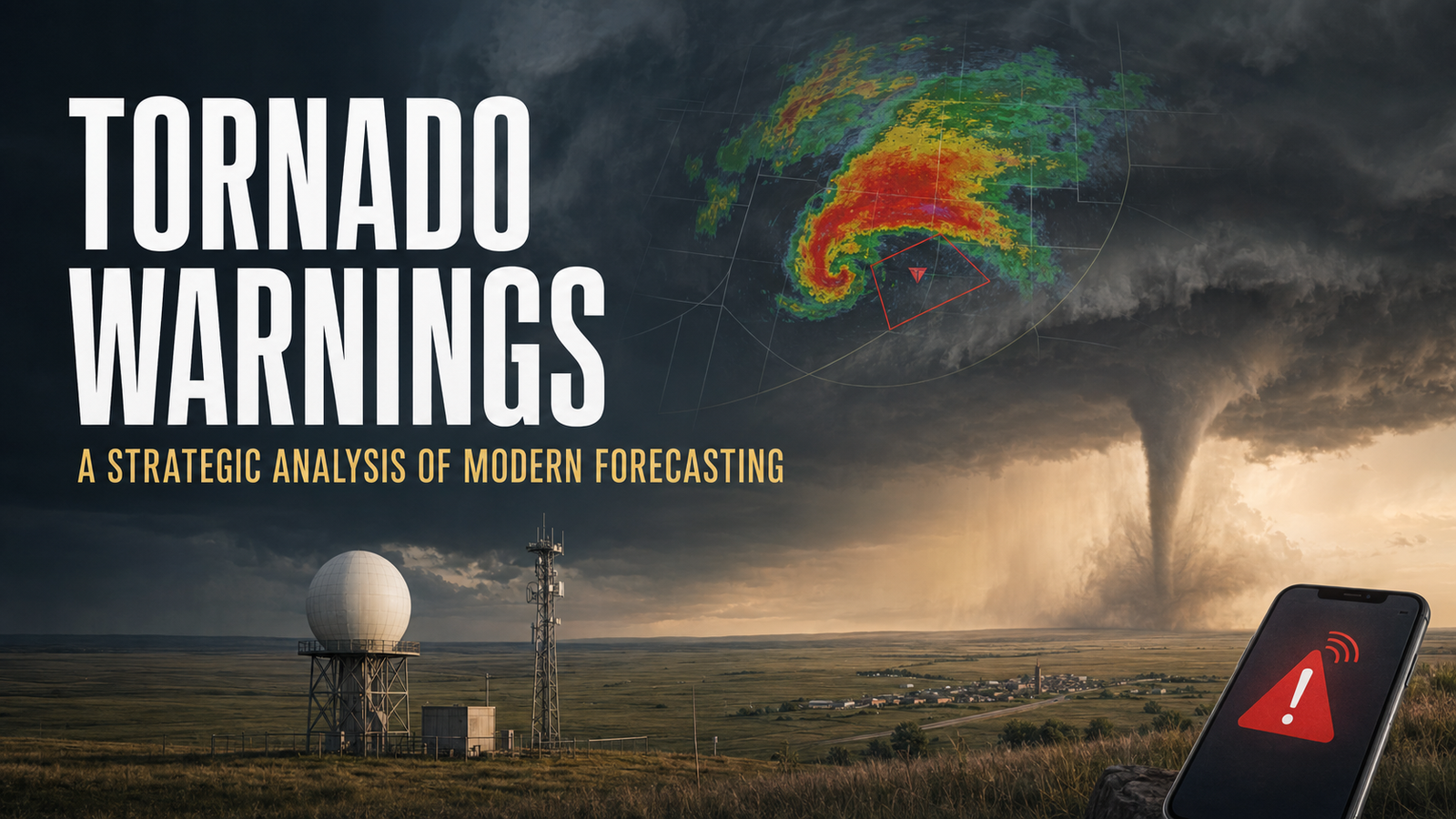
💡 Tornado Warnings: A Strategic Analysis of Modern Forecasting
A comprehensive analysis of tornado warning systems, meteorological technology, and the strategic shift toward probabilistic hazard information.
Executive Summary
Tornado warnings represent the critical intersection of atmospheric science, telecommunications infrastructure, and human psychology. Current data from the National Oceanic and Atmospheric Administration (NOAA) indicates that the United States experiences approximately 1,200 tornadoes annually, resulting in significant economic disruption and loss of life. This analysis highlights three primary findings. First, the average lead time for tornado warnings has stabilized at approximately 13 minutes, though technological advancements aim to push this toward 20 minutes. Second, the False Alarm Ratio (FAR) remains a significant challenge, currently hovering around 70 percent, which impacts public trust and response rates. Third, the industry is shifting from deterministic warnings to Forecasting a Continuum of Environmental Threats (FACETs), a probabilistic model designed to provide more nuanced risk assessments. This report evaluates the strategic efficacy of these systems and their role in national safety protocols.
Introduction
The issuance of a tornado warning is a high-stakes decision-making process that relies on a complex network of Doppler radars, satellite imagery, and ground-based spotters. Unlike other natural disasters, tornadoes develop with extreme rapidity, often leaving minutes for populations to seek shelter. While we have seen advancements in Earthquake Resilience: A Strategic Analysis of Global Risk, the localized and volatile nature of tornadic activity requires a different set of tactical responses. The strategic objective of a warning system is not merely to detect a vortex but to elicit a specific protective action from the public. As urban sprawl continues into historically active storm corridors, the financial and human stakes of accurate forecasting have never been higher. This analysis examines the technical infrastructure, the statistical reality of warning accuracy, and the future of severe weather communication.
THE DEEP DIVE: Technology and Statistical Realities
The Infrastructure of Detection
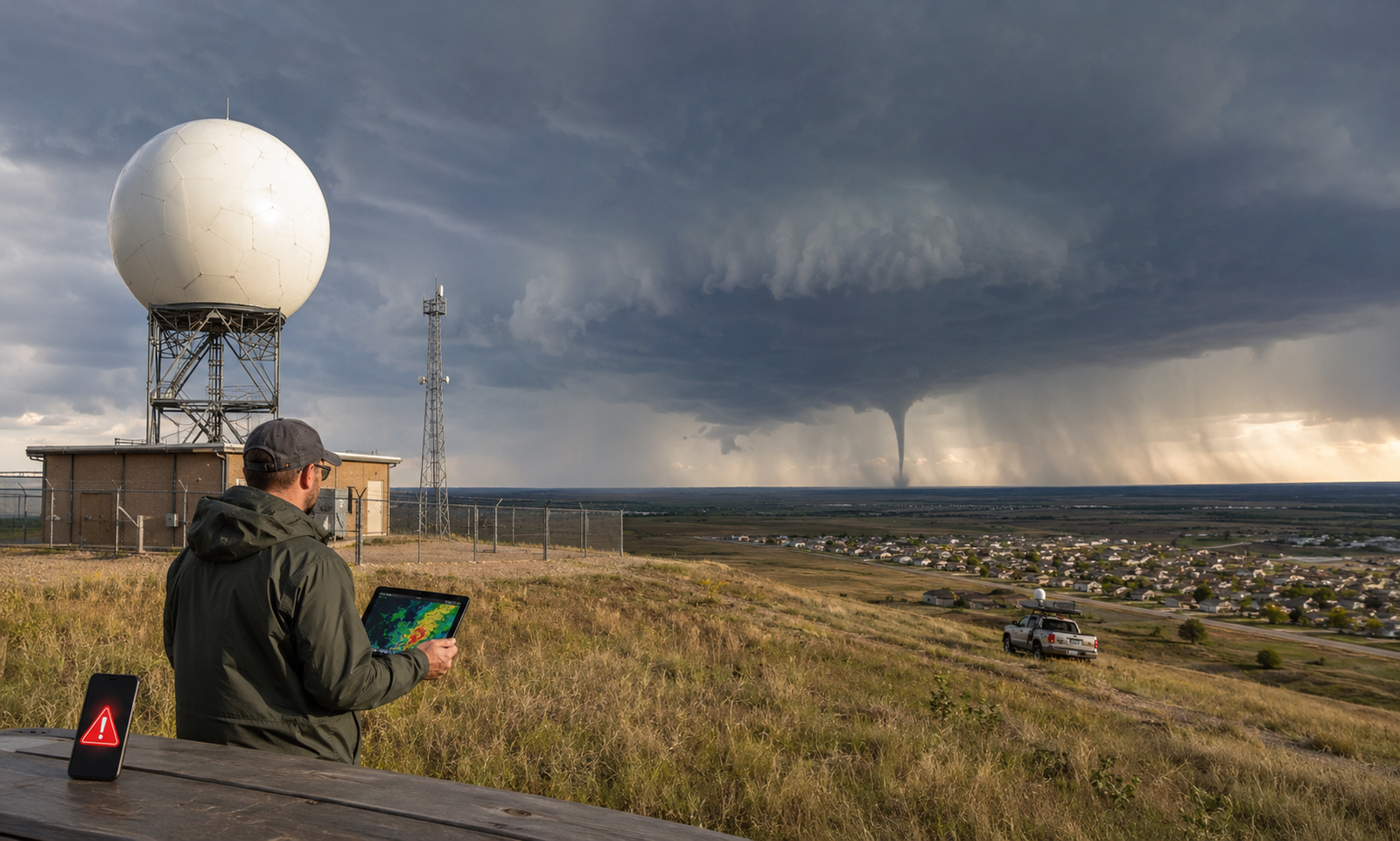
The backbone of the United States warning system is the NEXRAD (Next-Generation Radar) network, consisting of 160 high-resolution S-band Doppler radars. The implementation of Dual-Polarization technology in 2013 allowed meteorologists to distinguish between heavy rain, hail, and lofted tornado debris, known as a Tornado Debris Signature (TDS). This capability has been a game-changer for confirming a tornado is on the ground, especially at night or when rain-wrapped. Modern tools like Windy Data Visualization provide the public with high-level overviews, but professional meteorologists rely on the Advanced Weather Interactive Processing System (AWIPS) to integrate disparate data streams in real-time.
The Lead Time Paradox
Statistically, the National Weather Service (NWS) has achieved a Probability of Detection (POD) of roughly 75 percent for tornadoes. However, there is an inherent tension between lead time and accuracy. Increasing the lead time often leads to a higher False Alarm Ratio. A high FAR can lead to 'warning fatigue,' where the public begins to ignore alerts due to a perceived lack of personal threat. Industry reports suggest that while the 13-minute average lead time is sufficient for most individuals to reach a basement or interior room, it is insufficient for complex evacuations of large venues or hospitals. The strategic goal for the 2030s is to integrate Phased Array Radar (PAR) technology, which can scan the atmosphere in less than a minute, compared to the 4 to 5 minutes required by current rotating dishes.
Geographic Shifts and Economic Impact
Traditionally, 'Tornado Alley' in the Great Plains was the primary focus of storm researchers. However, recent data shows a significant eastward shift in tornadic activity toward the Southeast and Midwest. This region, often called 'Dixie Alley,' presents unique challenges: higher population density, more mobile homes, and a higher frequency of nocturnal tornadoes. The economic impact is staggering. In 2023 alone, severe convective storms caused over 50 billion dollars in insured losses in the United States. This trend aligns with the broader patterns identified in the 2026 Strategic Outlook: Global Shifts in Technology and Finance, where climate-related volatility is becoming a primary driver of insurance premium hikes and infrastructure reassessment.
The Human Component: Behavioral Response
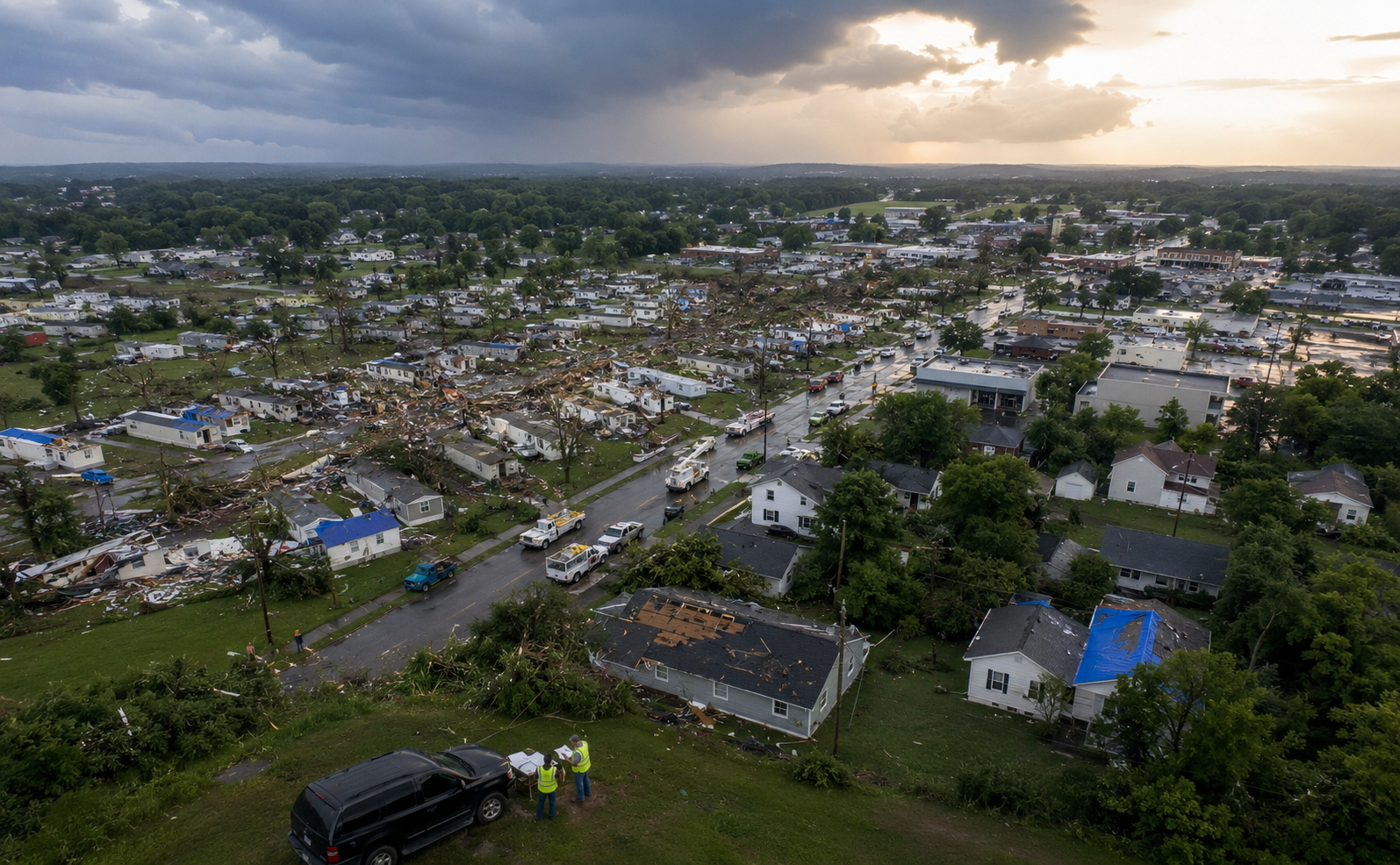
A warning is only effective if it results in action. Research in social science indicates that most people do not seek shelter immediately upon hearing a siren. Instead, they engage in 'milling' - searching for secondary confirmation through social media, local news, or looking out the window. This delay can be fatal. The NWS has moved toward Impact-Based Warnings (IBW), which use stronger language for high-confidence, high-impact events, such as 'Tornado Emergency' or 'Catastrophic Damage Likely.' These linguistic cues are designed to bypass the milling phase and trigger immediate protective behavior.
WHAT THIS MEANS FOR YOU
- Understand the terminology: A Watch means conditions are favorable for tornadoes; a Warning means one has been sighted or indicated by radar.
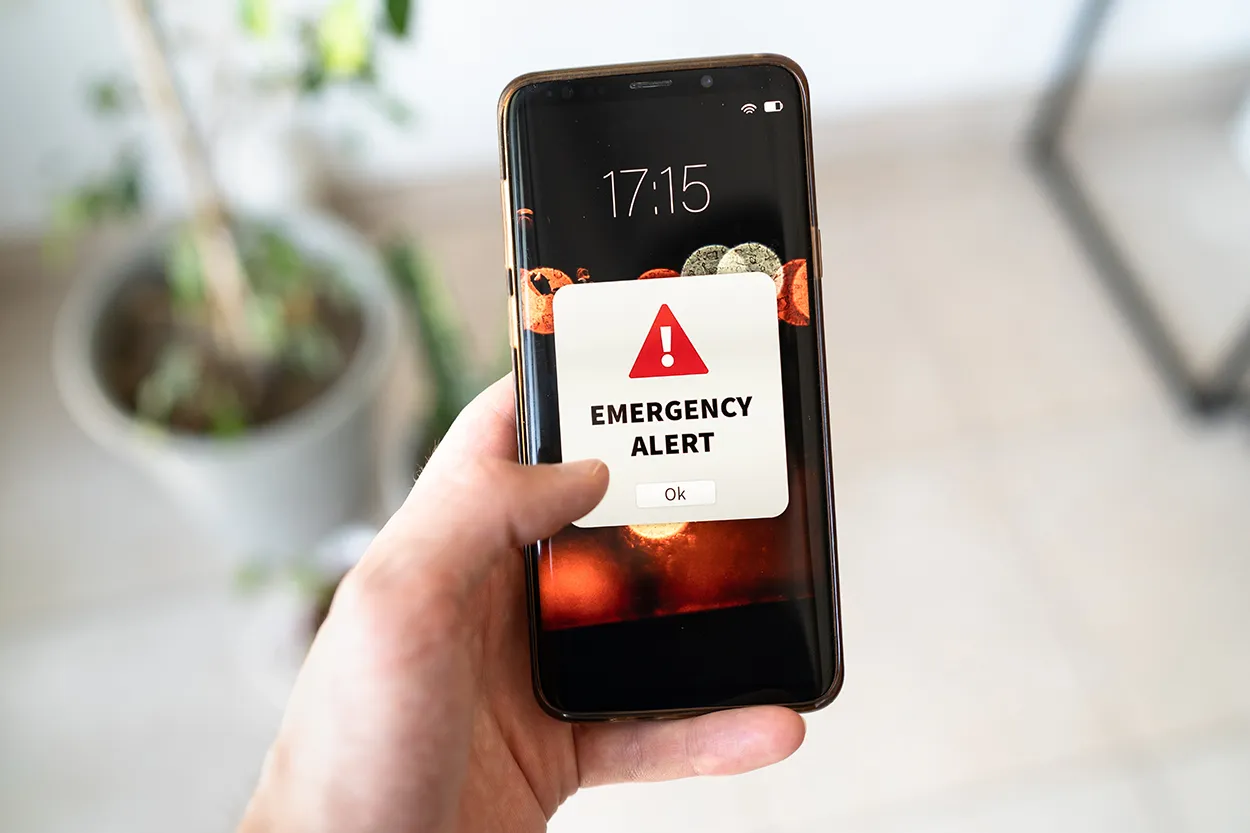
- Diversify your alert sources: Do not rely on a single method. Use a combination of NOAA Weather Radio, Wireless Emergency Alerts (WEA) on your phone, and local broadcast media.
- Identify your safe place in advance: In a home, this is the lowest level or an interior room away from windows. In a high-rise, move to the center of the building.
- Account for the 'False Alarm' reality: Treat every warning as a legitimate threat. The 70 percent false alarm rate is a byproduct of a system designed to prioritize life over convenience.
- Prepare for the 'Dixie Alley' shift: If you live in the Southeast, be aware that storms move faster and are more likely to be obscured by rain or darkness.
Expert Verdict and Future Outlook
The future of tornado warnings lies in the transition from deterministic polygons to probabilistic grids. Under the FACETs framework, instead of a simple 'in or out' warning, residents will see a color-coded map showing the percentage likelihood of a tornado hitting their specific location within a set timeframe. This allows for better decision-making for high-stakes operations like aviation and logistics. Furthermore, the integration of Artificial Intelligence and Machine Learning is expected to assist forecasters by identifying subtle rotation patterns in radar data that the human eye might miss during high-stress events. By 2030, we expect to see a more integrated global network where localized weather data is shared with the same fluidity as financial market data.
FAQ: Authoritative Answers
What is the difference between a Tornado Watch and a Tornado Warning?
A Tornado Watch is issued by the Storm Prediction Center when atmospheric conditions are conducive to the development of tornadoes over a large area. A Tornado Warning is issued by local National Weather Service offices when a tornado is imminent or occurring, based on radar signatures or visual confirmation.
Why are false alarm rates for tornadoes so high?
The high False Alarm Ratio (approximately 70 percent) is a strategic choice to ensure a high Probability of Detection. Meteorologists would rather warn for a storm that shows strong rotation but fails to produce a tornado than miss a storm that eventually turns deadly. The complexity of the 'tornadogenesis' process makes it difficult to predict which rotating clouds will actually touch down.
How long is the average lead time for a tornado warning?
The current national average lead time is approximately 13 minutes. While some warnings provide 20 to 30 minutes of notice, others may provide zero lead time if a tornado develops rapidly between radar scans. Technological upgrades like Phased Array Radar aim to increase this average significantly.
Can I rely on outdoor sirens for tornado warnings?
No. Outdoor sirens are designed to warn people who are outside. They are not intended to be heard inside homes, especially during heavy rain and wind. You should always have an indoor warning method, such as a NOAA Weather Radio or a reliable smartphone app.
Does the 'Green Sky' always mean a tornado is coming?
A greenish tint in the sky during a thunderstorm is caused by the scattering of light by heavy rain and hail. While it indicates a very intense storm capable of producing a tornado, it is not a definitive sign that a tornado is present. It is, however, a signal to monitor weather updates closely.
Conclusion
Tornado warnings are a vital component of national resilience, representing a sophisticated blend of physics and public policy. While the technology has advanced from basic radar to dual-polarization and satellite integration, the human element remains the most significant variable. The strategic evolution toward probabilistic forecasting and impact-based language reflects a deeper understanding of how populations process risk. As we move toward a more volatile climatic future, the ability to provide accurate, timely, and actionable warnings will remain a cornerstone of public safety. The ultimate goal is a zero-death toll from tornadic events, a feat that requires both technological innovation and a proactive, informed citizenry.





Comments 0
Leave a Reply
Your email address will not be published. Required fields are marked *
Be the first to share your thoughts!