
💡 What is Weather?
Explore the connection between extreme weather events like Tropical Cyclone Narelle and indoor air quality. Learn how to protect your home from pollutants during major storms.
How Tropical Cyclones Impact Indoor Air Quality: A Comprehensive Global Guide
When people think of tropical cyclones, the immediate images that come to mind are often of torrential rain, high-velocity winds, and structural damage. However, one of the most significant yet overlooked consequences of extreme weather events is the drastic change in indoor air quality. Atmospheric disturbances, such as those seen during Tropical Cyclone Narelle in Australia, serve as critical case studies for environmental health experts. These events create a complex interaction between outdoor pollutants and the air we breathe inside our homes and offices.
According to environmental health and climate research studies, the impact of a cyclone on air quality is not limited to the duration of the storm itself. The environmental shifts can linger for weeks, affecting respiratory health and the longevity of building materials. Understanding the science behind these changes is essential for residents in high risk areas, whether in the coastal regions of Australia or the dust prone environments of Saudi Arabia and the United Arab Emirates.
What is the relationship between tropical cyclones and indoor air quality?
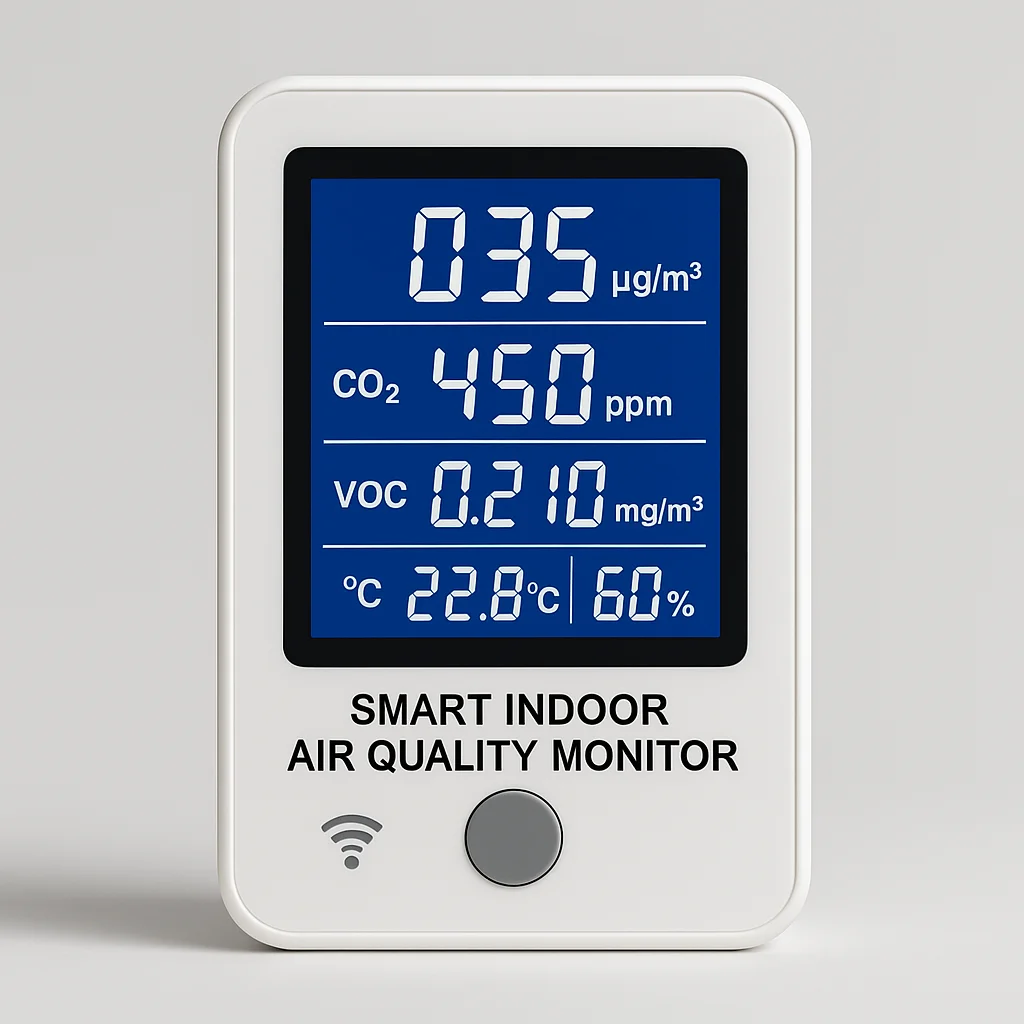
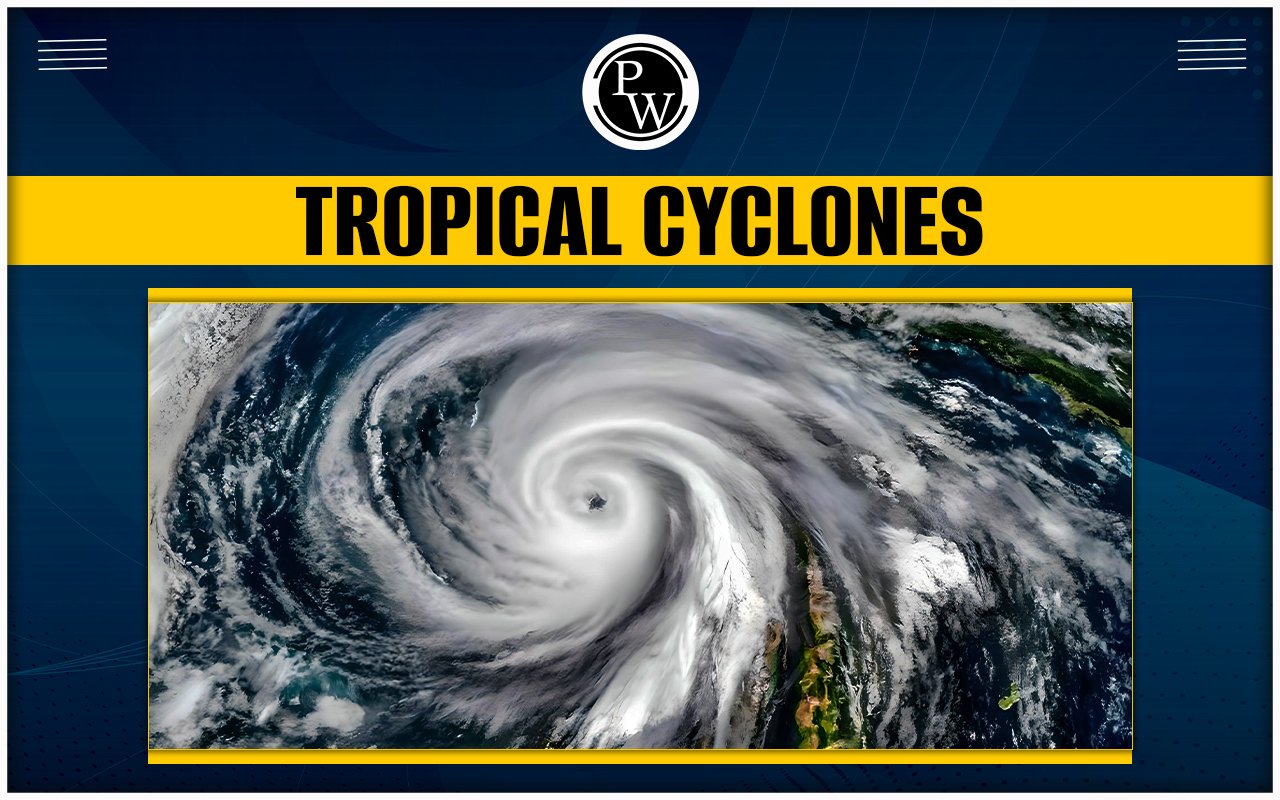
The relationship between a tropical cyclone and indoor air quality is primarily driven by three factors: pressure changes, moisture infiltration, and the displacement of outdoor particulates. As a cyclone approaches, the atmospheric pressure drops significantly. This drop in pressure can cause a phenomenon known as back drafting, where air from crawl spaces, attics, or even sewer lines is pulled into the main living areas of a home.
This pressure differential can force pollutants that are usually dormant into the air that residents breathe. Furthermore, the extreme winds associated with storms like Narelle can carry fine particulate matter, including salt spray, industrial pollutants, and organic debris, over hundreds of kilometers. These microscopic particles can penetrate even well sealed buildings through minute cracks and ventilation systems.
How do storm systems influence atmospheric pollutants?
During a major weather event, the atmosphere acts as a giant mixer. In regions like the Middle East or Western Australia, cyclones can pick up vast amounts of desert dust and mineral particles. This creates a high concentration of PM2.5 and PM10 (particulate matter), which are known to cause significant respiratory distress. When these outdoor levels spike, indoor levels naturally follow unless specialized filtration is in place.
According to atmospheric and air quality monitoring studies, the high humidity levels accompanying tropical storms also play a pivotal role. Excessive moisture provides the perfect breeding ground for biological contaminants. Mold spores, which are naturally present in the environment, can proliferate rapidly when indoor humidity exceeds 60 percent. This creates a secondary air quality crisis that often peaks after the storm has passed and the cleanup begins.
What are the core concepts of indoor air protection during storms?
To effectively manage indoor air quality during a cyclone alert, one must understand the concept of the building envelope. The building envelope is the physical separator between the conditioned and unconditioned environment of a building. During a storm, maintaining the integrity of this envelope is the first line of defense.
1. Pressure Management: Ensuring that your home is not creating a vacuum effect is crucial. While it is important to seal windows, the operation of exhaust fans without adequate intake can worsen the pull of pollutants from wall cavities.
2. Filtration Efficiency: Using HEPA (High Efficiency Particulate Air) filters is widely recognized as one of the most effective methods for removing fine particles and allergens for removing fine dust and spores that storms kick up.
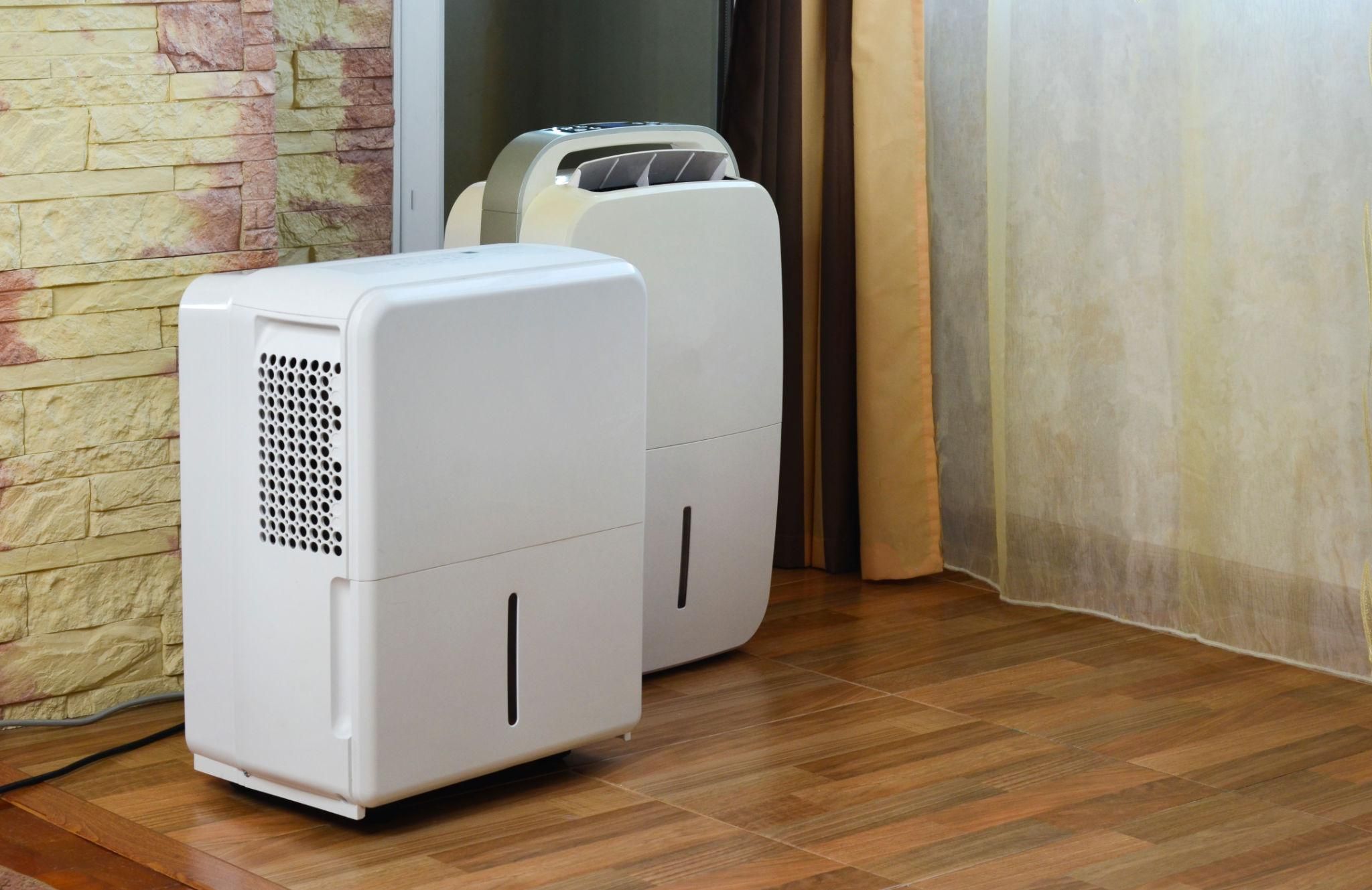
3. Dehumidification: Managing the moisture that enters through leaks or high humidity is vital to preventing long term mold growth.
How to protect your indoor air quality during extreme weather?
Protecting your home requires a proactive approach. Environmental health specialists recommend the following steps to ensure the air stays clean when the weather turns volatile:
- Seal the Entry Points: Before the storm reaches its peak, check for gaps around windows and doors. Use weather stripping or even temporary sealants to minimize the infiltration of outdoor air.
- Upgrade HVAC Filters: If your system allows it, install filters with a higher MERV (Minimum Efficiency Reporting Value) rating. A MERV 13 filter or higher is often recommended for capturing the fine particles associated with storm dust.
- Utilize Portable Air Purifiers: Place high quality air purifiers in the rooms where you spend the most time, such as bedrooms. Ensure they use mechanical filtration rather than ozone generating technology, as ozone can be an irritant itself.
- Monitor Humidity Levels: Use a simple hygrometer to track indoor moisture. If levels rise above 60 percent, use a dehumidifier or run your air conditioner in dry mode to extract moisture from the air.

What are the common mistakes people make during weather alerts?
One of the most frequent errors is opening windows too soon after a storm has passed. While the air might feel cooler, it is often saturated with mold spores and fine dust stirred up by the winds. According to environmental health experts, the outdoor particulate concentration can remain dangerously high for several days following a cyclone.
Another mistake is the improper use of generators. If power is lost, many residents use portable generators too close to windows or intake vents. This can lead to carbon monoxide buildup, which is a lethal indoor air quality issue. Experts suggest that generators must be placed at least 20 feet away from any building opening.
What are the benefits of maintaining high indoor air quality?
The primary benefit is the protection of respiratory health. Vulnerable populations, including children, the elderly, and those with pre-existing conditions like asthma or COPD, are at high risk during weather related air quality alerts. By maintaining clean air, you reduce the likelihood of inflammatory responses and emergency room visits.
Furthermore, there is an economic benefit. Preventing mold growth through moisture control and air filtration saves homeowners thousands of units of local currency in remediation costs. Clean air also protects sensitive electronics and home furnishings from the abrasive effects of mineral dust and salt spray carried by storm winds.
What are the pro tips for long term air quality resilience?
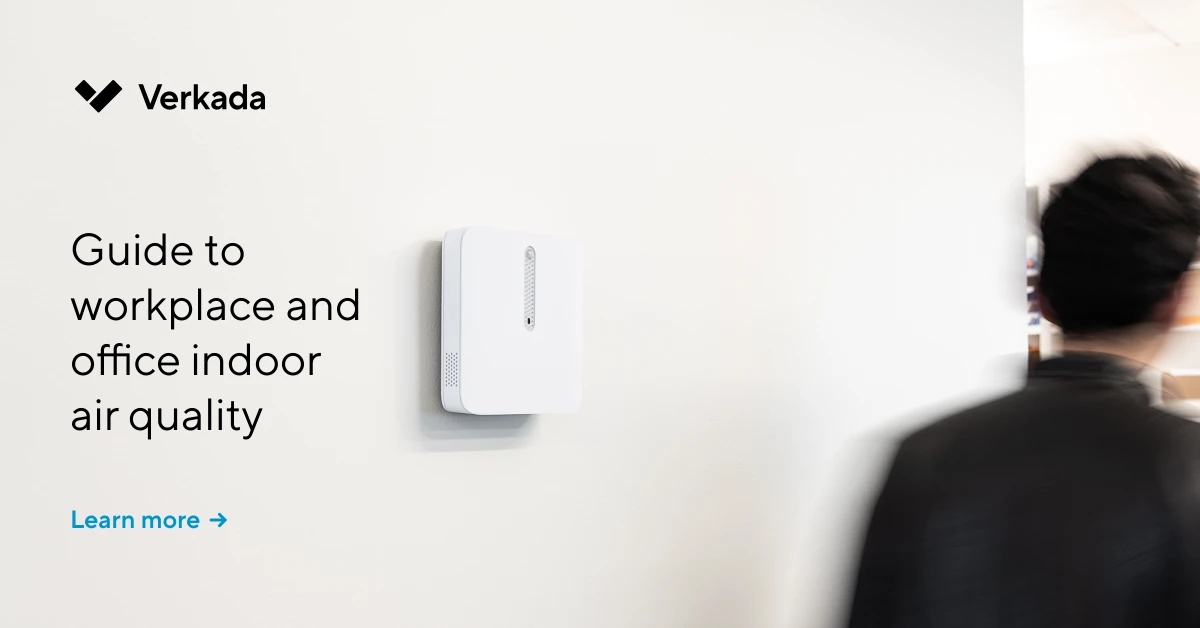
Experts suggest that homeowners in cyclone prone regions should consider installing permanent air monitoring systems. These devices provide real time data on particulate levels and VOCs (Volatile Organic Compounds), allowing you to react quickly to changing conditions. Additionally, investing in a whole house dehumidification system can be a game changer for residents in humid tropical climates, ensuring that the home remains a safe haven regardless of the outdoor weather.
Frequently Asked Questions
Why does the air smell different after a cyclone?
The distinct smell is often a combination of ozone, which is produced by lightning, and the release of geosmin and other organic compounds from the soil as it is disturbed by wind and rain. In some cases, it can also indicate the beginning of mold growth if the smell is musty.
Is it safe to run the air conditioner during a storm?
As long as the outdoor unit is secure and there is no risk of flooding or electrical surges, running the AC can help dehumidify the air. However, if the storm is severe, it is often safer to turn it off to prevent damage from power fluctuations.
How long should I keep my air purifiers running after a weather alert?
It is advisable to keep them running on high for at least 48 to 72 hours after the storm has subsided. This ensures that any particles that settled during the event and are later kicked up by indoor activity are captured.
Can indoor plants help clean the air during a cyclone?
While plants are beneficial for general well being, they cannot process the high volume of particulates and moisture changes associated with a major storm. Relying on mechanical filtration is much more effective in these scenarios.
What should I do if I find mold after a storm?
If the area is small, it can be cleaned with a mixture of water and detergent. However, for larger areas or if it has entered the HVAC system, you should consult a professional remediation service to avoid spreading spores through the air.
Sources and References
- World Health Organization (WHO)
- U.S. Environmental Protection Agency (EPA)
- National Oceanic and Atmospheric Administration (NOAA)
- Intergovernmental Panel on Climate Change (IPCC)
Important Note: Medical Disclaimer: This information is not intended to be a substitute for professional medical advice, diagnosis, or treatment. Always seek the advice of your physician or other qualified health provider.
Conclusion
Long-term protection against tropical cyclone impacts requires proper ventilation systems, effective air filtration, and humidity control. Installing indoor air monitoring devices and maintaining balanced indoor environments can significantly reduce health risks during extreme weather events.
Related Media
Quick View: Understanding Weather Warnings: Staying Safe During Severe Weather Conditions





Comments 0
Leave a Reply
Your email address will not be published. Required fields are marked *
Be the first to share your thoughts!