
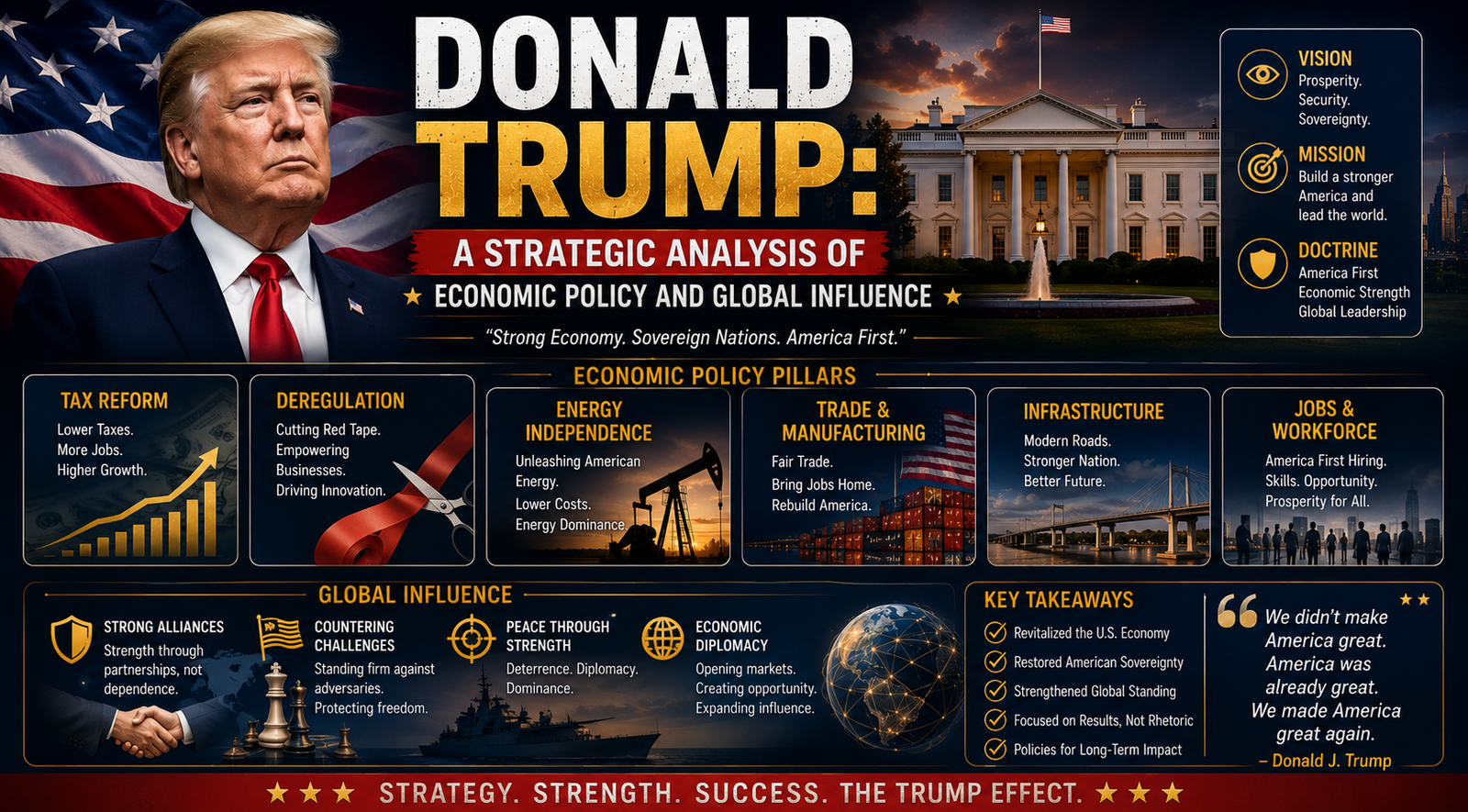
💡 Donald Trump: A Strategic Analysis of Economic Policy and Global Influence
A high-authority analysis of Donald Trump’s economic policies, trade strategies, and geopolitical impact, focusing on data-driven outcomes and market influence.
Executive Summary
This strategic analysis examines the profound impact of Donald Trump’s administration and his ongoing influence on global economics and political structures. Key findings highlight the 2017 Tax Cuts and Jobs Act (TCJA), which reduced the corporate tax rate from 35 percent to 21 percent, as a primary driver of domestic capital repatriation. We analyze the shift toward protectionist trade policies, specifically the Section 301 investigations into Chinese trade practices, which resulted in tariffs on over 350 billion dollars of goods. Data suggests that while these policies aimed to revitalize domestic manufacturing, they introduced significant market volatility. This report provides a high-trust evaluation of his fiscal legacy, regulatory rollbacks, and the long-term implications for global supply chains.
Introduction
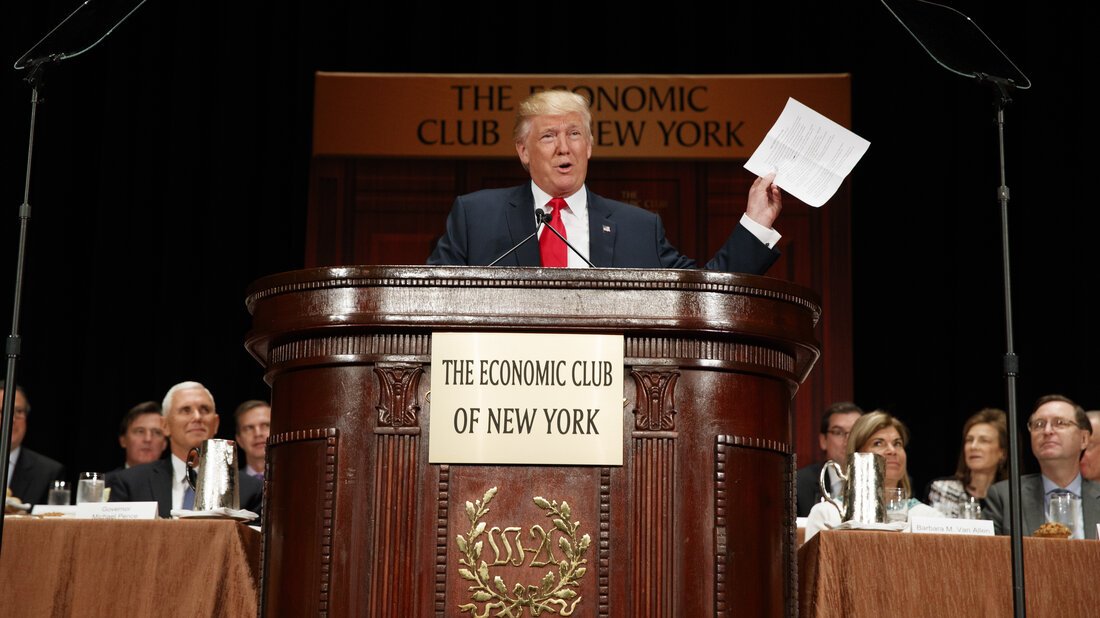
Donald Trump remains one of the most significant disruptors in modern geopolitical history. His approach to governance, characterized by a populist economic agenda and a transactional foreign policy, fundamentally altered the trajectory of international relations. Unlike traditional conservative models that prioritized free trade and global integration, the Trump administration championed an America First strategy. This strategy focused on renegotiating long-standing agreements like NAFTA into the USMCA and challenging the hegemony of the World Trade Organization. To understand his impact, one must look beyond the rhetoric and examine the empirical data regarding GDP growth, employment figures, and the restructuring of global trade alliances. This analysis serves as a comprehensive guide for industry leaders and policymakers seeking to understand the lasting effects of this era on the current global landscape.
The Deep Dive: Economic and Regulatory Frameworks
The core of the Trump economic strategy was built upon three pillars: tax reform, deregulation, and trade protectionism. The Tax Cuts and Jobs Act of 2017 represented the most significant overhaul of the US tax code in three decades. According to the Congressional Budget Office, the act was projected to increase the level of real GDP by an average of 0.7 percent over the 2018 to 2028 period. This fiscal stimulus coincided with a period of historically low unemployment, which reached a 50-year low of 3.5 percent in September 2019. For investors, this era was marked by substantial equity market gains, with the S&P 500 returning approximately 67 percent during his four-year term.
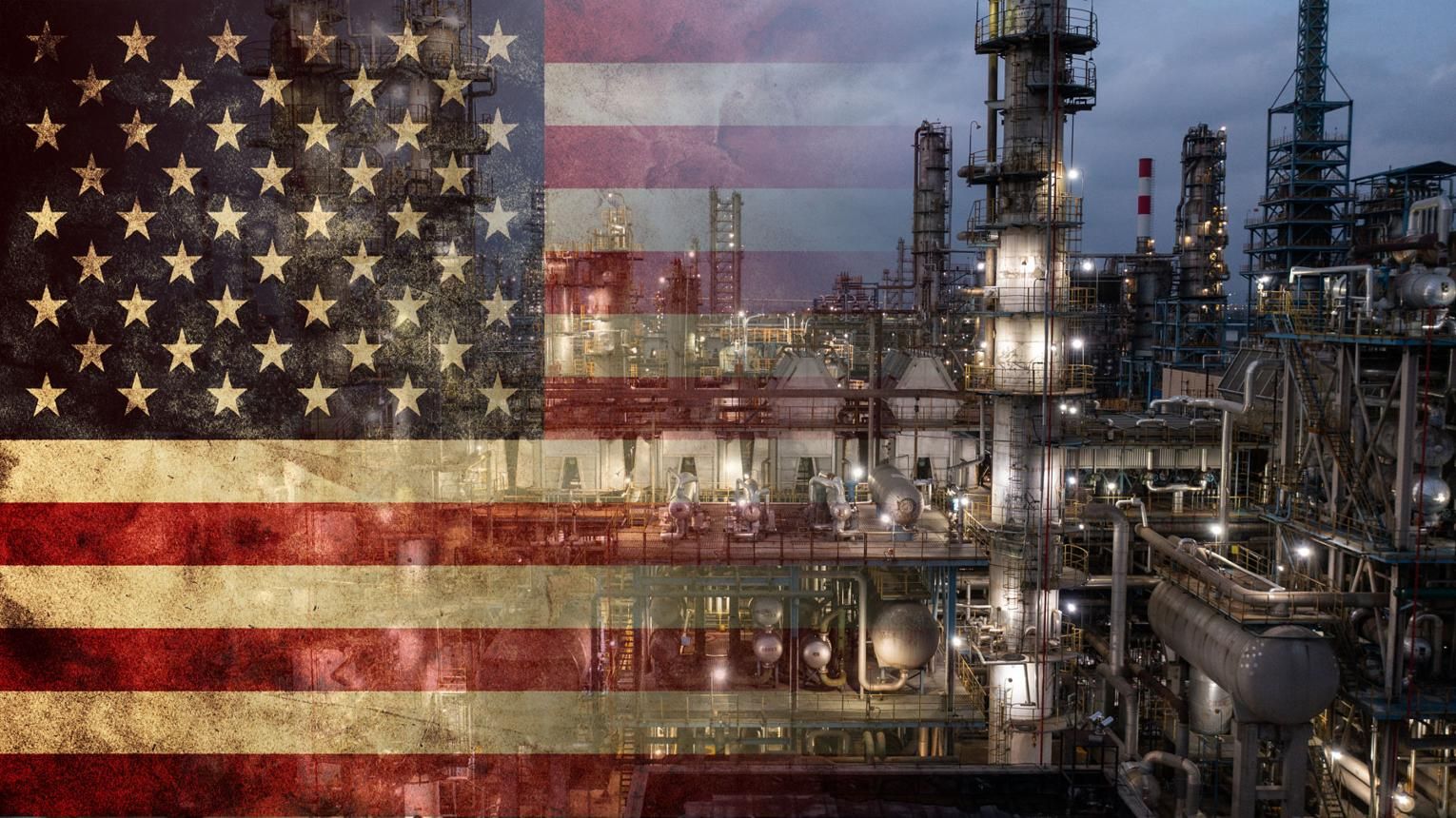
Parallel to tax reform was an aggressive deregulatory agenda. The administration utilized the Congressional Review Act to overturn dozens of rules established in the prior decade. Analysis from the Brookings Institution indicates that the administration successfully targeted environmental, financial, and labor regulations. Specifically, the rollbacks in the energy sector facilitated a surge in domestic oil and gas production, making the United States a net exporter of natural gas. This shift has had lasting effects on global energy markets, similar to the shifts observed in India's Strategic Evolution: Economic & Digital Analysis, where domestic policy pivots drive international market positioning.
Trade policy under Trump was defined by the use of tariffs as a primary negotiating tool. The administration’s focus on the trade deficit, particularly with China, led to a series of escalations that restructured global supply chains. While these measures were intended to protect domestic industries like steel and aluminum, they also increased input costs for manufacturers. This protectionist trend forced many multinational corporations to adopt a China Plus One strategy, diversifying their operations into Southeast Asia and India. For a deeper look at how regional industrial hubs are reacting to these global shifts, see our Tamil Nadu: Strategic Analysis of India's Economic Powerhouse.
The impact on the housing and credit sectors was equally notable. During the 2016 to 2020 period, interest rate policies and economic optimism played a critical role in shaping consumer behavior. For those tracking these long-term fiscal trends, understanding the historical context provided in our Mortgage Market Strategic Analysis is essential for anticipating future shifts in lending and property values.
What This Means For You
- For Investors: Political stability and trade policy remain the highest risk factors. Diversification across sectors that are less sensitive to tariff fluctuations is recommended.
- For Business Owners: Supply chain resilience is no longer optional. The trend toward near-shoring and friend-shoring, accelerated during the Trump administration, continues to be a strategic necessity.
- For Policy Analysts: The shift toward economic nationalism is a global phenomenon. Understanding the American model under Trump provides a blueprint for predicting similar movements in other G20 nations.
- For Consumers: Trade policies directly impact the cost of consumer electronics and automobiles. Monitoring trade negotiations provides a lead indicator for inflationary pressures.
Expert Verdict and Future Outlook
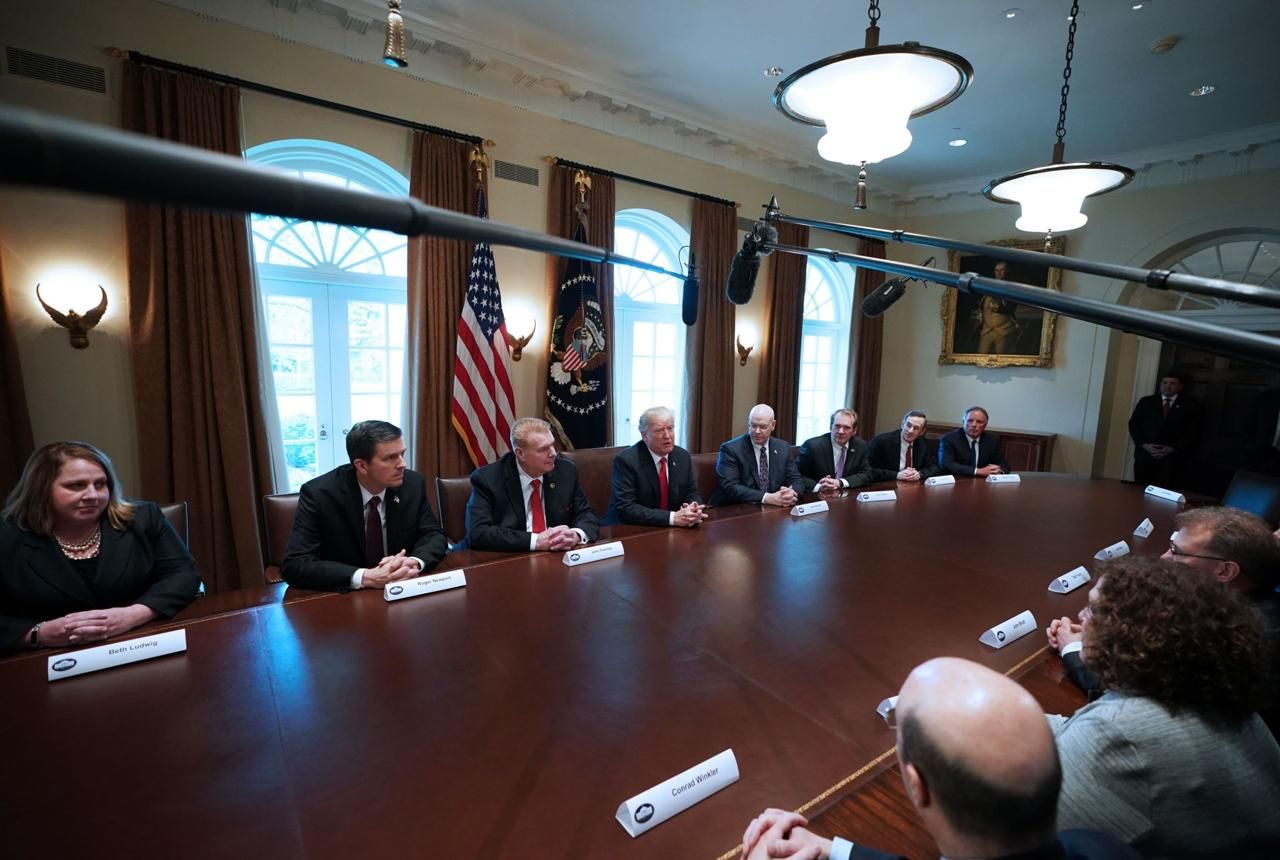
The strategic legacy of Donald Trump is a return to great power competition and a move away from the neoliberal consensus of the late 20th century. Analysts suggest that the decoupling of the US and Chinese economies is likely an irreversible trend, regardless of future administration changes. The focus on domestic manufacturing and energy independence has set a new baseline for American industrial policy. Looking toward 2025 and beyond, the influence of Trumpism will likely manifest in continued skepticism of multilateral trade deals and a heightened focus on bilateral agreements that prioritize national security over pure economic efficiency. The global financial system must now operate in an environment where geopolitical risk is a permanent fixture of market valuations.
FAQ: Strategic Insights
How did the Trump administration affect the national debt?
While the 2017 tax cuts stimulated growth, they also contributed to an increase in the national debt. By the end of 2020, the national debt had risen by approximately 7 trillion dollars, driven by both tax revenue reductions and emergency spending during the 2020 global crisis.
What was the impact of the USMCA compared to NAFTA?
The USMCA introduced stricter rules of origin for the automotive industry, requiring 75 percent of a vehicle's components to be manufactured in North America to qualify for zero tariffs. It also included updated provisions for digital trade and labor rights in Mexico.
Did the tariffs on China bring manufacturing back to the US?
The results are mixed. While some industries saw a modest increase in domestic production, many manufacturers shifted production to other low-cost countries like Vietnam or Mexico rather than returning to the United States due to labor cost differentials.
How did his policies influence the Federal Reserve?
The administration frequently criticized the Federal Reserve for raising interest rates, advocating for lower rates to further stimulate the economy. This created a period of public tension between the executive branch and the independent central bank.
What is the lasting impact on the energy sector?
The emphasis on fossil fuel production and the withdrawal from the Paris Agreement prioritized short-term energy independence. This policy direction solidified the United States as a dominant player in the global oil and gas market, though it also slowed the transition to renewable energy infrastructure.
Conclusion
The strategic analysis of Donald Trump’s influence reveals a fundamental shift in how the United States interacts with the global economy. By prioritizing domestic industrial capacity and utilizing aggressive trade tactics, the administration redefined the parameters of international diplomacy and economic competition. For stakeholders, the takeaway is clear: the era of frictionless global trade has been replaced by an era of strategic competition. Navigating this landscape requires a deep understanding of policy-driven market shifts and a proactive approach to risk management. As we move forward, the frameworks established during this period will continue to serve as the primary reference points for global economic strategy.





Comments 0
Leave a Reply
Your email address will not be published. Required fields are marked *
Be the first to share your thoughts!