
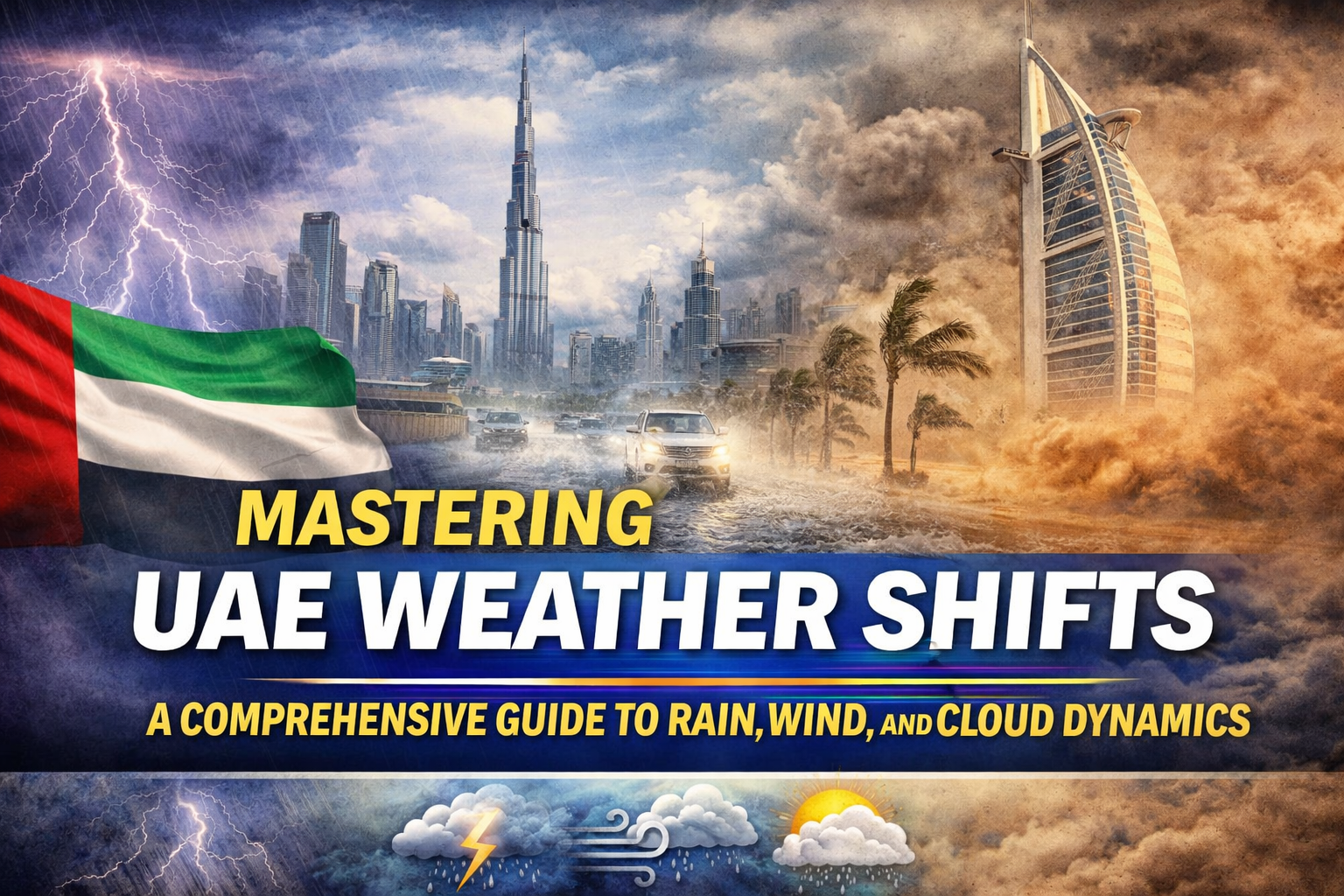
💡 What is Weather?
Explore the science behind the UAE's unsettled weather patterns, from convective rain clouds to gusty shamal winds, and learn how to stay prepared in a desert climate.
The United Arab Emirates is globally recognized for its year round sunshine and arid desert landscapes. However, the region occasionally experiences significant shifts in atmospheric conditions that lead to what meteorologists describe as unsettled weather. These periods bring a mix of heavy rain, cloudy skies, and gusty winds, transforming the golden dunes into a dynamic environment of moisture and movement. Understanding these patterns is essential for residents and travelers alike, as the transition from extreme heat to stormy conditions can occur with surprising speed.
According to global meteorological analysts, the Arabian Peninsula is seeing a fascinating evolution in its climate cycles. While the desert remains the dominant feature, the interaction between sea breezes, mountain ranges, and high altitude pressure systems creates a unique laboratory for weather phenomena. This guide explores the science, the preparation, and the impact of these weather shifts in one of the most vibrant regions of the world.
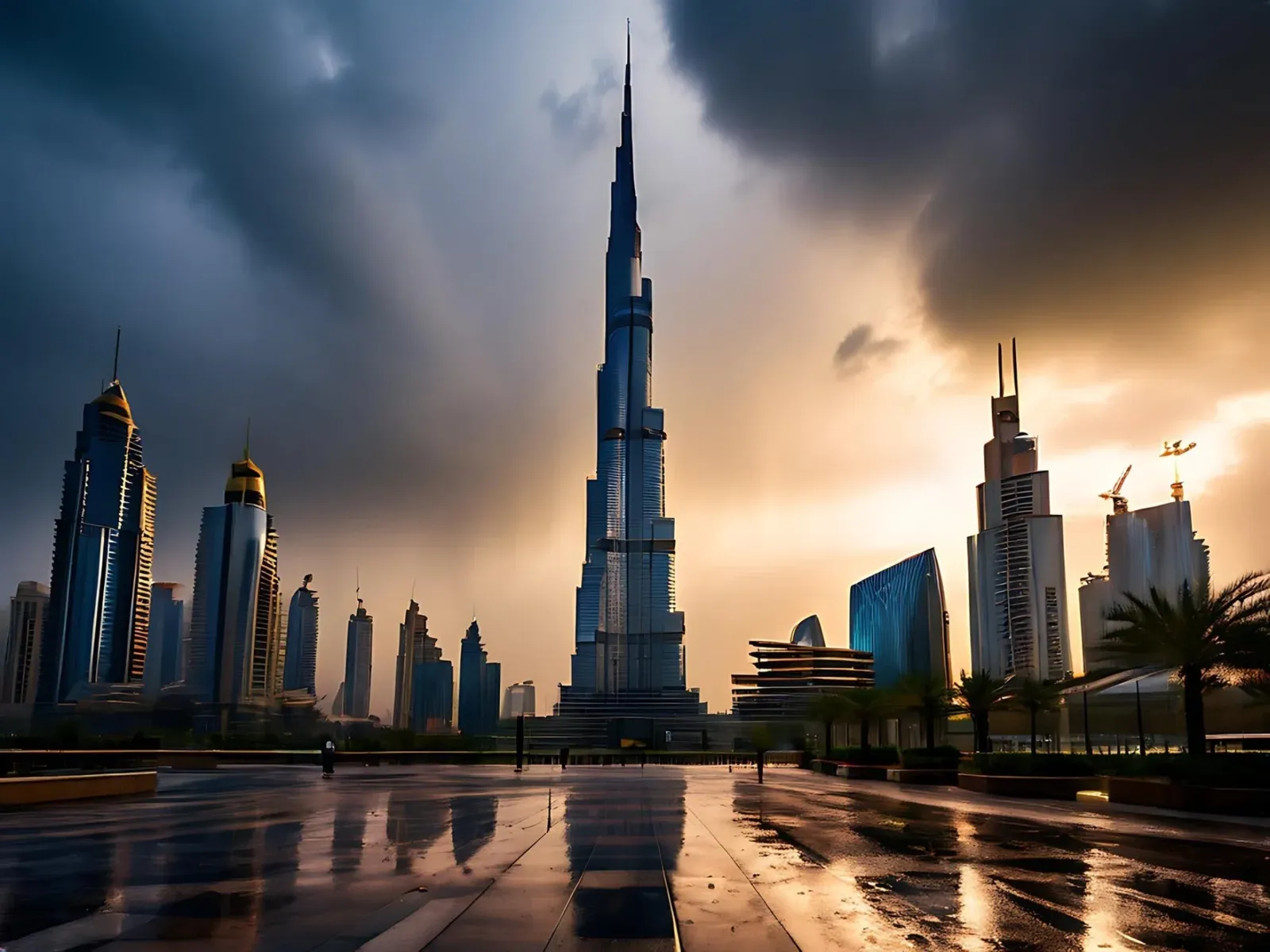
What is unsettled weather in the UAE?
In the context of the UAE, unsettled weather refers to a period where the stable, high pressure systems that usually dominate the region are replaced by low pressure troughs or atmospheric instabilities. Experts suggest that these periods are often triggered by the movement of moist air from the Arabian Gulf or the Sea of Oman meeting cooler air in the upper atmosphere. When these air masses collide, the result is cloud formation, wind speed increases, and precipitation.
Unlike temperate climates where rain might persist for days in a light drizzle, desert rain is often convective. This means it is intense, localized, and accompanied by significant wind. The term unsettled perfectly describes the unpredictability of these events, where one neighborhood might experience a downpour while another remains completely dry under a hazy sun.
How do convective clouds form in the desert?
The primary driver of rainfall in the UAE is the formation of convective clouds. As per recent industry reports from meteorological centers, the process begins with surface heating. The intense sun warms the land, causing the air immediately above it to rise. If there is enough moisture in the air, often pulled from the surrounding seas, this rising air cools as it reaches higher altitudes, leading to condensation and the birth of towering cumulus clouds.
In the eastern regions of the UAE, the Al Hajar Mountains play a critical role. This is known as orographic lifting. When air is forced to rise over the mountain peaks, it cools rapidly, frequently triggering thunderstorms that can then migrate toward the coastal cities. These clouds are often the source of the gusty winds that precede a storm, as the downdrafts from the clouds push cold air toward the surface at high velocities.
What is the role of cloud seeding in UAE rainfall?
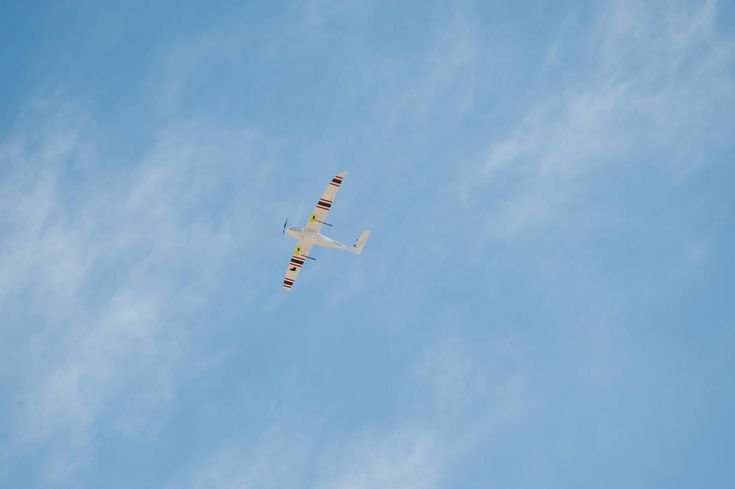
One cannot discuss weather in the UAE without mentioning the sophisticated technology of cloud seeding. As a global leader in water security initiatives, the UAE uses this process to enhance the amount of precipitation generated by existing clouds. It is important to clarify that cloud seeding does not create clouds from nothing: rather, it makes existing clouds more efficient at producing rain.
According to experts at the National Center of Meteorology, the process involves flying specialized aircraft into the base of convective clouds. These planes release salt flares containing natural minerals like potassium chloride and sodium chloride. These particles act as nuclei, attracting water droplets within the cloud and causing them to merge and grow until they are heavy enough to fall as rain. This scientific intervention is a key part of the nation's strategy to manage its water resources and mitigate the effects of its naturally arid climate.
Where do gusty winds and shamals originate?
Unsettled weather is almost always accompanied by wind. In the UAE, the most famous of these is the Shamal wind. Derived from the Arabic word for north, the Shamal is a northwesterly wind that blows over the Persian Gulf. It is often triggered by the interaction between a high pressure cell over northern Africa and a low pressure system over the Gulf.
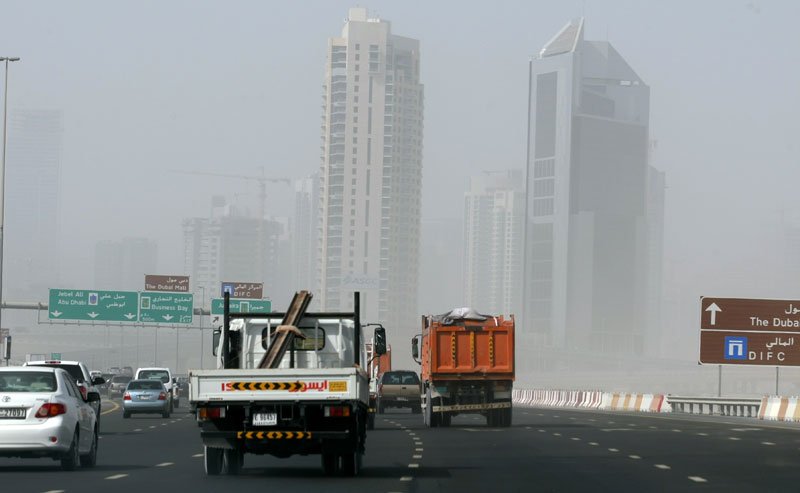
These winds can reach speeds that significantly reduce visibility by picking up loose sand and dust from the desert floor. During periods of unsettled weather, gusty winds are also produced by thunderstorms. These localized gusts, known as microbursts, can create sudden and intense wind shifts that pose challenges for aviation, maritime activities, and road transport. Understanding the origin of these winds helps in predicting the duration and intensity of the dust storms that often precede the rain.
How to prepare for rainy days and wind in the UAE?
Preparation is the most effective way to navigate the challenges of unsettled weather. Because the UAE infrastructure is primarily designed for heat, sudden heavy rain requires a specific set of safety protocols. Residents are encouraged to follow these essential steps:
- Vehicle Maintenance: Ensure that windshield wipers are in top condition and tires have sufficient tread. Desert heat can degrade rubber quickly, making wipers ineffective when they are finally needed.
- Home Safety: Secure loose items on balconies or in gardens. Gusty winds can turn outdoor furniture or decorative items into dangerous projectiles.
- Wadi Awareness: Never visit wadis (valleys) during or after rain. Flash floods in the desert are incredibly powerful and can occur even if it is not raining in your specific location, as water travels from the mountains.
- Driving Habits: Reduce speed and increase the following distance. The first rain after a long dry spell can make roads exceptionally slippery as water mixes with accumulated oil and dust on the asphalt.
What are the common mistakes during unsettled weather?
One of the most frequent mistakes people make is underestimating the power of desert rain. Because it happens infrequently, there is often a sense of novelty that leads to risky behavior. For instance, attempting to cross a flooded road in a four wheel drive vehicle is a common error. Even heavy vehicles can be swept away by relatively shallow, fast moving water.
Another mistake is ignoring official weather alerts. The UAE government uses a color coded warning system (Yellow, Orange, Red) to communicate the severity of weather events. Failing to check these updates via official channels like the National Center of Meteorology can lead to being caught in hazardous conditions without a plan. Lastly, people often forget that wind can be just as damaging as rain, neglecting to secure construction sites or temporary structures.
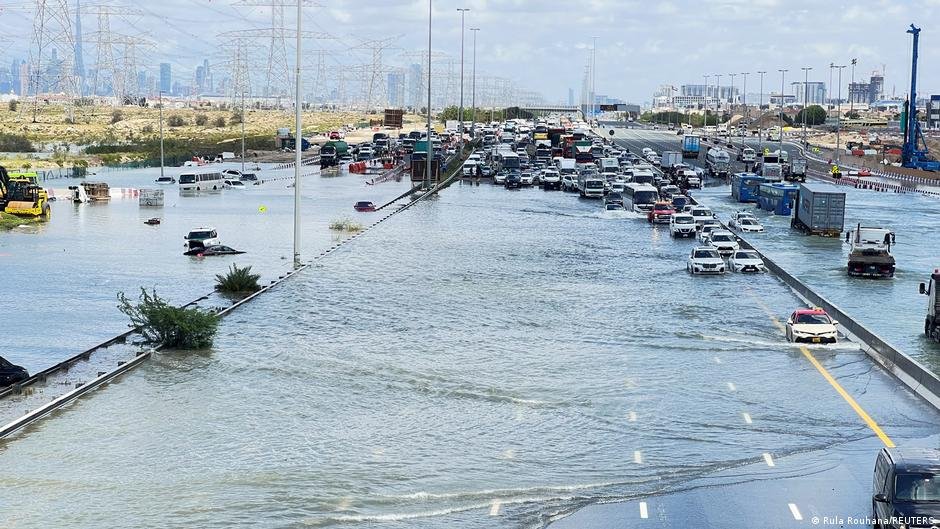
Pro tips for staying safe and informed
Experts suggest that the best way to stay ahead of the weather is to utilize technology. Download official weather apps that provide real time radar imagery. This allows you to see exactly where the rain cells are moving. Additionally, during dusty conditions, it is advisable to keep windows closed and ensure air conditioning filters are clean to prevent respiratory issues caused by fine particulate matter.
For those interested in photography or outdoor activities, the period immediately following a rainstorm offers some of the most beautiful light and clearest air in the region. However, always wait for the official all clear from local authorities before heading out into mountainous or rural desert areas. By respecting the power of nature and utilizing the data provided by meteorological experts, you can safely enjoy the rare and refreshing experience of rain in the desert.
Frequently Asked Questions
What causes the sudden drop in temperature during UAE rain?
The drop in temperature is caused by evaporative cooling. As rain falls through dry air, some of it evaporates, which absorbs heat from the surrounding atmosphere. Additionally, the thick cloud cover blocks solar radiation, preventing the ground from heating up as it usually would.
Is the rain in the UAE always a result of cloud seeding?
No. While cloud seeding is used to enhance rainfall, the UAE experiences natural rain cycles, particularly during the winter months and the monsoon transitions. Cloud seeding only works when there are already moisture rich clouds present in the sky.
How can I tell if a dust storm is approaching?
Watch for a wall of dust on the horizon and a sudden shift in wind direction. Often, the sky will take on a yellowish or orange hue. Monitoring official weather reports is the most reliable way to receive advance warning of a Shamal or dust event.
Why are wadis so dangerous during unsettled weather?
Wadis are natural drainage basins. In the desert, the ground is often hard and cannot absorb water quickly. This causes rain to run off the surface and collect in the wadis, creating fast moving torrents that can appear miles away from the actual storm site.
What should I do if I am driving during a heavy sandstorm?
If visibility drops to a dangerous level, pull over to a safe area well off the road and turn off your lights. Keeping your lights on while stationary can confuse other drivers into thinking you are still moving, potentially leading to rear end collisions.
Conclusion
Unsettled weather in the UAE is a complex meteorological phenomenon driven by atmospheric pressure shifts, mountain geography, and advanced human intervention like cloud seeding. By understanding the science behind convective clouds and the risks associated with gusty winds, residents can better prepare for these rare events. Always prioritize safety by following official alerts and respecting the unpredictable nature of desert storms.
Related Media
Quick View: Patna Weather Guide: Understanding Seasonal Shifts and Storm Alerts in Bihar





Comments 0
Leave a Reply
Your email address will not be published. Required fields are marked *
Be the first to share your thoughts!