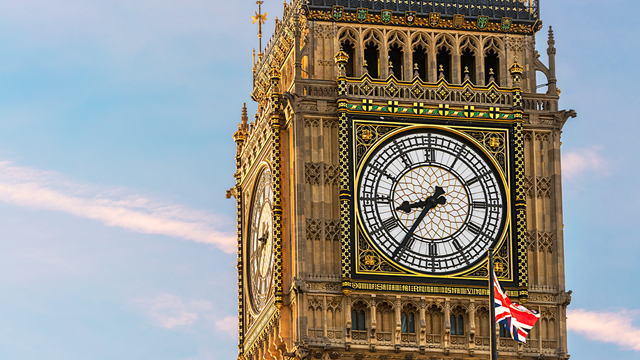
💡 What is Uk time change?
Discover everything about the UK time change, including why the clocks spring forward, the history of British Summer Time, and expert tips for adjusting your schedule.
Every year, people in the UK change their clocks as the seasons shift. While it may seem like a small one-hour adjustment, this change can affect your sleep, daily routine, and even productivity. The transition from Greenwich Mean Time (GMT) to British Summer Time (BST) marks the arrival of spring and the promise of longer, brighter evenings. While the act of moving a clock forward by sixty minutes seems simple, the implications for health, energy consumption, and the economy are profound. Understanding the mechanics and the history of this change is essential for anyone living in or interacting with the British Isles.

What is the UK Time Change?
The UK time change refers to the practice of Daylight Saving Time (DST), where the nation shifts its clocks forward by one hour during the warmer months and back again in the autumn. According to historical records from the Royal Observatory, this system was designed to make better use of natural daylight. When the clocks go forward, the UK enters British Summer Time (BST), moving from UTC+0 to UTC+1. This ensures that the sun sets at a later hour according to the clock, providing extra daylight in the evening.
The main purpose of this time change is simple to make better use of natural daylight in everyday life.. By shifting an hour of daylight from the morning to the evening, the society supposedly reduces the need for artificial lighting and encourages outdoor activities. This cycle has been a staple of British life for over a century, though it remains a topic of debate among scientists and policymakers alike.

Why Do the Clocks Spring Forward?
The concept of "springing forward" is rooted in the early 20th century. The idea was famously championed by a builder named William Willett, who was frustrated by the waste of daylight during the summer mornings. He published a pamphlet titled The Waste of Daylight in 1907, suggesting that moving the clocks could improve the health and happiness of the population. Although he did not live to see it, the UK government eventually adopted the Daylight Saving Act in 1916 during the First World War to conserve coal and energy.
Even today, this system is useful because it gives people more daylight in the evening when they are active.. By moving the clock, the country attempts to maximize the utility of the sun. In the peak of summer, the sun rises extremely early in northern latitudes like the UK. Without the time change, sunrise in London would occur before 4:00 AM in June, a time when most people are still asleep. Shifting the clock ensures that this light is instead available during the 8:00 PM to 9:00 PM window, which is more beneficial for commerce and leisure.
How to Prepare for the Transition?
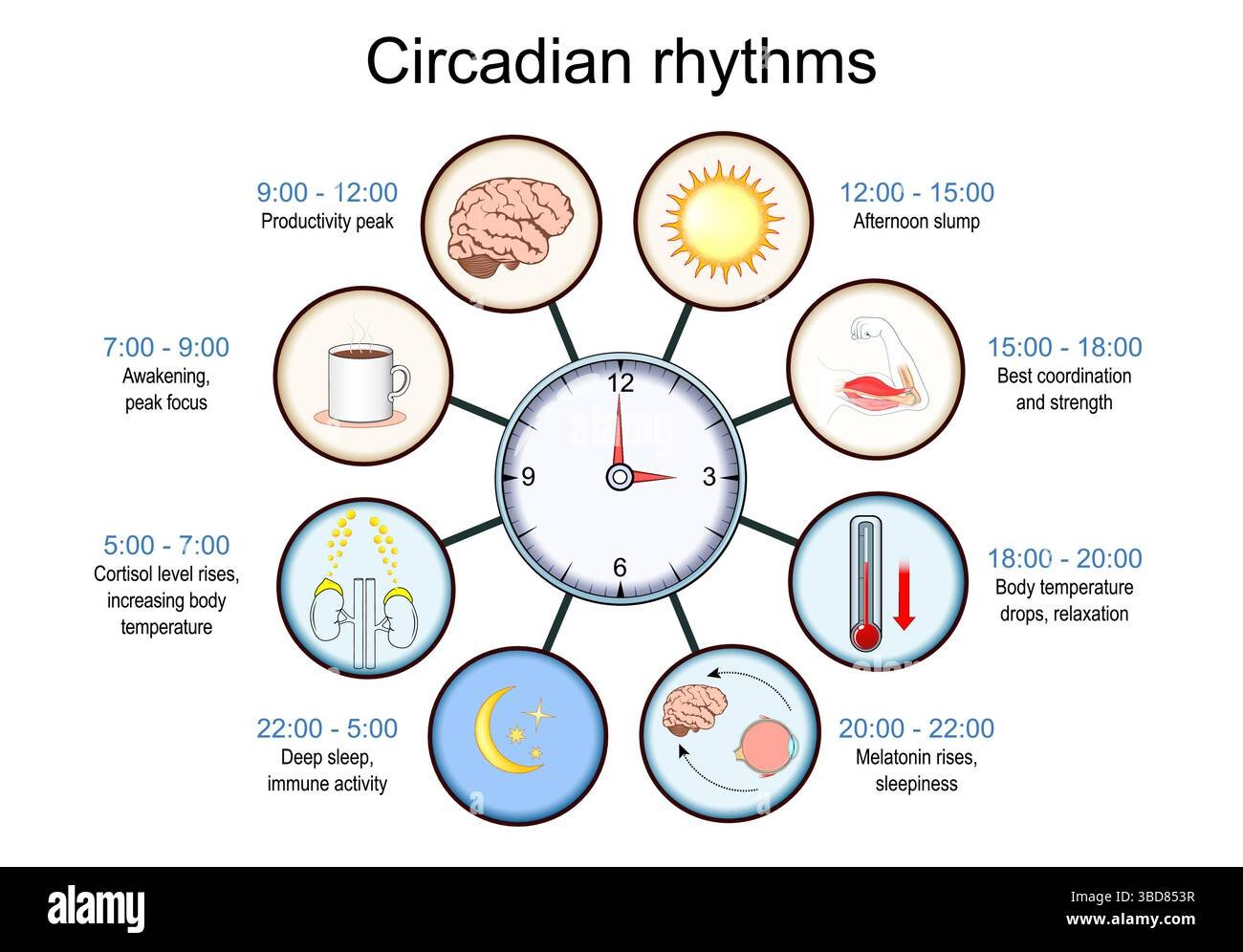
Adjusting to the loss of one hour can be challenging for the human body. The circadian rhythm, or the internal biological clock, is sensitive to light and time shifts. To ensure a smooth transition, follow these expert-recommended steps:
- Gradual Adjustment: Start going to bed fifteen to twenty minutes earlier each night for three days leading up to the change.
- Optimize Light Exposure: Seek natural sunlight as soon as you wake up on the morning after the clocks change. This helps reset your internal clock.
- Check Smart Devices: Most modern smartphones, computers, and smartwatches update automatically. However, it is vital to manually check appliances like ovens, microwaves, and car dashboards.
- Avoid Caffeine Late in the Day: To compensate for the lost hour of sleep, avoid stimulants in the afternoon to ensure your sleep quality remains high.
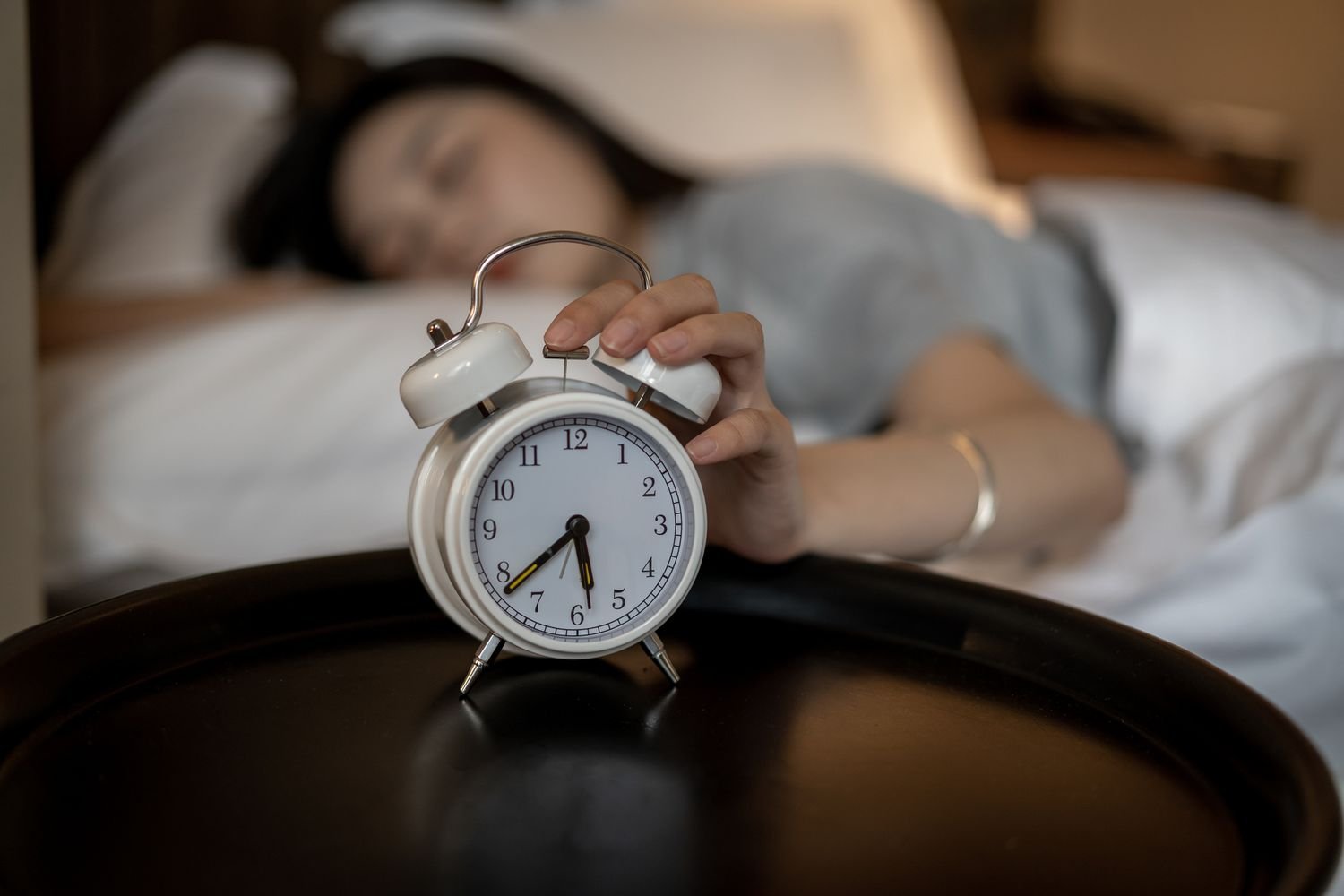
Real Life Example of Time Change Impact
“For example, many office workers notice that after the clocks go forward, they have more daylight after work. This makes it easier to go for a walk, spend time with family, or run errands without it getting dark too early.”
What are the Benefits of British Summer Time?
The shift to BST offers several advantages that impact various sectors of society. In real life, longer evenings often mean people spend more time outside, which helps local shops, restaurants, and businesses. Longer evenings encourage consumers to spend more time outdoors, boosting the hospitality and retail sectors. People are more likely to visit parks, restaurants, and shops when the sun is still out after work hours.
From a safety perspective, road safety experts suggest that the extra hour of evening light reduces the number of traffic accidents. When there is more daylight in the evening, it becomes easier for drivers to see pedestrians and cyclists, which can help reduce accidents. Furthermore, the psychological impact of increased sunlight cannot be overstated. Higher levels of Vitamin D and more opportunities for physical exercise contribute to improved mental health and reduced rates of seasonal affective disorder.
Common Problems and Challenges
Despite the benefits, the time change is not without its critics. One of the most common issues is the temporary disruption to sleep patterns. Even a one-hour shift can lead to increased fatigue and a temporary dip in productivity for the first few days. Some people may feel more tired or less focused for a few days after the time change due to the sudden shift in sleep schedule.
Another challenge involves the agricultural sector. Farmers have historically argued that the time change disrupts the natural cycles of livestock. Cows, for instance, do not follow a human clock and may experience stress when milking times are suddenly shifted. Additionally, the international coordination of business meetings can become complicated, as different countries change their clocks on different dates, leading to confusion in global scheduling.
Pro Tips for Managing the Change
To master the UK time change, consider these professional insights. First, use the evening before the change to prepare your home. Walk through each room and update manual clocks so you wake up to the correct time. Second, prioritize a heavy breakfast on the Sunday morning of the change to provide your body with the energy needed to overcome any grogginess. Finally, if you have children or pets, remember that their routines are also affected. Shift their feeding and bedtime schedules gradually to avoid irritability.
Frequently Asked Questions
When do the clocks go forward in the UK?
In the UK, clocks go forward on the last Sunday of March every year. This marks the beginning of British Summer Time. The change occurs at 1:00 AM, at which point the time jumps immediately to 2:00 AM.
How do I remember which way the clocks change?
A simple mnemonic used across the UK is "Spring forward, Fall back." This means you move the clocks forward in the spring and backward in the autumn (fall).
Does the UK time change affect all of Great Britain?
Yes, the time change applies to England, Scotland, Wales, and Northern Ireland. The entire United Kingdom follows the same schedule for GMT and BST.
Why is there a debate about stopping the time change?
Some campaigners argue that the UK should stay on British Summer Time all year round to provide lighter evenings in the winter. However, this would mean the sun would not rise until very late in the morning in northern regions like Scotland, creating safety concerns for children walking to school.
Will my phone update the time automatically?
Most modern mobile devices that are connected to a network will update automatically. However, it is always a good idea to verify your settings under the Time and Date section to ensure the Auto-update feature is enabled.
Conclusion
The UK time change may seem small, but it has a noticeable impact on daily life. From longer evenings to slight sleep changes, it affects how people live and work during the year. By understanding the history of William Willett's vision and the practical steps needed to adjust, residents and visitors can make the most of the extra daylight. While the loss of an hour in the spring can be a temporary hurdle, the long-term benefit of sunny evenings makes it a cherished herald of the summer season. As the clocks spring forward, the UK collectively steps into a brighter and more active time of year.
Related Media
Quick View: The Complete Guide to the UK Time Change: When and Why Do the Clocks Spring Forward?





Comments 0
Leave a Reply
Your email address will not be published. Required fields are marked *
Be the first to share your thoughts!