
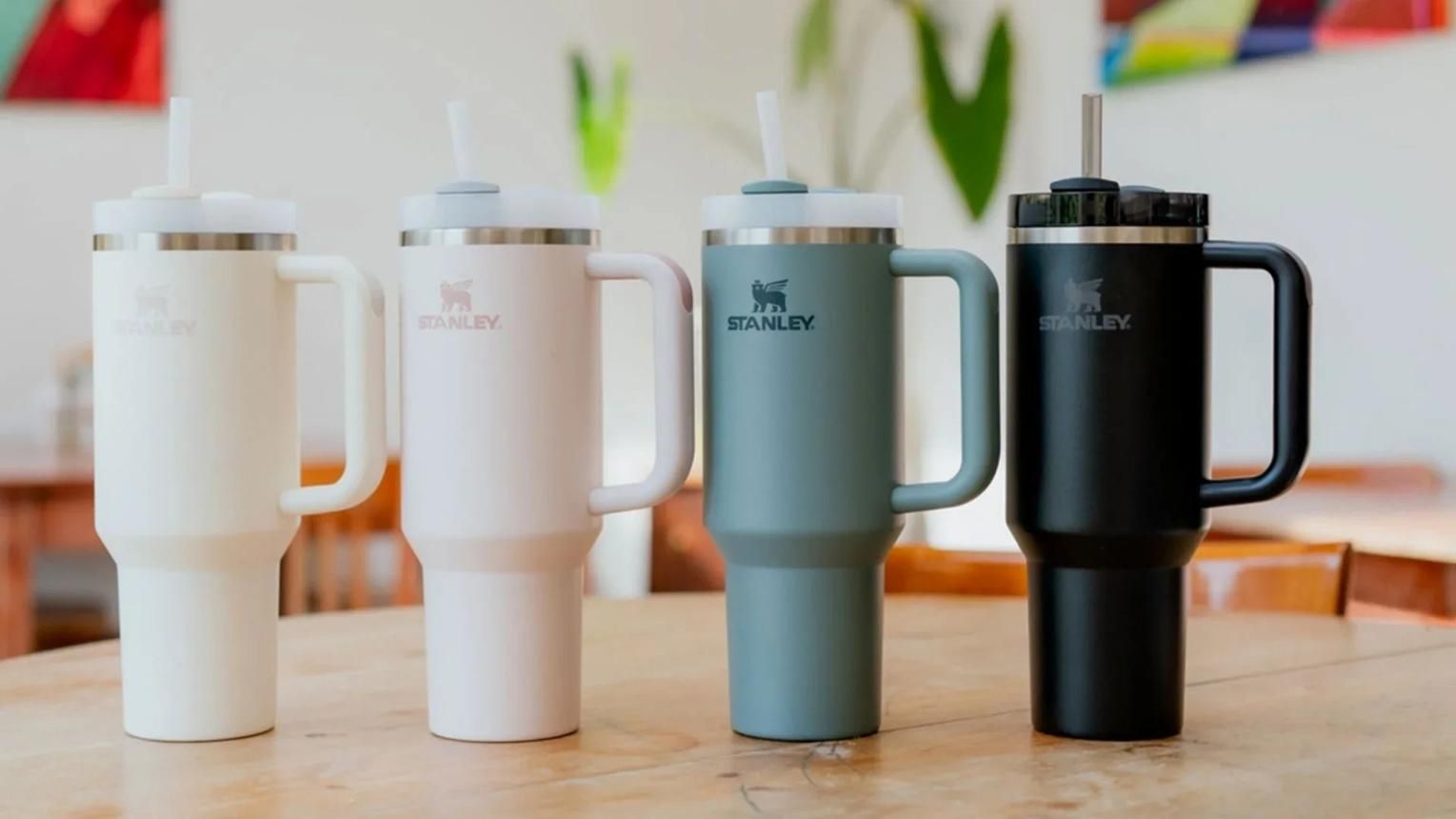
💡 What is Stanley?
Discover the history, marketing genius, and practical benefits of Stanley cups. Learn why this century-old brand became a global viral sensation and how to care for your tumblers.
In the modern landscape of consumer goods, few items have achieved the cult-like status of the Stanley cup. What began as a rugged tool for blue-collar workers and outdoorsmen over a century ago has transformed into a premier lifestyle accessory seen in the hands of influencers, professionals, and students across the United States, Australia, and beyond. This shift represents one of the most significant marketing pivots in recent history, turning a utilitarian vacuum flask into a symbol of health, hydration, and personal style.
The surge in demand for insulated tumblers reflects a growing consumer focus on sustainable and stylish hydration products but a reflection of changing consumer priorities. People are increasingly looking for products that combine durability with aesthetic appeal. According to global analysts, the brand has successfully tapped into the intersection of sustainability and fashion, making the act of carrying a reusable water bottle a statement of intent. This article explores the evolution of the brand, the reasons behind its explosive growth, and how users can maximize the lifespan of their products.
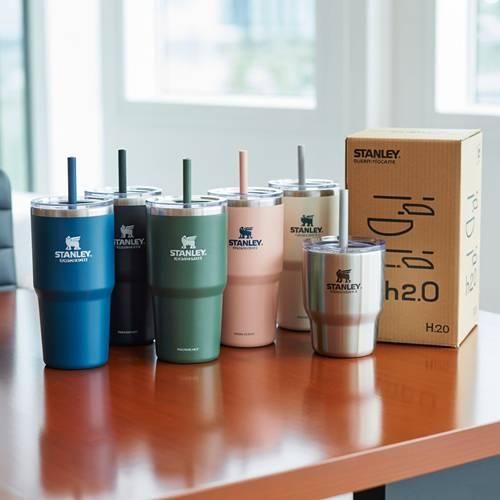
Who is William Stanley Jr.?
To understand the current phenomenon, one must look back to 1913. William Stanley Jr. was a physicist and inventor who forever changed the way hot drinks were consumed. Before his invention, vacuum-insulated bottles relied on glass liners, which were incredibly fragile and prone to shattering if dropped. Stanley discovered a way to use steel instead of glass, creating an all-steel vacuum bottle that was virtually indestructible.
For decades, the brand was synonymous with the working class. It was the bottle found in the lunchboxes of construction workers and the gear bags of hikers. The iconic hammertone green finish became a hallmark of the brand, representing toughness and reliability. However, the core technology remained the same: a double-wall vacuum insulation that could keep liquids hot or cold for extended periods. Experts suggest that this foundation of quality is what allowed the brand to survive long enough to experience its modern-day renaissance.
Understanding the Quencher Revolution
The product at the center of the current craze is the Adventure Quencher Travel Tumbler. While Stanley had been producing high-quality gear for a hundred years, the Quencher was a relatively late addition that initially struggled to find its footing. In fact, the company nearly discontinued the product in 2019. The turnaround began when a group of female entrepreneurs behind a commerce blog recognized the untapped potential of the 40-ounce tumbler.
They noticed that the Quencher offered several unique benefits that competitors lacked: a large capacity, a comfortable handle, and a tapered base that fits perfectly into standard car cup holders. By pivoting the marketing strategy from rugged outdoor use to daily hydration for busy women, the brand unlocked a massive new demographic. Industry experts suggest that this move toward pastel colors and limited-edition drops created a sense of scarcity and collectability that fueled social media engagement.
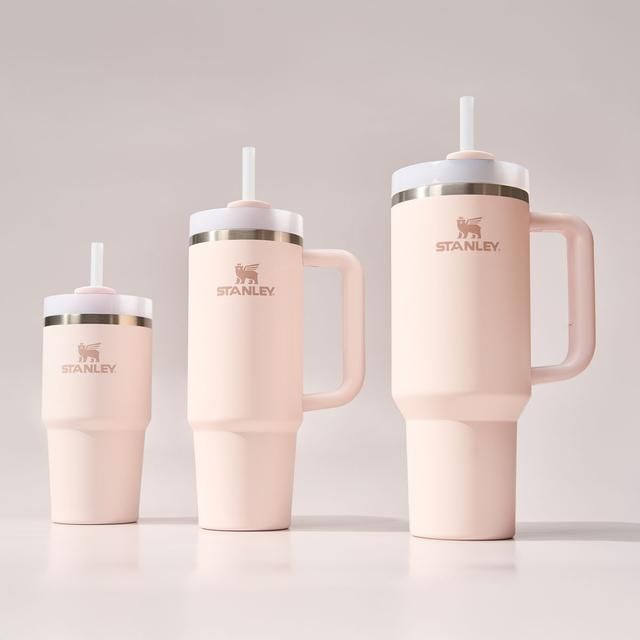
Key Features of Stanley Tumblers
The primary appeal of these products lies in their engineering. Understanding how they work can help consumers appreciate why they are often priced higher than generic alternatives. The core concepts include:
- Double-Wall Vacuum Insulation: This technology creates a literal vacuum between two layers of stainless steel. Since heat requires a medium to travel through, the vacuum prevents thermal transfer, helping ice stay frozen for up to two days, depending on the model and ambient conditions.
- 18/8 Stainless Steel: Stanley uses high-grade stainless steel that is BPA-free and resistant to rust. This ensures that the water does not have a metallic taste and that the bottle can withstand significant physical impact.
- The FlowState Lid: Modern Quenchers feature an advanced lid with three positions: a straw opening that resists splashes, a drink opening for sipping, and a full-cover top to prevent spills during transport.
Real-Life Use Cases and Benefits
The versatility of these tumblers is a major driver of their popularity. According to consumer behavior studies, the most common use cases include:
The Workplace Companion: For professionals spending long hours at a desk, the 40-ounce capacity means fewer trips to the water cooler, helping maintain focus and hydration levels throughout the day.
Fitness and Wellness: Many users find that the aesthetic appeal of the bottle encourages them to drink more water, which is a key component of skin health and energy levels. The handle makes it easy to carry between gym machines or during yoga sessions.
Travel and Commuting: Because the base is designed to fit in cars, it has become the go-to choice for road trips. Unlike wide-mouthed bottles that can be difficult to use while driving, the straw design allows for safe and easy access to hydration.

How to clean and maintain a Stanley cup?
Maintaining hygiene is crucial for any reusable vessel. While many Stanley products are labeled as dishwasher safe, experts suggest hand washing to preserve the exterior finish and the integrity of the seals. Here is a step-by-step guide to deep cleaning:
- Disassemble the Lid: Most leaks occur because of debris buildup in the lid. Remove the rotating cover and the silicone seal if possible.
- Soak in Warm Soapy Water: Use a mild detergent. Avoid harsh chemicals or bleach, as these can damage the stainless steel.
- Use a Straw Brush: The straw is the most common place for mold to grow. Use a dedicated thin brush to scrub the interior of the straw thoroughly.
- Dry Completely: Before reassembling, ensure every part is completely dry to prevent the growth of bacteria in trapped moisture.
Common Mistakes to Avoid
Despite their durability, users often make mistakes that can shorten the lifespan of their tumblers. One common error is using the cup for carbonated beverages without caution. The pressure from the carbonation can cause the lid to pop or lead to unexpected sprays when opening. Another mistake is placing the tumbler in the freezer. Since liquids expand when they freeze, this can warp the steel and break the vacuum seal, rendering the insulation useless.
Additionally, while the brand is known for its toughness, dropping the cup on hard concrete can still cause dents. While a dent might be purely cosmetic, a significant impact can compromise the vacuum layer. If the exterior of your cup feels hot when you fill it with tea, the vacuum seal has likely failed.
Pro Tips for Stanley Owners
To get the most out of your investment, consider these expert tips. First, to keep drinks cold for as long as possible, pre-chill the tumbler with ice water for five minutes before filling it with your actual beverage. Second, if you encounter stubborn stains or odors from coffee or tea, a mixture of warm water and baking soda can work wonders. Let it soak overnight, and the stains should scrub away easily the next morning.
Furthermore, keep an eye on the silicone gaskets. Over time, these can wear out or become stretched. Many third-party retailers and the official website offer replacement parts, which is much more sustainable and cost-effective than buying an entirely new cup.
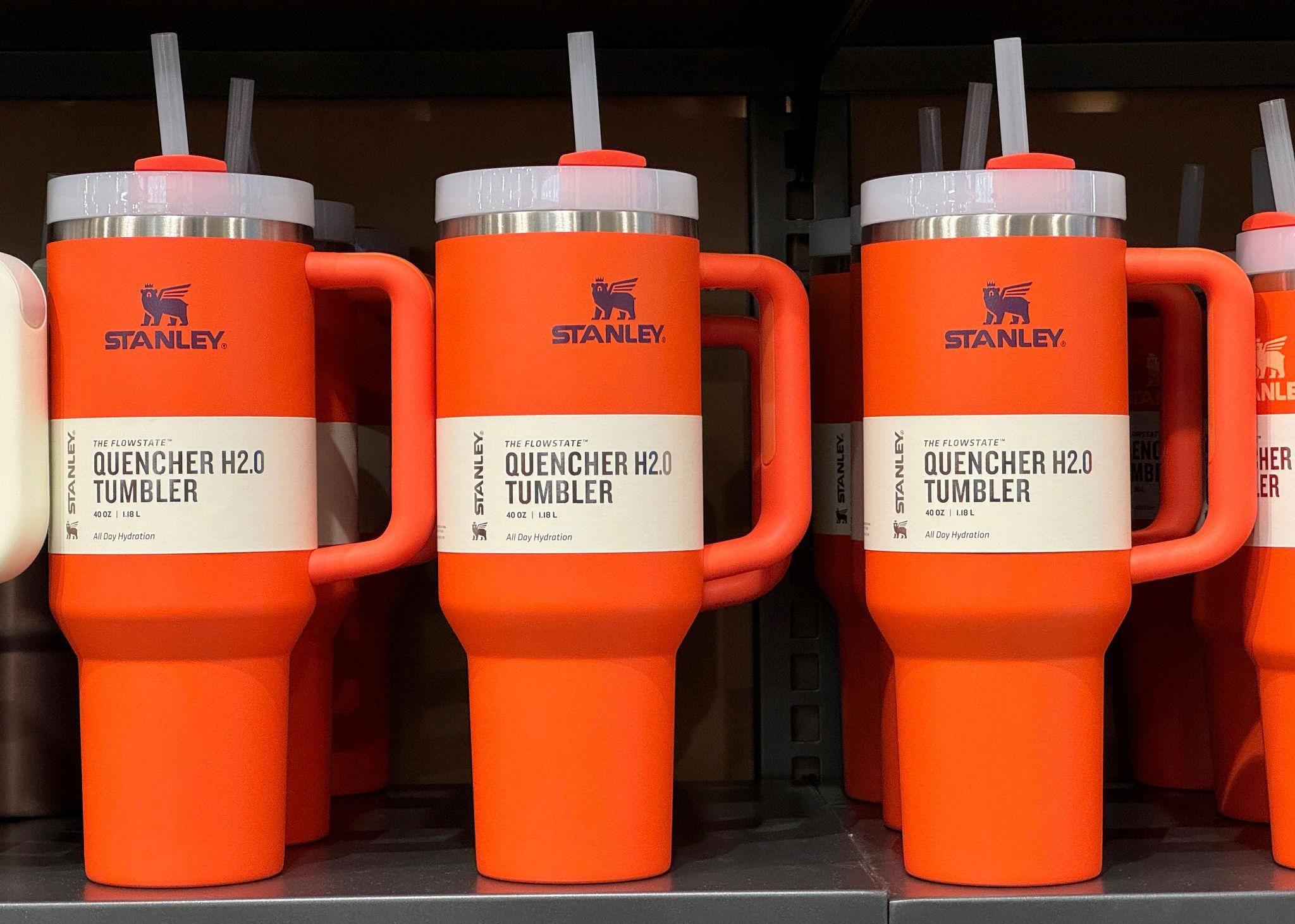
Frequently Asked Questions
Why are Stanley cups so expensive?
The price reflects the high-quality materials, the specialized vacuum insulation technology, and the brand's lifetime warranty. Most products are designed to last for decades, making the cost per use much lower than single-use plastics.
Are Stanley cups lead-free?
As per recent company statements, Stanley cups are BPA-free, food-safe, and meet strict safety standards for hot and cold beverages. All materials are designed for safe daily use, which is a standard industry practice. However, this pellet is covered by a thick layer of stainless steel, making it inaccessible to consumers under normal use. If the bottom cap of the cup comes off and exposes the seal, the company recommends stopping use and contacting their warranty department.
Which size is best for daily use?
The 40-ounce Quencher is the most popular for those who want to minimize refills. However, the 30-ounce version is often preferred by those with smaller hands or those who find the 40-ounce model too heavy when full.
Can I put hot coffee in a Quencher?
Yes, the vacuum insulation works for both hot and cold liquids. However, be careful when using the straw with hot drinks, as it can lead to burns. It is better to use the sip opening for hot beverages.
How do I know if my Stanley is authentic?
Due to the high demand, counterfeit products are common. Authentic cups will have clear branding on the bottom, a specific weight feel, and high-quality printing on the packaging. Always purchase from reputable retailers or the official website to ensure authenticity.
Conclusion
The Stanley brand has grown from a hardware store staple to a popular and widely recognized reusable bottle brand across multiple countries is a testament to the power of quality engineering and strategic marketing. By focusing on the needs of modern consumers while maintaining the durability that William Stanley Jr. envisioned over a century ago, the company has secured its place in the daily lives of millions. Whether you use it for the gym, the office, or outdoor adventures, understanding how to care for and use your tumbler ensures it remains a reliable companion for years to come. In an era of disposable goods, the longevity of a Stanley cup is perhaps its most impressive feature.
Related Media
Quick View: The Ultimate Guide to Stanley Cups: Why This Heritage Brand Dominates Global Trends





Comments 0
Leave a Reply
Your email address will not be published. Required fields are marked *
Be the first to share your thoughts!