The Ultimate Travel Packing Checklist
Packing for a trip always starts the same way.
You open your suitcase, feel excited… and then suddenly, you're unsure. What do you actually need? What if you forget something important?
So you start adding “just in case” items-and before you know it, your bag is heavier than it should be.
We’ve all done it.
But packing doesn’t have to feel like a guessing game.
With a simple checklist and a clear mindset, you can pack smarter, lighter, and with way less stress.
And honestly, isn’t it better to travel feeling organized instead of constantly worrying about what you might have missed?
Why a Packing Checklist Makes Life Easier
A checklist isn’t just about being organized-it’s about peace of mind.
When you know you’ve covered everything, you stop second-guessing yourself.
It helps you:
-
Avoid forgetting essentials
-
Keep your luggage light
-
Save time while packing
-
Feel more relaxed before your trip
Once you get used to it, you’ll never want to pack without one again.
The Ultimate Travel Packing Checklist
Let’s break things down into simple, practical categories.
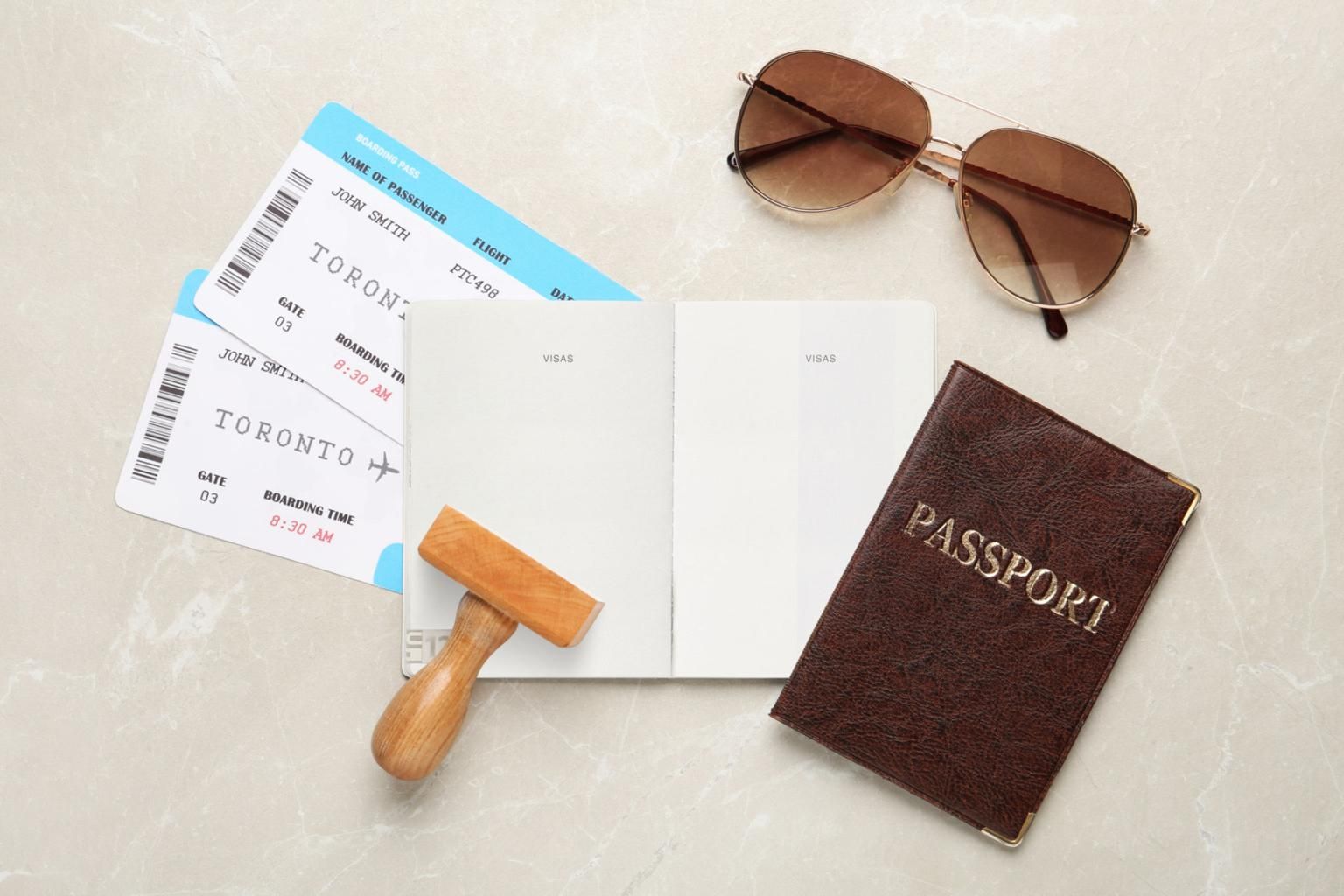
1. Essential Documents
These are the things you absolutely cannot forget.
Must-have documents
-
Passport or ID
-
Boarding passes or tickets
-
Travel insurance
-
Visa (if needed)
-
Hotel bookings
-
Emergency contacts
Simple tip
Keep digital copies on your phone-just in case.
2. Clothing Essentials
This is where things usually get out of control.
You start thinking, “What if I need this?”-and suddenly your suitcase is full.
Instead, keep it simple.
Basic clothing list
-
Comfortable outfits
-
Underwear and socks
-
Sleepwear
-
Light jacket
-
One nicer outfit (optional)
Practical advice
Choose clothes that work together so you can create multiple outfits.
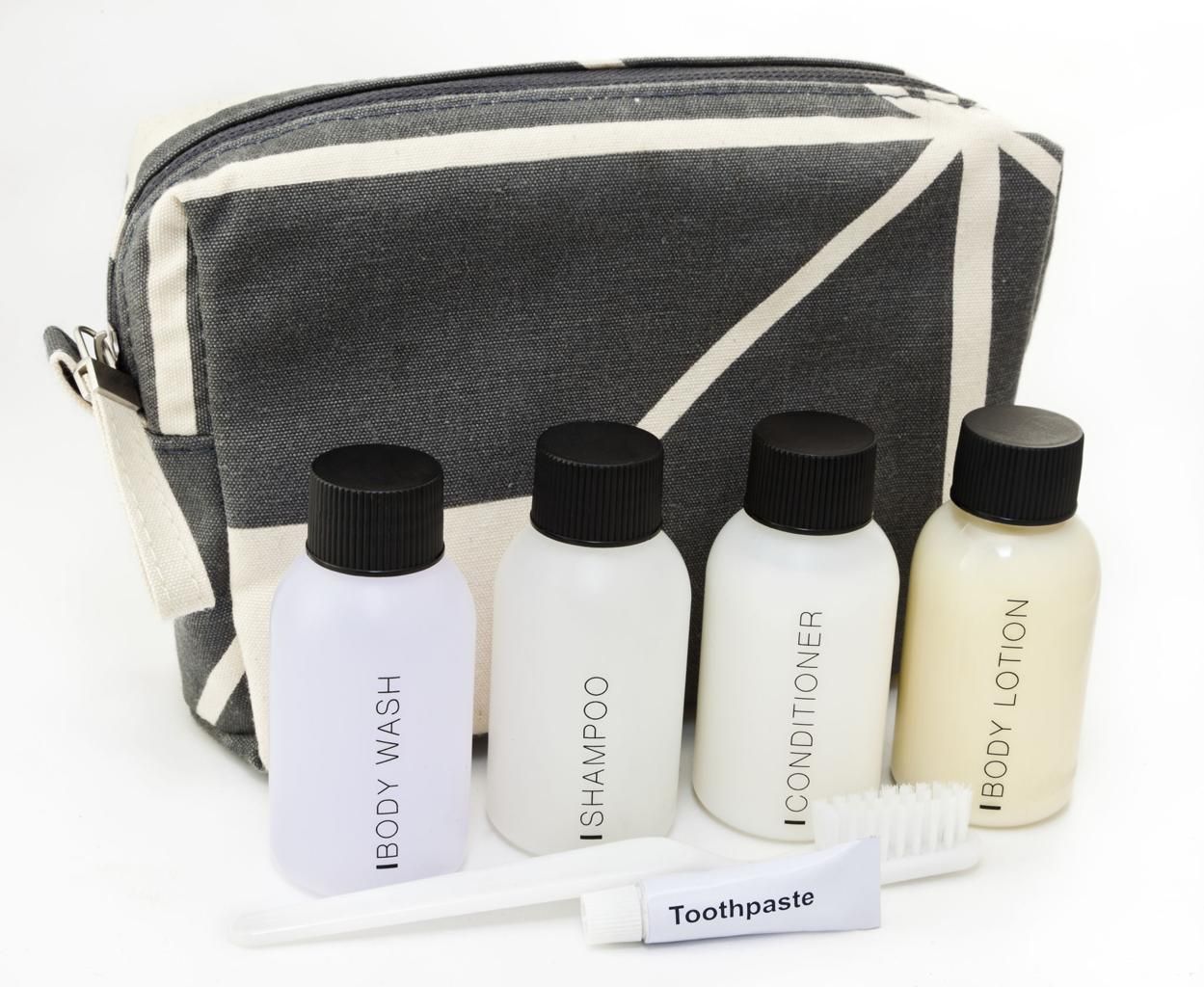
3. Toiletries and Personal Care
You don’t need full-size products for a short trip.
Toiletry checklist
-
Toothbrush and toothpaste
-
Shampoo and conditioner
-
Skincare items
-
Deodorant
-
Sunscreen
Tip
Travel-size containers save space and keep things neat.
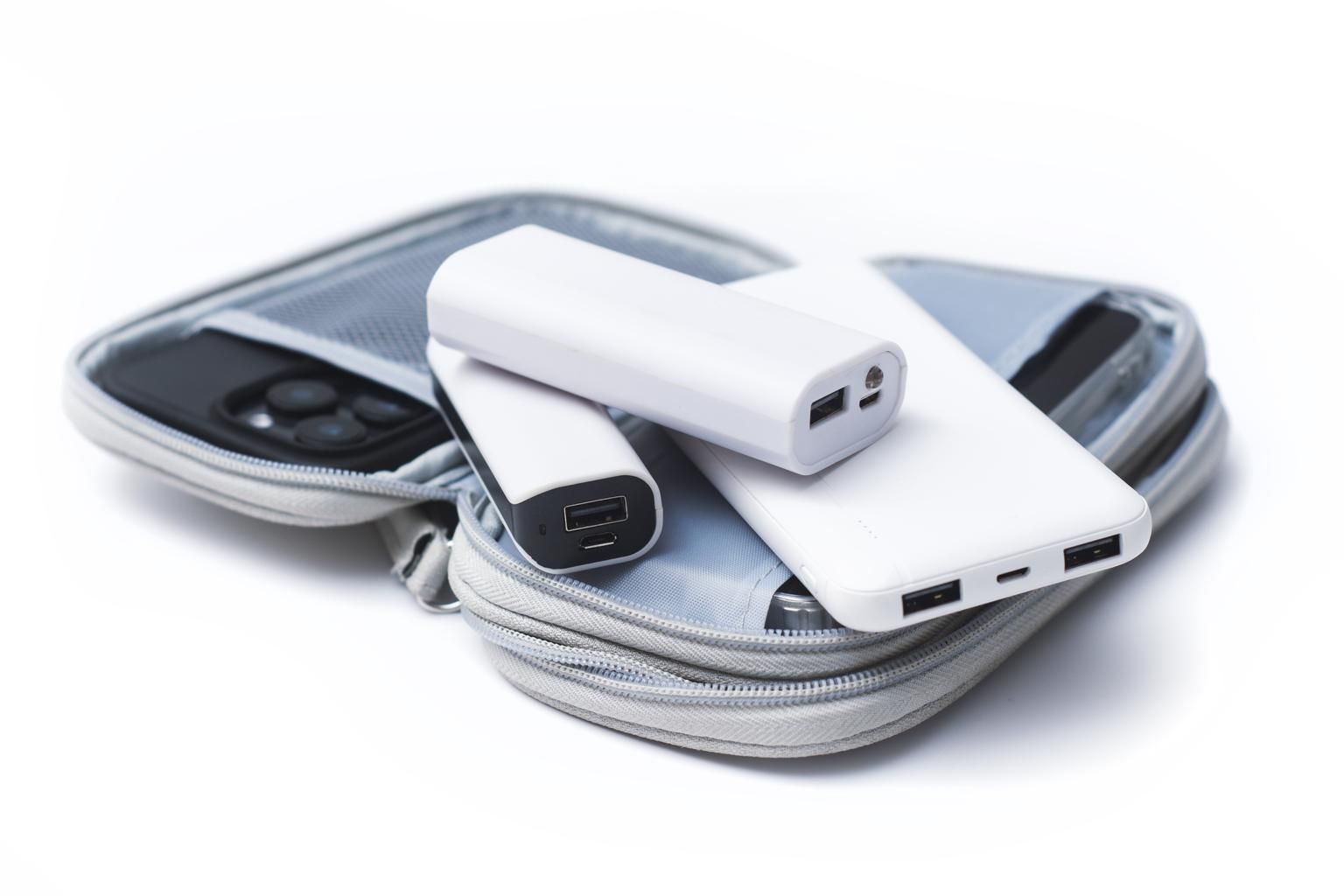
4. Electronics and Gadgets
These are easy to forget-but hard to replace once you do.
Essentials
-
Phone and charger
-
Power bank
-
Headphones
-
Travel adapter
-
Camera (if needed)
5. Travel Comfort Items
These small things can make your journey much more comfortable.
Comfort essentials
-
Neck pillow
-
Eye mask
-
Reusable water bottle
-
Snacks
Sometimes, it’s the little things that make travel easier.
6. Health and Safety Items
It’s always better to be prepared.
Health checklist
-
Basic medicines
-
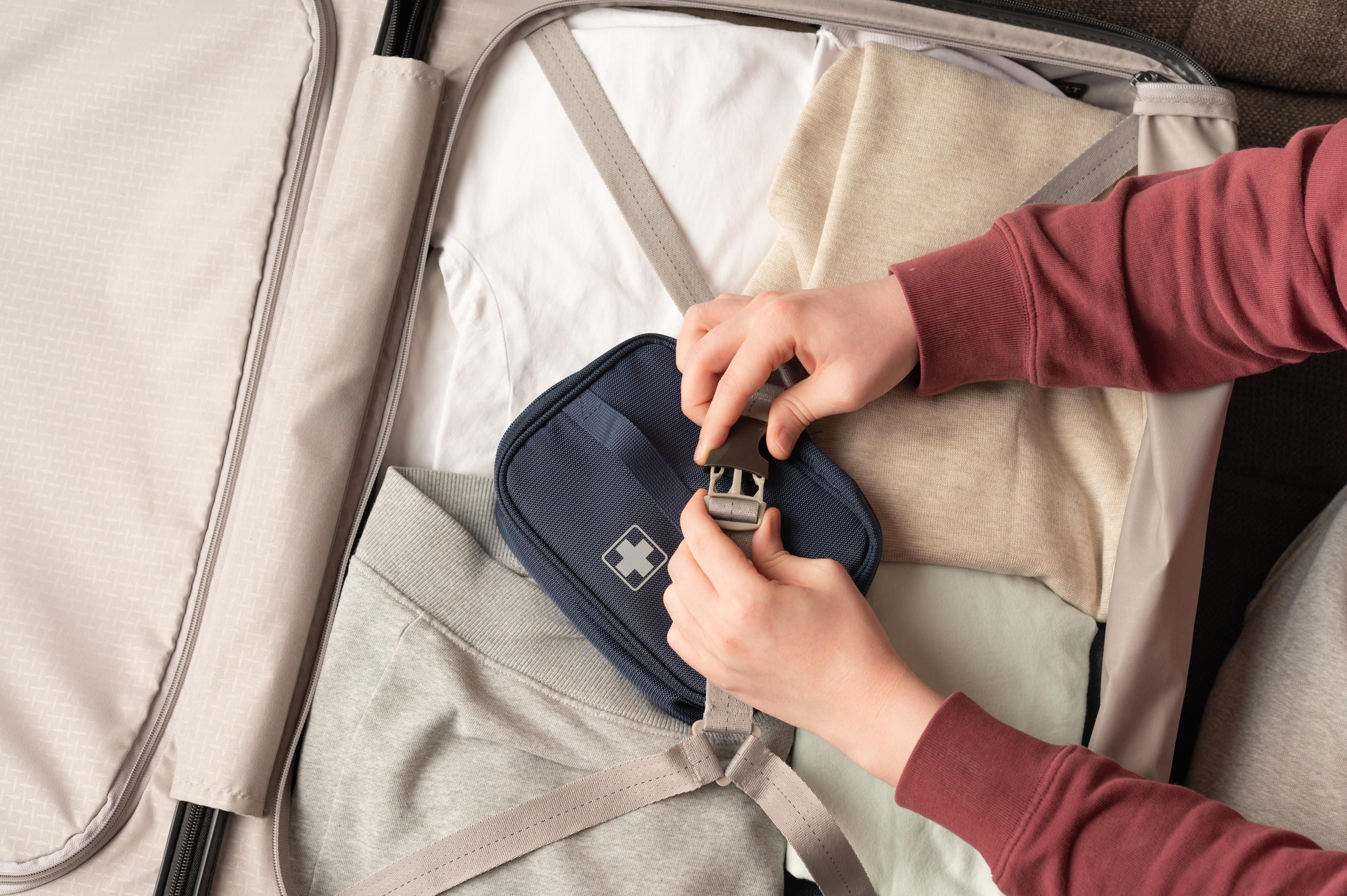
First-aid kit
-
Hand sanitizer
-
Any personal prescriptions
7. Extra Useful Items
These items don’t seem important-until you need them.
Extras
-
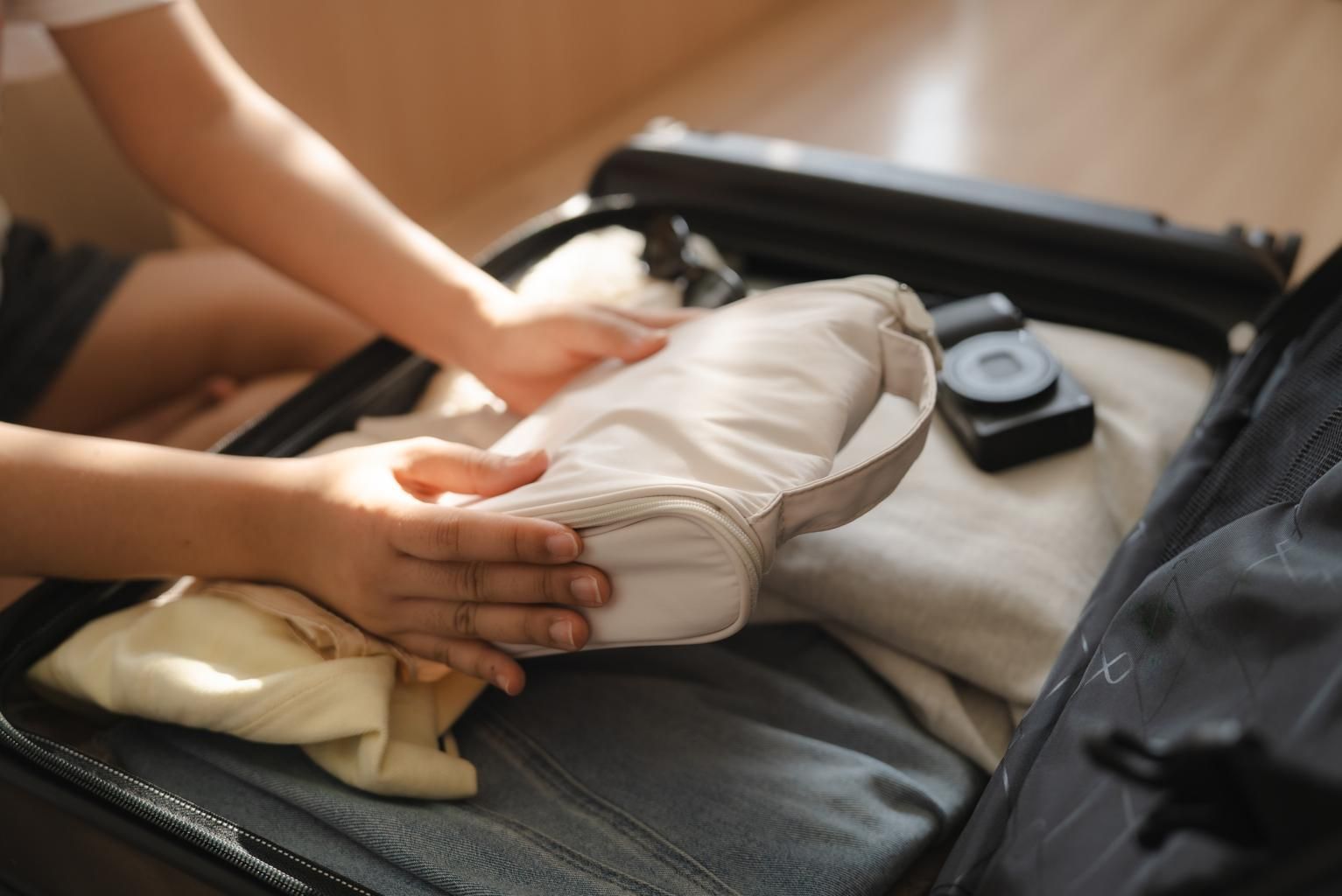
Packing cubes
-
Laundry bag
-
Ziplock bags
-
Foldable bag
They help you stay organized throughout your trip.
Real-Life Example
A traveler once packed for a week-long trip using only a carry-on.
Instead of stuffing everything in, they chose versatile clothes, packed only essentials, and stayed organized.
The result?
No baggage fees. No heavy luggage. No stress.
Just smooth, easy travel.
Practical Packing Tips
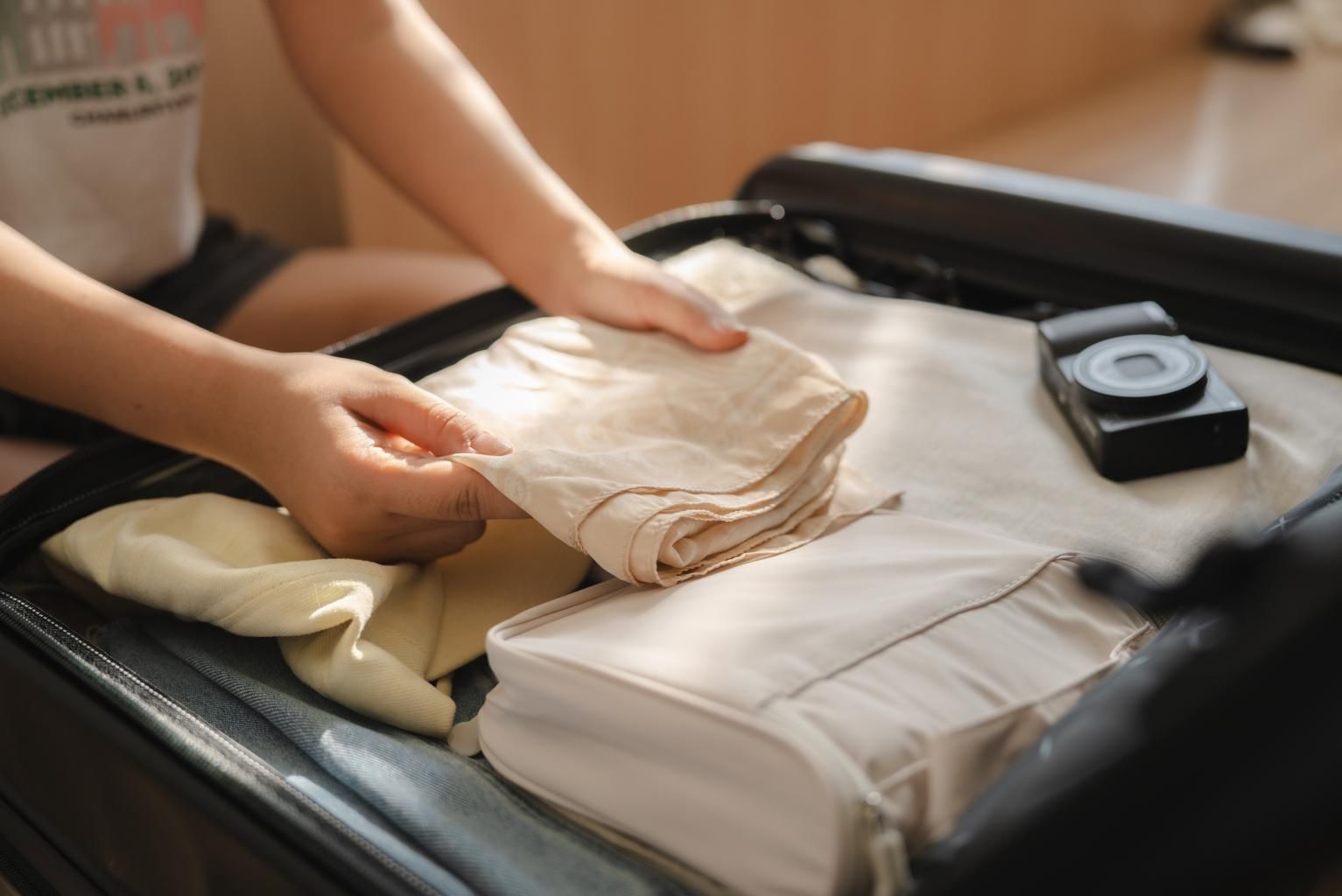
Pack by Outfit
Think in complete outfits instead of random pieces.
Roll Your Clothes
It saves space and keeps things neat.
Use Packing Cubes
They make it easier to find things quickly.
Leave Extra Space
You’ll probably bring something back.
Pros and Cons of Using a Packing Checklist
Pros
-
Reduces stress
-
Saves time
-
Keeps you organized
-
Prevents overpacking
Cons
-
Requires a bit of planning
-
May feel structured at first
But once you try it, it quickly becomes second nature.
Expert Travel Insight
The best packing strategy is to keep things simple and pack only what you truly need. Traveling light makes your journey easier and more comfortable. Travelers who focus on essentials and avoid “just in case” items tend to move more freely and enjoy their trips more. Packing light isn’t just practical-it changes how you experience travel.
Frequently Asked Questions
How do I stop overpacking?
Stick to essentials and avoid packing for unlikely situations.
What should I pack for a weekend trip?
Keep it simple-clothes, toiletries, and important documents.
Is carry-on travel realistic?
Yes, with smart packing and minimal items.
When should I start packing?
Ideally 1–2 days before your trip.
Why Trust This Information?
Packing advice often includes long, unrealistic lists that don’t reflect how people actually travel. This guide is built on practical, experience-based packing strategies that focus on efficiency, simplicity, and real-world travel needs.
This guide is useful for most international and domestic travelers, where packing requirements, airline rules, and travel conditions are broadly similar. The recommendations are based on common travel scenarios, including short trips, long journeys, and carry-on travel, ensuring they are both flexible and applicable.
Key factors such as space optimization, essential item prioritization, and ease of mobility have been considered to help travelers avoid overpacking while still being fully prepared.
Most importantly, this information is designed to help you pack with confidence-balancing preparation with simplicity so you can focus more on your journey and less on your luggage.
Conclusion
Packing doesn’t have to be complicated.
It doesn’t have to feel stressful or rushed.
With a simple checklist and a little planning, you can pack everything you need-and nothing you don’t.
Because in the end, travel isn’t about what’s in your suitcase.
It’s about the experiences waiting for you once you arrive.
Image Gallery





Comments 0
Leave a Reply
Your email address will not be published. Required fields are marked *
Be the first to share your thoughts!