
💡 Colombia: Geography, Politics, and Global Relations Explained
Colombia, located at the crossroads of South and Central America, plays a key role in regional politics, global trade, and international partnerships. This article explores its geography, political system, US relations, and modern governance challenges.
Where is Colombia and why is its location significant?
Colombia is situated at the northwestern tip of South America, serving as the only country on the continent with coastlines on both the Pacific Ocean and the Caribbean Sea. This unique geographical positioning makes it a critical gateway for trade and maritime logistics. According to global analysts, Colombia acts as a bridge between Central and South America, influencing regional stability and economic flow. Its diverse landscape, ranging from the Andean peaks to the Amazon rainforest, has historically shaped its internal political dynamics and its approach to international diplomacy.
The strategic importance of Colombia extends beyond its borders. As a nation that connects two oceans, it is a vital partner for global powers interested in secure shipping routes and regional security. Experts suggest that understanding Colombia requires looking at how its geography has fostered distinct regional identities, which in turn influence the national legislative process and executive priorities.
What is the political structure of Colombia?
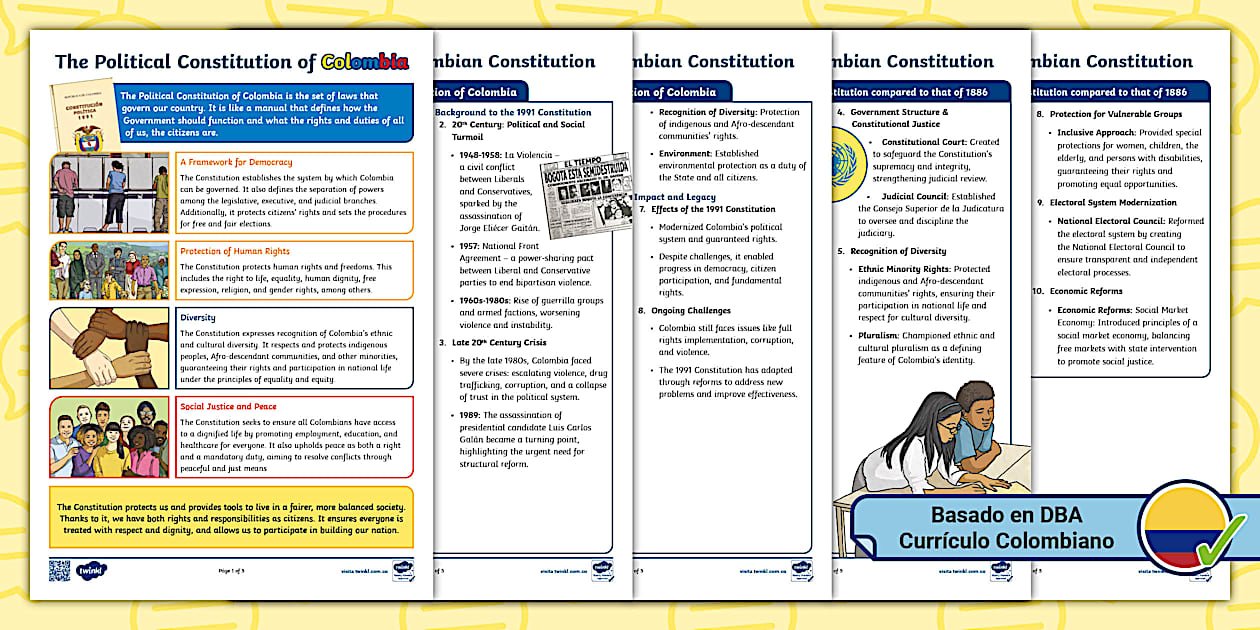
Colombia operates as a presidential representative democratic republic. The government is divided into three distinct branches: the executive, the legislative, and the judicial. This system is designed to provide a framework of checks and balances, ensuring that no single entity holds absolute power. The President of Colombia serves as both the head of state and the head of government, holding a four year term without the possibility of immediate reelection, as per constitutional reforms.
The legislative branch is represented by the Congress of Colombia, which consists of the Senate and the Chamber of Representatives. According to political science research, the multi party system in Colombia often necessitates the formation of coalitions to pass significant legislation. This collaborative yet often contentious environment is a hallmark of Colombian democracy. The judicial branch remains independent, with the Constitutional Court playing a pivotal role in protecting the rights of citizens and ensuring that laws align with the national constitution.

How has the relationship between Colombia and the United States evolved?
The bilateral relationship between Colombia and the United States is one of the most significant and enduring in the Western Hemisphere. For decades, the two nations have collaborated on a wide range of issues, including security, trade, and human rights. As per recent industry reports, the United States is Colombia's largest trading partner, and the two countries share a Free Trade Agreement that has significantly boosted economic exchange in sectors like agriculture and manufacturing.
Historically, the relationship was heavily focused on the fight against illegal drug trafficking and internal armed conflict. Programs such as Plan Colombia represented a massive investment by the United States to help the Colombian government strengthen its institutions and regain control over its territory. However, in recent years, the focus has shifted toward a more holistic approach. Experts suggest that the partnership now encompasses climate change mitigation, migration management, and the implementation of peace accords. This evolution reflects a growing recognition that regional stability depends on more than just military cooperation.
Who are the key figures in modern Colombian politics?
The leadership of Colombia has seen a significant shift in recent years, moving from traditional conservative and centrist blocks to more progressive ideologies. The presidency represents the ultimate executive authority, and the individuals who hold this office are often tasked with balancing domestic demands for social reform with international expectations for fiscal responsibility and security cooperation.
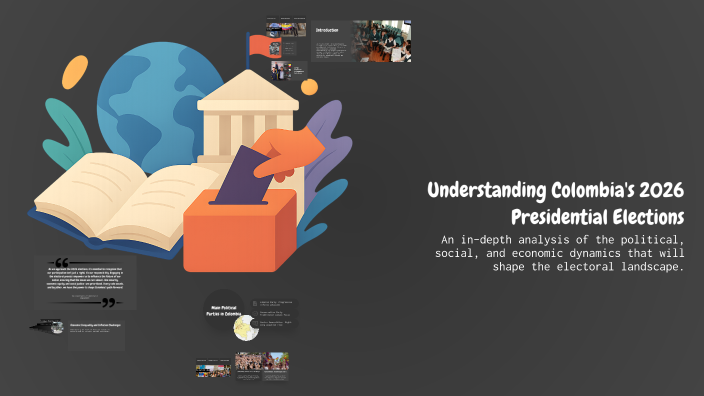
Political analysts note that the current political climate is characterized by a push for deep structural changes. This includes efforts to reform the healthcare system, labor laws, and the energy sector. These initiatives often face scrutiny from both domestic opposition and international observers. The ability of a Colombian president to navigate these waters depends heavily on their diplomatic skill and their capacity to maintain a working relationship with global powers like the United States, even when ideological differences arise.
What are the core challenges facing the Colombian government?
Despite its economic growth and democratic resilience, Colombia faces several deep seated challenges. One of the most prominent is the ongoing effort to achieve total peace. While a landmark peace agreement was signed in 2016 with the largest insurgent group, the implementation process remains complex. According to global security experts, the presence of smaller armed groups and the persistence of the illicit drug trade continue to pose threats to rural stability.
Economic inequality also remains a significant hurdle. While cities like Bogota and Medellin have become hubs for technology and innovation, many rural areas still lack basic infrastructure and access to services. The government is tasked with creating inclusive growth that reaches all sectors of society. Furthermore, the influx of migrants from neighboring countries has put a strain on public resources, requiring innovative policy solutions and international support.
How to understand the influence of international investigations?
In the realm of international relations, it is not uncommon for the political figures of one nation to come under the scrutiny of another's legal system. This is particularly true in the context of the US Colombia relationship, where legal cooperation is extensive. When US prosecutors or government agencies investigate matters involving foreign officials, it often relates to concerns over financial transparency, campaign funding, or international law compliance.
According to legal experts, these investigations serve as a mechanism for maintaining international standards of governance. They can influence diplomatic ties and public perception. For a country like Colombia, which values its international standing, navigating these legal complexities requires a robust judicial system and a commitment to transparency. Such instances highlight the interconnected nature of modern geopolitics, where domestic political actions can have far reaching international legal consequences.
What are the benefits of the Colombia-India connection?
While geographically distant, Colombia and India have been strengthening their ties in recent years. India has emerged as a key destination for Colombian exports, particularly in the energy and mining sectors. Conversely, Indian pharmaceutical and information technology companies have found a welcoming market in Colombia. As per recent industry reports, the synergy between these two emerging economies is based on mutual interests in South-South cooperation and technological exchange.
Educational and cultural exchanges are also on the rise. More Colombian students are looking toward India for higher education in technical fields, while Indian yoga and traditional medicine have gained popularity in Colombian urban centers. This growing relationship demonstrates that Colombia is actively diversifying its international portfolio beyond its traditional Western allies.
Pro Tips for Understanding Colombian Geopolitics
- Look beyond the headlines: Colombian politics is deeply rooted in regional history. Understanding the nuances of the 2016 Peace Accord is essential for context.
- Monitor commodity prices: As an exporter of oil, coal, and coffee, Colombia's economy and political stability are often tied to global market fluctuations.
- Follow the Constitutional Court: In Colombia, the judiciary often makes decisions that can pivot the nation's entire political direction.
- Observe regional alliances: Colombia's role in groups like the Andean Community and the Pacific Alliance provides clues about its economic priorities.
Frequently Asked Questions
What is the primary currency used in Colombia?
The primary currency is the Colombian Peso (COP). While major hotels and tourist areas may display prices in other formats, all official transactions are conducted in pesos.
Is Colombia a member of NATO?
Colombia is not a full member of NATO, but it is a Global Partner of the alliance. It was the first Latin American country to achieve this status, which allows for cooperation on security and training.
How does the Colombian government handle environmental issues?
Colombia is one of the most biodiverse countries in the world. The government has committed to ambitious climate goals, including reducing deforestation in the Amazon and transitioning toward renewable energy sources like wind and solar.
What are the major exports of Colombia?
Colombia is famous for its high quality coffee, but its largest exports by value are typically crude petroleum, coal briquettes, and gold. Cut flowers are also a significant export, especially to the North American market.
What is the significance of the 2016 Peace Accord?
The 2016 Peace Accord was a historic agreement between the Colombian government and the FARC insurgents. It aimed to end over five decades of internal conflict by addressing issues like land reform, political participation, and justice for victims.
Conclusion
Colombia remains a pivotal nation in South America, balancing a rich cultural heritage with a complex political landscape. Its partnerships with the United States and India highlight its growing global importance.
Related Media
Quick View: Understanding Colombia: An In-Depth Guide to Its Political Evolution and Global Relations





Comments 0
Leave a Reply
Your email address will not be published. Required fields are marked *
Be the first to share your thoughts!