
💡 What is Horoscopes?
Explore the profound world of horoscopes and astrology. Learn how planetary movements influence personality and life paths in this comprehensive educational guide.
The study of the heavens has fascinated humanity for millennia. From the ancient civilizations of Mesopotamia to modern digital platforms, the practice of interpreting celestial movements to understand human affairs remains a powerful tool for self-reflection. Horoscopes serve as a bridge between the cosmic rhythm and our daily lives, offering a unique lens through which we can view our challenges and opportunities. While many view these readings as simple entertainment, a deeper look reveals a complex system of mathematics, geometry, and symbolic archetypes that have shaped cultures across the globe.
According to a 2023 survey by the Astrological Association of India, the interest in astrology has seen a significant resurgence in recent years. This is not merely a passing fad but a shift toward holistic self-awareness. By understanding the mechanics of a horoscope, individuals can gain insights into their behavioral patterns and the energetic shifts occurring in the environment. This guide provides a detailed explanation of how horoscopes function and how you can use them to navigate your personal journey with greater clarity.
What is a Horoscope?
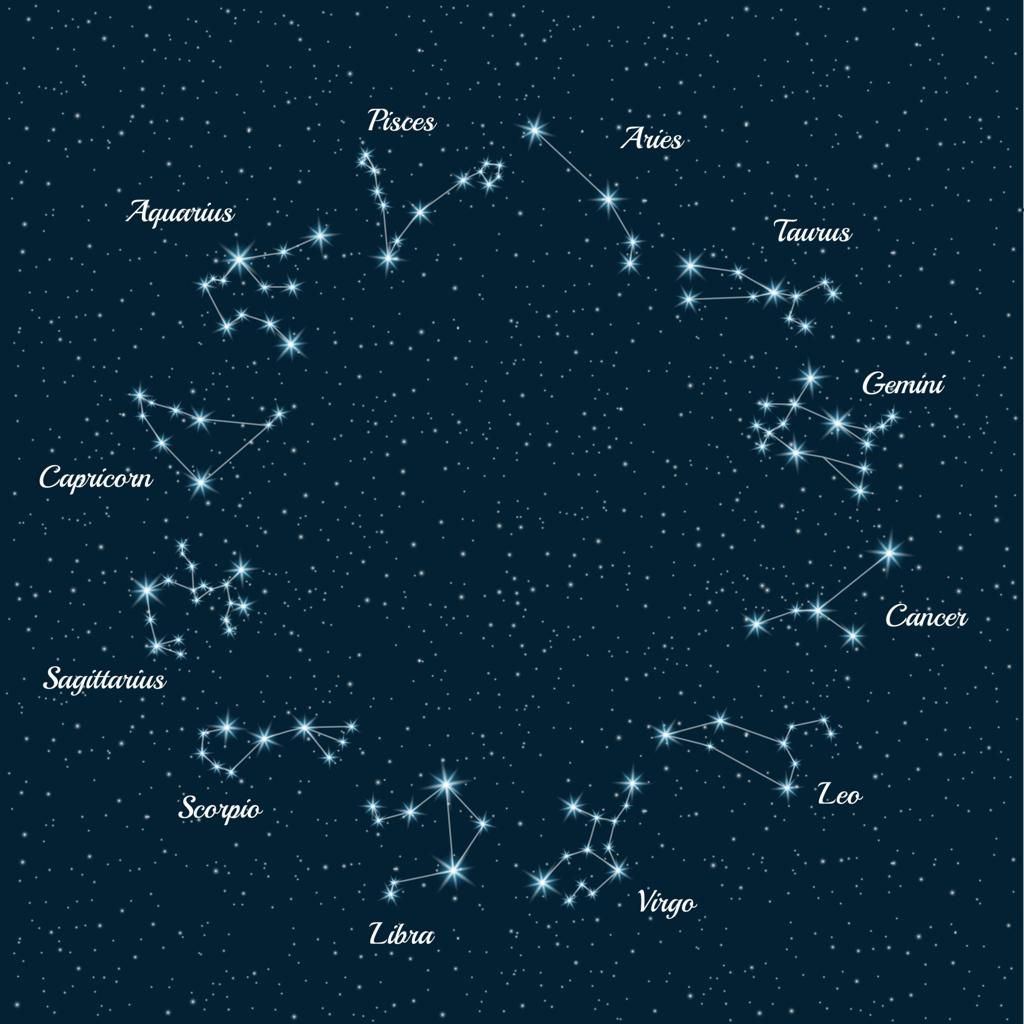
At its core, a horoscope is an astrological chart or diagram representing the positions of the Sun, Moon, planets, astrological aspects, and sensitive angles at the time of an event, such as the moment of a person's birth. The word is derived from the Greek words hōra and skopos, meaning time and observer. Professional practitioners suggest that a horoscope acts as a blueprint of the soul, reflecting the potential and the inherent nature of an individual based on the cosmic state at their inception.
In modern media, the term usually refers to an astrologer's interpretation, usually based on a system of solar Sun sign astrology. This simplified version focuses on the position of the Sun at the time of birth, which is one of the twelve zodiac signs. However, a true horoscope is far more nuanced, involving the interplay of various celestial bodies across twelve distinct houses, each representing a different area of life such as career, relationships, and health.
How to Interpret the Twelve Zodiac Signs?
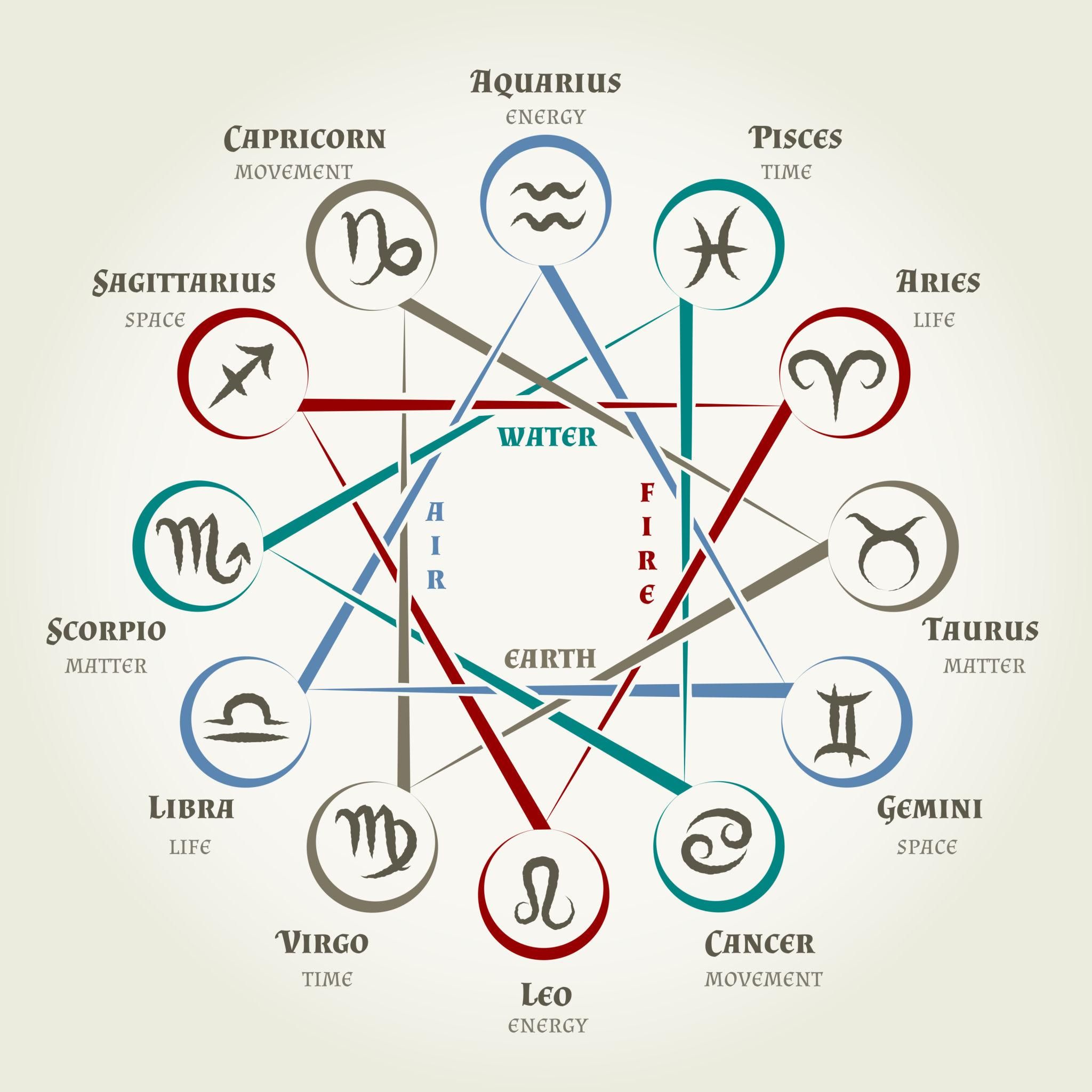
The zodiac is a belt of space extending approximately 8 degrees north or south of the ecliptic, the apparent path of the Sun across the celestial sphere over the course of the year. This belt is divided into twelve equal signs, each spanning 30 degrees of celestial longitude. Astrological textbooks categorize the zodiac into four elements: Fire, Earth, Air, and Water. Each element brings a specific temperament to the signs it governs.
- Fire Signs (Aries, Leo, Sagittarius): Known for passion, energy, and spontaneity.
- Earth Signs (Taurus, Virgo, Capricorn): Characterized by stability, practicality, and a grounded nature.
- Air Signs (Gemini, Libra, Aquarius): Focused on communication, intellect, and social connection.
- Water Signs (Cancer, Scorpio, Pisces): Defined by emotional depth, intuition, and sensitivity.
According to the Journal of Psychological Astrology 2022, understanding these elemental balances helps individuals identify their natural strengths and areas where they may need to seek equilibrium. For instance, a person with many planets in Fire signs might be excellent at starting projects but may require the grounding influence of Earth signs to complete them.
How to Read Your Personal Birth Chart?
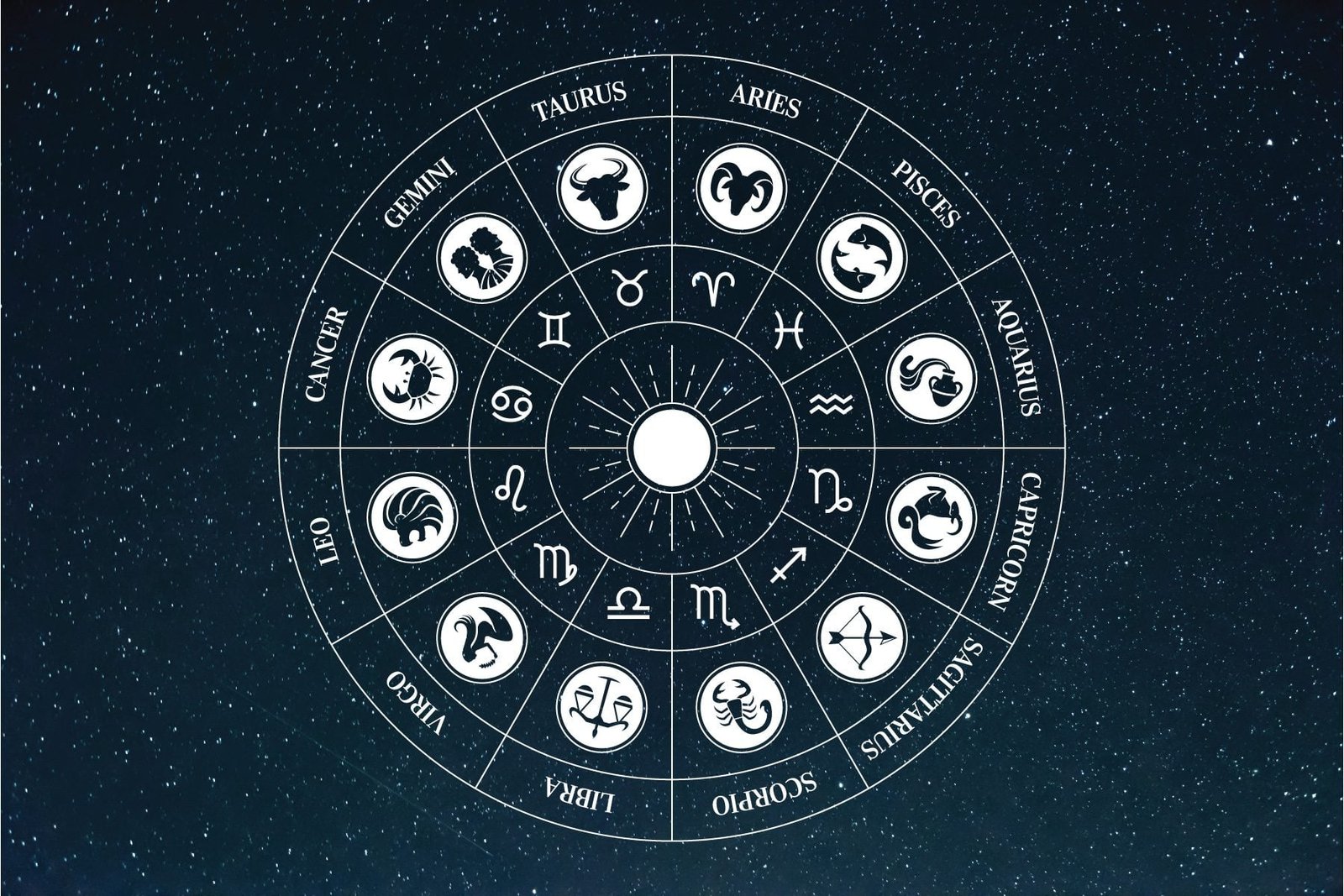
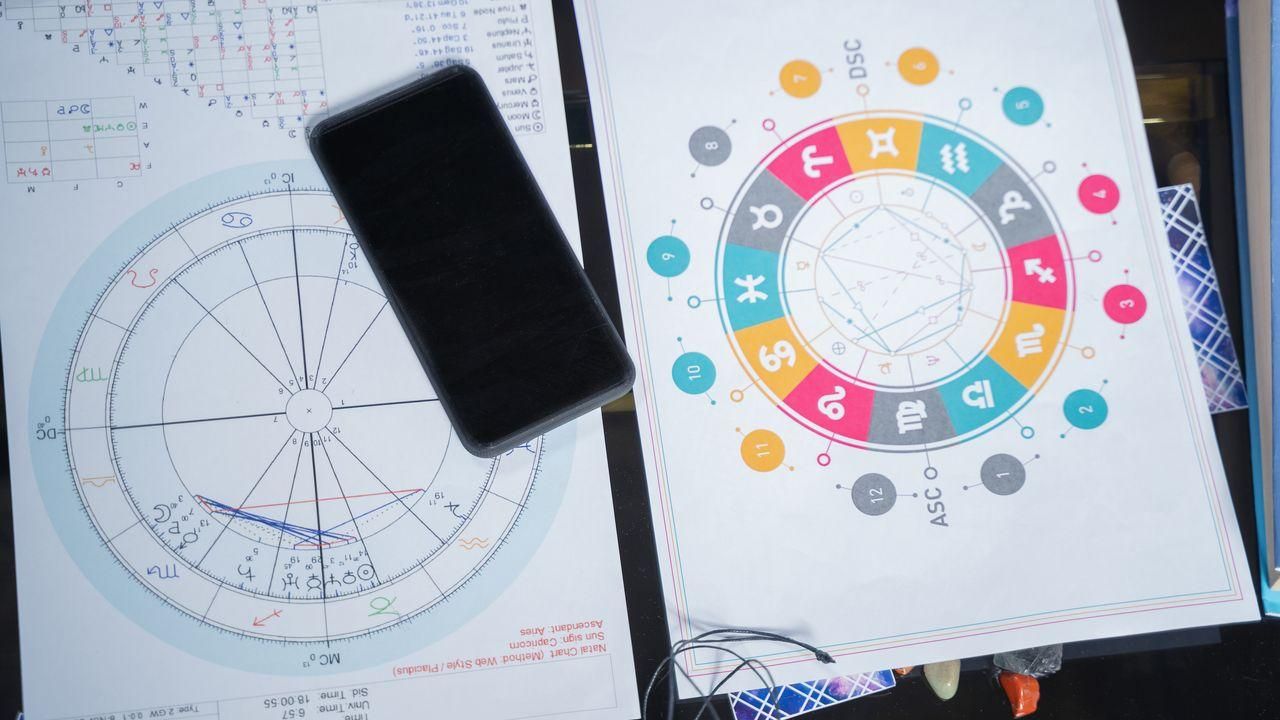
To move beyond general sun-sign predictions, one must look at their full birth chart. This requires three pieces of information: the date of birth, the exact time of birth, and the city of birth. Here is a step-by-step approach to understanding the core components of a chart:
- Identify the Sun Sign: This represents your core identity, your ego, and your primary life force. It is the most well-known part of your horoscope.
- Locate the Moon Sign: The Moon represents your inner world, your emotions, and your subconscious reactions. It describes how you feel and what makes you feel secure.
- Determine the Rising Sign (Ascendant): This is the sign that was rising on the eastern horizon at the exact moment of your birth. It represents the mask you wear, your physical appearance, and your first impression on others.
- Examine the Planetary Placements: Each planet governs a different aspect of life. Mercury rules communication, Venus rules love and beauty, and Mars rules action and desire.
- Analyze the Houses: The chart is divided into twelve houses. The house in which a planet resides tells you where that planet's energy will be most active. For example, Venus in the 10th house might indicate a career in the arts or public relations.
Astrologer Susan Miller explains, the interaction between these elements creates a unique psychological profile. No two people, unless born at the exact same time and location, have the same chart, which highlights the individuality inherent in astrological study.
What is the Significance of the Vernal Equinox in Astrology?
In the context of the astrological calendar, the month of March holds immense significance. This is the period of the Vernal Equinox, marking the start of the astrological New Year. As the Sun enters Aries, the first sign of the zodiac, there is a global shift in energy toward renewal, initiation, and fresh starts. This period is often characterized by a collective urge to break free from old patterns and embrace new challenges.
During this transition, horoscopes often focus on themes of leadership and self-assertion. Astrologer Rick Levine notes that the Aries season is traditionally associated with initiation and fresh starts for setting intentions for the year ahead. The alignment of planets during this season can trigger significant shifts in both personal lives and global events, as the dormant energy of winter gives way to the active growth of spring.
What are the Benefits of Following Horoscopes?
Engaging with horoscopes offers several psychological and practical advantages when approached with a balanced mindset. First, it encourages self-reflection. By reading about the potential energies of the day or month, individuals are prompted to check in with their own feelings and reactions. This mindfulness can lead to better emotional regulation and decision-making.
Second, astrology provides a framework for understanding cycles. Just as the moon influences the tides, many believe that planetary cycles influence human behavior. Recognizing these cycles can help people plan their lives more effectively. For example, many use the period of Mercury Retrograde to slow down, review their work, and avoid making major new commitments, thereby reducing stress.
Finally, horoscopes foster a sense of connection. In an increasingly fragmented world, astrology provides a universal language that transcends borders. Whether in the US or elsewhere, people find common ground in the shared archetypes of the zodiac, creating a sense of belonging to a larger cosmic order.
What are Common Mistakes When Reading Horoscopes?
One of the most frequent errors is over-reliance on the Sun sign. While the Sun sign is important, it is only a small fraction of a person's astrological makeup. Ignoring the Moon sign and Ascendant can lead to a shallow or inaccurate understanding of one's personality and experiences. Astrologer Rick Levine notes that a person who does not relate to their Sun sign often finds that their Rising or Moon sign is more dominant in their daily life.
Another mistake is viewing horoscopes as absolute fate. Astrology is best used as a tool for understanding probabilities and potentials rather than fixed outcomes. Experts suggest that we have free will, and the stars merely impel; they do not compel. Using a horoscope as an excuse for poor behavior or as a reason to avoid taking action is a misuse of the practice.
Pro Tips for Getting the Most Out of Astrology
To deepen your practice, consider keeping a journal of planetary transits and your personal experiences. Note how you feel during a Full Moon or when a planet moves into a new sign. Over time, you will begin to see patterns that are unique to you. Additionally, consult multiple reputable sources. Different astrologers bring different perspectives, and reading a variety of interpretations can provide a more well-rounded view of the current celestial climate.
According to astrologer Chani Nicholas in her 2023 guide, the integration of astrology with other wellness practices, such as meditation and yoga, can enhance its benefits. Aligning your physical activity with the current zodiacal energy-such as engaging in vigorous exercise during Aries season or focusing on restorative practices during Pisces season-can help you stay in flow with the natural environment.
Frequently Asked Questions
How to find my true zodiac sign?
Your true zodiac sign is determined by your exact birth date. However, to get a complete picture, you should also calculate your Moon and Rising signs using your birth time and location. Many free online tools can generate a full natal chart for you.
Why do different horoscopes say different things for the same sign?
Different astrologers use different systems of interpretation. Some may focus on the movements of the planets (transits), while others may focus on the relationship between the planets (aspects). Additionally, the writing style and personal philosophy of the astrologer will influence the final horoscope.
Can horoscopes predict the future?
Horoscopes are not meant to be definitive predictions of the future. Instead, they highlight the energetic weather of a specific period. They can tell you if a time is favorable for communication, romance, or hard work, but the actual outcomes depend on your choices and actions.
What is a cusp in astrology?
Being born on the cusp means your birthday falls near the end of one sign and the beginning of another. While you technically have only one Sun sign based on the Sun's exact position, you may feel that you embody traits from both neighboring signs.
Is astrology a science?
Astrology is considered a pseudoscience or a metaphysical study. It does not follow the standard scientific method of empirical testing. However, it uses precise astronomical data to map the positions of celestial bodies, blending mathematical accuracy with symbolic interpretation.
Conclusion
Horoscopes offer a fascinating window into the human experience, blending ancient wisdom with modern psychological insights. By moving beyond simple predictions and exploring the depth of the entire birth chart, individuals can find a valuable tool for self-discovery and personal growth. Whether you are seeking guidance during a major life transition or simply looking for a daily moment of reflection, the stars provide a timeless map for navigating the complexities of life. Embracing the rhythm of the cosmos allows us to live with more intention and awareness of our place in the universe.
Related Media
Quick View: Understanding Horoscopes and Astrological Alignments: A Global Guide to Your Zodiac Sign





Comments 0
Leave a Reply
Your email address will not be published. Required fields are marked *
Be the first to share your thoughts!