The Evolution of a Modern Public Figure
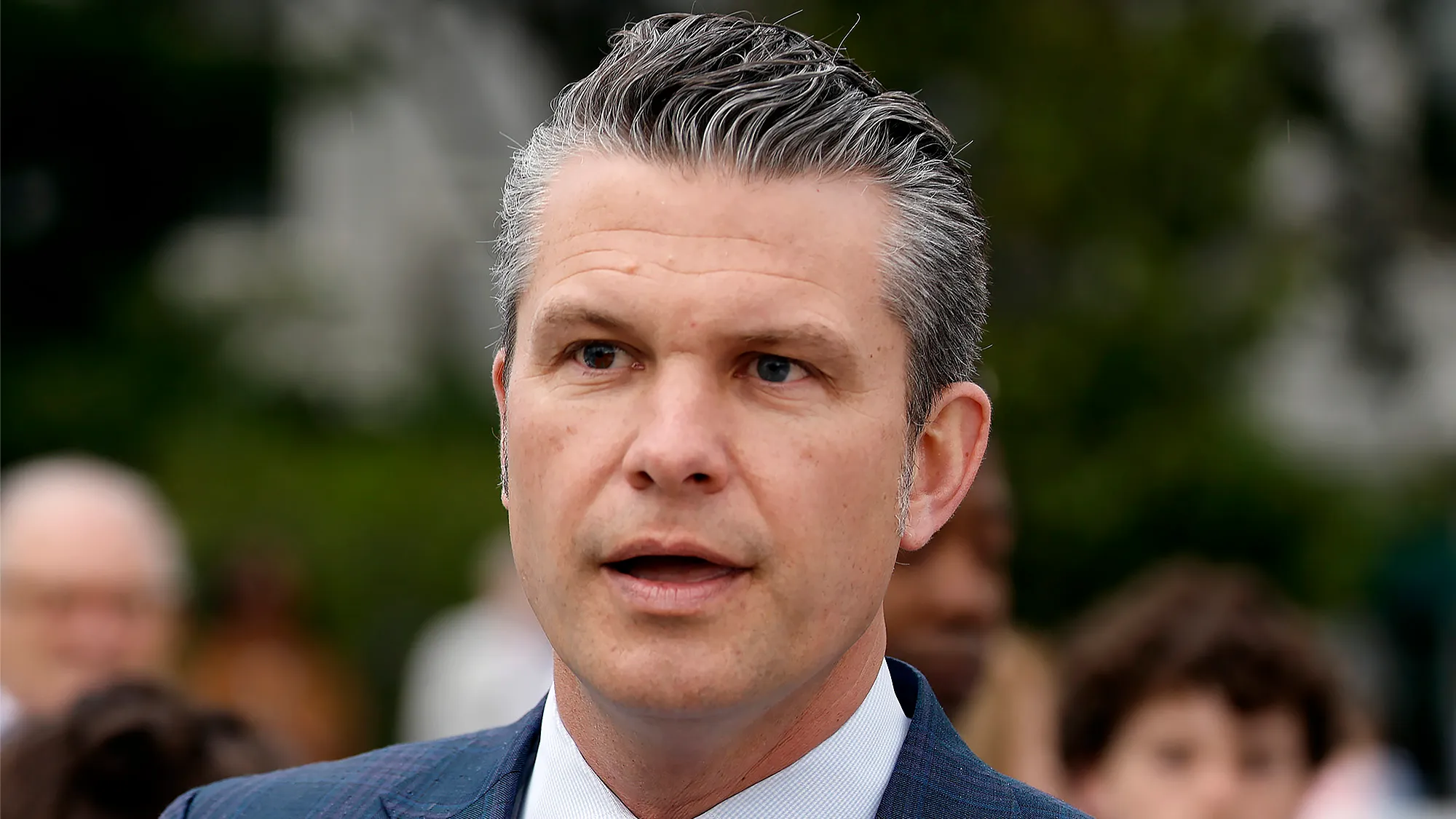
Pete Hegseth is an American public figure known for his military service and media career. Known for his multi-decade career that spans the battlefield, the boardrooms of veteran advocacy groups, and the studios of national television, Hegseth has become a central figure in discussions regarding defense policy and military culture. Understanding his background requires a look at the intersection of academic achievement, decorated combat service, and a transition into professional communication. Many people see him as part of a growing group of veterans who move into media and public discussion.
This article explains his career and public life in simple terms. By examining the facts of his service and professional milestones, we can better understand the influence he exerts on contemporary political and social thought. This is not merely a biography but an exploration of the principles that define his public persona.
Academic Foundations and Early Military Service
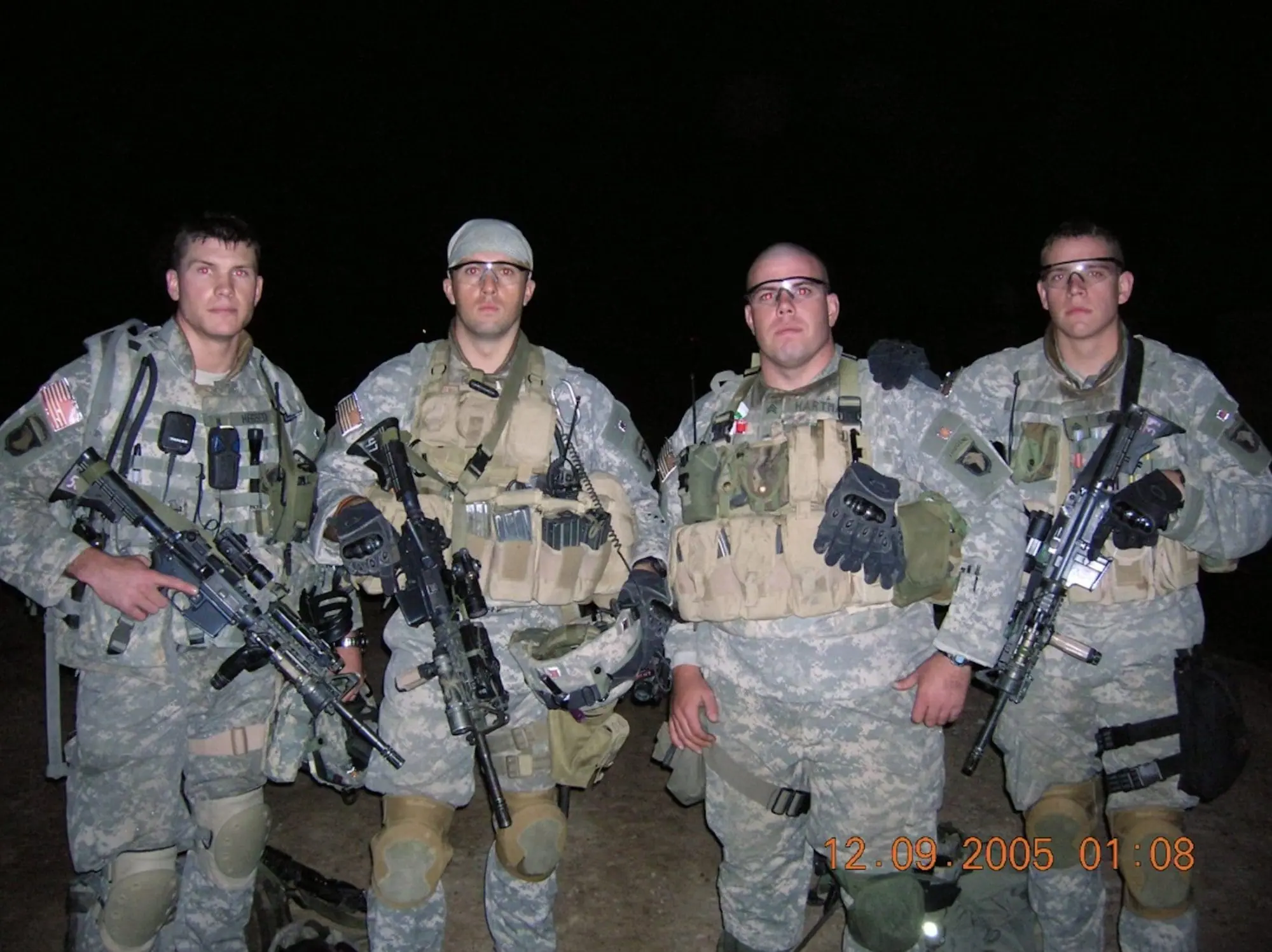
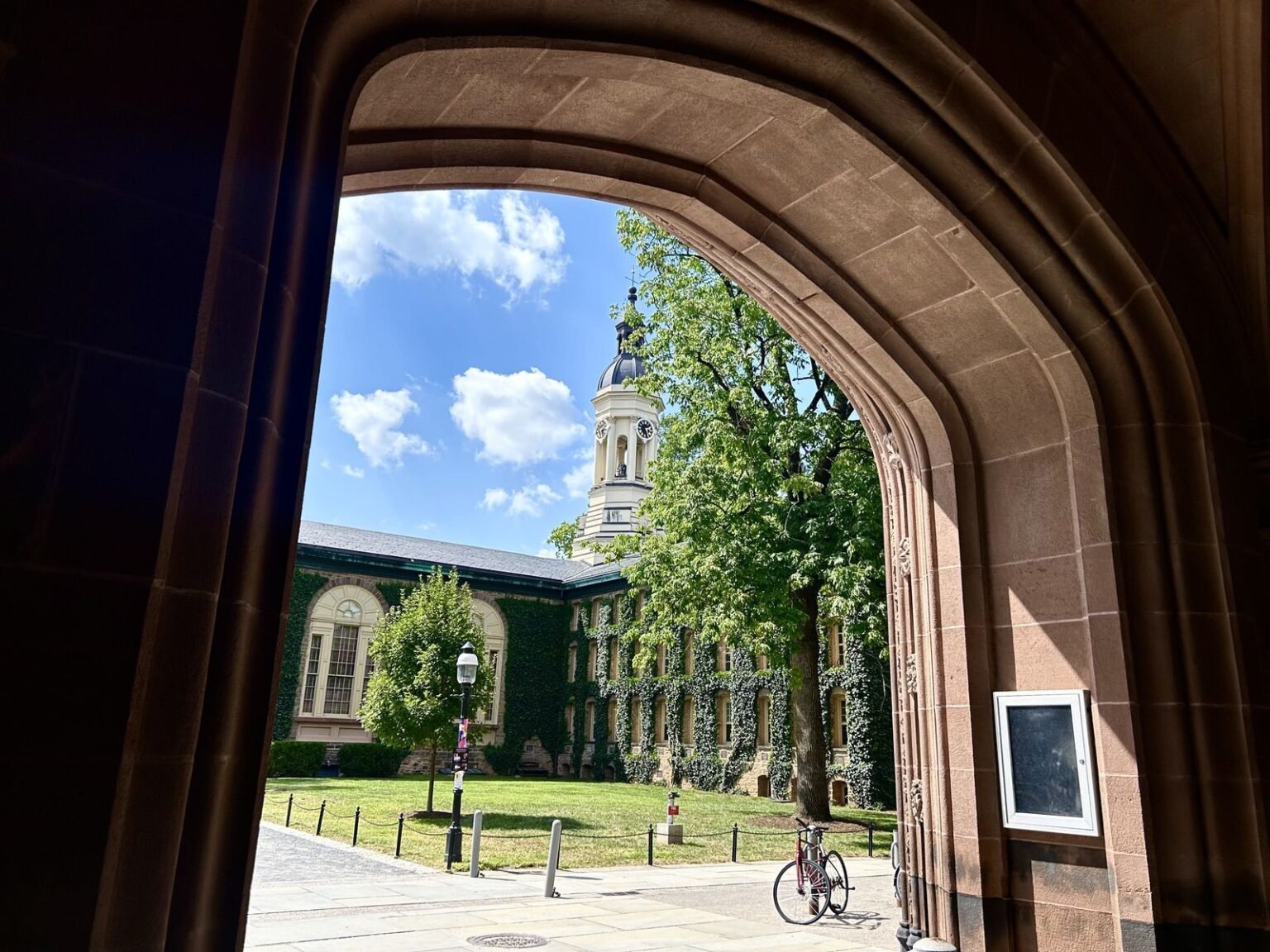
The path to public influence began with a rigorous academic foundation. Hegseth attended Princeton University, where he was active in student journalism, serving as a primary voice for conservative perspectives on campus. This early experience in media proved foundational for his later career. After graduating from Princeton in 2003, he later earned a Master of Public Policy from the John F. Kennedy School of Government at Harvard University. These academic credentials provided a theoretical framework for his practical experiences in the field.He served as an infantry officer in the Army National Guard. His service history is extensive and includes deployments to several high-stakes environments. He served as an infantry platoon leader at Guantanamo Bay and later volunteered for service in Iraq. During his time in Baghdad, he served as an infantry platoon leader and later as a civil-military operations officer. His performance in these roles earned him the Bronze Star Medal, a testament to his conduct in a combat zone.
Beyond Iraq, Hegseth also deployed to Afghanistan as a senior counterinsurgency instructor with the Kabul Military Training Center. This role required a deep understanding of tactical operations and the ability to educate others on complex military strategies. This phase helped him improve his leadership and communication skills. His rank of Major in the Army National Guard reflects a steady progression through the officer corps and a commitment to long-term service.
Transition to Veteran Advocacy and Media
Following his active combat deployments, Hegseth transitioned into the realm of non-profit leadership and advocacy. He served as the executive director for Vets for Freedom, an organization focused on supporting the mission in Iraq and Afghanistan. This role marked his first major foray into the national spotlight, as he frequently appeared before congressional committees and on news programs to discuss military strategy. His work with Vets for Freedom helped connect military experience with public policy discussions.
He later became the CEO of Concerned Veterans for America (CVA), a veteran advocacy group that focuses on healthcare reform and government accountability. During his tenure, he advocated for greater choice in veteran healthcare, a topic that remains a cornerstone of his policy positions. This period of his life demonstrated his ability to manage large organizations and navigate the complexities of Washington politics. It was during this time that he became a frequent contributor to national media outlets, eventually leading to a full-time career in television.
His media career is characterized by a focus on military affairs, national security, and cultural issues. As a co-host and contributor, he has used his platform to highlight the stories of service members and to critique what he perceives as the institutional challenges within the Department of Defense. His communication style is direct and rooted in his personal experiences, which has resonated with a significant segment of the veteran community and the general public alike.
Core Philosophies and Published Works
To understand Pete Hegseth is to understand his perspective on military culture and national identity. He has authored several books that outline his concerns regarding the modern military. In works like The War on Warriors, he explores the idea that the military is shifting away from its core mission of lethality and meritocracy. He argues that social engineering and bureaucracy have hindered the effectiveness of the armed forces. His writing often focuses on criticism of modern military systems and policies.
His philosophy centers on several key pillars: first, the necessity of a combat-focused military; second, the importance of veteran integration into civilian leadership; and third, the preservation of historical American values. He often speaks about the concept of the citizen-soldier, a tradition he believes is vital for the health of a republic. His books focus on military values, leadership, and veteran issues.
Real-Life Examples of Influence
Hegseth influence is not limited to commentary; it has had tangible effects on policy and individual cases. For example, he has been a vocal advocate for service members facing legal challenges related to combat actions. By bringing these cases to the national stage, he has influenced public opinion and, in some instances, executive decisions regarding pardons or sentence reviews. This role as a mediator between the military legal system and the public eye is a unique aspect of his career.
Furthermore, his advocacy for the MISSION Act, which expanded healthcare options for veterans, serves as a practical example of his impact on legislation. By leveraging his media presence to explain the nuances of veteran care, he helped build the public pressure necessary for legislative change. This shows his strong influence in public discussions.
Common Misconceptions and Clarifications
As with any public figure, several misconceptions exist regarding Pete Hegseth career. One common error is the confusion between his media persona and his military record. It is important to note that his military decorations and service history are documented and verified by the Department of Defense. Another misconception is that his advocacy is limited to a single political party; while he is a prominent conservative voice, his work with veteran healthcare has often involved bipartisan cooperation to achieve legislative goals.
Additionally, some critics suggest that his lack of high-level Pentagon experience disqualifies him from senior leadership discussions. However, proponents argue that his perspective as a field-grade officer and his deep involvement with the veteran community provide a unique bottom-up view of the military that is often missing in top-down bureaucratic structures. Official specifications regarding his eligibility for various roles are typically based on his combination of academic, military, and management experience.
Pro Tips for Analyzing Military Media Figures
- Verify Service Records: Always look for official citations and discharge documents (DD-214) when evaluating the claims of any military figure.
- Distinguish Between Commentary and Policy: Understand that media figures often use provocative language to drive engagement, which may differ from their specific policy recommendations.
- Look for Context: Evaluate a figure influence by looking at the organizations they have led and the legislation they have supported.
- Consider Academic Background: A figure formal education often informs their strategic outlook and communication style.
Frequently Asked Questions
What is Pete Hegseth highest military rank?
Pete Hegseth attained the rank of Major in the Army National Guard. This is a field-grade officer rank that involves significant leadership and staff responsibilities.
Which awards did he receive during his service?
His most notable awards include two Bronze Star Medals, which are awarded for heroic or meritorious service in a combat zone. He also earned the Combat Infantryman Badge.
Where did Pete Hegseth receive his education?
He holds an undergraduate degree from Princeton University and a Master of Public Policy from Harvard University John F. Kennedy School of Government.
What are the primary themes of his books?
His books generally focus on the need for military reform, the preservation of traditional American values, and the challenges facing modern veterans in a changing cultural landscape.
Conclusion
Pete Hegseth represents a modern archetype of the veteran-leader who has successfully navigated the transition from the battlefield to the forefront of national media. His career is marked by a consistent focus on military excellence, veteran advocacy, and a critique of institutional bureaucracy. By combining his Ivy League education with his experiences as an infantry officer in Iraq and Afghanistan, he has carved out a unique space in American public life. Whether through his books, his television presence, or his work with non-profits, his influence continues to shape the conversation around the future of the American military and the role of those who serve.
The final takeaway for the reader is that Pete Hegseth career demonstrates the significant impact a single individual can have when they combine military experience with a powerful platform for communication and advocacy.
Lottery and gambling activities involve financial risk. This content is for informational purposes only. Please participate responsibly.




Comments 0
Leave a Reply
Your email address will not be published. Required fields are marked *
Be the first to share your thoughts!