Understanding Weather Warnings: Staying Safe During Severe Weather Conditions
As of today, March 13, 2026, the global climate continues to demonstrate unpredictable patterns, making the importance of understanding and responding to weather warnings more critical than ever. In the last 24 hours alone, regions across the globe have been on high alert for various severe weather phenomena, from intense storms in the American Midwest to unusually heavy rainfall leading to flood advisories in parts of Southeast Asia. Staying informed is not just good practice; it's a vital component of personal and community safety. This deep dive will equip you with the knowledge to navigate severe weather conditions, ensuring you and your loved ones are prepared.

What Are Weather Warnings?
Weather warnings are urgent messages issued by meteorological agencies to alert the public about imminent or occurring hazardous weather conditions that pose a threat to life and property. Unlike a forecast, which predicts future weather, a warning means severe weather is happening now or will happen very soon.
Types of Weather Warnings
The variety of severe weather events means there's a specific warning for almost every danger. Understanding these distinctions is key to knowing how to react. Here are some of the most common types:
- Storm Warnings: These can range from severe thunderstorm warnings, indicating winds of 58 mph or higher, or hail 1 inch or larger, to blizzard warnings for heavy snow and strong winds. Marine storm warnings alert mariners to dangerous conditions at sea.
- Flood Warnings: Issued when flooding is occurring or imminent. This differs from a flood watch, which means conditions are favorable for flooding. Flash flood warnings are particularly critical, indicating a rapid rise in water levels, often due to intense rainfall over a short period.
- Heatwave Warnings (or Excessive Heat Warnings): Alert the public to dangerously hot conditions, often with high humidity, that can lead to heat-related illnesses like heatstroke.
- Tornado Warnings: The most urgent warning for rotating columns of air. This means a tornado has been sighted or indicated by weather radar, and there is an imminent threat to life and property.
- Winter Storm Warnings: Issued for significant and hazardous winter weather, including heavy snow, freezing rain, or sleet.
- Coastal Flood Warnings: For inundation of land adjacent to coastal waters.
- Hurricane/Typhoon Warnings: Issued when hurricane-force winds (74 mph or higher) are expected in a specified area within 36 hours.
How Weather Warnings Are Issued
The process of issuing a weather warning is a sophisticated operation involving advanced technology and expert meteorologists. In the United States, the primary entity responsible is the National Weather Service (NWS). Meteorologists at NWS forecast offices continuously monitor weather patterns using an array of tools:
- Radar Systems: Such as NEXRAD (Next-Generation Radar), which can detect precipitation, wind direction, and even the rotation within storms that signals a potential tornado.
- Satellite Imagery: Provides broad views of cloud cover, storm systems, and atmospheric conditions.
- Weather Balloons: Launched twice daily, carrying instruments that measure temperature, humidity, and wind speed/direction at various altitudes.
- Computer Models: Sophisticated simulations that process vast amounts of data to predict future weather.
When severe conditions are detected or predicted with high certainty, NWS meteorologists issue warnings, which are then disseminated rapidly through various channels to reach the public. Other organizations, like state and local emergency management agencies, also play a crucial role in relaying these warnings and coordinating response efforts.
How to Receive Weather Warnings
Knowing how to get timely and reliable weather warnings is paramount. Modern technology offers several robust methods to ensure you're never caught off guard.
Signs and Symptoms of Severe Weather
While official warnings are crucial, being able to recognize the natural signs of severe weather can provide an extra layer of preparedness, sometimes even before an official alert is issued. For instance, a sudden drop in temperature, a dark, ominous sky, or a roaring sound like a freight train can all be indicators of an approaching tornado. Heavy, continuous rainfall with rapidly rising water levels signals potential flooding. Strong, sustained winds and frequent lightning are clear signs of a severe thunderstorm. Paying attention to these environmental cues can buy you precious minutes.
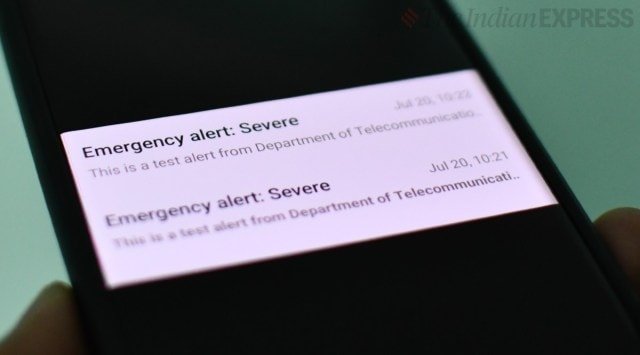
Weather Alert Systems
Reliable alert systems are your first line of defense. Make sure you have multiple ways to receive warnings, as one system might fail during a power outage or network disruption:
- Emergency Alert System (EAS) & Wireless Emergency Alerts (WEA): These systems deliver critical alerts via radio, television, and directly to your mobile phone. WEA messages are geographically targeted, meaning you'll only receive alerts relevant to your current location. Ensure your phone settings allow for these critical alerts.
- NOAA Weather Radio All Hazards (NWR): This is a nationwide network broadcasting continuous weather information directly from the nearest NWS office. It's like a smoke detector for weather, automatically alarming for warnings even when you're asleep.
- Weather Apps and Websites: Many reputable weather apps (e.g., The Weather Channel, AccuWeather, local news apps) offer customizable alerts for specific locations and severe weather types. Official NWS websites also provide real-time warning information.
- Local News and Social Media: Local television and radio stations often provide detailed, localized information during severe weather. Follow official emergency management agencies and NWS offices on social media for updates.
- Outdoor Sirens: In some communities, sirens are used to alert residents of immediate dangers like tornadoes or flash floods. Understand what these sirens mean in your area.
What to Do During Severe Weather
Receiving a warning is only the first step; knowing how to act is what truly saves lives and minimizes damage.
Emergency Preparedness
Preparation is key, not just for "today," but for any day severe weather might strike. The Federal Emergency Management Agency (FEMA) and the American Red Cross are excellent resources for comprehensive preparedness guides.
- Create an Emergency Kit: This should include at least three days' supply of non-perishable food and water, a battery-powered or hand-crank radio, flashlight, extra batteries, a first-aid kit, whistle, dust mask, moist towelettes, garbage bags, wrench or pliers to turn off utilities, manual can opener, local maps, and a cell phone with chargers. Don't forget prescription medications and important documents.
- Develop a Family Emergency Plan: Discuss with your family what to do in different severe weather scenarios. Identify safe places in your home (e.g., basement for tornadoes, high ground for floods). Establish an out-of-state contact person for family members to check in with if separated.
- Know Evacuation Routes: If you live in an area prone to floods or hurricanes, know your community's evacuation routes and have a plan for where you will go.
- Secure Your Home: Trim trees, clean gutters, secure loose outdoor items, and consider storm shutters or plywood for windows if you live in a hurricane-prone area.

Safety Tips During Severe Weather
Once a warning is issued, immediate action is often required:
- Seek Shelter Immediately:
- Tornado Warning: Go to the lowest level of your home, an interior room, or a designated storm shelter. Stay away from windows.
- Severe Thunderstorm Warning: Go indoors. Avoid windows. Stay away from electrical appliances and plumbing. If outdoors, seek sturdy shelter; if none is available, crouch low in an open area, avoiding tall objects.
- Flash Flood Warning: Move to higher ground immediately. Never drive or walk through floodwaters - "Turn Around, Don't Drown."
- Heatwave Warning: Stay in air-conditioned environments, drink plenty of fluids, wear light clothing, and check on vulnerable neighbors.
- Winter Storm Warning: Stay indoors. If you must travel, carry an emergency kit and inform others of your route and estimated arrival.
- Stay Informed: Continue monitoring local news, NOAA Weather Radio, or weather apps for updates and changes to warnings.
- Do Not Travel: Unless absolutely necessary or instructed to evacuate, avoid travel during severe weather. Roads can be dangerous, blocked, or flooded.
- Check on Others: Once it's safe, check on family, friends, and neighbors, especially those who are elderly or have special needs.
Pros & Cons of Modern Weather Warning Systems
Modern weather warning systems are incredibly advanced, but like any complex system, they have both strengths and limitations.
Pros:
- Timeliness: Warnings are issued much faster than in the past, thanks to advanced radar, satellite, and computing power, giving people more time to react.
- Specificity: Warnings are increasingly geographically precise, targeting only areas truly at risk, reducing unnecessary alerts.
- Accessibility: Multiple channels (WEA, NOAA Radio, apps, TV/radio) ensure warnings reach a wide audience, including those without internet access.
- Improved Forecasting: Better understanding of atmospheric dynamics leads to more accurate predictions of severe weather potential.
Cons:
- "Warning Fatigue": Over-alerting or false alarms (even if rare) can lead people to ignore future warnings.
- Technological Dependence: Reliance on power, internet, or cell service means systems can fail during the very events they're meant to warn against.
- Human Error/Interpretation: While highly advanced, meteorology still involves human interpretation, and perfect prediction is impossible.
- Infrastructure Gaps: Some remote or underserved areas may not have adequate access to all warning systems.
Expert-Style Opinion:
The rapid evolution of weather science and communication technology has transformed our ability to anticipate and react to severe weather. Yet, the most sophisticated warning system is only as effective as the public's understanding and response. As weather patterns become more extreme, a proactive, multi-layered approach to receiving and acting on warnings is no longer optional, but an absolute necessity for community resilience.
FAQs
What is a weather warning?
A weather warning is a message issued by the National Weather Service or other meteorological organizations to alert the public of severe weather conditions that are occurring or are imminent and pose a threat to life and property.
How do I receive weather warnings?
You can receive weather warnings through multiple reliable sources, including Wireless Emergency Alerts (WEA) on your cell phone, NOAA Weather Radio All Hazards, local television and radio broadcasts, official weather apps, and websites from organizations like the National Weather Service.
People Also Ask
What are the different types of weather warnings?
The different types of weather warnings include storm warnings (severe thunderstorm, blizzard), flood warnings (flash flood), heatwave warnings, tornado warnings, winter storm warnings, coastal flood warnings, and hurricane/typhoon warnings, each specifying a particular severe weather threat.
How do I prepare for severe weather?
You can prepare for severe weather by creating a comprehensive emergency kit with essential supplies, developing a family emergency plan that includes designated safe places and communication strategies, knowing your local evacuation routes, and securing your home and property against potential damage.
Conclusion
In a world where weather patterns are increasingly dynamic and intense, understanding and respecting weather warnings is a fundamental life skill. From the National Weather Service's tireless monitoring to your personal preparedness kit, every step contributes to a safer outcome. As we continue to navigate the complexities of our changing climate, let's commit to staying informed, preparing diligently, and acting decisively when warnings are issued. Your proactive approach today ensures a safer tomorrow for yourself, your family, and your community. Stay alert, stay prepared, and stay safe.