
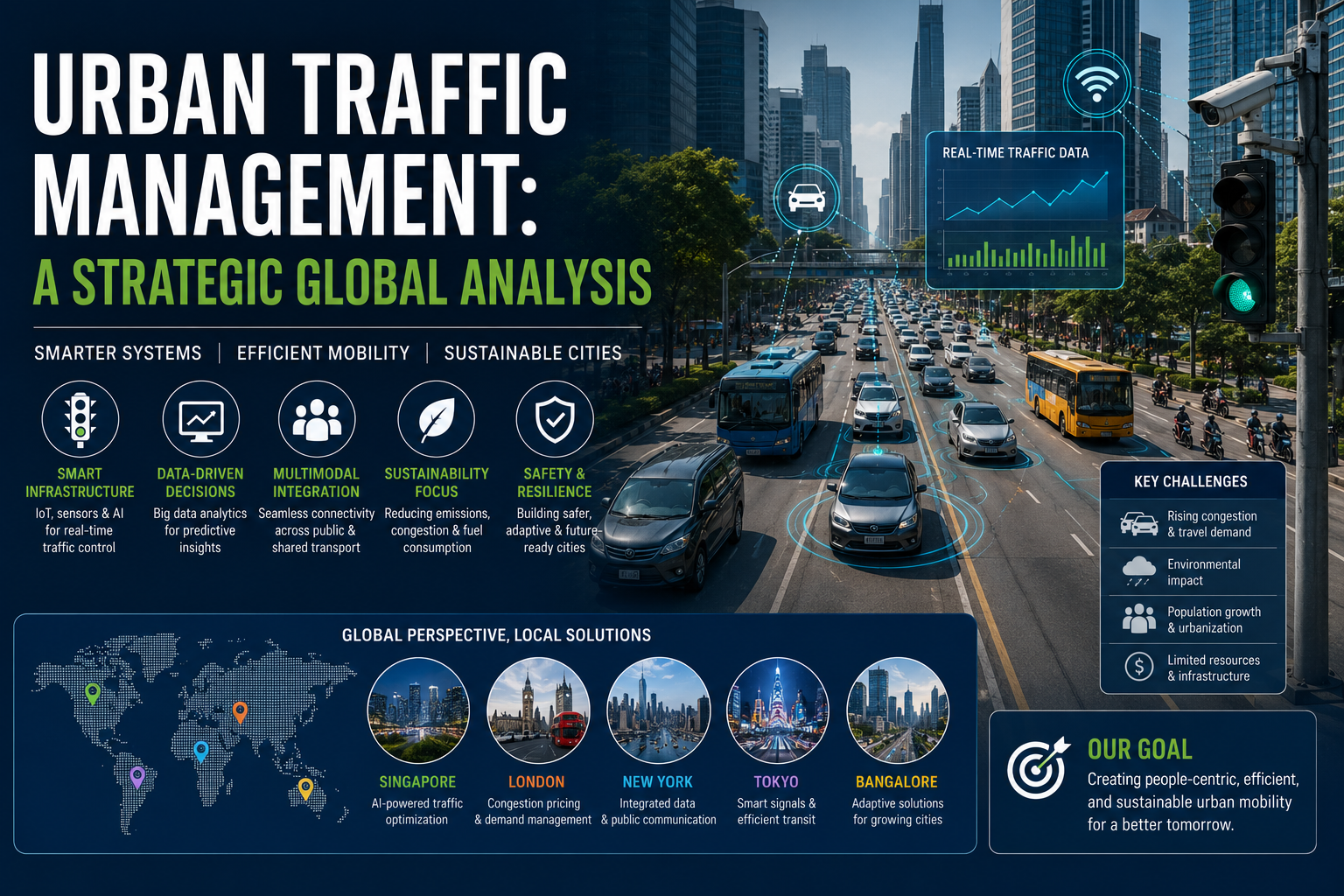
💡 Urban Traffic Management: A Strategic Global Analysis
A comprehensive analysis of global traffic congestion, its economic impact, and the technological solutions shaping future urban mobility.
Executive Summary
Urban traffic congestion has evolved from a daily inconvenience into a significant global economic and environmental crisis. According to the 2023 TomTom Traffic Index, drivers in major hubs like London and Bengaluru lost an average of 130 to 150 hours annually to peak-hour congestion. This analysis identifies that the economic burden of traffic in the United States alone reached 81 billion dollars in 2022 due to lost productivity and wasted fuel. Key findings suggest that traditional road expansion often fails due to induced demand, whereas AI-driven traffic management and a shift toward sustainable fuel sources offer more viable long-term solutions. This report evaluates the systemic causes of congestion and provides a strategic roadmap for urban planners and commuters alike.
Introduction
The rapid pace of global urbanization has placed unprecedented pressure on existing transportation networks. As of 2024, more than 55 percent of the world population lives in urban areas, a figure expected to rise to 68 percent by 2050. This demographic shift has outpaced the development of physical infrastructure, leading to chronic gridlock in metropolitan centers. Traffic is not merely a logistical hurdle; it is a complex phenomenon influenced by economic cycles, consumer behavior, and technological shifts. Understanding the mechanics of urban mobility is essential for maintaining economic fluidity and environmental health. This article provides an authoritative look at the current state of traffic, backed by data from leading industry reports and economic forecasts.
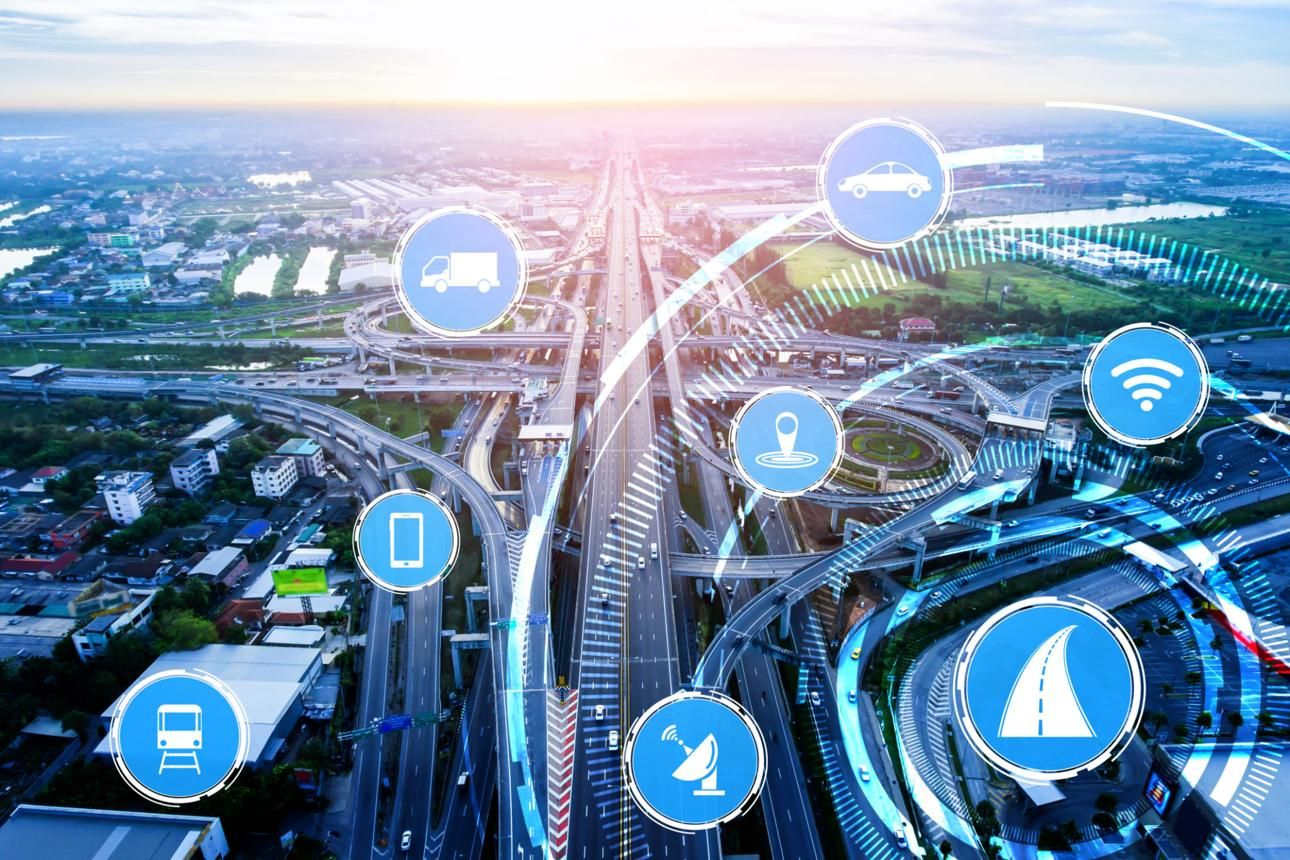
The Deep Dive: Economic and Environmental Impacts
The repercussions of traffic congestion extend far beyond the frustration of the individual driver. The macro-economic implications are severe, affecting supply chains and market stability. For instance, delays in freight transport lead to increased operational costs for corporations, which are eventually passed down to the consumer. Investors monitoring the Stock Market Today often observe how logistics and transportation sector performance is tightly correlated with urban efficiency and fuel price volatility.
From an environmental perspective, the transportation sector is responsible for approximately 25 percent of global energy-related carbon dioxide emissions. Idling vehicles in heavy traffic contribute significantly to localized air pollution, which has been linked to increased respiratory issues in urban populations. To combat this, many governments are prioritizing alternative energy. The transition toward CNG and Sustainable Energy Solutions is a critical pillar in reducing the carbon footprint of public and private transport fleets. Data suggests that switching to compressed natural gas can reduce greenhouse gas emissions by up to 20 percent compared to traditional gasoline engines.
Technological Disruptions and Digital Shifts
One of the most effective ways to reduce traffic is to decrease the number of vehicles on the road through digital alternatives. The rise of high-bandwidth digital platforms has enabled a shift from physical commuting to virtual engagement. For example, the growth of the creator economy and platforms like Kick Streaming demonstrates how digital broadcast disruptions allow for professional and social interaction without the need for physical travel. This reduction in discretionary trips is a vital component of modern traffic mitigation strategies.
Furthermore, Intelligent Transport Systems (ITS) are now utilizing Big Data and AI to optimize traffic flow. Cities like Singapore and Stockholm have implemented dynamic congestion pricing, which uses real-time data to adjust tolls based on traffic density. These systems have proven to reduce peak-hour traffic by up to 15 percent, proving that policy and technology must work in tandem.
The Paradox of Induced Demand
A common misconception in urban planning is that building more roads or widening existing highways will solve congestion. This is known as the Lewis-Mogridge Position or Induced Demand. When road capacity is increased, the cost of travel (in terms of time) decreases initially. However, this lower cost encourages more people to drive, eventually returning the road to its previous state of congestion. Research by the National Bureau of Economic Research (NBER) confirms a one-to-one relationship between road capacity expansion and the growth in Vehicle Miles Traveled (VMT). Therefore, strategic focus is shifting away from expansion and toward demand management and public transit efficiency.
What This Means For You
- Commuter Efficiency: Utilizing real-time navigation apps can save the average commuter up to 20 hours per year by identifying faster routes and avoiding accidents.
- Cost Management: Traffic congestion increases vehicle wear and tear and fuel consumption. Transitioning to hybrid or electric vehicles can mitigate the financial impact of idling in traffic.
- Work-Life Balance: The integration of remote work options remains the most effective individual strategy for avoiding the negative mental health impacts associated with long commutes.
- Property Value: Proximity to efficient public transit hubs is becoming a primary driver of real estate value, as urban dwellers seek to bypass road congestion entirely.
Expert Verdict and Future Outlook
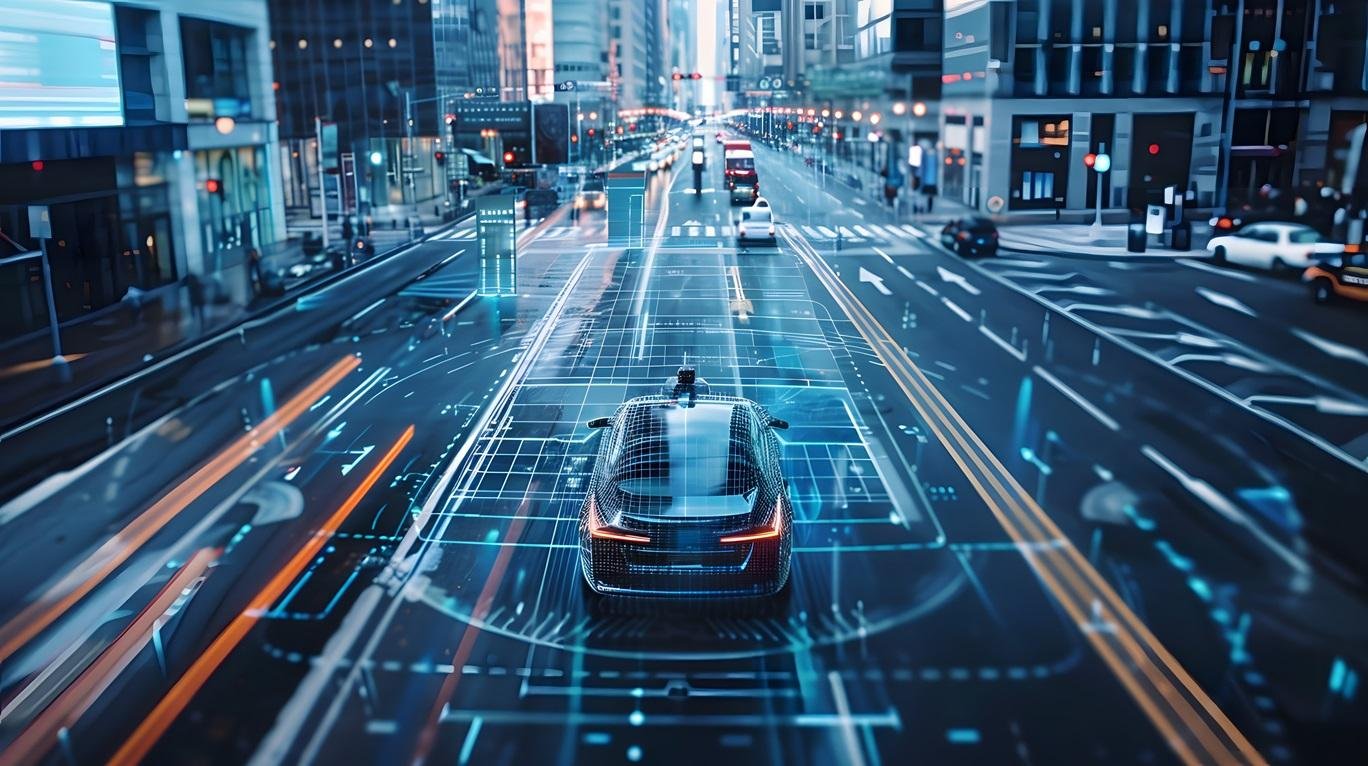
The future of urban mobility lies in the concept of Mobility as a Service (MaaS). This model integrates various forms of transport services into a single accessible platform, encouraging users to switch between trains, buses, and shared micro-mobility options like e-scooters. The expert consensus is that the car-centric model of the 20th century is unsustainable. By 2030, we expect to see a wider adoption of Autonomous Vehicles (AVs) which, through vehicle-to-everything (V2X) communication, can travel in tighter formations and reduce the stop-and-go waves that cause phantom traffic jams. The strategic priority for the next decade will be reclaiming urban space from cars and returning it to pedestrians and efficient transit systems.
Frequently Asked Questions
Which city has the worst traffic in the world?
According to the latest TomTom Traffic Index, London currently holds the top spot, with Bengaluru and Dublin following closely. Factors include high population density and narrow, historical road layouts that cannot be easily expanded.
Does public transportation actually reduce traffic?
Yes, but only if the system is reliable and frequent. A single bus can take up to 40 cars off the road, and a fully loaded commuter train can replace over 500 vehicles. The key is providing a competitive alternative to the convenience of a private car.
What is congestion pricing?
Congestion pricing is a system where drivers are charged a fee to enter certain high-traffic zones during peak hours. The revenue generated is typically reinvested into public transportation infrastructure.
How does AI help in managing traffic?
AI algorithms analyze data from cameras, sensors, and GPS devices to predict traffic patterns. This allows for the dynamic adjustment of traffic light timings and provides real-time updates to drivers to redistribute the load across the road network.
What is the impact of traffic on mental health?
Long-term exposure to traffic congestion is linked to increased stress levels, chronic fatigue, and higher rates of cardiovascular issues. Reducing commute times is consistently cited as one of the most effective ways to improve overall life satisfaction.
Conclusion
Traffic is a systemic challenge that requires a multi-pronged strategic response. While physical infrastructure remains important, the future of urban mobility depends on technological integration, sustainable fuel adoption, and a fundamental shift in how we value urban space. By leveraging data-driven insights and embracing digital alternatives to physical travel, cities can move toward a more fluid, efficient, and sustainable future.
Important Note: Financial Disclaimer: This content is for educational purposes only and does not constitute professional financial advice. Always consult with a certified financial planner before making investment decisions.




Comments 0
Leave a Reply
Your email address will not be published. Required fields are marked *
Be the first to share your thoughts!