
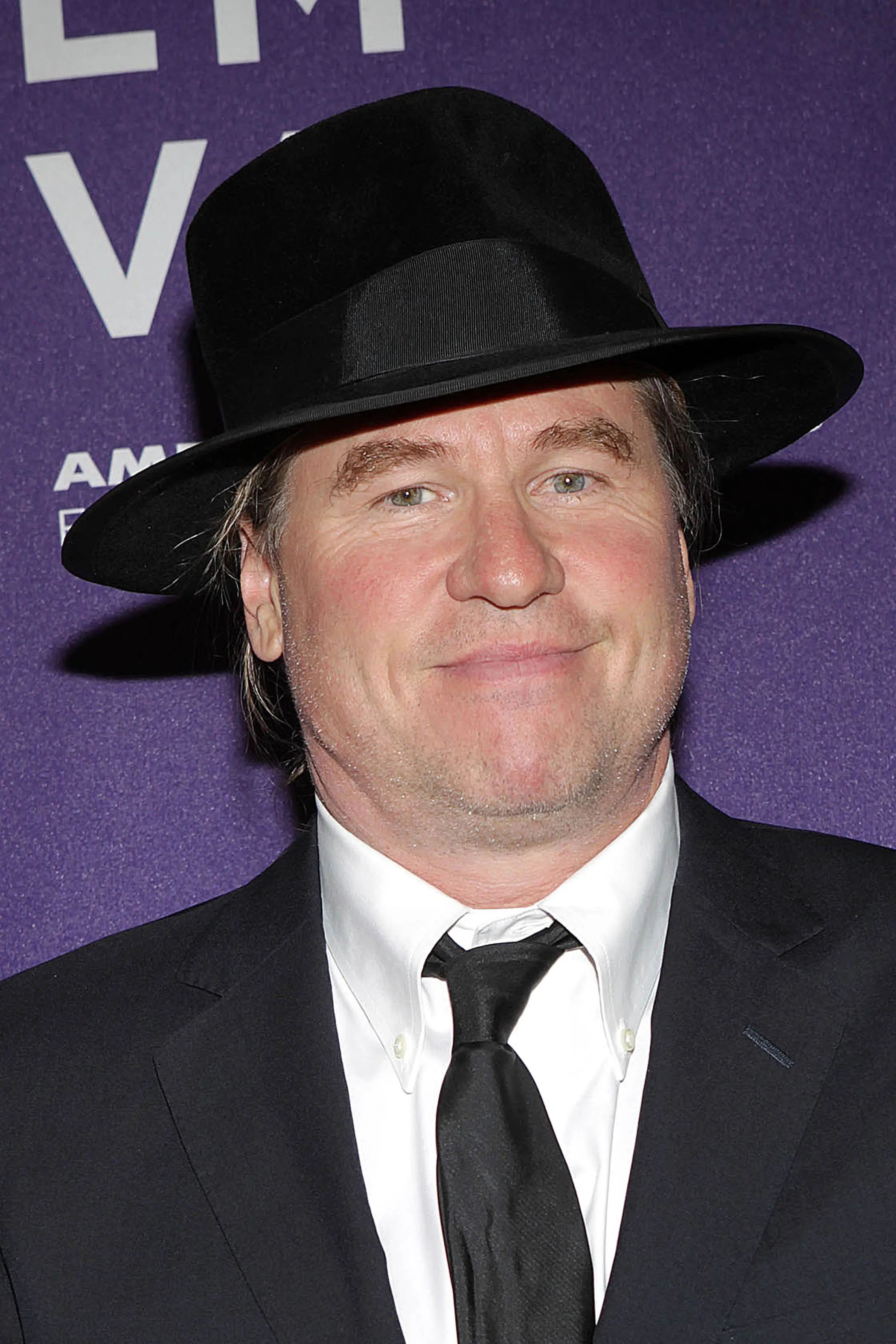
Understanding the Artistic Journey of Val Kilmer
Val Kilmer remains one of the most enigmatic and versatile figures in the history of American cinema. From his early days as a classically trained stage actor to his status as a global box office draw, his career offers a blueprint for what it means to be a true character actor within the Hollywood system. Unlike many of his contemporaries who maintained a consistent screen persona, Kilmer was known for his ability to disappear into roles, often becoming unrecognizable through physical transformations and meticulous vocal work. This dedication to the craft has made him a subject of study for aspiring actors and film historians alike.
Film critics have often highlighted Kilmer’s ability to fully transform into his characters, making each role feel distinct and memorable. His approach was never about mere celebrity: it was about the exploration of human psychology through performance. This deep-seated commitment to the arts began long before he stepped onto a movie set, rooted in his education at the prestigious Juilliard School, where he was the youngest student ever accepted into the drama division at the time.
The Foundation of a Master: Training and Early Career
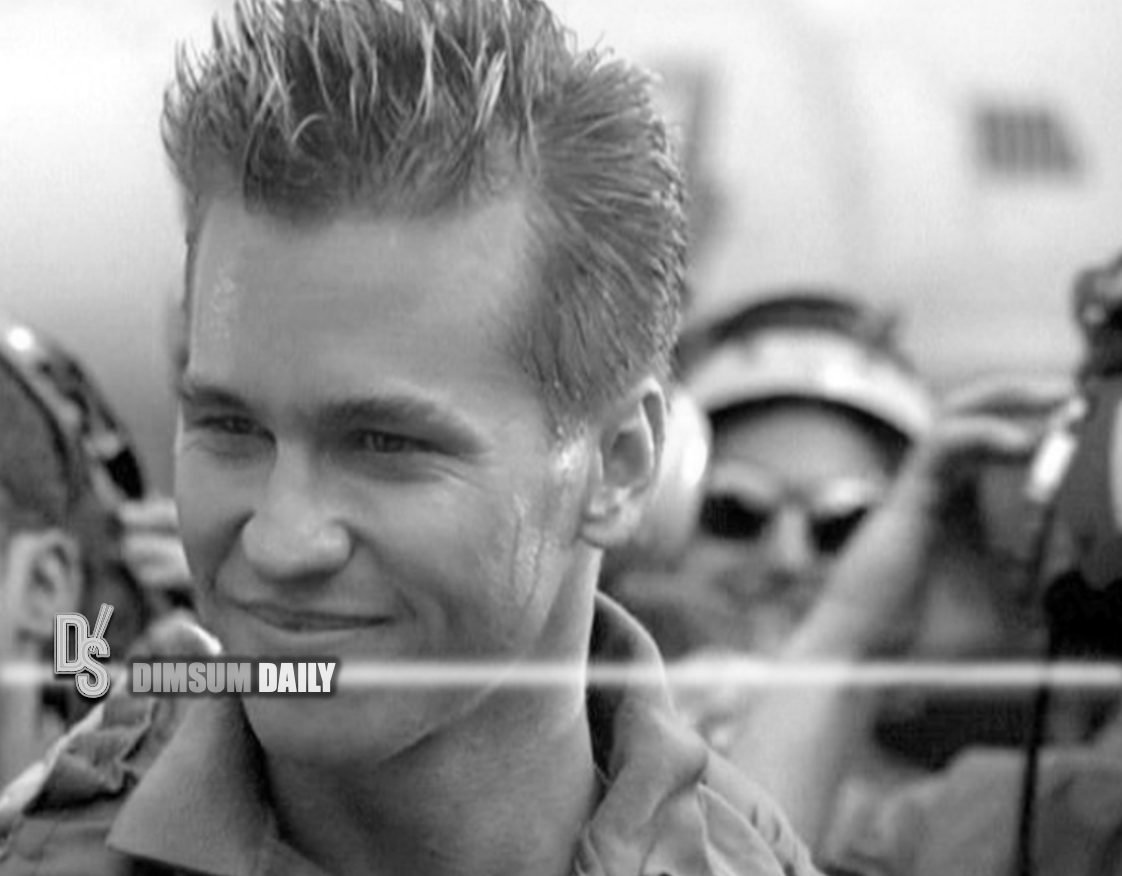
The technical proficiency Kilmer displayed in his most famous roles can be traced back to his rigorous training in New York. At Juilliard, he mastered the nuances of Shakespearean performance and classical theater, which provided him with a vocal and physical range that few of his peers could match. His classical theatre training at Juilliard helped him build strong control over voice, movement, and emotional expression, which became visible in his later film roles. His film debut in the parody Top Secret! showcased his comedic timing and musical ability, proving that he was not limited to the heavy dramas of his training.
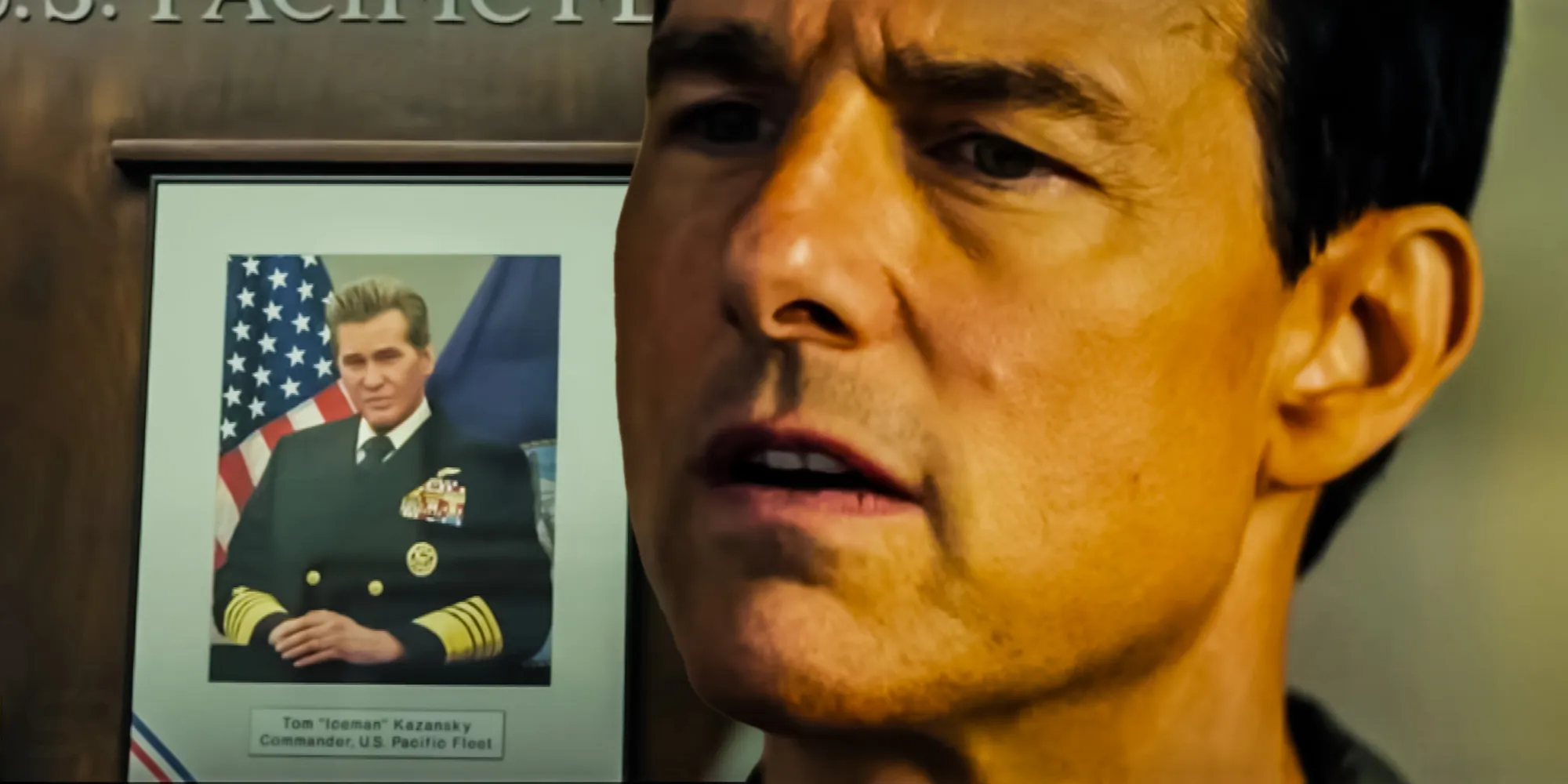
During the 1980s, Hollywood saw a rise in action-driven films, and Kilmer quickly became part of this major shift in cinema. His role as Tom Iceman Kazansky in Top Gun solidified his position as a leading man. However, even in a role that could have been a one-dimensional antagonist, Kilmer brought a layer of professional discipline and underlying respect for his rival that elevated the film. This ability to find the humanity in every character became his signature method acting techniques used by professional actors.
The Chameleon Phase: Iconic Roles and Transformations
The 1990s marked a period of extraordinary creative output for Kilmer. He became known for his obsessive preparation for roles, a trait that both fascinated and challenged his collaborators. To play Jim Morrison in The Doors, Kilmer reportedly spent a year living like the rock icon, learning to sing his songs with such precision that even the surviving members of the band had difficulty distinguishing his voice from the original recordings. This level of immersion is often cited by film critics as one of the most complete transformations in biographical cinema.
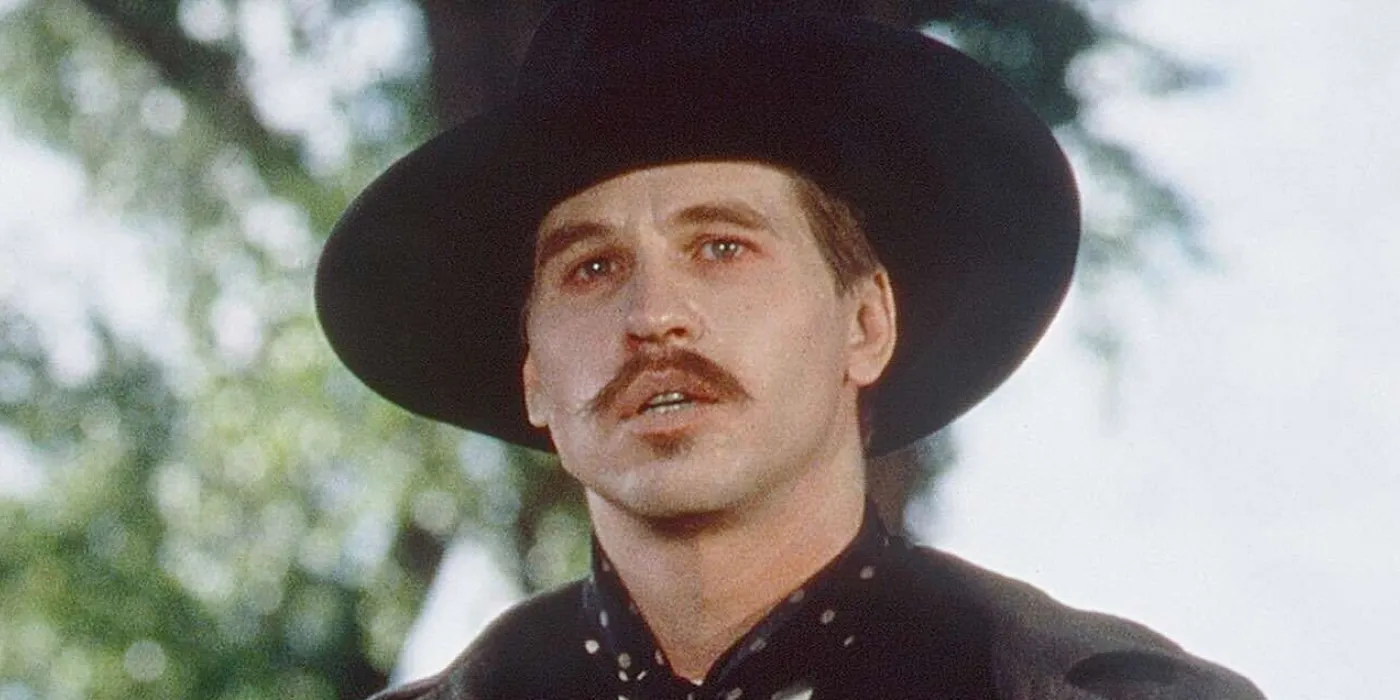
Perhaps his most beloved performance is that of Doc Holliday in the Western epic Tombstone. Kilmer’s portrayal of the dying, silver-tongued gunslinger is widely regarded as a definitive performance in the genre. He utilized a specific Southern aristocratic accent and a lethal, coughing grace that stole every scene. As per recent industry reports on cult classics, Kilmer’s Doc Holliday remains a primary reason for the film’s enduring popularity. His delivery of the line, I am your Huckleberry, has entered the cultural lexicon as a symbol of cool under pressure.
Navigating the Blockbuster Landscape: Batman and Beyond
In the mid-1990s, Kilmer took on the mantle of the Caped Crusader in Batman Forever. While the film was a massive commercial success, Kilmer’s approach to Bruce Wayne was notably different from his predecessors. He focused on the internal trauma of the character, bringing a psychological depth to the superhero genre before it became a standard industry practice. His portrayal of Bruce Wayne focused more on emotional depth and inner conflict rather than just superhero action.
Following his stint as a superhero, Kilmer delivered a masterclass in tactical realism in Michael Mann’s Heat. Playing the high-stakes thief Chris Shiherlis, Kilmer’s performance included a weapon-reloading sequence during a street shootout that was so technically accurate it has been used by military and police instructors as a training example. This commitment to technical accuracy, regardless of the role’s size, defines the Kilmer standard of excellence.
The Artistic Evolution: Writing and Visual Arts
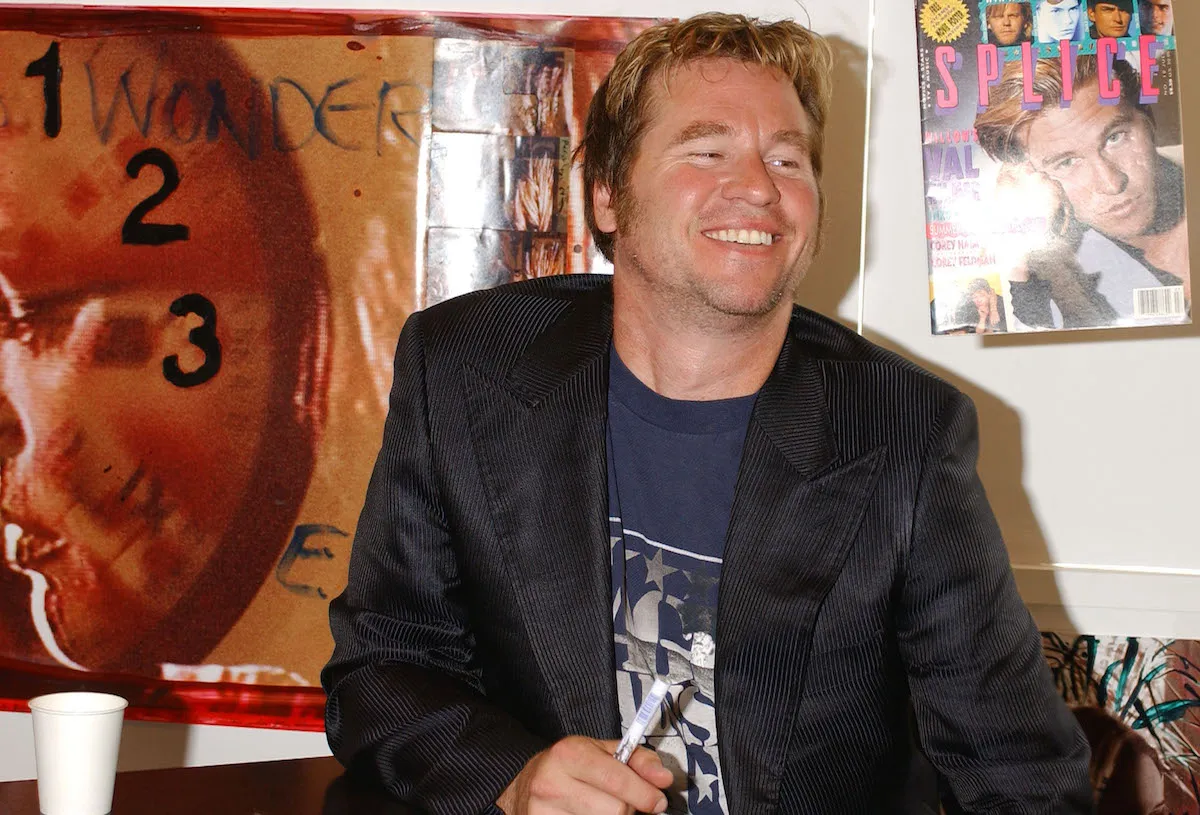
As his career progressed, Kilmer’s creative spirit expanded beyond the screen. He has always been a prolific writer and a visual artist, often using poetry and painting to express ideas that film could not capture. After years in Hollywood, Kilmer also explored painting and writing as personal forms of expression beyond acting.
In recent years, Kilmer has also embraced the role of a documentarian of his own life. Having spent decades filming behind-the-scenes footage on his movie sets, he provided a rare, intimate look at the life of a Hollywood star. This archival mindset has allowed fans to see the man behind the masks, revealing a person of deep faith, humor, and resilience. His legacy is now seen not just through his characters, but through his authentic voice as a creator who survived the pressures of the industry while maintaining his artistic integrity.
Core Concepts of Kilmer’s Acting Philosophy
To understand the impact of Val Kilmer, one must look at the core concepts he applied to his work. These are not just acting tips but a philosophy of life and art:
- Total Immersion: The belief that to play a character, one must understand their environment, their history, and their physical habits.
- Vocal Precision: Kilmer used his voice as an instrument, changing pitch, cadence, and accent to define a character’s soul.
- Physicality: Whether it was the rigid posture of a pilot or the fluid movements of a rock star, he understood that the body tells a story before a word is spoken.
- Intellectual Curiosity: He was known for researching the historical context of every role, often knowing more about the subject than the writers themselves.
Pro Tips for Understanding Character Development
Drawing from Kilmer’s extensive body of work, here are expert insights into the craft of character development that can be applied by actors and writers alike:
- Observe the Mundane: Pay attention to how people perform everyday tasks. Kilmer often added small, specific gestures to his characters that made them feel real.
- Find the Internal Conflict: Every great character wants something they cannot have. Kilmer focused on the tension between a character’s desires and their reality.
- Embrace the Silence: Some of Kilmer’s most powerful moments occurred when he wasn’t speaking. Use the space between lines to convey emotion.
- Stay Authentic to the Source: When playing real-life figures, honor their truth while finding a way to make the performance your own.
Common Misconceptions About Method Acting
While Kilmer is often labeled a method actor, there are several misconceptions about this approach that his career helps clarify. Many believe method acting is about being difficult on set, but for Kilmer, it was about a pursuit of excellence. According to industry insiders, his intensity was a byproduct of his high standards for the final product. Another mistake is thinking that immersion means losing oneself entirely; Kilmer’s career shows that even in deep character work, the actor’s technical control remains the most important tool.
Frequently Asked Questions
What was Val Kilmer’s first major film role?
His breakout role came in the 1984 comedy Top Secret!, where he played a singing American rock star. This role showcased his ability to perform both comedy and musical numbers.
Which role is considered Val Kilmer’s most transformative?
Most critics and fans consider his portrayal of Jim Morrison in the 1991 film The Doors to be his most transformative, due to his near-identical vocal performance and physical resemblance to the late singer.
Did Val Kilmer actually sing in the movie The Doors?
Yes, Kilmer performed many of the songs himself. His singing was so accurate that the original members of The Doors reportedly had difficulty distinguishing his voice from Jim Morrison’s in several recordings.
What is the significance of the line I am your Huckleberry?
The line, spoken by Kilmer as Doc Holliday in Tombstone, is a slang term from the era meaning I am the man for the job or I am the one you are looking for. It has become one of the most famous lines in Western cinema history.
How did Val Kilmer prepare for his role in Heat?
Kilmer underwent extensive weapons training with professional instructors to ensure his handling of firearms was realistic. His efficiency in reloading a rifle during the film’s central heist is frequently cited by tactical experts for its accuracy.
Conclusion
Val Kilmer’s career is a testament to the power of dedication and the importance of artistic evolution. He transitioned from a classically trained youth to a global superstar, and eventually to a respected visual artist and author, all while maintaining a unique and uncompromising creative vision. His body of work continues to inspire new generations of performers to look deeper into their characters and to never stop exploring the boundaries of their craft. By studying his roles in films like Tombstone, The Doors, and Heat, we gain a better understanding of the meticulous detail required to create lasting cinematic icons. The ultimate takeaway is that true artistry requires a balance of rigorous technical training and an unyielding passion for the human story.
Lottery and gambling activities involve financial risk. This content is for informational purposes only. Please participate responsibly.





Comments 0
Leave a Reply
Your email address will not be published. Required fields are marked *
Be the first to share your thoughts!