
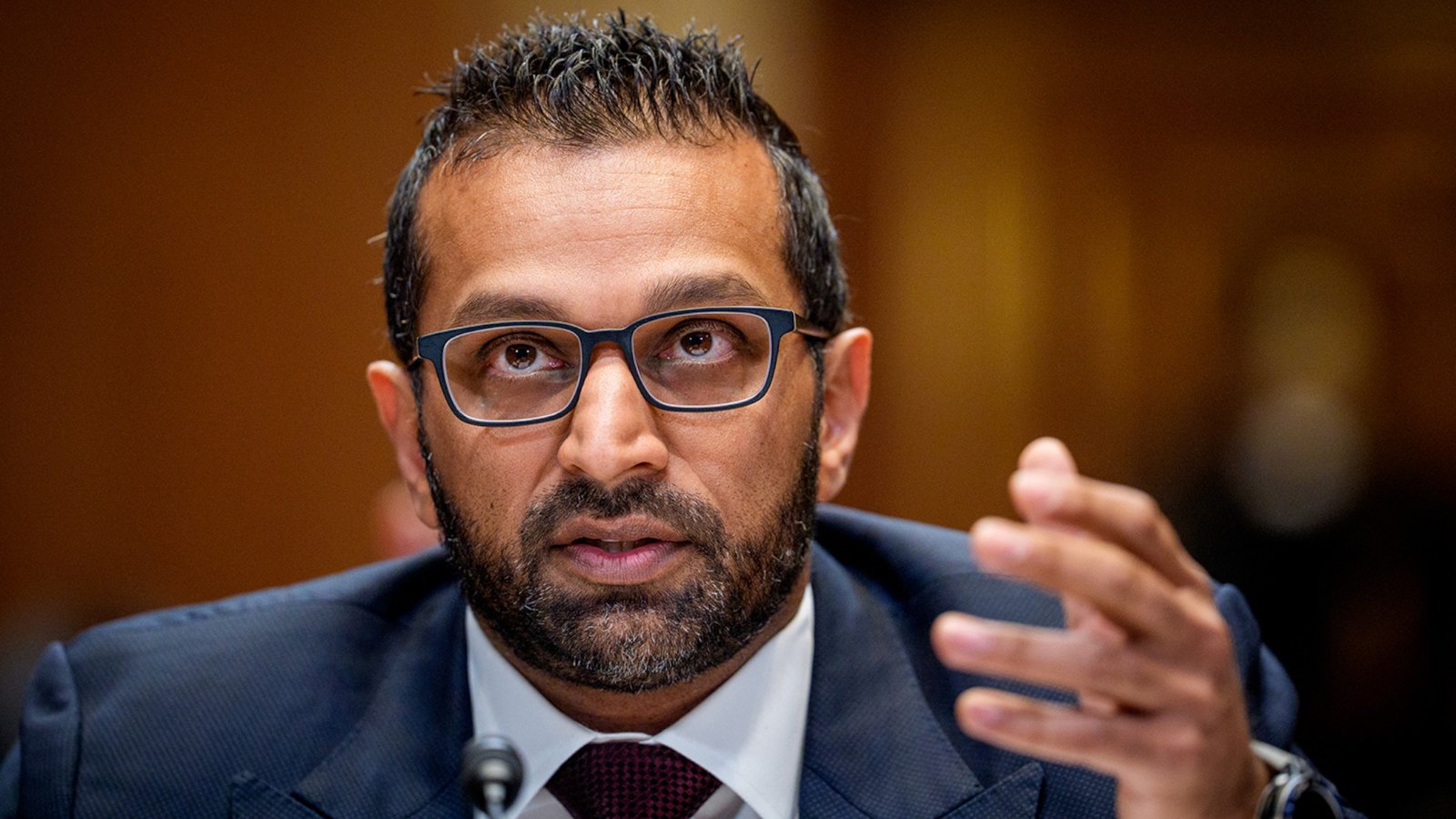
💡 Who is Kash patel?
Explore the comprehensive career and influence of Kash Patel, from his roles in the Department of Defense to his impact on American intelligence policy and national security.
In the complex landscape of American politics and national security, few figures have sparked as much conversation and analysis as Kash Patel. Known for his rapid ascent through the ranks of the federal government and his involvement in some of the most high-profile investigations of the last decade, Patel represents a specific shift in how intelligence and policy intersect. This article provides a detailed exploration of his background, his pivotal roles in Washington, and his ongoing influence on the discourse surrounding government transparency and security.
Who is Kash Patel?
Kashyap P. Patel, commonly known as Kash Patel, is an American attorney and former government official who served in several high-ranking positions during the late 2010s. Born in Garden City, New York, to parents of Indian descent who immigrated from East Africa, Patel’s journey began far from the halls of the Pentagon. Kash Patel was born in Garden City, New York, and comes from a family of Indian origin. His early career was defined by his work as a public defender, a role that His early work as a public defender gave him practical experience in handling complex legal cases.
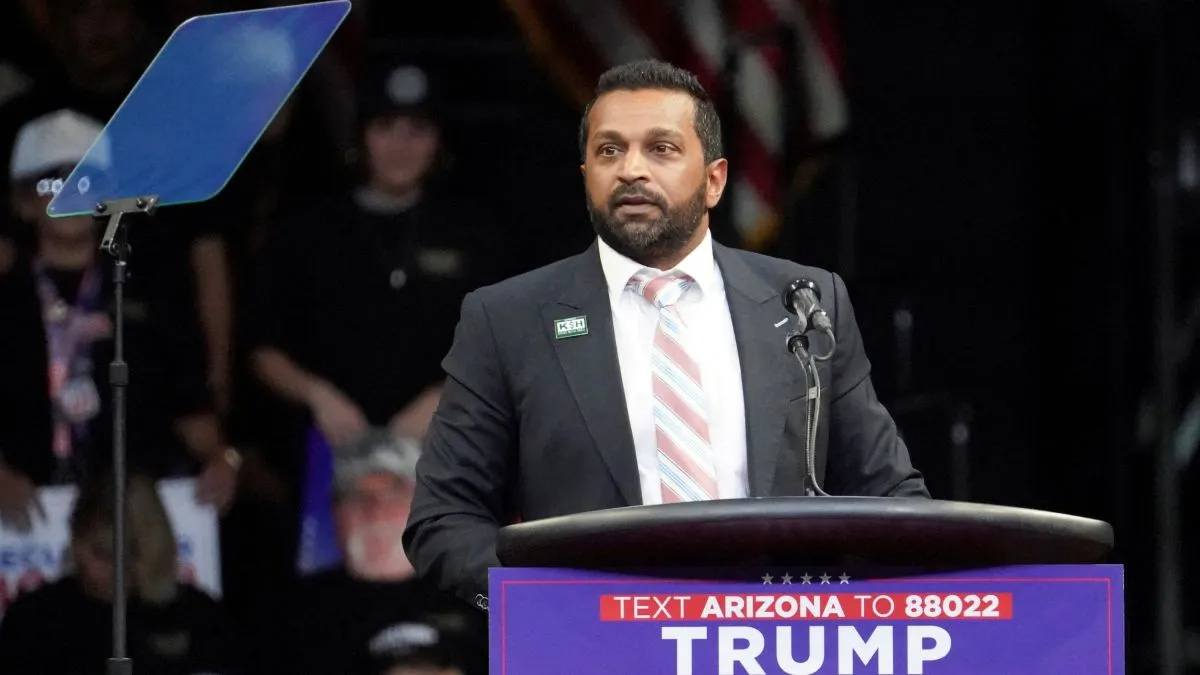
He later moved into national security roles within the U.S. government, Patel transitioned from defense work to becoming a federal prosecutor focused on national security. This transition marked the beginning of his deep involvement with the United States intelligence community. During his time at the Department of Justice, he handled cases involving terrorism and international crime, garnering the experience that would eventually lead him to the legislative and executive branches of government.
What were the key career milestones for Kash Patel?
The trajectory of Kash Patel’s career is often cited by political analysts as a masterclass in navigating the complexities of Washington D.C. His move to the House Permanent Select Committee on Intelligence (HPSCI) was a turning point. Working under Chairman Devin Nunes, Patel played a central role in investigating the origins of the Russia inquiry. This period established him as a firm advocate for oversight and a critic of what he described as bureaucratic overreach within the intelligence agencies.
Experts suggest that his work on the HPSCI, particularly his contributions to the famous memo regarding FISA warrant applications, solidified his reputation as a disruptive force in the capital. Following his tenure in Congress, Patel moved to the executive branch, where he held several significant titles:
- Senior Director at the National Security Council: Focusing on counterterrorism and international threats.
- Principal Deputy to the Acting Director of National Intelligence: Assisting in the oversight of the 17 agencies that make up the U.S. intelligence community.
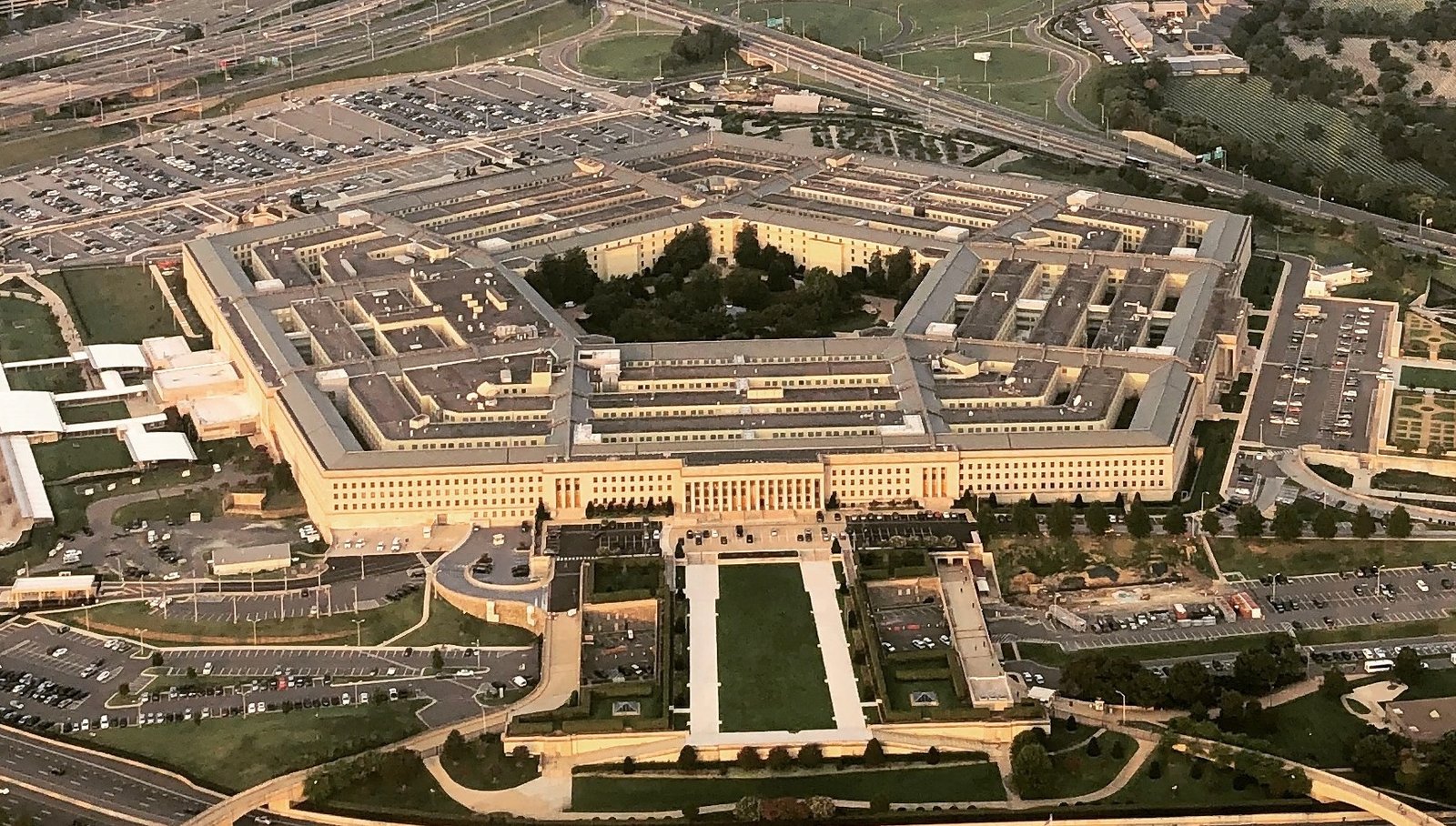
- Chief of Staff to the Acting Secretary of Defense: A role where he managed the daily operations of the Pentagon and influenced military policy during a critical transition period.
How did Kash Patel influence the Department of Defense?
During his time as the Chief of Staff to the Acting Secretary of Defense, Kash Patel was at the center of major strategic shifts. According to global analysts, his tenure was characterized by a focus on streamlining the bureaucracy of the Pentagon and prioritizing certain counterterrorism initiatives. He was instrumental in coordinating the withdrawal of troops from various conflict zones, a move that aligned with the broader policy goals of the administration at the time.

The role at the Department of Defense also involved managing sensitive transitions and ensuring that the military’s objectives remained consistent with the executive branch’s vision. Analysts note that Patel’s presence in the Pentagon was often viewed through the lens of institutional reform. He frequently advocated for more direct accountability and less reliance on traditional, slow-moving processes that he believed hindered national security responses.
Why is Kash Patel a central figure in discussions on government transparency?
One of the primary reasons Kash Patel remains a household name in political circles is his vocal stance on government transparency and the concept of the Deep State. This term, often used to describe a permanent bureaucracy that operates independently of elected leadership, has been a cornerstone of Patel’s public discourse. Experts suggest that Patel’s career has been a mission to expose what he perceives as political bias within the FBI and the Department of Justice.
His advocacy for the declassification of documents related to major federal investigations has earned him both fervent support and intense criticism. Supporters view him as a whistleblower and a champion of the public’s right to know, while critics argue that his approach risks compromising sensitive intelligence methods. Regardless of the perspective, it is clear that Patel has shifted the conversation regarding how much power the administrative state should hold over elected officials.
What are the core philosophies of Kash Patel regarding national security?
To understand Kash Patel, one must look at his core philosophies. According to recent industry reports, his approach to national security is built on three main pillars: accountability, American interests first, and technological modernization. He has consistently argued that the United States must be more proactive in addressing cyber threats and foreign interference, particularly from nations that seek to compromise American infrastructure or democratic processes.
In his various roles, Patel emphasized the need for the intelligence community to adapt to the digital age. This includes better protection against hacking attempts and a more aggressive stance on counter-intelligence. As per experts, Patel believes that the traditional intelligence model is often too reactive, and he has pushed for a more agile system that can anticipate threats before they manifest.
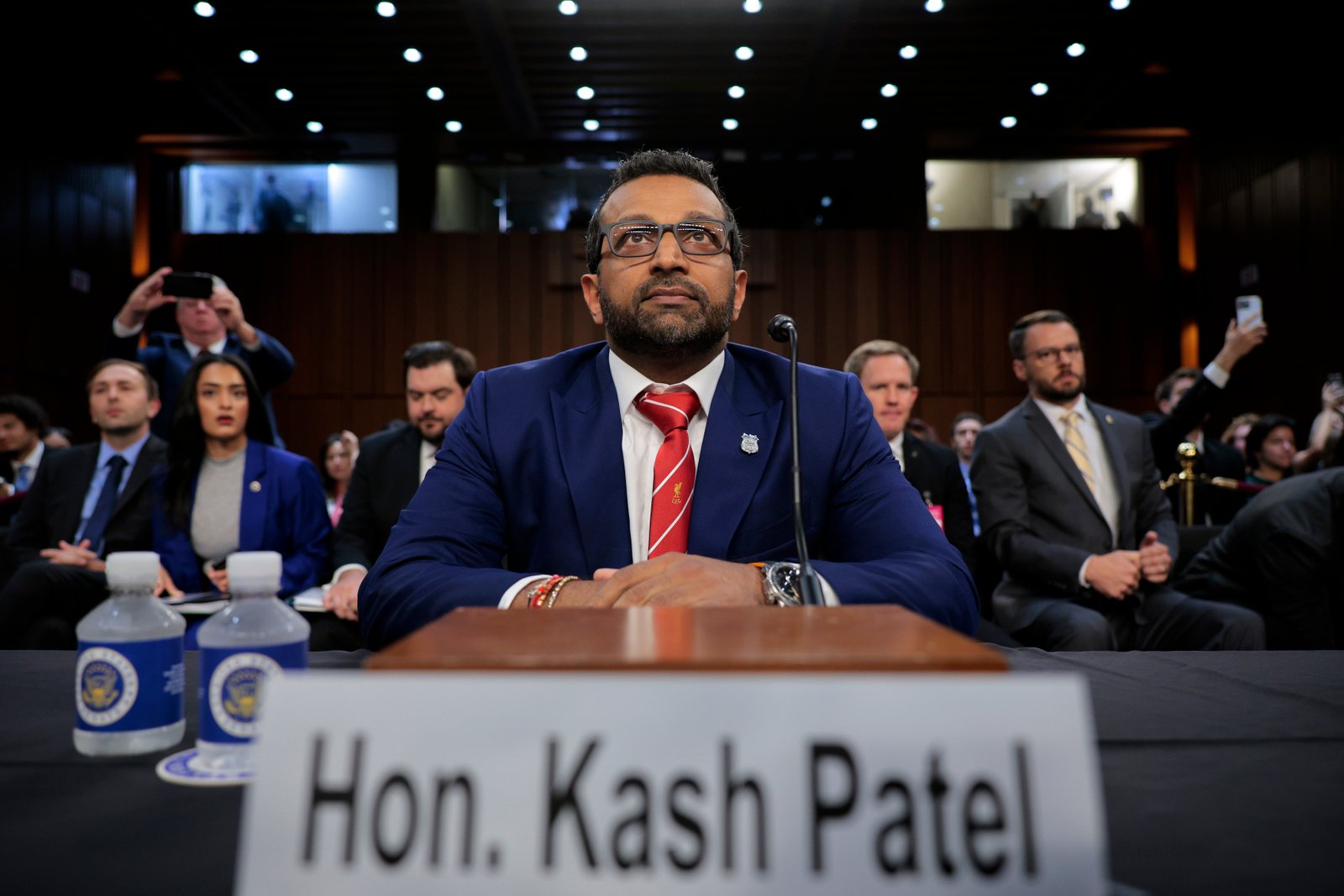
What is the post-government influence of Kash Patel?
Since leaving his formal roles in the federal government, Kash Patel has remained a highly active figure in the public eye. He has authored books that detail his experiences in Washington and provide his perspective on the inner workings of the government. These publications have become essential reading for those looking to understand the mechanics of the executive branch from an insider’s point of view.
Furthermore, Patel has established himself as a media personality and a consultant. Through various platforms, he continues to comment on national security issues, legal proceedings, and the future of the American political landscape. His influence is felt in the way he frames current events, often providing a counter-narrative to mainstream media reports. This has allowed him to maintain a significant following and remain a key advisor to various political figures.
Common questions about the career of Kash Patel
Understanding a career as multifaceted as Patel’s often leads to several common inquiries. Below are some of the most frequently asked questions regarding his professional life and impact.
Who is Kash Patel in the context of the Nunes Memo?
Kash Patel was the primary staffer responsible for drafting what became known as the Nunes Memo. This document alleged that the FBI and DOJ had misused their authority to obtain surveillance warrants during the 2016 election cycle. It was a pivotal moment that launched Patel into the national spotlight and initiated a long-standing debate over the integrity of federal investigations.
What roles did Kash Patel hold at the National Security Council?
At the NSC, Patel served as the Senior Director for Counterterrorism. In this capacity, he was involved in high-level planning for operations against terrorist organizations and played a key role in the administration’s efforts to repatriate foreign fighters. His work there was characterized by a focus on direct action and the use of intelligence to prevent domestic threats.
How does Kash Patel view the future of the FBI?
Patel has been a frequent critic of the current leadership and structure of the FBI. He has suggested that the agency requires significant reform to ensure it remains non-partisan. His proposals often include moving certain functions of the FBI to other agencies or increasing congressional oversight to prevent the weaponization of law enforcement for political purposes.
Pro Tips for understanding national security transitions
For those interested in the world of high-level government appointments and national security, following the career of figures like Kash Patel offers several insights:
- Monitor Committee Staff: Often, the most influential policy shifts begin with the staff members of congressional committees rather than the elected officials themselves.
- Watch for Inter-Agency Movement: A professional who moves quickly between the DOJ, NSC, and DoD often carries a specific policy mandate from the executive branch.
- Analyze Declassification Trends: The push for declassification is a major tool for changing the public narrative on historical events; keeping an eye on which documents are released can provide clues about future policy directions.
Conclusion
Kash Patel remains one of the most polarizing and influential figures in modern American national security. From his early days as a public defender to his high-stakes roles at the Pentagon and the National Security Council, his career reflects a broader struggle over the direction of the U.S. intelligence community. By prioritizing transparency and challenging the status quo, Patel has ensured that his name will be linked to the ongoing debate over government accountability for years to come. Whether viewed as a reformer or a disruptor, his impact on the structures of power in Washington is undeniable.
Important Note: Financial Disclaimer: This content is for educational purposes only and does not constitute professional financial advice. Always consult with a certified financial planner before making investment decisions.
Related Media
Quick View: Who is Kash Patel? An In-Depth Profile of the National Security Strategist





Comments 0
Leave a Reply
Your email address will not be published. Required fields are marked *
Be the first to share your thoughts!