
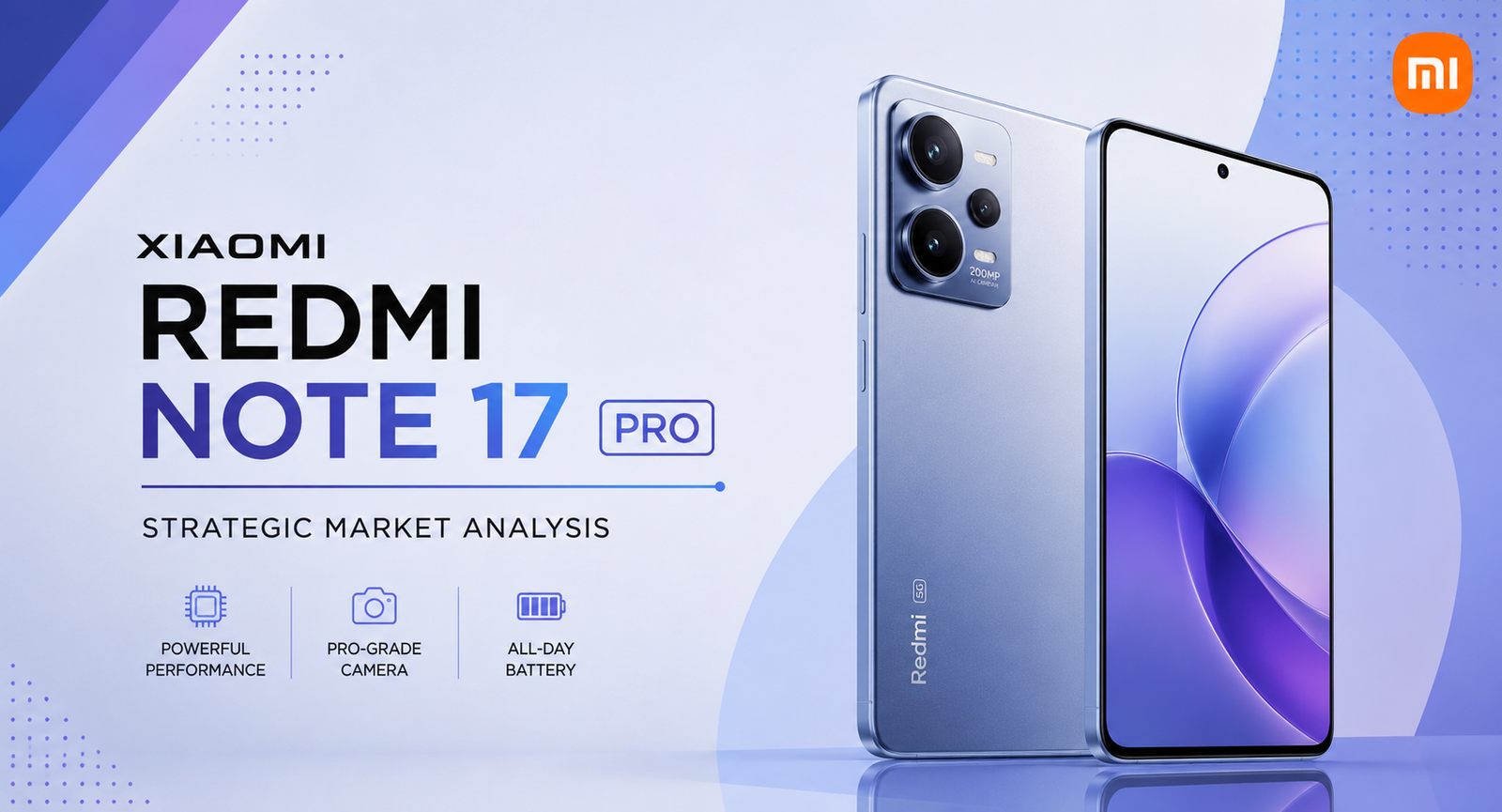
💡 Xiaomi Redmi Note 17 Pro: Strategic Market Analysis
An authoritative deep dive into the Xiaomi Redmi Note 17 Pro, analyzing its technological trajectory, market impact, and competitive positioning within the global smartphone industry.
Executive Summary
The Xiaomi Redmi Note 17 Pro represents a pivotal shift in the mid-range smartphone sector, moving from a focus on raw specifications to a more integrated, ecosystem-driven approach. Based on industry data from IDC and Counterpoint Research, Xiaomi maintains a consistent 12 to 14 percent global market share, largely driven by the Redmi Note series. This analysis highlights three primary findings: First, the adoption of 4nm process technology in mid-range silicon is narrowing the performance gap between value and flagship tiers. Second, the integration of 200-megapixel primary sensors is becoming the new standard for consumer expectation in the sub-500 dollar category. Third, the transition to HyperOS signifies Xiaomi's strategic move toward a unified Internet of Things (IoT) environment, prioritizing cross-device connectivity over isolated hardware performance.
Introduction: The Strategic Evolution of the Mid-Range
The global smartphone market is currently experiencing a period of intense technological democratization. Features that were once exclusive to premium devices, such as high-refresh-rate LTPO displays and ultra-fast charging, are now migrating to the mid-range segment at an unprecedented pace. The Xiaomi Redmi Note 17 Pro stands at the center of this transition. As consumer upgrade cycles extend toward 40 months in mature markets, manufacturers are forced to offer more durable and future-proof hardware to maintain brand loyalty. This device is not merely a hardware refresh; it is a strategic response to the shifting economic landscape where consumers demand flagship-level utility without the thousand-dollar price tag. Just as we see in the iPhone 18 Pro Max: Strategic Analysis of Apple's Future, the industry is moving toward a plateau in hardware innovation, shifting the competitive focus to software optimization and artificial intelligence integration.
The Deep Dive: Technological Architecture and Market Positioning
To understand the impact of the Redmi Note 17 Pro, one must analyze the specific hardware components and the supply chain dynamics that allow Xiaomi to maintain its aggressive pricing strategy. The device is expected to leverage a custom-tuned MediaTek Dimensity or Qualcomm Snapdragon 7-series chipset, built on TSMC 4nm architecture. This choice is critical as it balances thermal efficiency with high-performance throughput, essential for modern mobile gaming and high-resolution video processing.
Display and Visual Engineering
Industry reports suggest the Redmi Note 17 Pro will feature a 6.67-inch AMOLED panel with a 1.5K resolution. This resolution choice is a calculated middle ground, offering significantly higher pixel density than standard 1080p displays while consuming less power than full 2K panels. Furthermore, the inclusion of a 120Hz refresh rate with 2160Hz PWM dimming addresses growing consumer concerns regarding eye fatigue and visual smoothness. By utilizing high-frequency dimming, Xiaomi aligns itself with premium health-conscious display standards typically found in much more expensive devices.
Imaging and Computational Photography
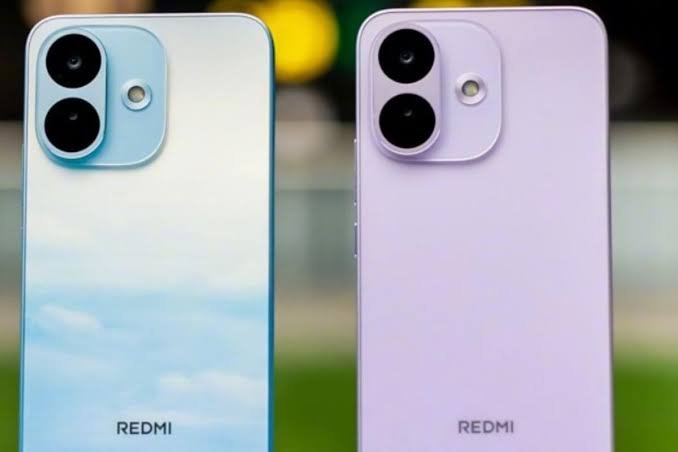
The camera system remains the primary battleground for mid-range dominance. The Redmi Note 17 Pro is projected to utilize a 200-megapixel main sensor, likely the Samsung ISOCELL HP series. However, the true innovation lies in the computational photography pipeline. Xiaomi's Imaging Engine 2.0 uses AI-driven semantic segmentation to process images in real-time, optimizing skin tones, sky colors, and texture details independently. This level of processing power was previously reserved for high-end silicon, but the optimization of HyperOS allows for efficient execution on mid-tier hardware. This technological push is a reflection of broader Stock Market Trends: Strategic Analysis of Global Equities, where tech firms are increasingly valued based on their ability to integrate AI into consumer-facing hardware.
Power Management and Sustainability
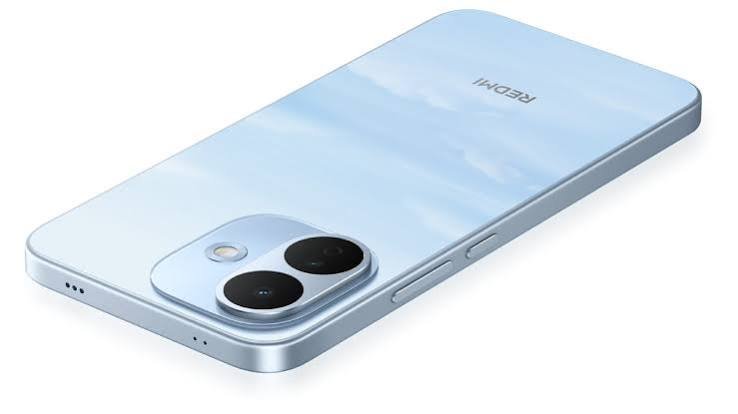
Battery technology in the Redmi Note 17 Pro is expected to focus on longevity rather than just capacity. While a 5000mAh cell is standard, the implementation of 120W HyperCharge technology requires advanced battery management systems (BMS) to prevent degradation. Xiaomi’s Surge P2 and G1 chips are designed to monitor temperature and voltage at a granular level, theoretically extending the battery's health to over 1,000 full charge cycles while maintaining 80 percent capacity. This focus on durability is a direct response to the global push for sustainable electronics and longer device lifespans.
Market Competition and Economic Context
Xiaomi operates in a landscape where the Samsung Galaxy A-series and various BBK Electronics brands (Oppo, Vivo, Realme) compete for the same demographic. The Redmi Note 17 Pro's strategy is to offer a superior specification-to-price ratio. By maintaining thin margins on hardware, Xiaomi aims to monetize its user base through its services ecosystem. This business model is unique compared to luxury-focused brands, as explored in the Dior Luxury Fashion Trends: Strategic Market Analysis, which rely on high-margin exclusivity. Xiaomi’s volume-based strategy ensures that it remains a dominant force in emerging markets like India, Southeast Asia, and Eastern Europe.
What This Means for You: A Consumer Perspective
For the average user, the Xiaomi Redmi Note 17 Pro represents the end of the compromise era. You no longer have to choose between a good camera and a fast processor in the mid-range category. Here is a breakdown of the practical benefits:
- Productivity: The high-resolution display and fast silicon make the device capable of handling complex multitasking and document editing without lag.
- Media Consumption: Support for Dolby Vision and HDR10+ ensures a premium cinematic experience on a handheld device.
- Reliability: The fast charging capabilities mean that a ten-minute charge can provide enough power for several hours of use, reducing range anxiety.
- Ecosystem: If you own other Xiaomi products, the HyperOS integration allows for seamless file sharing and device control.
Expert Verdict and Future Outlook
The Redmi Note 17 Pro is a testament to Xiaomi's engineering maturity. It is no longer just a budget phone; it is a sophisticated piece of technology that challenges the status quo of the industry. As 5G networks become more robust and mobile AI becomes more integrated into our daily routines, the hardware requirements for a satisfactory user experience will continue to rise. Xiaomi is positioning itself to be the provider of the hardware that facilitates this digital transition for the masses. The long-term success of this device will depend on Xiaomi's ability to provide consistent software updates and maintain the privacy standards required by global regulators.
Frequently Asked Questions
1. Does the Redmi Note 17 Pro support expandable storage?
While many manufacturers are removing the microSD slot, Xiaomi has historically kept it in the Redmi Note series. However, the Pro models are increasingly moving toward high-capacity internal storage (up to 512GB) to ensure faster data read/write speeds required by the 200MP camera.
2. Is the 120W charging safe for the battery in the long run?
Yes, the device utilizes dual-cell technology and dedicated charging chips to distribute heat and manage current, significantly reducing the risk of heat-related degradation compared to older fast-charging methods.
3. How does HyperOS differ from the previous MIUI?
HyperOS is built on a more modular architecture, designed to be lighter and faster. It focuses on cross-device connectivity, allowing the phone to interact more fluidly with Xiaomi tablets, laptops, and smart home devices.
4. Will the Redmi Note 17 Pro be water-resistant?
Industry trends suggest an IP54 or IP68 rating, providing protection against dust and water splashes, which is a significant upgrade for the durability of the series.
5. What is the expected price bracket for this device?
Based on historical pricing and inflation adjustments, the device is expected to sit between 350 and 450 dollars, depending on the region and storage configuration.
Conclusion: Strategic Takeaway
The Xiaomi Redmi Note 17 Pro is more than a mere iterative update; it is a strategic assertion of market dominance. By blending high-end imaging, advanced power management, and a unified software ecosystem, Xiaomi is successfully bridging the gap between the mid-range and the flagship. For consumers and investors alike, the device serves as a benchmark for what is possible when manufacturing efficiency meets aggressive technological innovation. In an era of economic caution, providing this level of value is not just a marketing tactic; it is a sustainable growth strategy for the future of mobile telecommunications.





Comments 0
Leave a Reply
Your email address will not be published. Required fields are marked *
Be the first to share your thoughts!