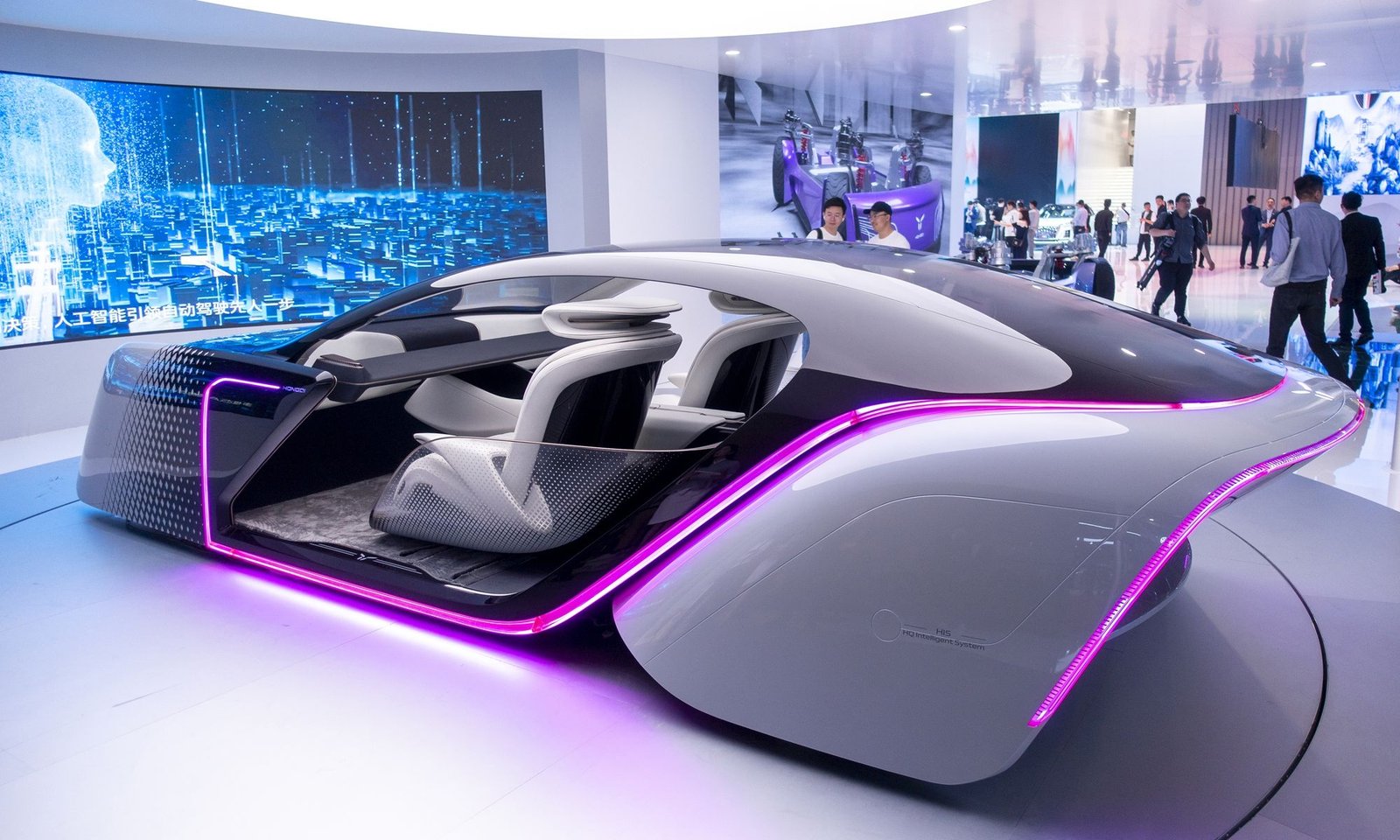
10 Future Cars That Will Change the Automotive Industry
The automotive industry is going through a major transformation.
The automotive industry is shifting toward electric vehicles, software-based systems, and advanced mobility technologies. They are becoming smarter, cleaner, and more connected. Electric power, advanced software, and innovative designs are reshaping how we think about driving. Technologies such as autonomous driving and electric SUVs are now in active development and early production stages. And the next wave of vehicles could take things even further.
Here are 10 upcoming and concept vehicles that reflect the direction of the automotive industry.
1. Tesla Next-Generation Vehicle
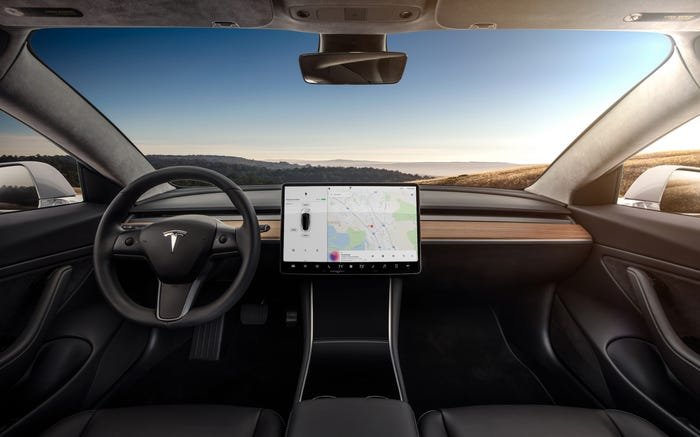
Tesla continues to lead innovation in electric vehicles.
The company is expected to introduce a next-generation model focused on affordability and advanced software features.
Expected highlights include:
Improved battery efficiency
Advanced driver assistance systems
Minimalist interior design
Tesla’s approach could make electric cars more accessible to everyday drivers.
2. Apple Car (Concept)
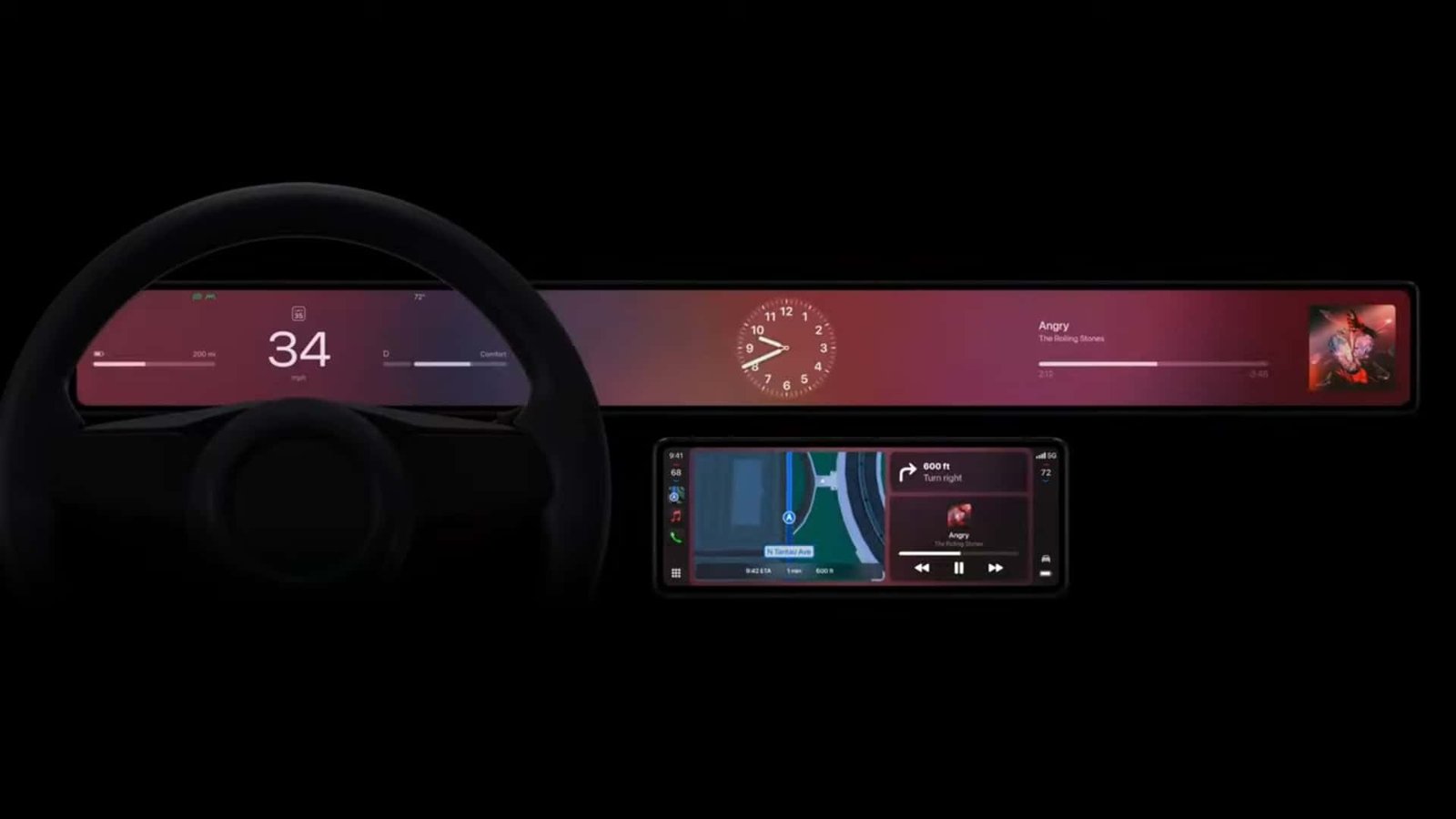
Although still a concept, the idea of an Apple-designed car has generated huge interest.
The focus is expected to be on seamless integration between hardware and software.
Possible features include:
Fully digital ecosystem integration
Autonomous driving capabilities
Simplified user interface
If released, it could redefine how drivers interact with their vehicles.
3. Porsche Mission X
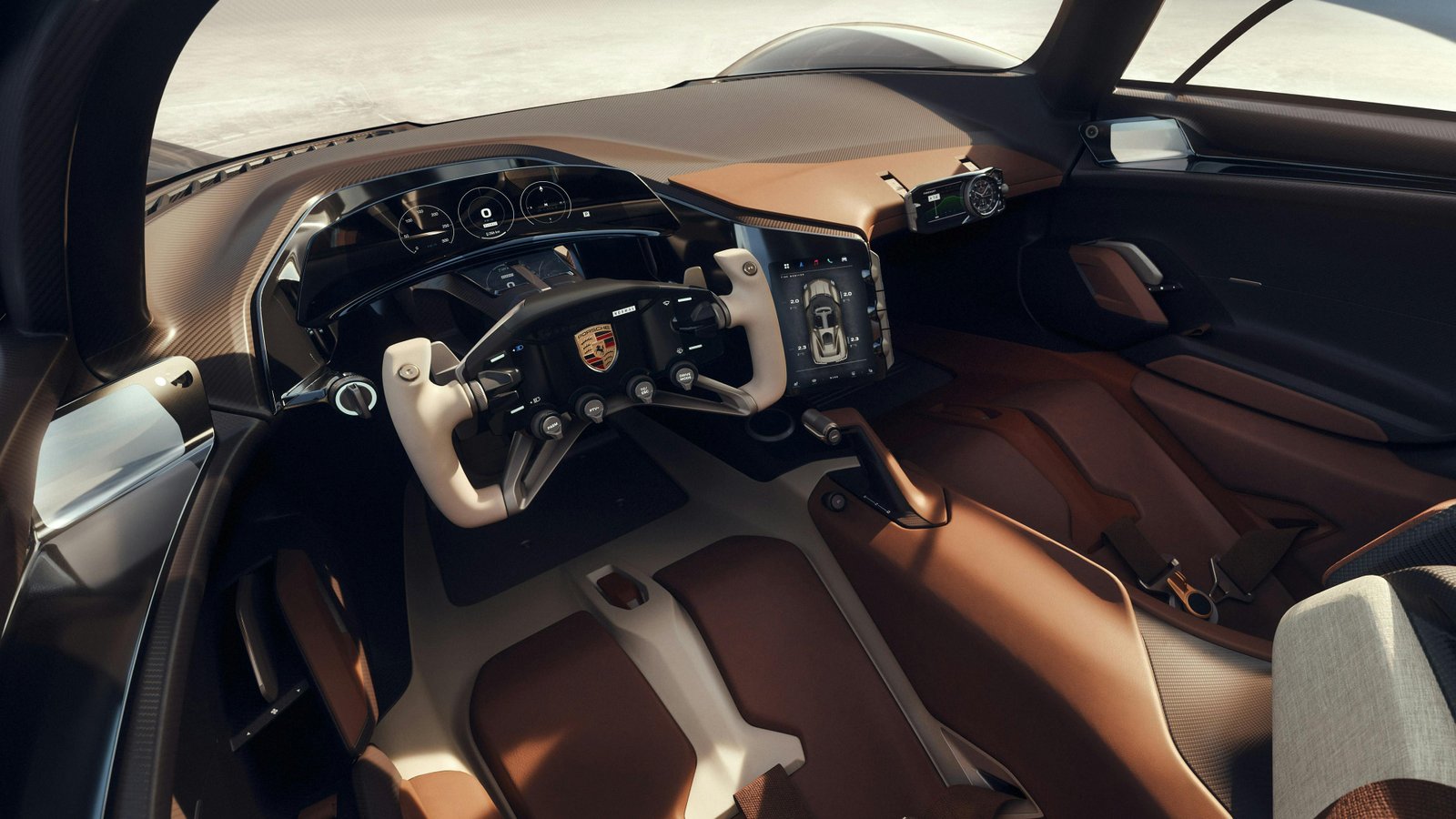
The Porsche Mission X represents the future of electric performance cars.
This concept focuses on extreme speed, lightweight design, and advanced aerodynamics.
Highlights include:
High-performance electric motors
Advanced battery cooling systems
Track-focused design
It shows how electric cars can compete with traditional supercars.
4. Mercedes-Benz Vision EQXX
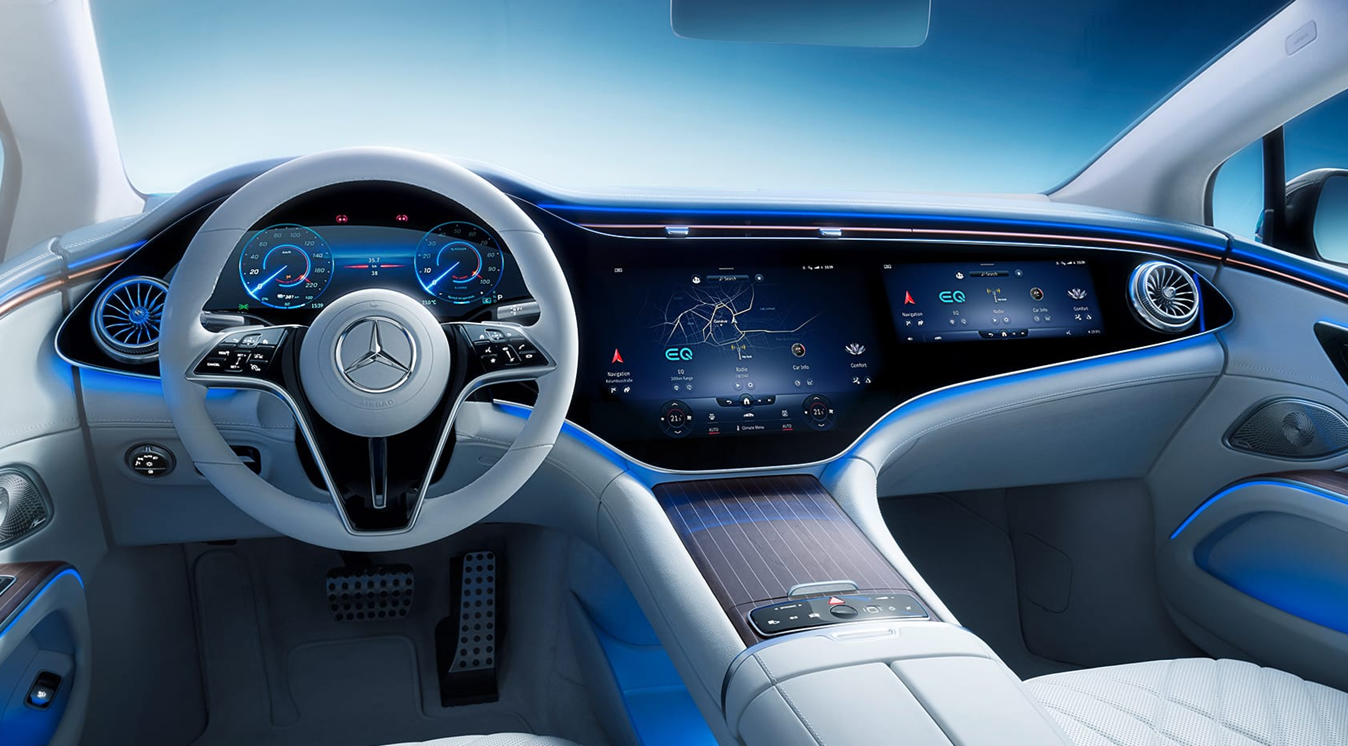
Mercedes-Benz is focusing on efficiency with the Vision EQXX.
This concept car is designed to travel extremely long distances on a single charge.
Key features include:
Ultra-efficient battery system
Lightweight construction
Advanced aerodynamics
It highlights the future of long-range electric travel.
5. BMW Vision Neue Klasse
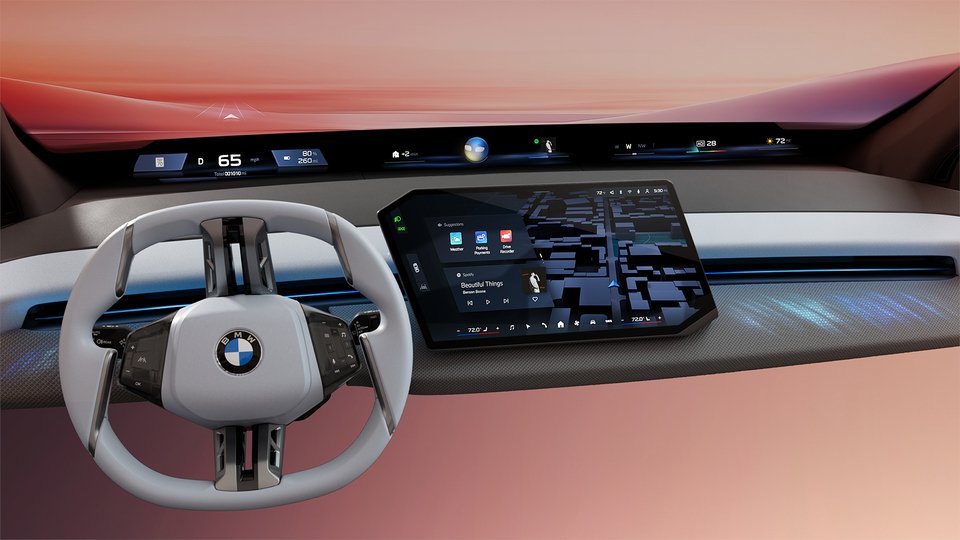
BMW’s Vision Neue Klasse is shaping the brand’s future.
This concept introduces a new electric platform focused on efficiency and digital innovation.
Expected features include:
Next-generation battery technology
Smart digital interface
Sustainable materials
It represents BMW’s direction for future vehicles.
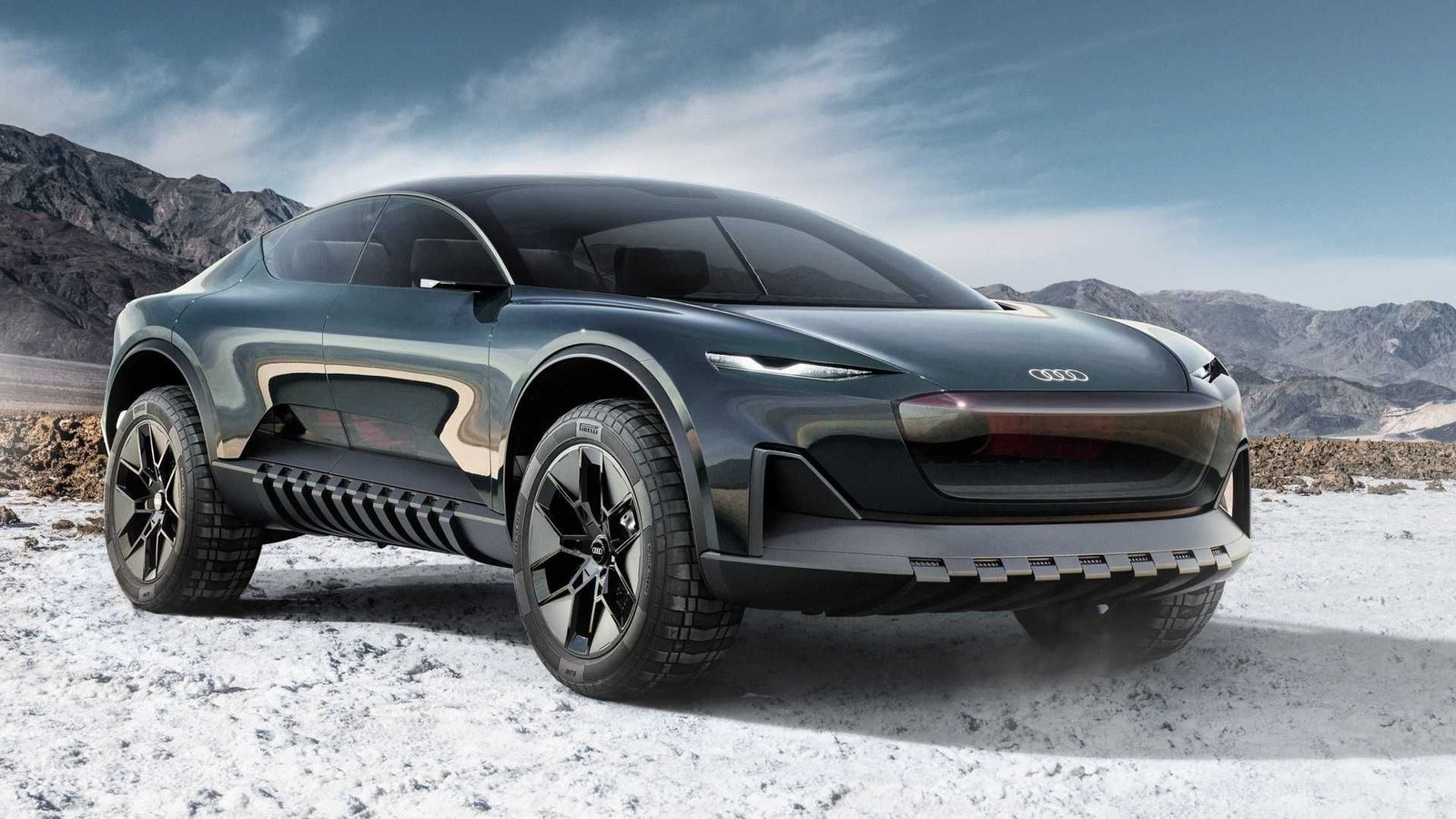
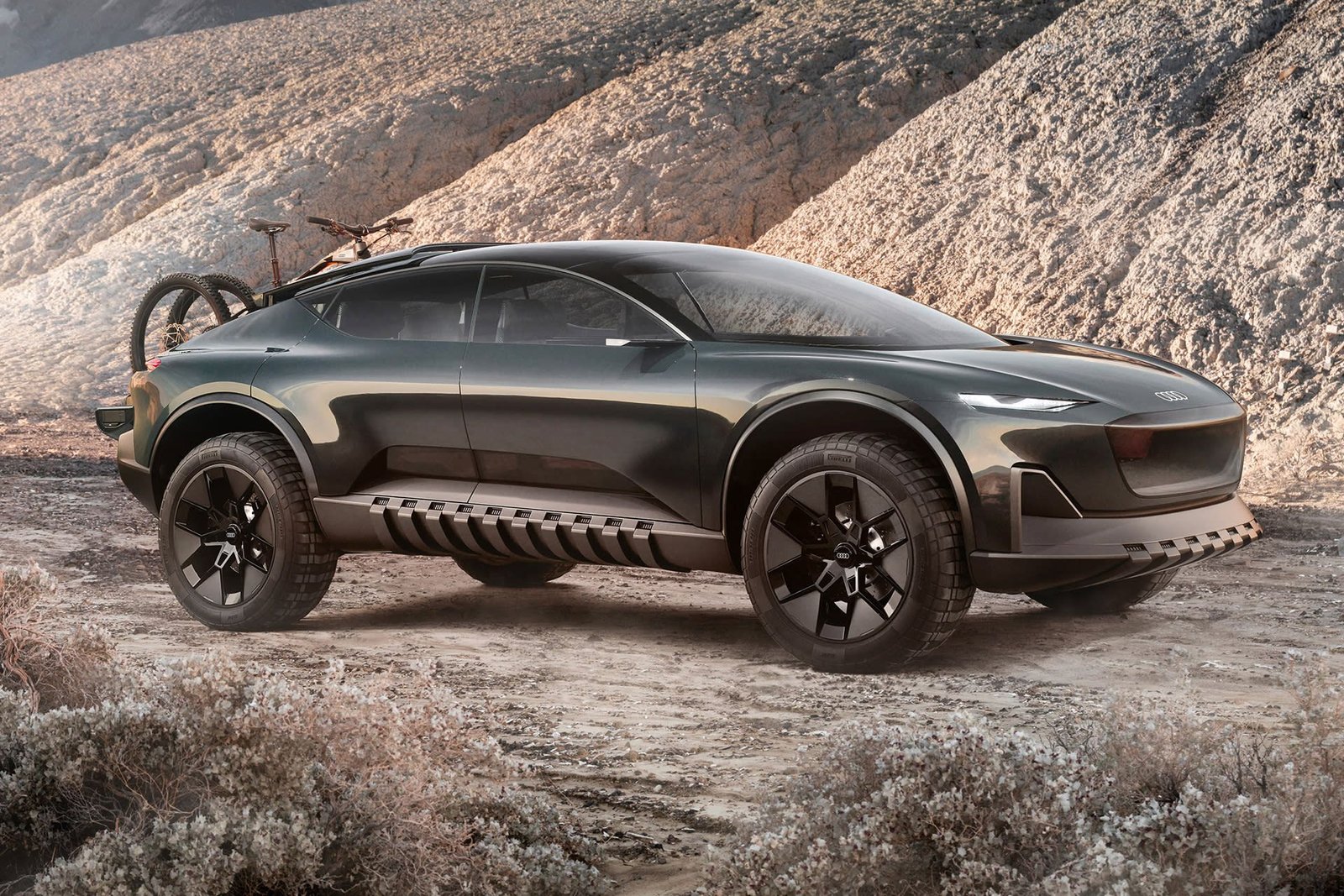
6. Audi Activesphere Concept
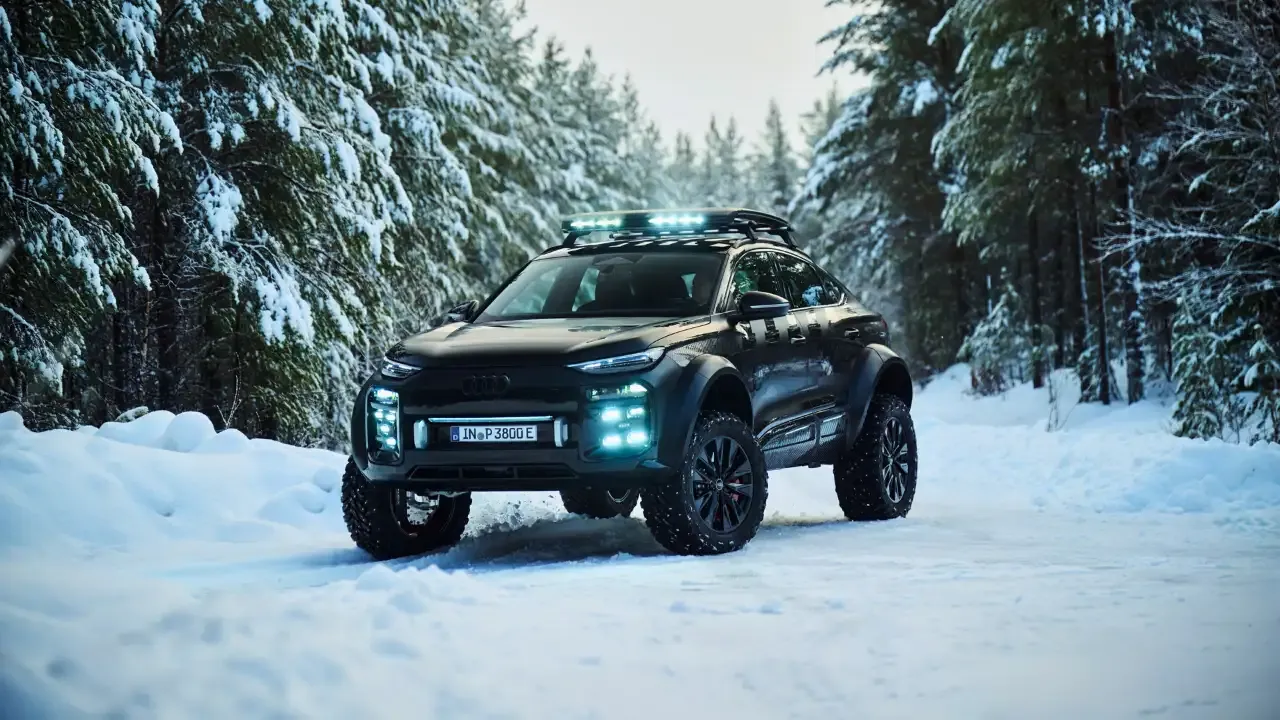
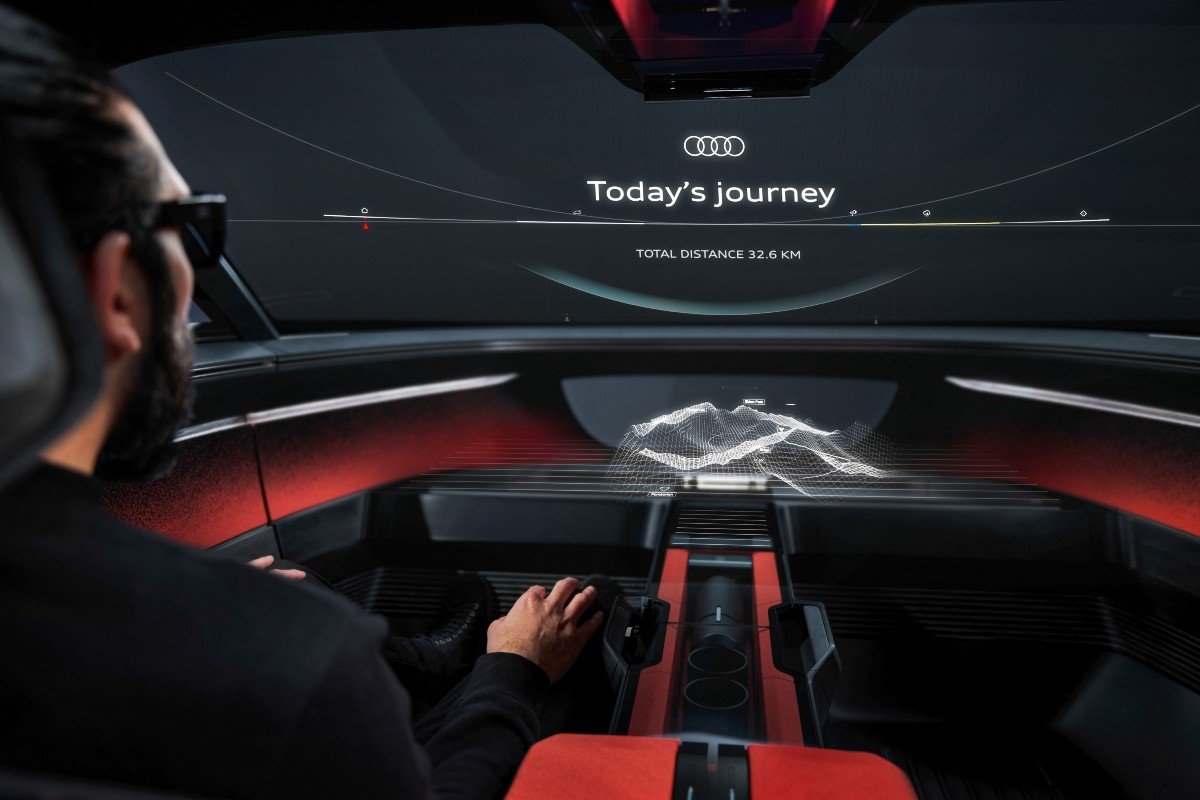 Audi’s Activesphere concept blends luxury with off-road capability.
This futuristic vehicle is designed for both city driving and outdoor adventures.
Highlights include:
Adjustable ride height
Augmented reality displays
Electric powertrain
It shows how SUVs may evolve in the future.
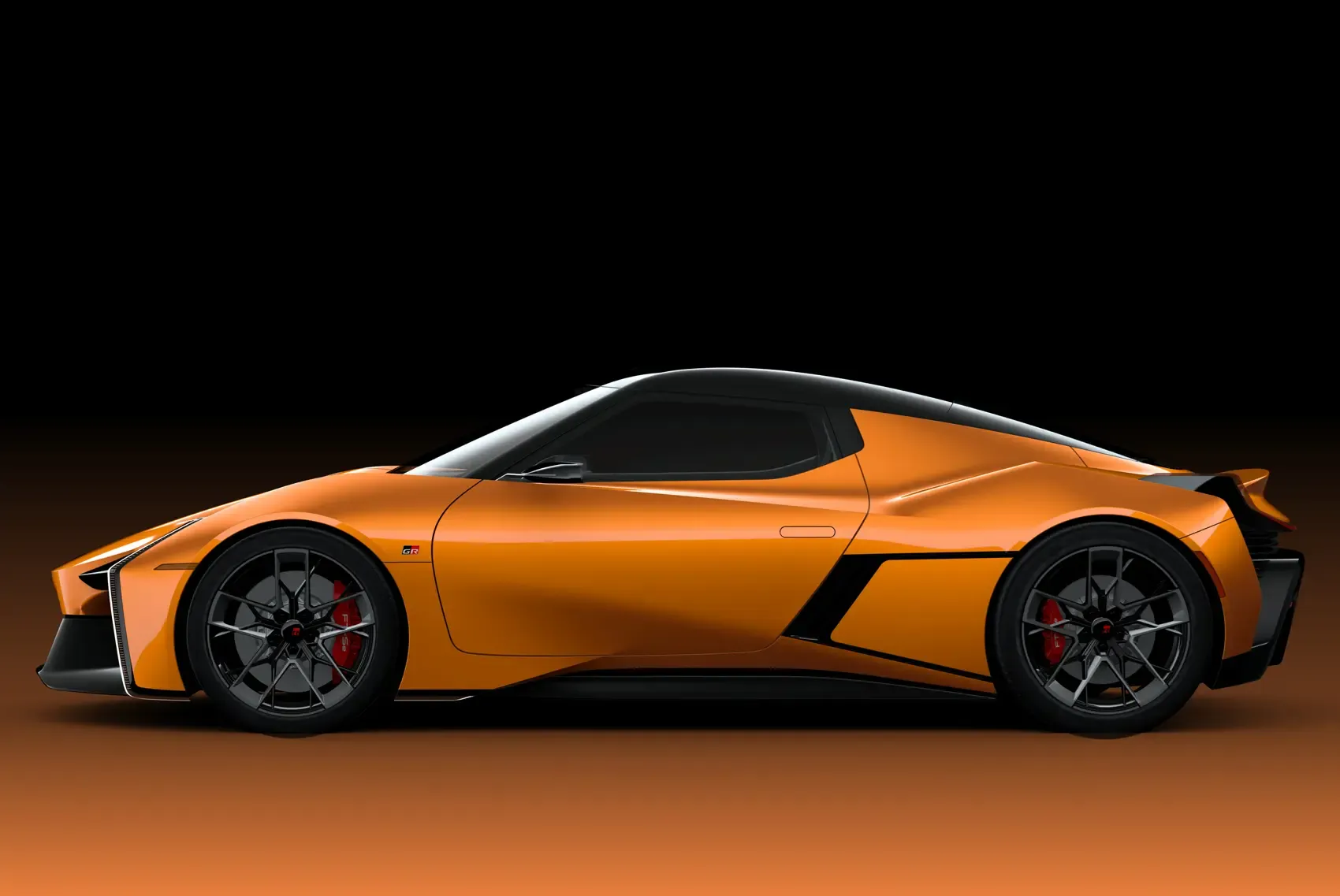
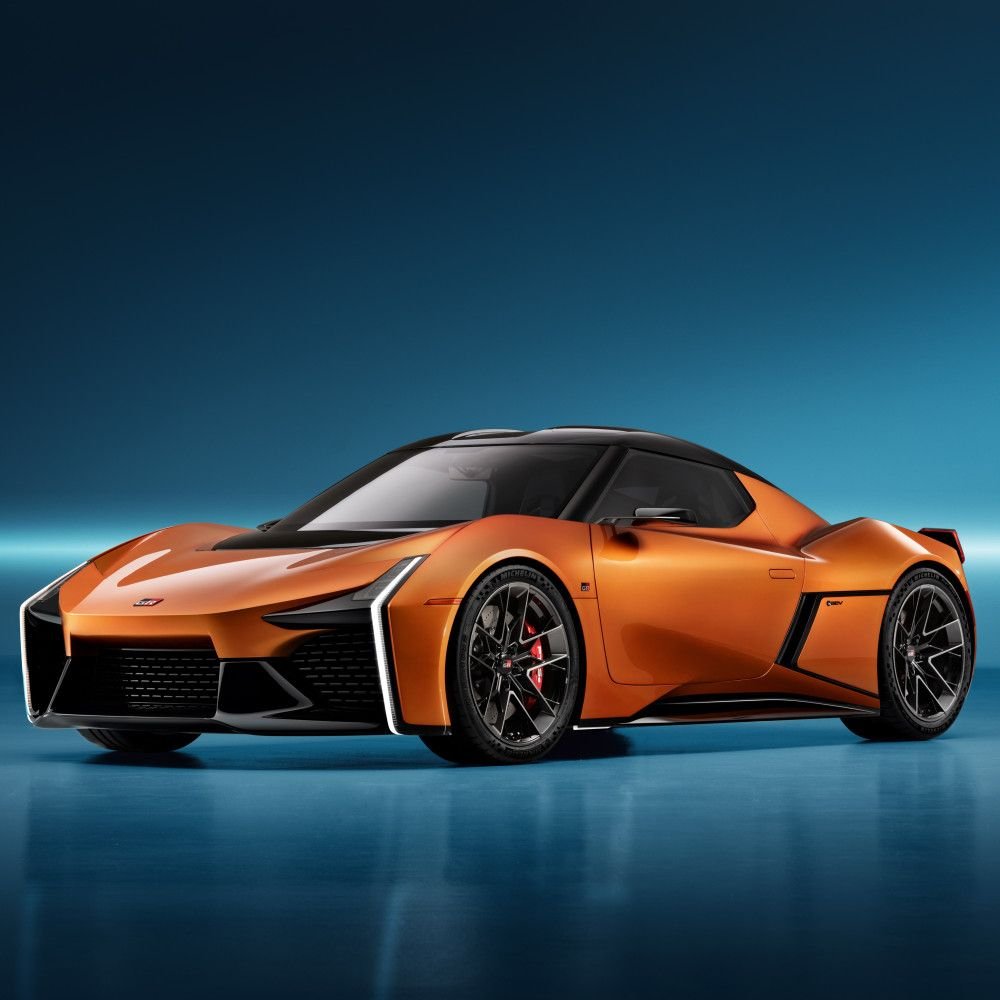
7. Toyota FT-Se Electric Sports Car
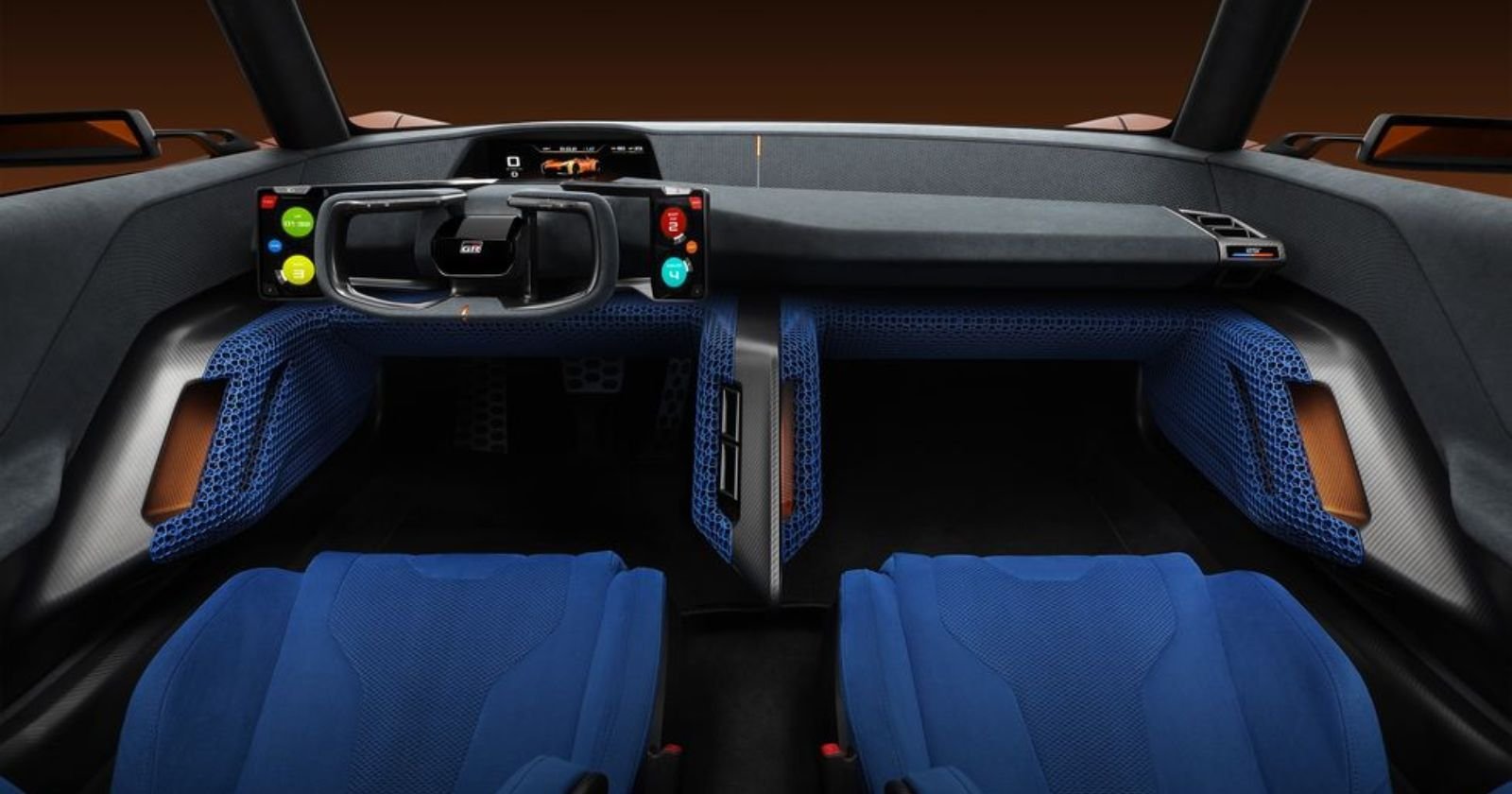
Toyota is exploring the future of performance EVs with the FT-Se concept.
This sports car combines electric power with a driver-focused experience.
Expected highlights:
Lightweight design
Advanced battery placement
Performance-focused handling
It proves that electric cars can still be fun to drive.
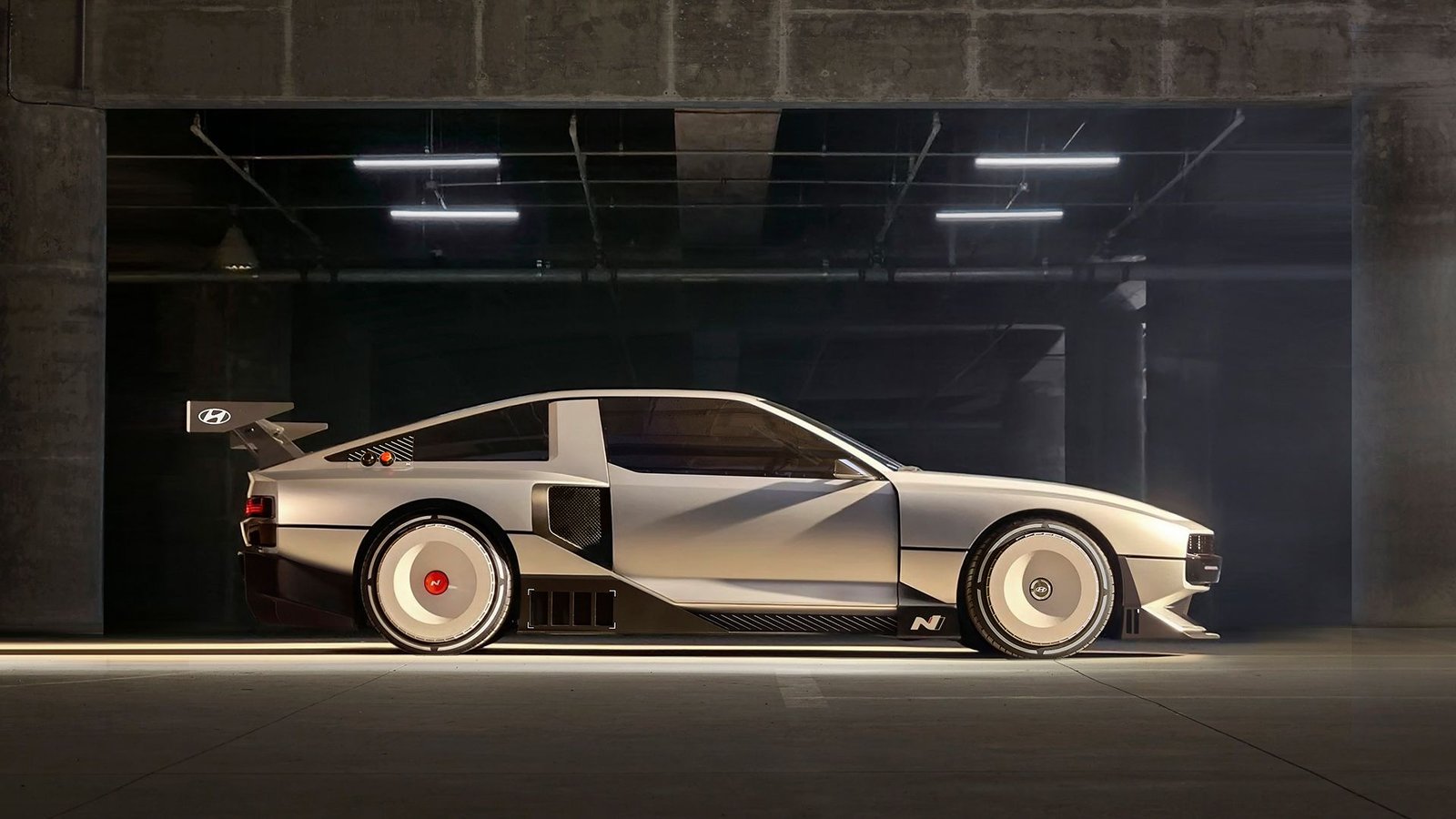
8. Hyundai N Vision 74
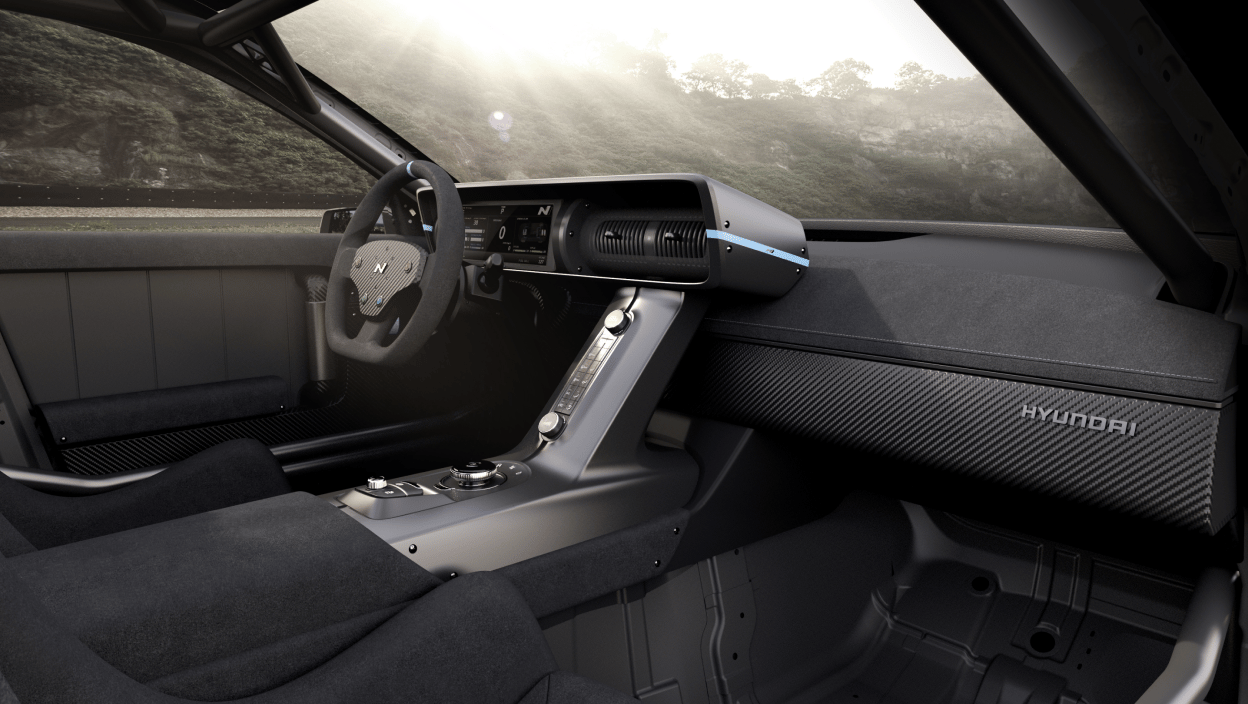
The Hyundai N Vision 74 blends retro styling with future technology.
It uses a combination of hydrogen fuel cells and electric power.
Key features include:
Hybrid hydrogen-electric system
Retro-inspired design
High-performance capability
This concept shows alternative paths beyond traditional battery EVs.
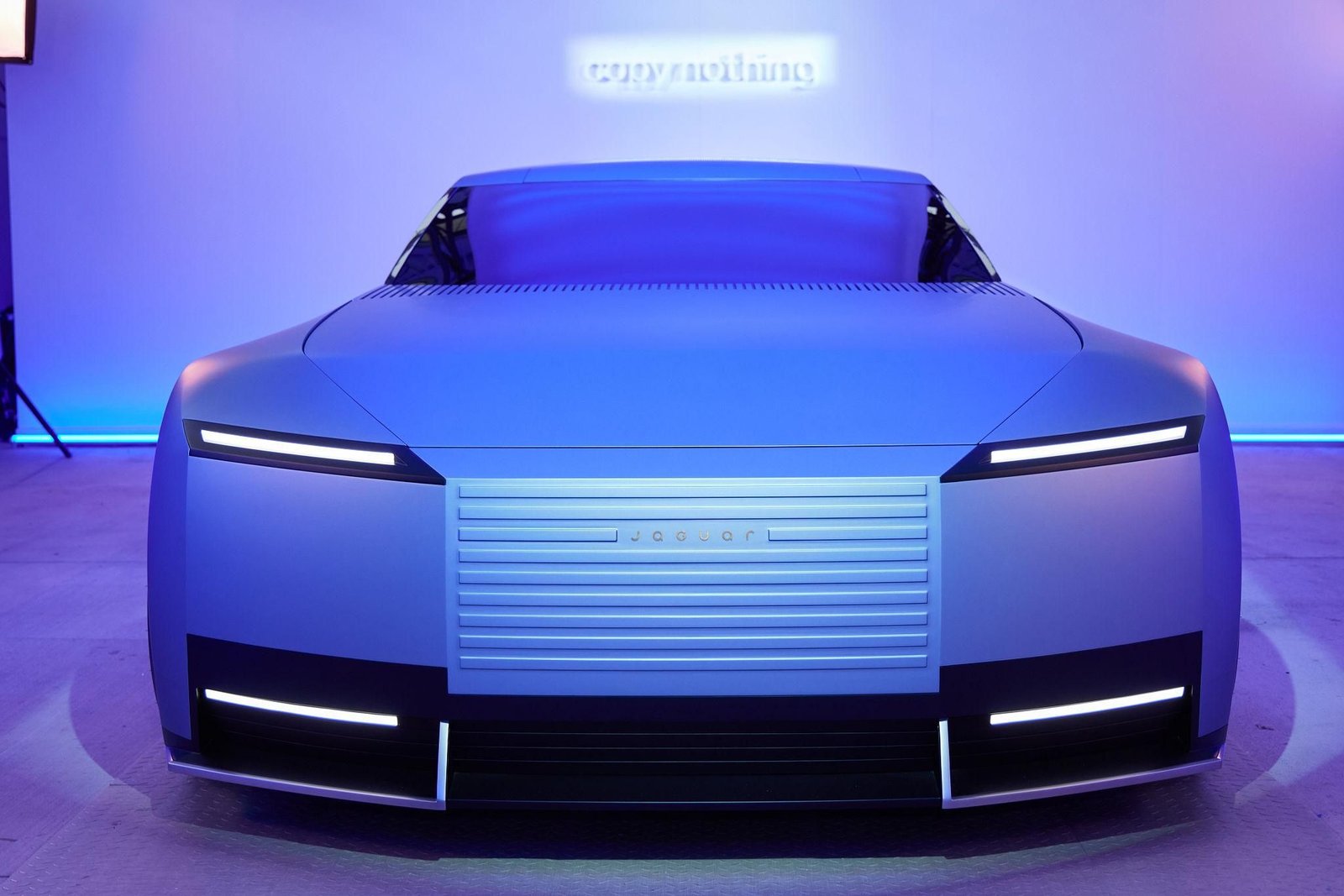
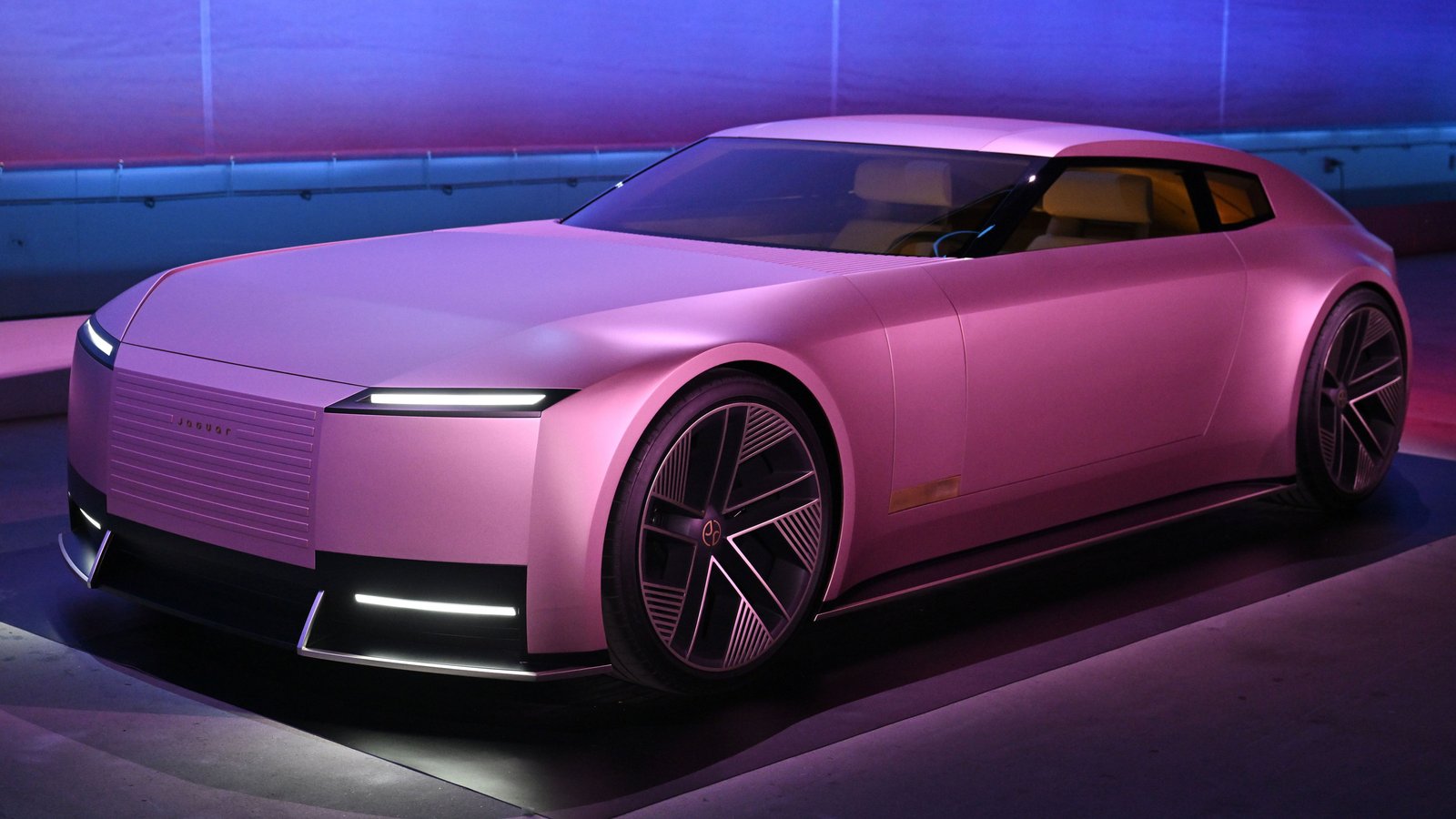
9. Jaguar Type 00 Electric Concept
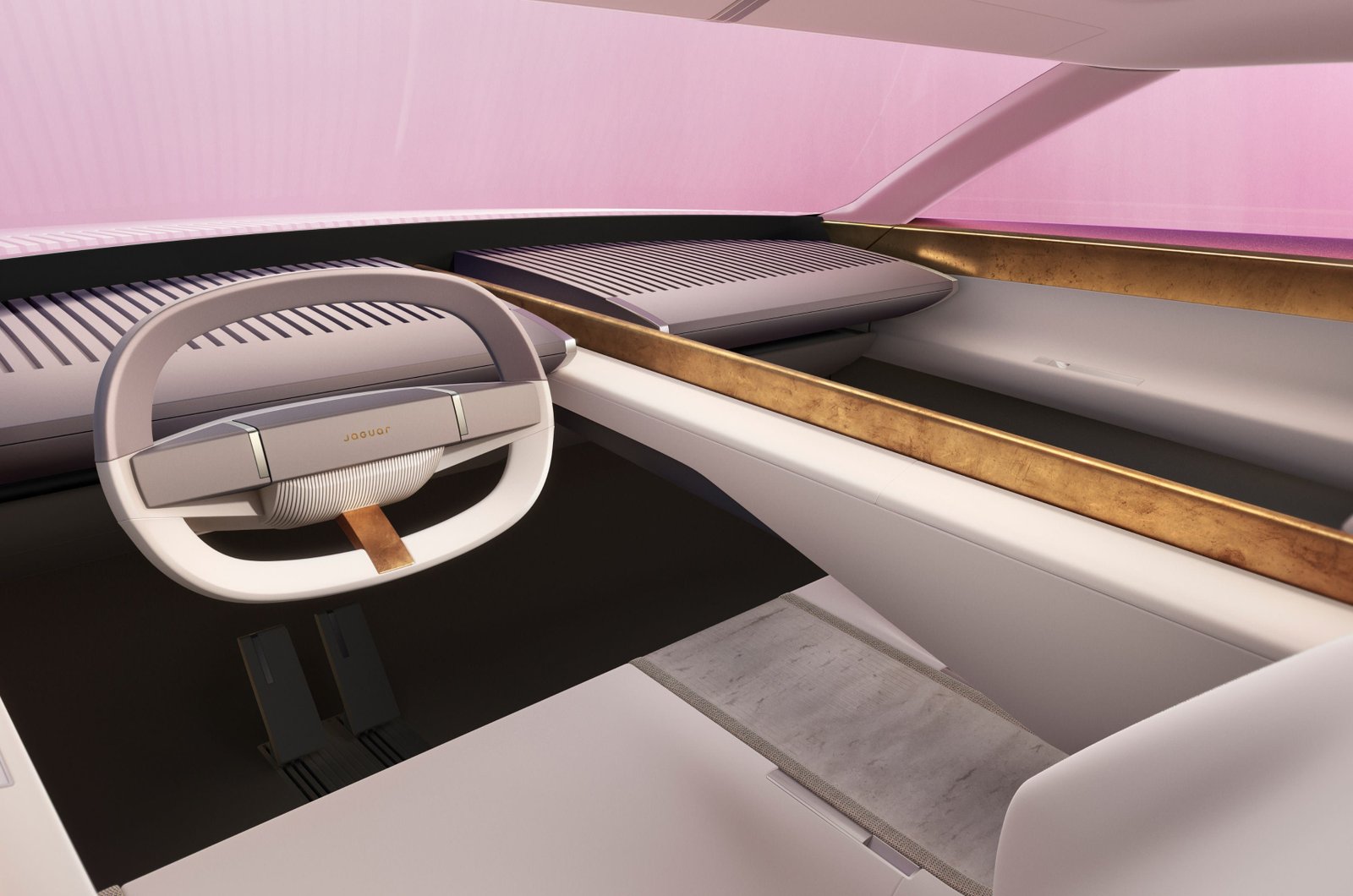
Jaguar is preparing a complete transformation toward electric vehicles.
The Type 00 concept hints at a bold and futuristic design direction.
Possible highlights include:
Sleek aerodynamic styling
Luxury-focused interior
Electric performance
It represents a new era for the brand.
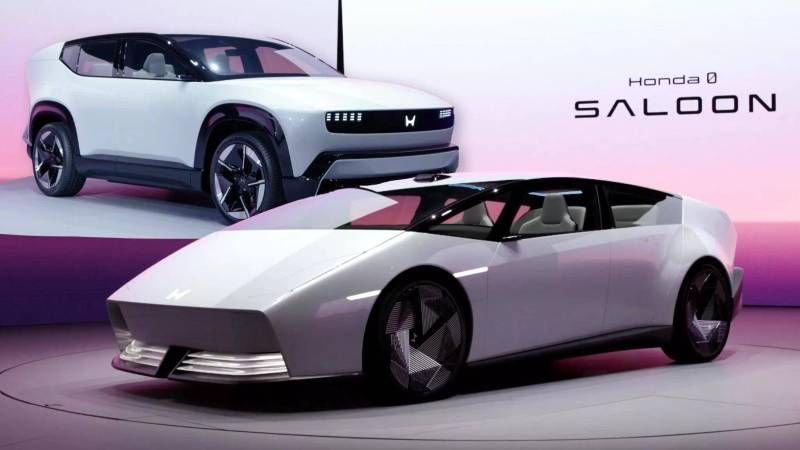
10. Honda 0 Series EV
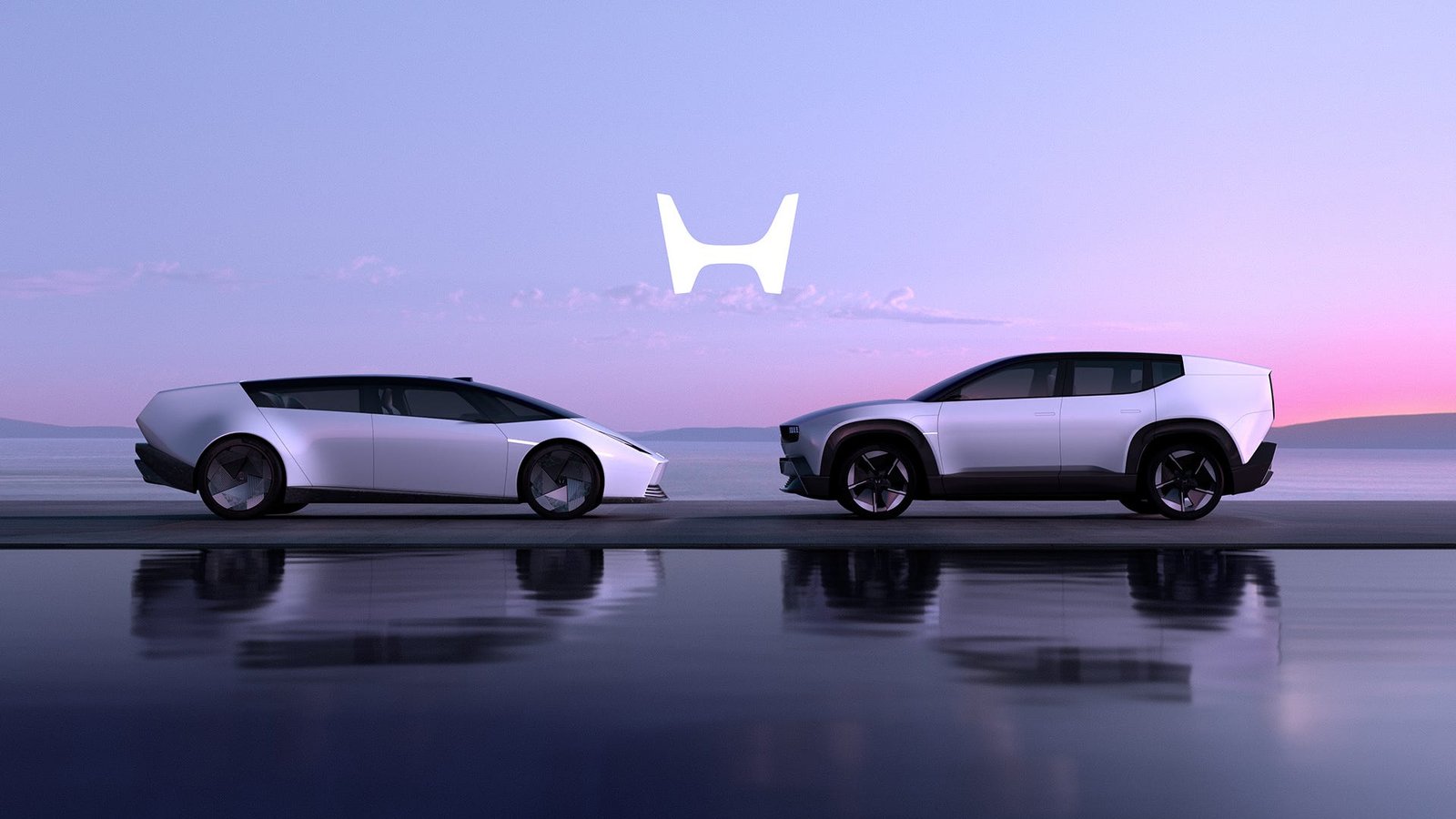
Honda’s 0 Series EV focuses on simplicity and efficiency.
The concept emphasizes lightweight design and smart engineering.
Expected features include:
Efficient battery system
Minimalist design
Smart digital interface
It shows how future cars may become simpler yet more advanced.
Why These Future Cars Matter
These vehicles are more than just concepts.
They represent key trends shaping the automotive industry:
Electric mobility
Advanced software and connectivity
Sustainable materials
Autonomous driving technology
Together, these innovations are changing how vehicles are designed and used.
Real-Life Example: Everyday Driving in the Future
Future vehicles are expected to include features such as automated driving assistance, smart climate control, and integrated navigation systems.
Pros and Cons of Future Cars
Pros
Cleaner transportation
Electric vehicles reduce emissions.
Advanced technology
Future cars include smarter safety and driving features.
Lower running costs
Electric vehicles often require less maintenance.
Cons
High initial cost
Advanced technology can increase purchase price.
Infrastructure challenges
Charging and hydrogen networks are still developing.
Learning curve
New technology may take time for drivers to understand.
Expert Perspective
Automotive experts believe the industry is entering one of its most important transitions.
Electric vehicles, digital systems, and new energy solutions are reshaping how cars are built and used. Manufacturers are investing heavily in research and development to stay competitive.
In the coming years, innovation will likely focus on efficiency, connectivity, and sustainability.
Why Trust This Information?
The insights in this article are based on concept vehicle reveals, manufacturer announcements, and analysis from established automotive publications. Industry experts closely monitor auto shows, prototype testing, and company roadmaps to identify the most important innovations shaping the future of transportation.
While some concept vehicles may not reach production exactly as shown, they reflect the direction automakers are taking. These models represent technologies and design ideas that are expected to influence real-world vehicles in the coming years.
Frequently Asked Questions (FAQ)
What are future cars?
Future cars refer to vehicles designed with advanced technology such as electric powertrains, autonomous driving, and smart connectivity.
Will all future cars be electric?
Most future vehicles are expected to be electric, but hybrid and hydrogen-powered cars may also play a role.
Are self-driving cars coming soon?
Self-driving technology is developing quickly, but full autonomy may take more time.
Are future cars expensive?
Some advanced vehicles may be expensive initially, but costs may decrease over time.
Why are automakers focusing on electric vehicles?
Electric vehicles help reduce emissions and improve efficiency, making them a key focus for the future.
Conclusion
The future of cars is evolving faster than ever before.
From electric hypercars to smart SUVs and innovative concepts, the next generation of vehicles promises exciting changes. Technology, sustainability, and design are all moving forward together.
For drivers, this means more options, better performance, and a completely new driving experience.
These upcoming vehicles reflect the automotive industry’s shift toward electrification, connectivity, and sustainability.
Related Media
Image Gallery





Comments 0
Leave a Reply
Your email address will not be published. Required fields are marked *
Be the first to share your thoughts!