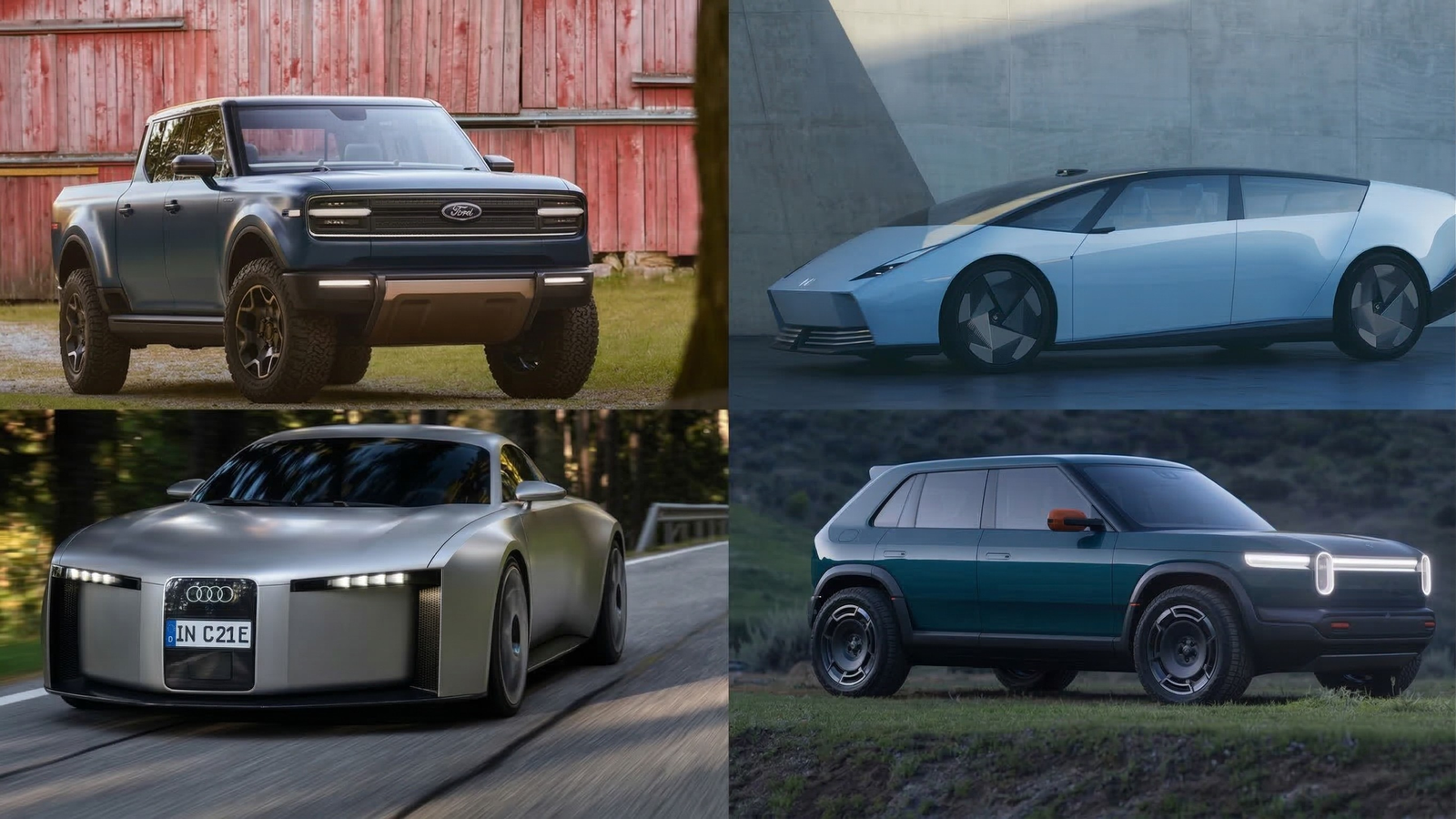
Best Electric Cars Coming in 2026: Future of Driving
Electric vehicles are becoming an increasingly important part of the global automotive industry as manufacturers shift toward cleaner and more efficient transportation.A few years ago, electric cars were still relatively uncommon, but their presence has grown significantly in many countries in recent years.
Today, they are everywhere. From city streets in London to highways in California and suburban neighborhoods in Canada or Australia, more drivers are switching to electric mobility.
And the next wave of electric cars could be even more impressive.
Automakers are preparing new EV models for 2026 that promise longer driving ranges, faster charging, smarter software, and more exciting designs. Some of these vehicles will focus on luxury and performance, while others aim to make electric driving more affordable for everyday families.
If you’re thinking about buying an EV in the future, these upcoming models are worth paying attention to.
Below are some electric vehicles that are expected to attract attention in the upcoming automotive lineup. and why they matter for the future of driving.
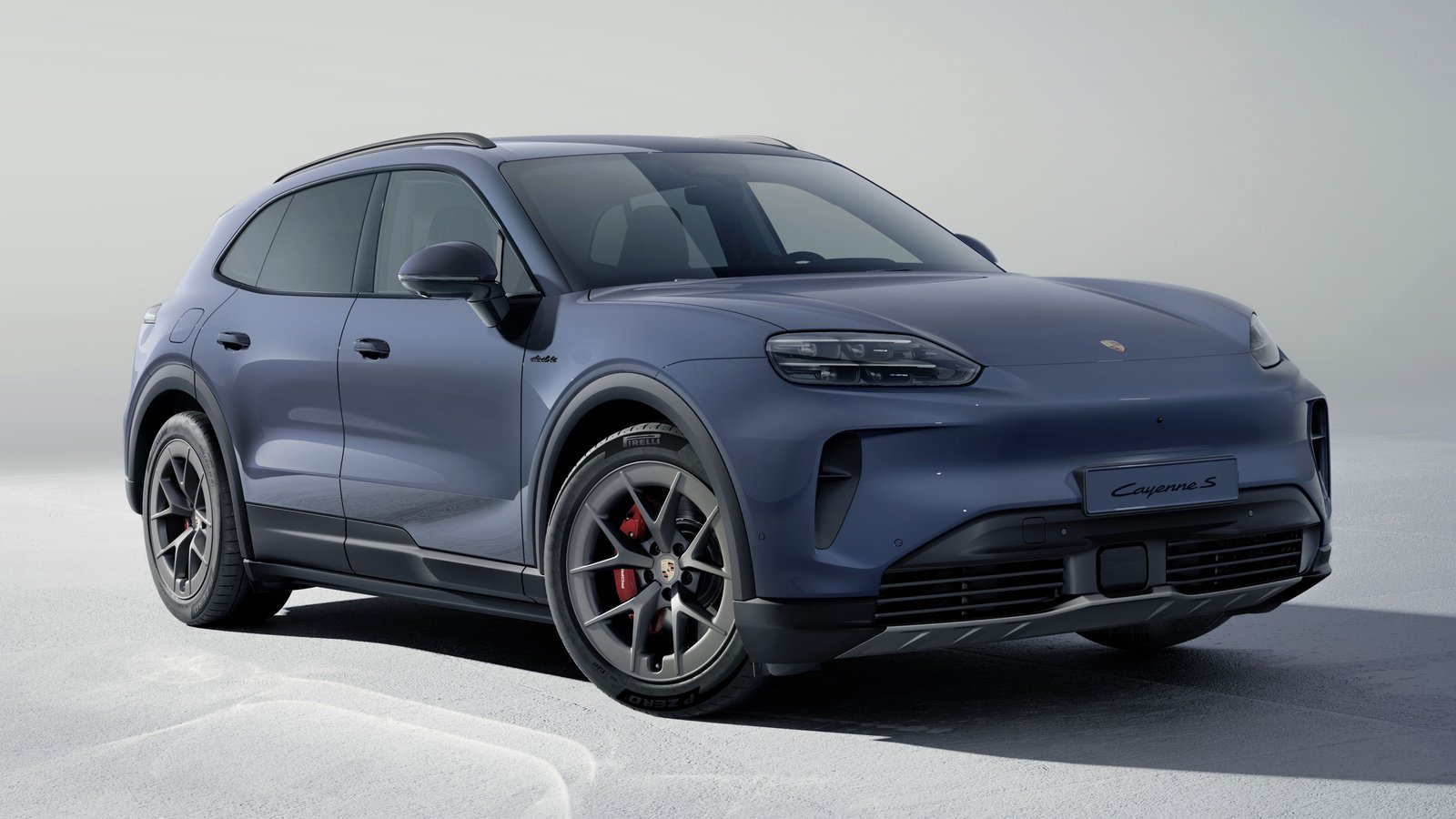
Porsche Cayenne Electric
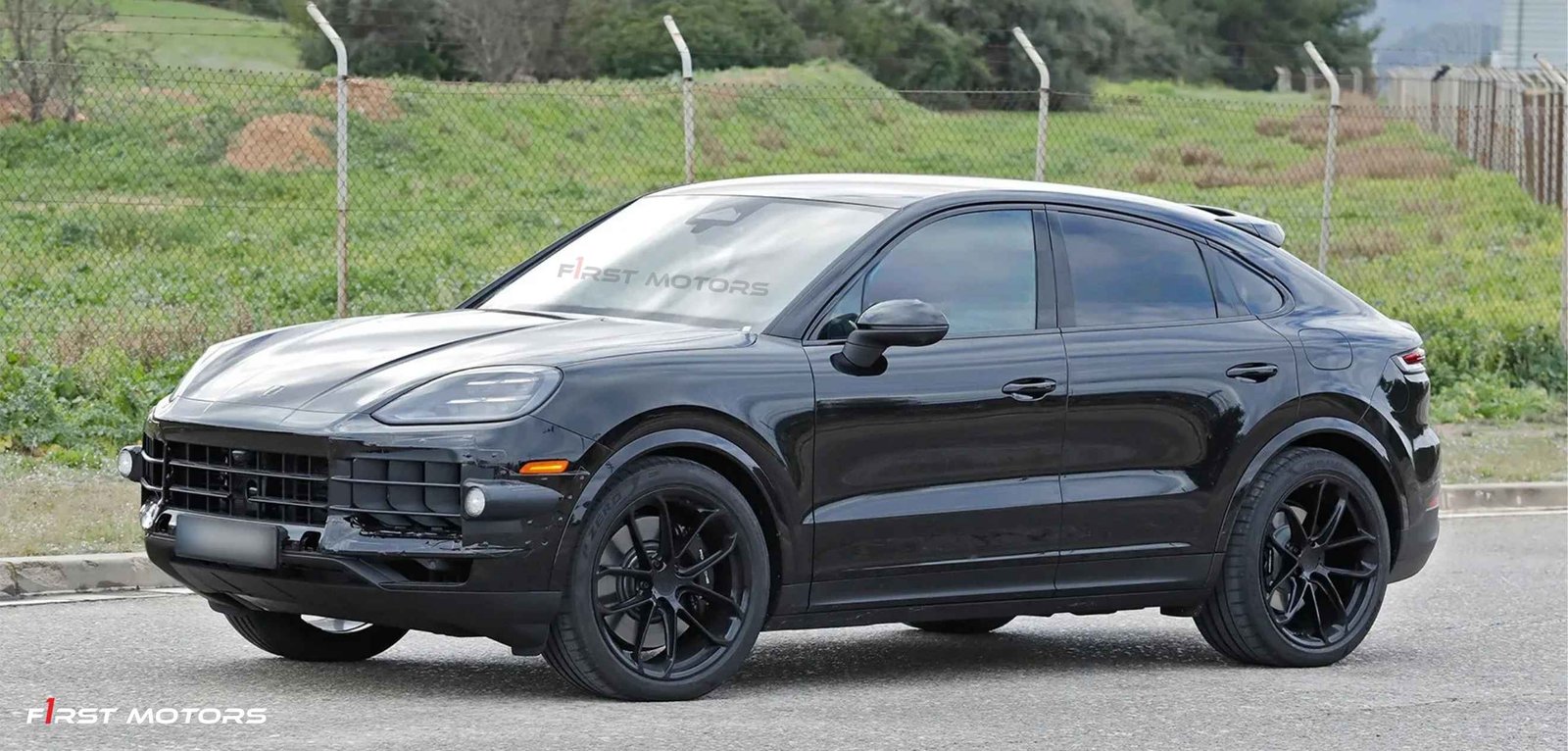 Porsche has built its reputation on performance and driving excitement. Now the company is bringing that same energy into the electric world.
The Porsche Cayenne Electric is expected to combine the practicality of a luxury SUV with the instant acceleration electric motors provide.
These models are expected to include features such as:
High-performance electric motors
Rapid charging capability
Advanced driving technology
For drivers who want both luxury and speed, this electric SUV could become one of the most exciting launches in 2026.
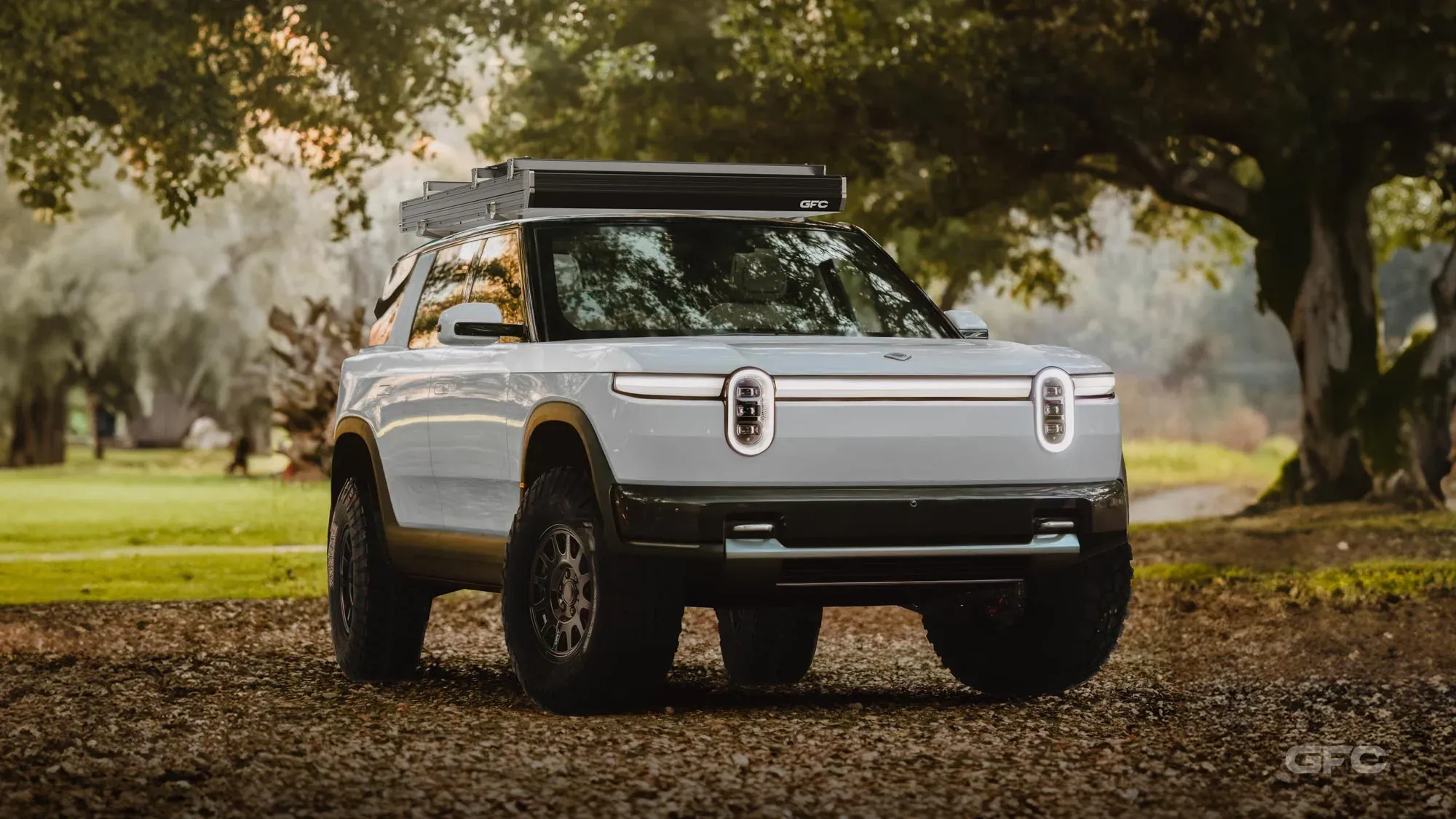
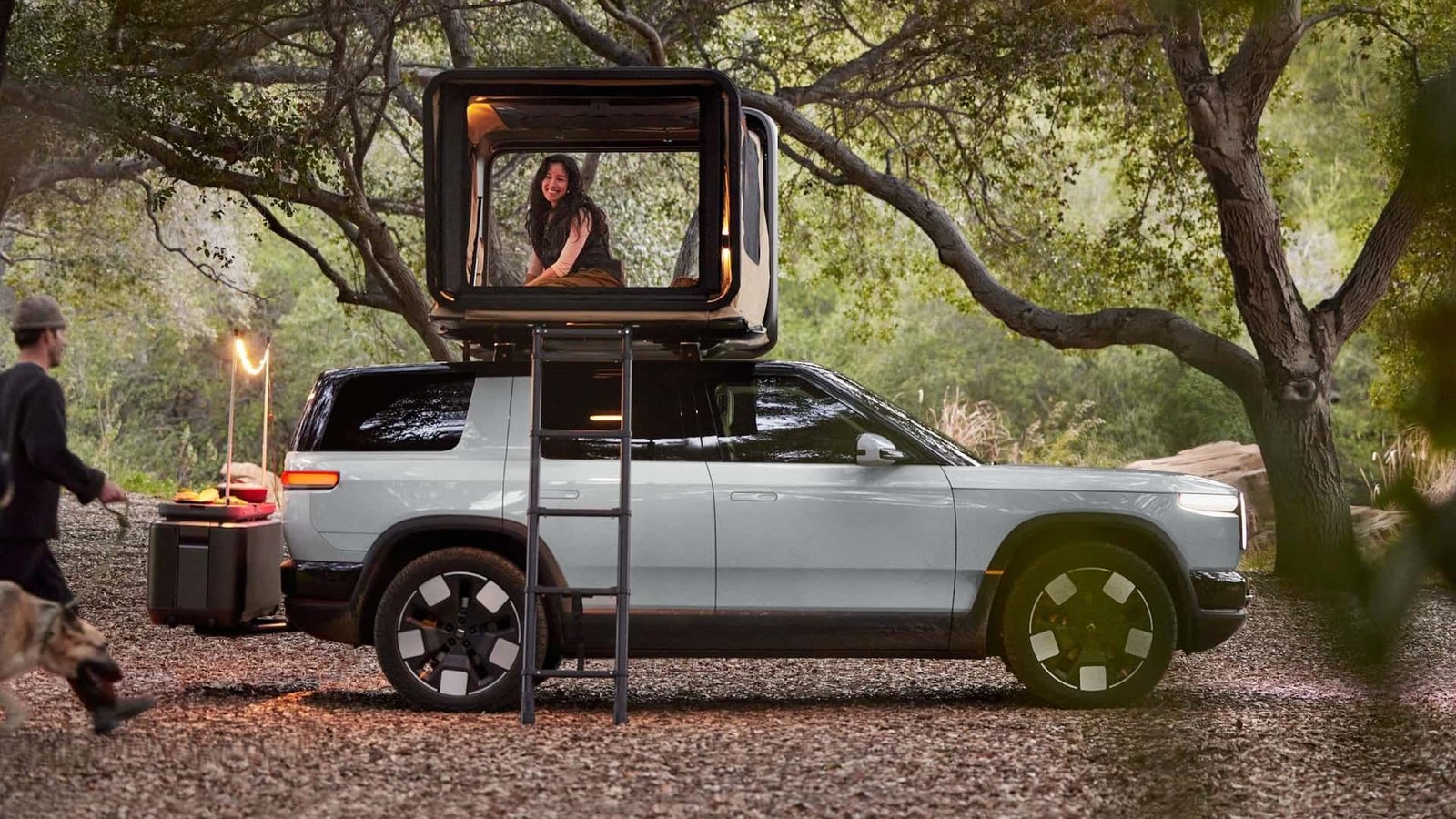
Rivian R2
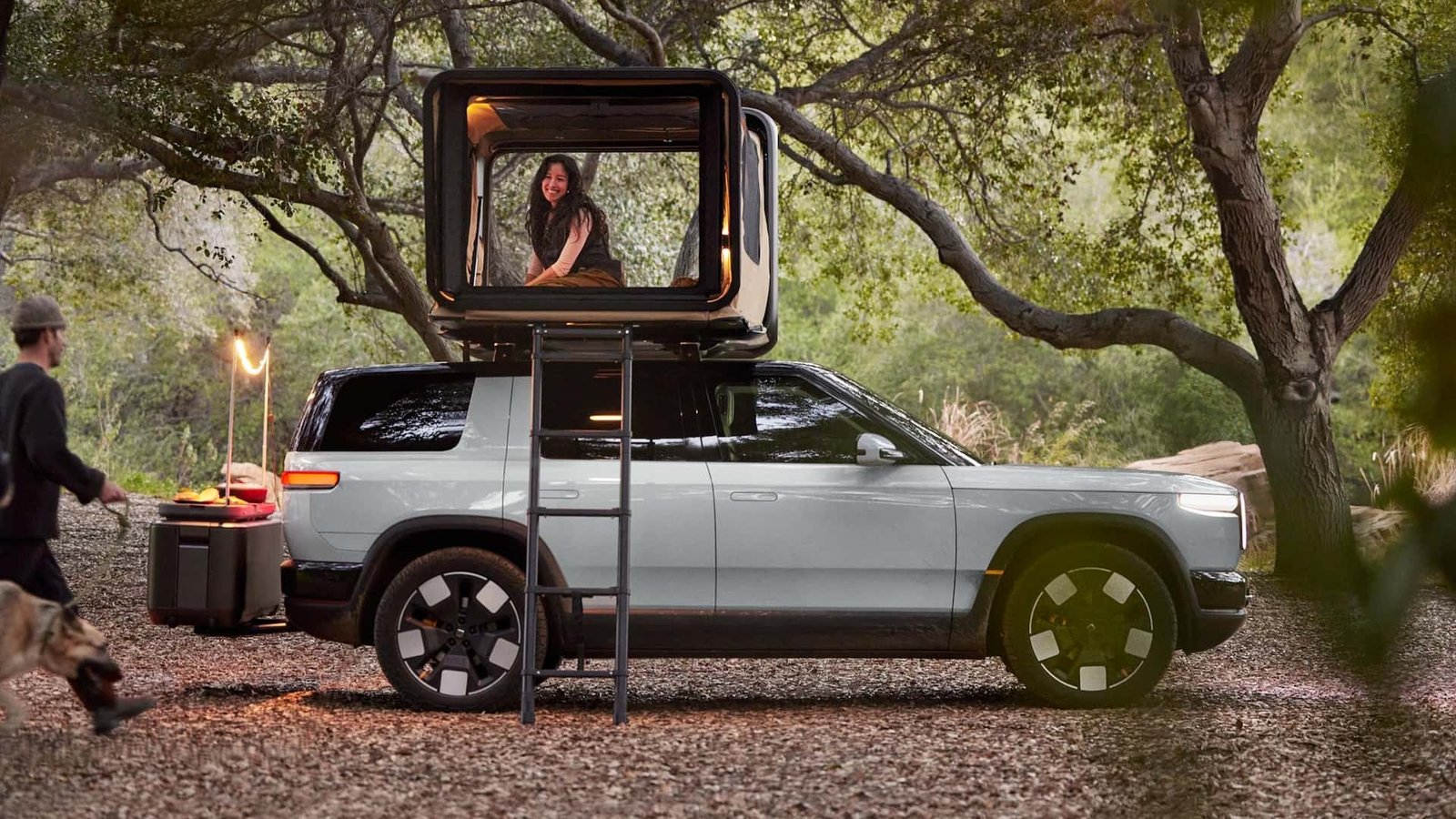 Rivian gained attention with its rugged electric trucks and SUVs. Now the company is preparing the Rivian R2, a smaller and mor affordable model.
This SUV is designed for drivers who enjoy outdoor adventures but still want the benefits of electric driving.
Expected features include:
Around 300 miles of driving range
Strong off-road capability
Advanced driver-assistance technology
For road trips, camping, or weekend getaways, the R2 could become a very practical electric SUV.
BMW iX3 (Next Generation)
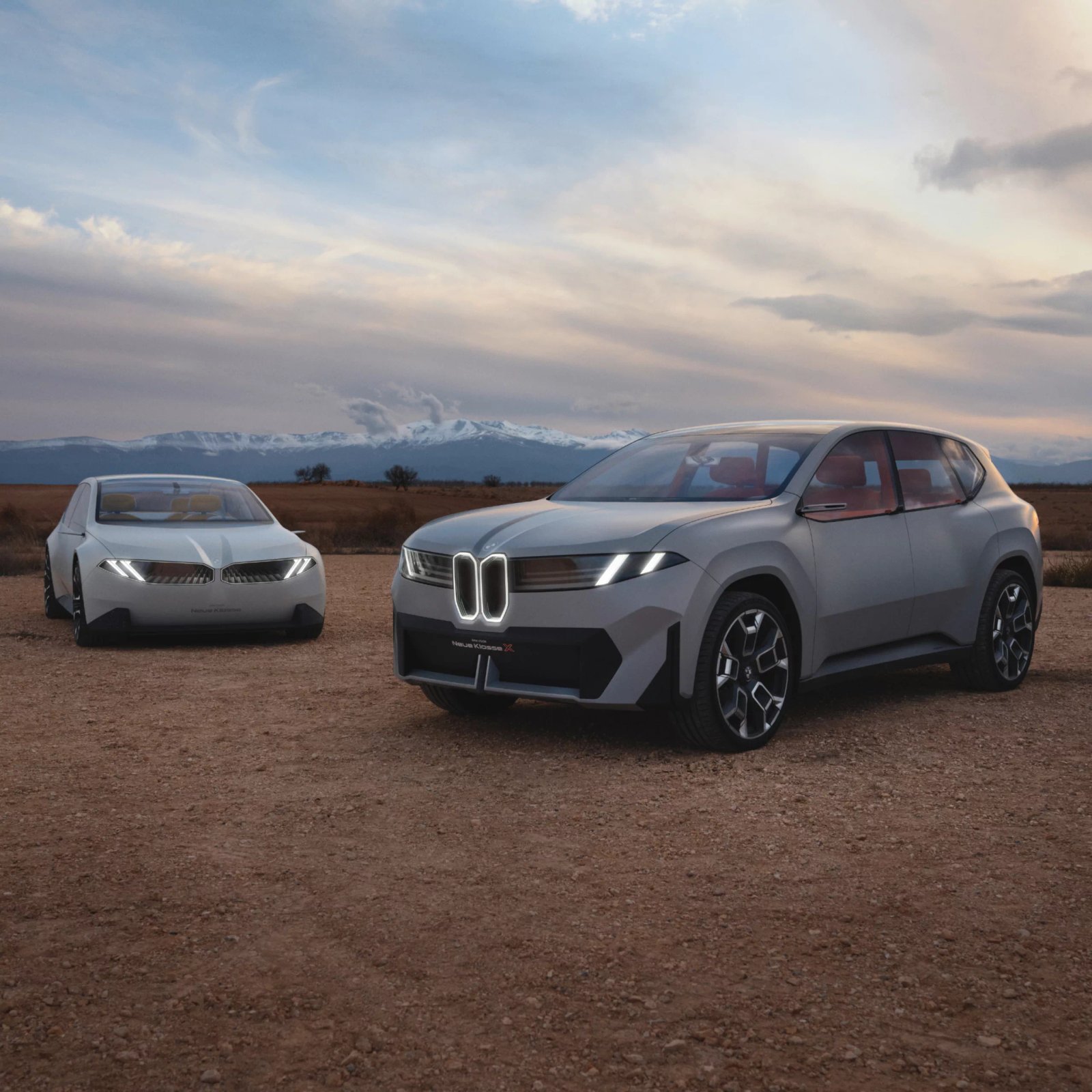
BMW is preparing a completely redesigned iX3, built on the company’s new Neue Klasse electric platform.
This platform focuses on efficiency, advanced battery technology, and modern digital features.
Drivers may see improvements like:
Longer driving range
Faster charging speeds
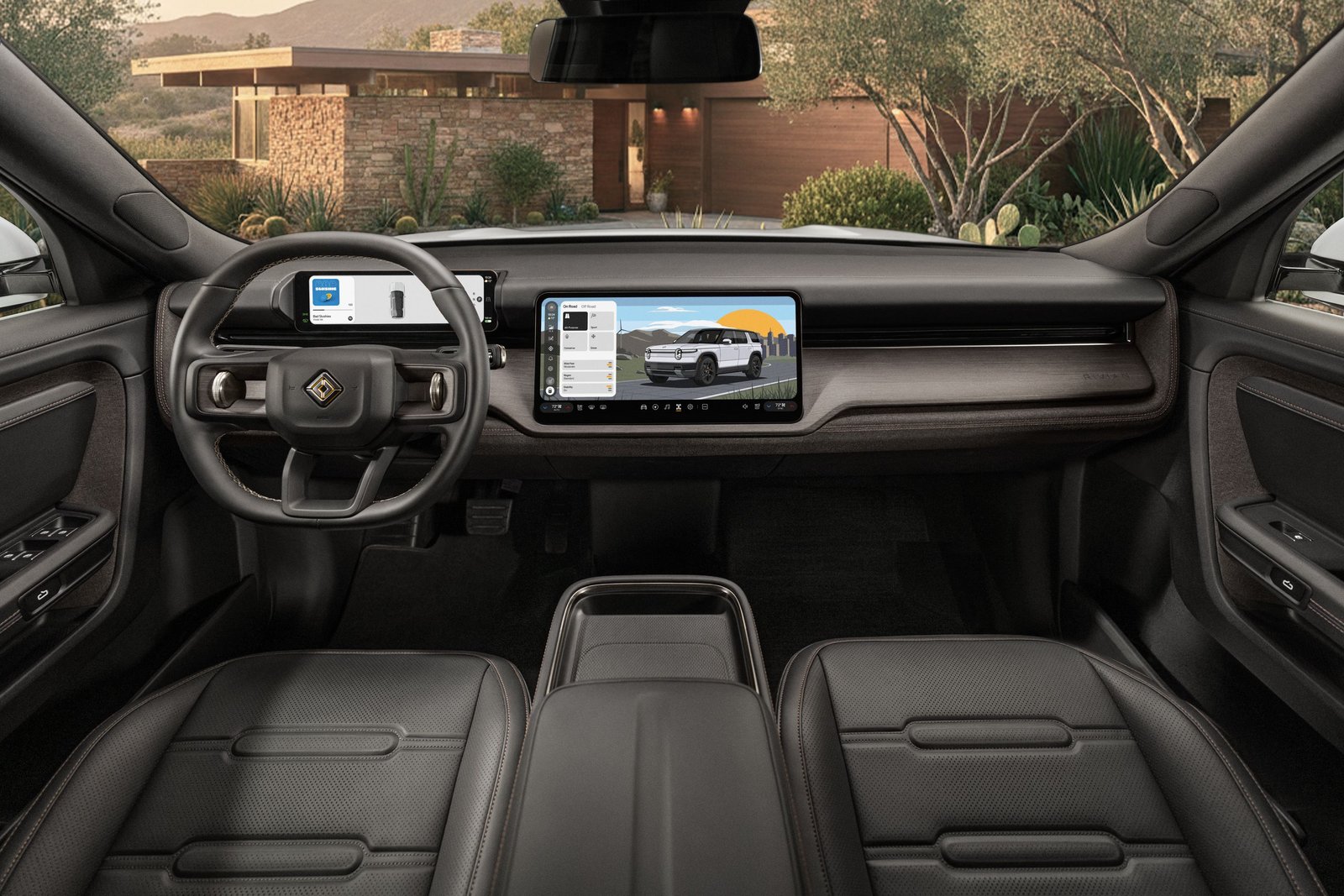
A high-tech minimalist interior
For those who enjoy luxury vehicles with innovative technology, the next-generation iX3 could become a strong competitor in the electric SUV market.
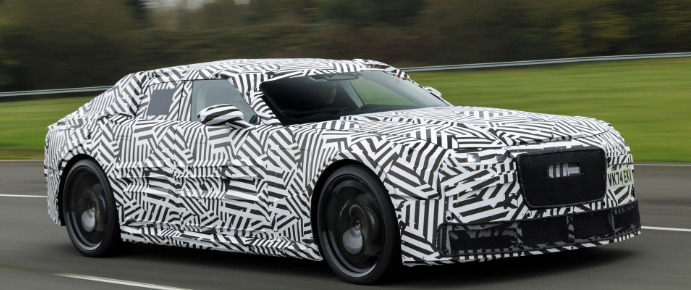
Jaguar Electric Grand Tourer
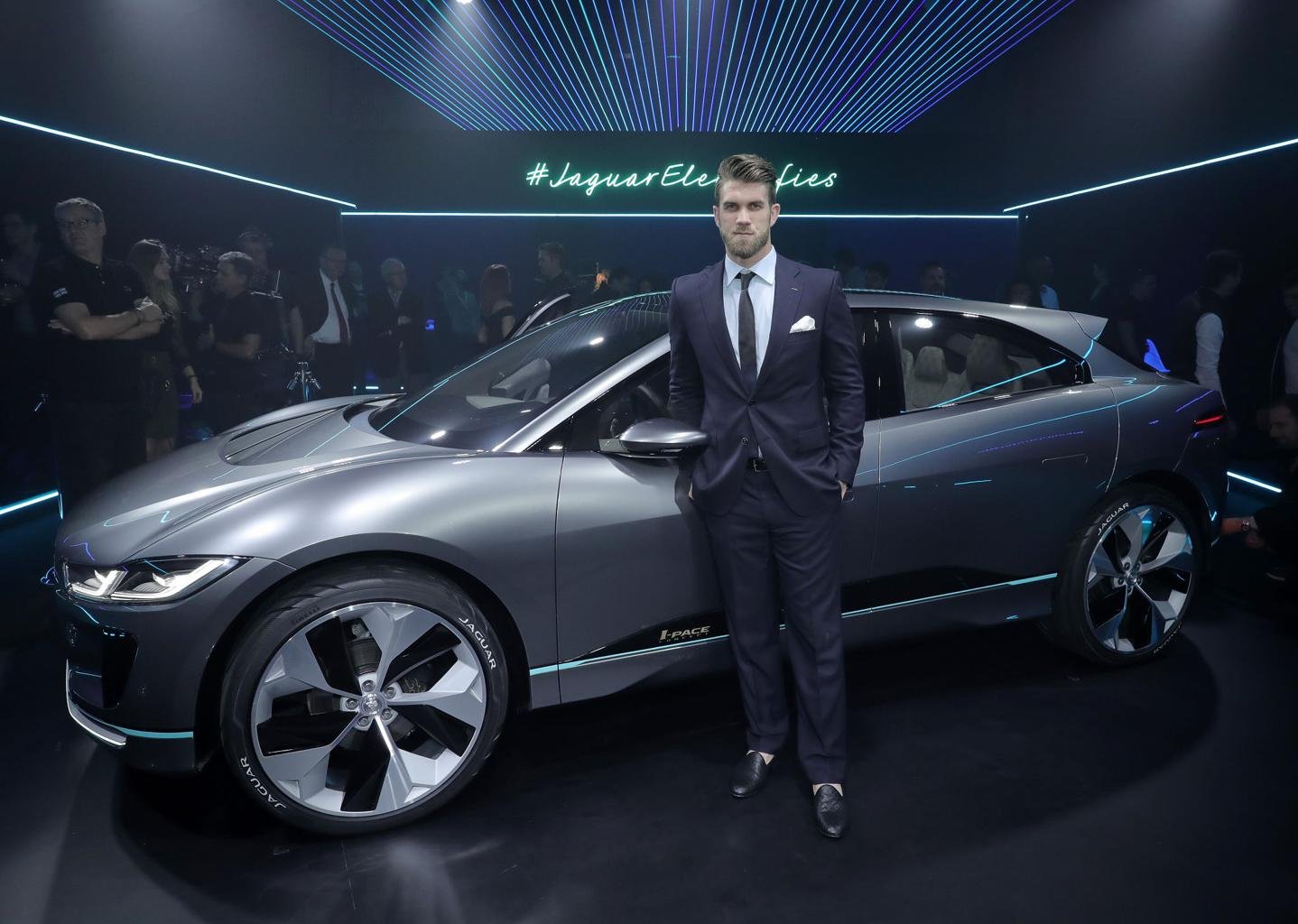 Jaguar is preparing a bold transformation.
The company plans to move toward an all-electric future, and the upcoming Jaguar electric grand tourer is expected to lead that change.
Early expectations include:
Powerful electric performance
Luxury-focused interior design
Long-distance driving capability
For Jaguar enthusiasts, this model may represent the brand’s next chapter.
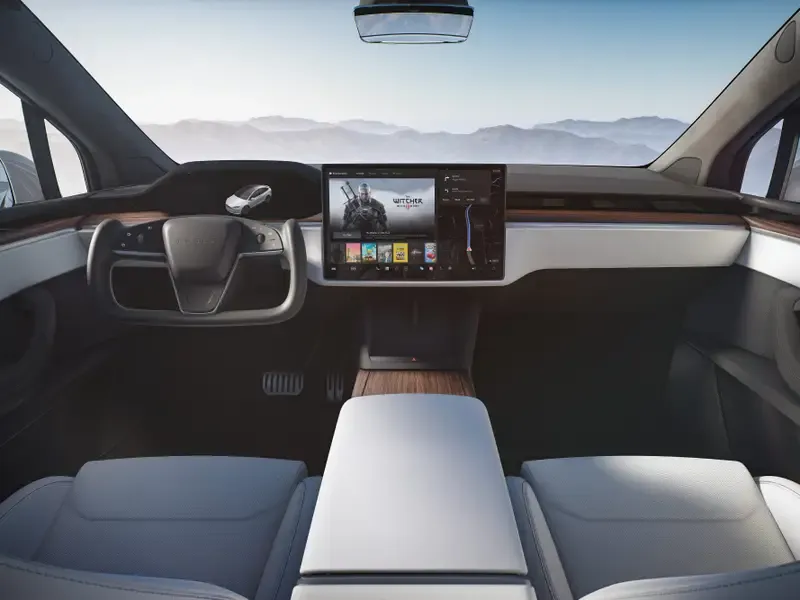
Tesla’s Next Generation EV
Tesla remains one of the most influential companies in the electric vehicle market.
Tesla is expected to continue improving its electric vehicle lineup with advancements in battery performance, software systems, and driving assistance technologies. that focus on improving affordability and efficiency.
Possible innovations include:
New battery technology
Advanced driver assistance systems
Improved energy efficiency
For many drivers, Tesla’s future vehicles remain among the most anticipated EV releases.
Why Electric Cars Are Becoming So Popular
Electric vehicles are becoming more popular due to environmental concerns, fuel cost savings, and improvements in charging infrastructure.
Environmental Benefits
Electric cars produce zero tailpipe emissions, which helps reduce air pollution.
Lower Running Costs
Electric motors have fewer moving parts, meaning less maintenance compared with traditional engines.
Expanding Charging Networks
Charging infrastructure is growing rapidly in many countries.
Quiet and Smooth Driving
Many drivers enjoy the quiet, smooth driving experience that EVs provide.
But perhaps the most interesting question is this: could electric vehicles soon become the standard way we travel?
Real-Life Example: Daily EV Driving
For example, a daily city commuter can often charge their electric vehicle overnight and use it throughout the day without frequent charging stops. to work and back.
With an electric car offering 300 miles of range, that driver could easily go nearly a week without charging during the day.
Plugging in the vehicle overnight at home becomes a simple routine—just like charging a smartphone.
For many drivers, this convenience is one of the biggest reasons they consider switching to electric.
Pros and Cons of Electric Cars
Advantages
Lower fuel costs
Electric charging is often cheaper than gasoline.
Reduced emissions
EVs help reduce environmental impact.
Advanced technology
Most electric vehicles include modern infotainment and driver-assistance systems.
Limitations
Charging time
Charging can take longer than refueling.
Charging infrastructure
Some regions still have limited charging stations.
Higher purchase price
Electric vehicles sometimes cost more upfront.
Understanding these advantages and challenges helps drivers decide whether an EV fits their lifestyle.
Industry Insight
Automotive experts widely agree that electric vehicles will play a major role in the future of transportation.
Battery technology continues to improve, offering longer ranges and faster charging. Governments and private companies are investing heavily in charging infrastructure.
As these improvements continue, electric vehicles are becoming more practical for everyday drivers.
And with new EV models arriving over the next few years, the shift toward electric mobility is only accelerating.
Why Trust This Information?
The insights in this article are based on automotive industry announcements, manufacturer previews, and analysis from established automotive publications and journalists. Automotive experts closely monitor concept reveals, prototype testing, and official company roadmaps to identify which electric vehicles are most likely to reach production.
Industry analysts also review advances in battery technology, charging infrastructure, and market trends to understand how upcoming EV models may shape the future of transportation. While some details may change before final production, the vehicles highlighted here represent models widely expected by experts to influence the electric vehicle market around 2026 and beyond.
Frequently Asked Questions (FAQ)
Are electric cars cheaper to run than gasoline cars?
In many cases, yes. Electricity is often cheaper than gasoline, and EVs usually require less maintenance.
How far can electric cars travel on one charge?
Many modern electric vehicles offer between 250 and 400 miles of range.
Are charging stations becoming more common?
Yes. Charging networks are expanding rapidly across many countries.
Are electric vehicles suitable for long trips?
With improved battery range and fast charging, many EVs are becoming practical for long-distance travel.
Will electric vehicles replace gasoline cars?
Electric vehicles are growing quickly, but gasoline and hybrid vehicles will likely remain available for some time.
Conclusion
Electric vehicles are reshaping the future of transportation.
By 2026, many new EV models will offer longer ranges, faster charging, and smarter technology that makes driving easier and more efficient. Automakers across the world are investing heavily in electric innovation, creating vehicles that are both exciting and sustainable.
For drivers, this means more choice than ever before.
And as these new electric cars arrive, they may redefine what we expect from the future of driving.
Related Media
Image Gallery





Comments 0
Leave a Reply
Your email address will not be published. Required fields are marked *
Be the first to share your thoughts!