

💡 Where is Aiims?
A comprehensive look at AIIMS, its role in specialized medical care, and its influence on complex medical ethics like passive euthanasia in the Indian healthcare landscape.
The All India Institute of Medical Sciences, commonly known as AIIMS, stands as the pinnacle of healthcare, research, and medical education in India. Established as an institution of national importance, it has consistently set the benchmark for medical excellence and affordable tertiary care. For millions of Indians, AIIMS is not just a hospital but a beacon of hope for those facing the most complex medical challenges. Beyond its clinical services, AIIMS plays a pivotal role in shaping the legal and ethical landscape of medicine in the country, particularly in sensitive areas such as long-term care and end-of-life decisions.
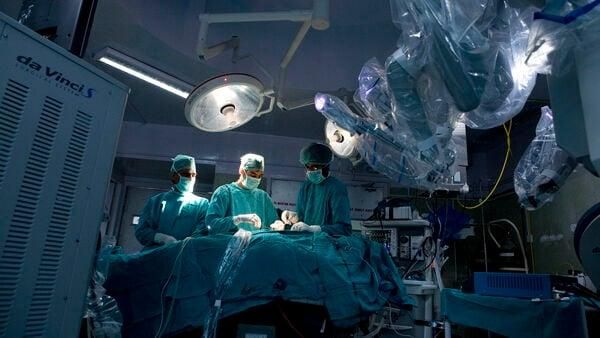
In recent years, the institution has been at the center of landmark medical cases that have redefined the boundaries of patient rights and medical intervention. According to official reports from AIIMS, the expertise provided by AIIMS medical boards is often the final word in complex legal battles involving medical ethics. This article explores the multifaceted role of AIIMS, the specialized care it provides, and how it navigates the intricate world of medical ethics in India.
What is AIIMS?
AIIMS was established in 1956 through an Act of Parliament with the vision of developing a nucleus for nurturing excellence in all aspects of healthcare. While the original institute is located in New Delhi, the government has since expanded the brand to several other cities across India, including Bhopal, Rishikesh, Jodhpur, and Patna, to ensure that high quality medical care is accessible to a larger segment of the population.
According to global analysts, AIIMS New Delhi is frequently ranked among the top medical institutions globally, not just for its patient volume but for its significant contributions to medical research. It operates autonomously under the Ministry of Health and Family Welfare, allowing it to maintain rigorous standards in medical education and clinical practice. The institution offers undergraduate, postgraduate, and doctoral programs, producing some of the finest medical professionals who serve across the globe.
How does AIIMS lead in specialized medical care?
AIIMS is renowned for its specialized centers that focus on specific branches of medicine. These include the Cardio Thoracic Centre, the Neurosciences Centre, the Dr. BRA Institute Rotary Cancer Hospital, and the Jai Prakash Narayan Apex Trauma Center. These centers are equipped with cutting-edge technology and staffed by specialists who handle cases that are often beyond the scope of secondary healthcare facilities.
For patients requiring long-term intensive care or neurological rehabilitation, AIIMS provides a level of expertise that is unparalleled in the region. Medical professionals at AIIMS note that the Neurosciences Centre at AIIMS is a pioneer in managing patients in persistent vegetative states or those suffering from severe traumatic brain injuries. The multidisciplinary approach ensures that patients receive not only surgical and medicinal intervention but also psychological and rehabilitative support.
What is the role of AIIMS in medical ethics and passive euthanasia?
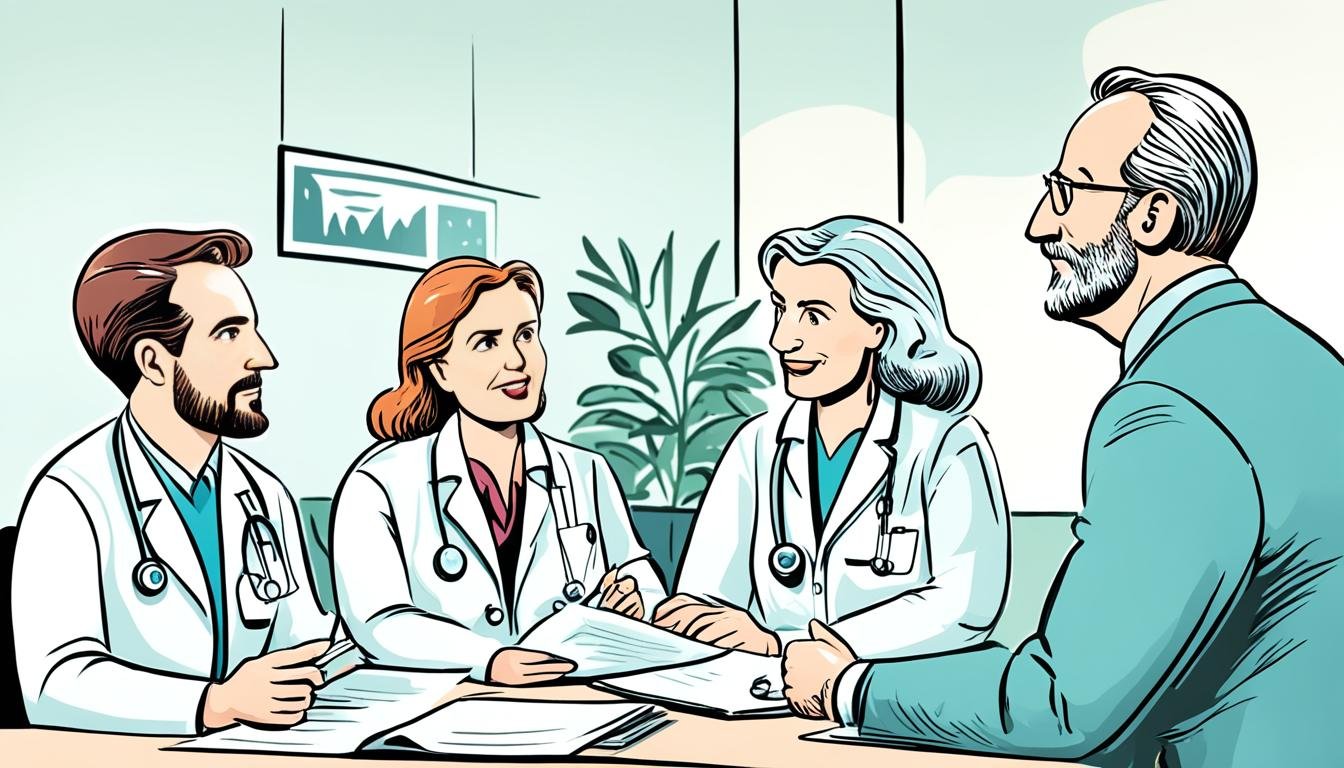
The role of AIIMS extends far beyond the operating theater. It is frequently called upon by the judiciary to form medical boards that assess the condition of patients in terminal or irreversible states. This is particularly relevant in the context of passive euthanasia, which was legalized in India under strict guidelines by the Supreme Court in 2018.
Passive euthanasia involves the withdrawal of life support or medical treatment with the intention of allowing a terminally ill patient to die naturally. This is distinct from active euthanasia, which remains illegal in India. According to legal experts, AIIMS medical boards are instrumental in determining whether a patient has any realistic chance of recovery. Their clinical assessments provide the foundation upon which courts grant or deny the right to withhold treatment.
The process of navigating these ethical waters involves a careful balance between the sanctity of life and the right to a dignified death. AIIMS professionals are trained to handle these sensitive cases with both clinical precision and human empathy, ensuring that the legal requirements are met while respecting the wishes of the patient and their family.

How to access services at AIIMS?
Accessing care at AIIMS can be a daunting process due to the sheer volume of patients. However, the institution has modernized its systems to facilitate easier access. Here is a step-by-step guide to seeking treatment at AIIMS:
- Online Registration: Patients are encouraged to use the Online Registration System (ORS) portal. This allows users to book appointments using their Aadhaar number, reducing the need for long queues at the registration counters.
- OPD Consultation: On the day of the appointment, patients must arrive early at the Outpatient Department (OPD). It is essential to carry all previous medical records and identification.
- Referral System: While AIIMS does accept direct walk ins, having a referral from a secondary or district hospital can often help in navigating the specialized departments more effectively.
- Telemedicine: In the wake of digital transformation, AIIMS has also expanded its telemedicine services, allowing patients from remote areas to consult with specialists before making the journey to the physical facility.
What are the benefits of choosing AIIMS?
There are several reasons why AIIMS remains the preferred choice for millions:
- Affordability: As a government-funded institution, AIIMS provides high quality care at a fraction of the cost of private hospitals. Many procedures and medications are provided free of charge to those below the poverty line.
- Expertise: The doctors at AIIMS are often the leading authorities in their respective fields, involved in both teaching and clinical research.
- Advanced Technology: AIIMS is usually the first to adopt new medical technologies and diagnostic tools in India.
- Comprehensive Care: From diagnosis to surgery and post operative rehabilitation, AIIMS offers a complete continuum of care.

Common challenges and how to overcome them
Despite its excellence, AIIMS faces significant challenges, primarily due to the high demand for its services. Patient wait times for elective surgeries can range from several months to even years. The crowding in the OPD areas can be overwhelming for new visitors.
Pro Tip: To navigate these challenges, Medical professionals at AIIMS note visiting the AIIMS website to check the availability of specialists and using the digital payment and registration options whenever possible. Additionally, seeking initial consultations at the newer AIIMS centers in other states can sometimes result in faster service than the main New Delhi campus.
Frequently Asked Questions
Who is eligible for treatment at AIIMS?
Every citizen of India is eligible for treatment at AIIMS. While it is a premier institute, it functions as a public hospital open to everyone regardless of their socio economic background.
What is the difference between active and passive euthanasia at AIIMS?
AIIMS medical boards only consider passive euthanasia, which is the withdrawal of life sustaining treatment as permitted by Indian law. Active euthanasia, such as administering a lethal substance, is not practiced or permitted.
How can I book an appointment at AIIMS New Delhi?
Appointments can be booked through the official AIIMS website or the ORS (Online Registration System) mobile app. You will need a valid mobile number and preferably an Aadhaar card for registration.
Are the services at AIIMS completely free?
Many services, including consultations and basic tests, are free or highly subsidized. However, there may be nominal charges for specialized tests, certain medications, and private ward stays.
How does AIIMS contribute to medical research?
AIIMS is a hub for clinical trials and medical research in India. It publishes thousands of research papers annually and collaborates with international health organizations to develop new treatment protocols for diseases like tuberculosis, diabetes, and various cancers.
Conclusion
AIIMS continues to be the cornerstone of the Indian healthcare system, providing a unique blend of high-volume clinical care and high-level medical research. Its influence extends into the very fabric of Indian society, addressing not just physical ailments but also the complex ethical dilemmas that modern medicine presents. Whether it is through pioneering new surgical techniques or providing the expert testimony needed for landmark legal decisions on patient rights, AIIMS remains an indispensable institution. For those seeking the best medical care India has to offer, understanding how to navigate this vast system is the first step toward recovery and health.
Important Note: Medical Disclaimer: This information is not intended to be a substitute for professional medical advice, diagnosis, or treatment. Always seek the advice of your physician or other qualified health provider.
Related Media
Quick View: The Role of AIIMS in Shaping Modern Healthcare and Medical Ethics in India





Comments 0
Leave a Reply
Your email address will not be published. Required fields are marked *
Be the first to share your thoughts!