

💡 What is Anne lamott?
Discover the profound writing wisdom of Anne Lamott. Learn how to overcome perfectionism, embrace the bird by bird philosophy, and find your unique creative voice.
Mastering the Art of Writing: Lessons from Anne Lamott and the Path to Creative Freedom
For decades, aspiring authors and seasoned prose stylists alike have turned to a single name when the ink runs dry and the cursor blinks mockingly on a blank screen: Anne Lamott. Known as the patron saint of the messy first draft, Lamott has transformed the landscape of creative writing instruction by focusing less on the mechanics of syntax and more on the psychology of the human spirit. Her approach is rooted in radical honesty, which resonates in a world obsessed with curated perfection.
According to global literary analysts, Lamott’s influence extends far beyond the classroom. Her teachings provide a roadmap for navigating the internal landscape of doubt and the external pressures of the publishing industry. By demystifying the act of creation, she makes the daunting task of writing a book feel as simple as taking one small step at a time. This guide explores the core tenets of her philosophy and how her collaborative work with her husband, Neal Allen, continues to inspire a new generation of storytellers.

Who is Anne Lamott?
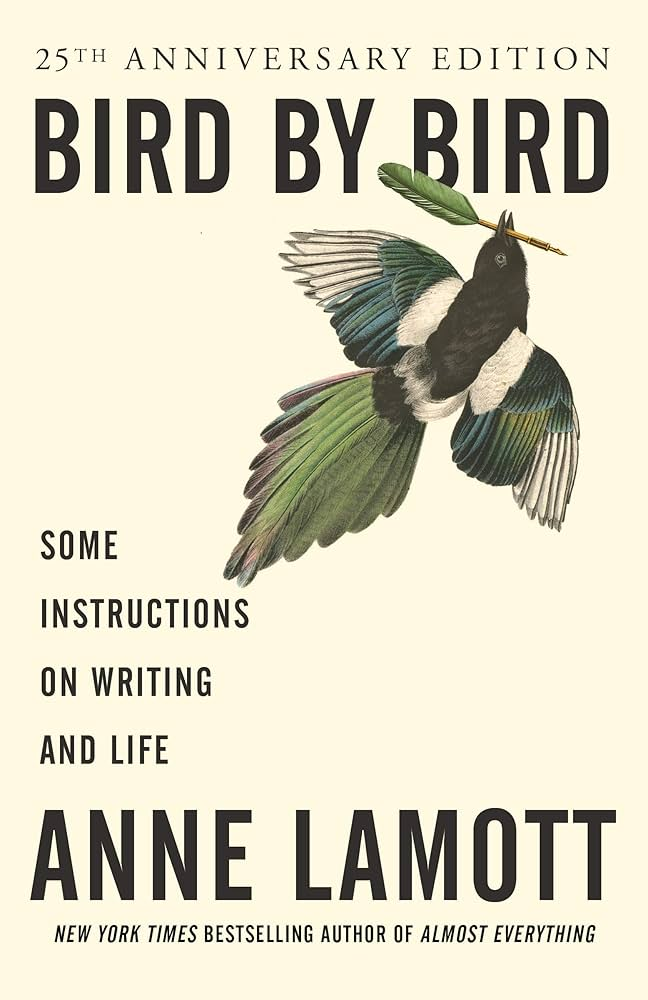
Anne Lamott is an acclaimed American novelist and nonfiction writer whose work explores themes of faith, recovery, motherhood, and the creative process. She first gained widespread recognition for her memoir Operating Instructions and solidified her status as a writing mentor with the publication of Bird by Bird: Some Instructions on Writing and Life. Her writing is characterized by its self-deprecating humor, piercing insight, and a refusal to sugarcoat the difficulties of the human experience.
Experts suggest that Lamott’s staying power in the literary world is due to her vulnerability. She does not present herself as an untouchable authority but rather as a fellow traveler in the trenches of creativity. Her recent collaborations, particularly those involving her husband Neal Allen, focus on the intersection of writing and mental well-being, helping writers quiet the inner critic that often halts progress before it begins.
What is the Bird by Bird philosophy?
The phrase bird by bird has become a mantra for writers worldwide. The story behind it is simple yet profound. When Lamott’s younger brother was struggling to write a report on birds that he had three months to complete but had left until the final night, their father sat down beside him and said: Bird by bird, buddy. Just take it bird by bird.
This concept serves as the foundation for tackling any massive project. Instead of looking at the mountain of a 300 page manuscript, Lamott encourages writers to look at the one inch picture frame. By focusing only on what can be seen through that small frame, the task becomes manageable. This prevents the overwhelm that leads to procrastination and allows the writer to maintain a sense of presence and detail in their work.
How can writers overcome perfectionism?
One of the most revolutionary concepts Lamott introduced is the idea of the shitty first draft. Many writers fail because they expect their initial attempt to be a masterpiece. Lamott argues that all good writers write bad first drafts. This is the stage where you let the characters talk, where you explore dead ends, and where you get the raw material onto the page.
As per recent industry reports on creative productivity, the pressure to be perfect is the leading cause of writer’s block. Lamott suggests that by giving yourself permission to write poorly, you bypass the ego. Once the words are on paper, you have something to work with. You cannot edit a blank page, but you can refine a messy one. This philosophy encourages a playful, experimental approach to writing that fosters genuine innovation.
How do Anne Lamott and Neal Allen teach better writing?
In her recent work and public discussions alongside her husband, Neal Allen, the focus has shifted toward the psychological barriers to creativity. While Lamott addresses the craft and the struggle of the draft, Allen brings expertise in identifying the inner critic: that voice in the head that says the work is not good enough or that the writer is a fraud. Together, they provide a holistic approach to the creative life.
Their collaborative insights suggest that writing is as much about spiritual and emotional health as it is about vocabulary. By learning to recognize the inner critic as a separate entity rather than an objective truth, writers can find the freedom to express their authentic selves. This partnership highlights the importance of support systems and the idea that writing, while often a solitary act, thrives in an environment of encouragement and shared wisdom.

Step-by-Step Guide to the Lamott Method
To implement these teachings into your own routine, consider the following steps based on Lamott’s core principles:
- Establish a Routine: Sit down at the same time every day. The muse is more likely to show up if she knows where to find you.
- Use the One Inch Frame: Do not try to write the whole book today. Write one scene, one description, or one dialogue exchange.
- Embrace the Mess: Write without self-censorship. If a sentence is clunky, leave it for now. The goal is volume, not quality, in the first stage.
- Listen to Your Characters: Allow the story to evolve naturally. Sometimes the plot you planned is not the one the characters want to follow.
- Find a Trusted Reader: Once you have a polished draft, find someone who will give you honest but kind feedback.
What are the benefits of this approach?
Adopting the Lamott style of writing offers several distinct advantages for both amateur and professional writers:
- Reduced Anxiety: By removing the expectation of perfection, the stress associated with writing is significantly lowered.
- Increased Output: Focusing on small chunks of work leads to more consistent progress over time.
- Authentic Voice: When you stop trying to sound like a great writer, your natural, unique voice begins to emerge.
- Resilience: Learning to handle bad drafts builds the emotional stamina needed for the long process of editing and publishing.
Common Mistakes Writers Make
Writing experts suggest that even with the best advice, certain pitfalls remain common. Understanding these can help you stay on track:
- Editing While Writing: This is the fastest way to kill momentum. Keep the editor and the creator in separate rooms.
- Waiting for Inspiration: Professional writers do not wait for the perfect mood. They show up and do the work regardless of how they feel.
- Ignoring the Small Details: Lamott emphasizes that the truth is in the details. Vague writing is forgettable writing.
- Comparing Your Beginning to Someone Else’s Middle: Every published book went through dozens of terrible drafts. Do not compare your raw work to a finished product on a bookstore shelf.
Pro Tips for Aspiring Authors
Keep a Notebook: Carry a small notebook or use a phone app to jot down observations, snippets of conversation, or sensory details throughout the day. These are the seeds of future stories.
Read Aloud: To check the rhythm and flow of your prose, read your work out loud. Your ears will often catch mistakes that your eyes miss.
Practice Radical Forgiveness: If you miss a day of writing or produce a draft you hate, forgive yourself immediately. The only way to fail at writing is to stop doing it.
Frequently Asked Questions
Who is Anne Lamott’s target audience?
While she is a favorite among writers, her books on faith and life appeal to anyone seeking a more honest and compassionate way of living. Her writing advice is applicable to anyone who needs to communicate ideas, from students to business professionals.
Is Bird by Bird still relevant in the digital age?
Absolutely. While the tools of writing have changed from typewriters to laptops and AI assistants, the psychological hurdles of creativity remain the same. Her advice on perfectionism is perhaps more relevant now than ever in the age of social media comparison.
How does Neal Allen’s work complement Anne Lamott’s?
Neal Allen focuses on the concept of the inner critic and the ego. His work provides the psychological tools to quiet the mind, which allows the creative flow that Lamott encourages to happen more easily.
What is the most important takeaway from Lamott’s teaching?
The most important lesson is that writing is a process of discovery. You do not need to know where you are going when you start; you just need to keep moving forward, one small step at a time.
Can these techniques be used for non fiction writing?
Yes. Whether you are writing a memoir, a technical report, or a blog post, the principles of breaking tasks down and allowing for a rough first draft are universal.
Conclusion
Anne Lamott remains a towering figure in the world of literature not because she has all the answers, but because she is willing to ask the hardest questions. Her philosophy of taking life and writing bird by bird provides a sustainable path for anyone looking to share their story with the world. By embracing the shitty first draft and quieting the inner critic, writers can move past fear and into a space of genuine creative freedom. Ultimately, her work reminds us that the act of writing is a profound process of courage and an essential way of making sense of the world.
Related Media
Quick View: Mastering the Art of Writing: Lessons from Anne Lamott and the Path to Creative Freedom





Comments 0
Leave a Reply
Your email address will not be published. Required fields are marked *
Be the first to share your thoughts!