
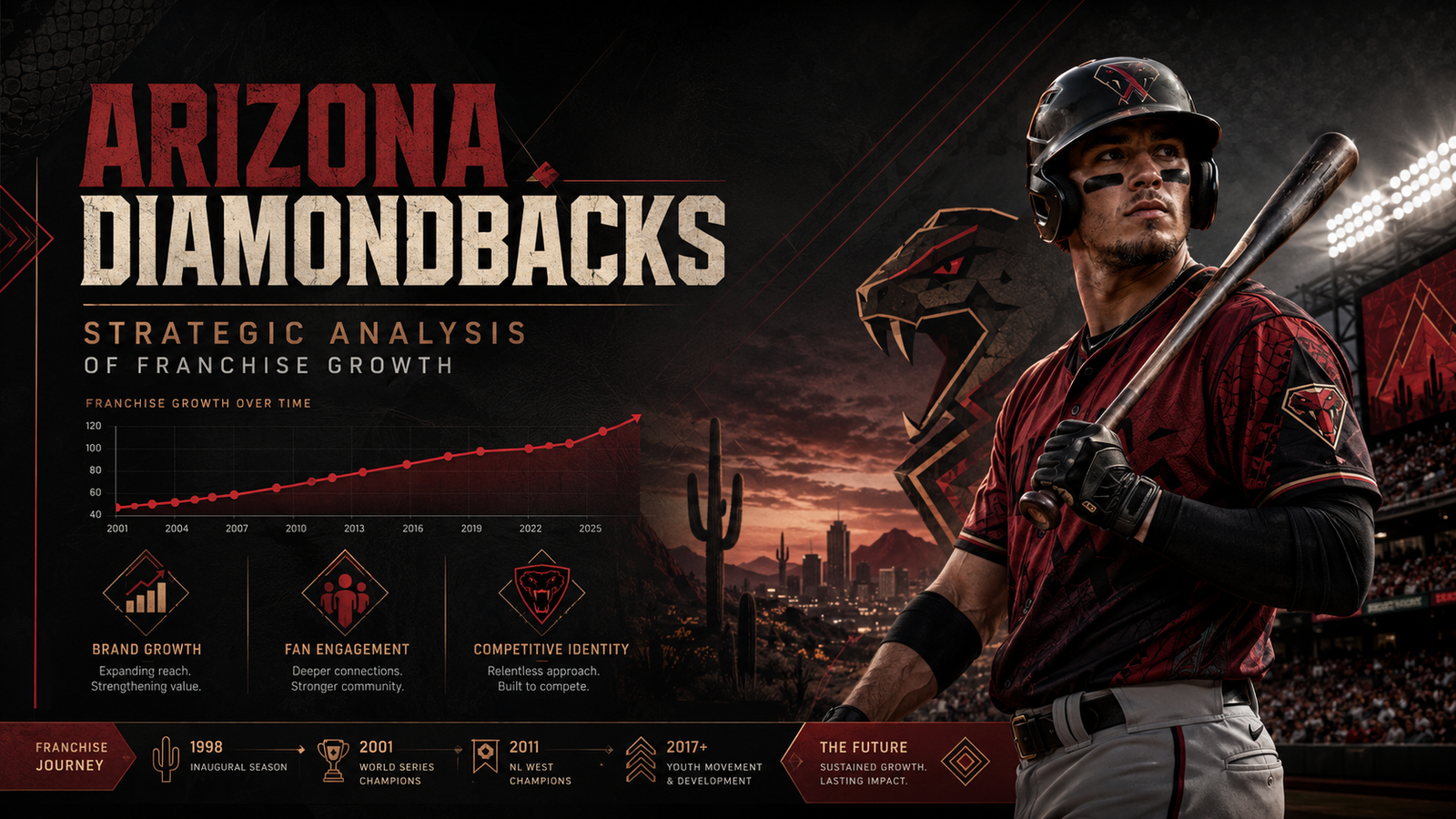
💡 Arizona Diamondbacks: Strategic Analysis of Franchise Growth
An authoritative look at the Arizona Diamondbacks' roster construction, financial evolution, and strategic positioning within the National League West.
Executive Summary
The Arizona Diamondbacks have successfully transitioned from a period of intensive rebuilding to a state of sustained competitiveness in the National League. Following a surprise 2023 World Series appearance, the organization has fundamentally altered its financial and operational profile. Key findings include a record-breaking 2024 opening day payroll of approximately 175 million dollars, a shift toward long-term talent retention exemplified by Corbin Carroll's 111 million dollar contract, and a strategic emphasis on speed and defensive efficiency. This analysis evaluates the franchise's ability to maintain high-level performance despite the significant financial advantages held by divisional rivals in Los Angeles and San Francisco.
Introduction
In the landscape of Major League Baseball, the Arizona Diamondbacks represent a unique case study in rapid expansion success and modern analytical adaptation. Established in 1998, the franchise secured a World Series title in only its fourth season of existence, setting a historical precedent for expansion teams. After several years of fluctuating performance, the current leadership under General Manager Mike Hazen and Manager Torey Lovullo has built a roster predicated on athleticism, disciplined pitching, and situational awareness. This strategic pivot was validated by the team's 2023 National League Pennant win, proving that a mid-market club can disrupt the established hierarchy of the National League West through superior scouting and player development.
The Deep Dive: Strategic Pillars of the Diamondbacks
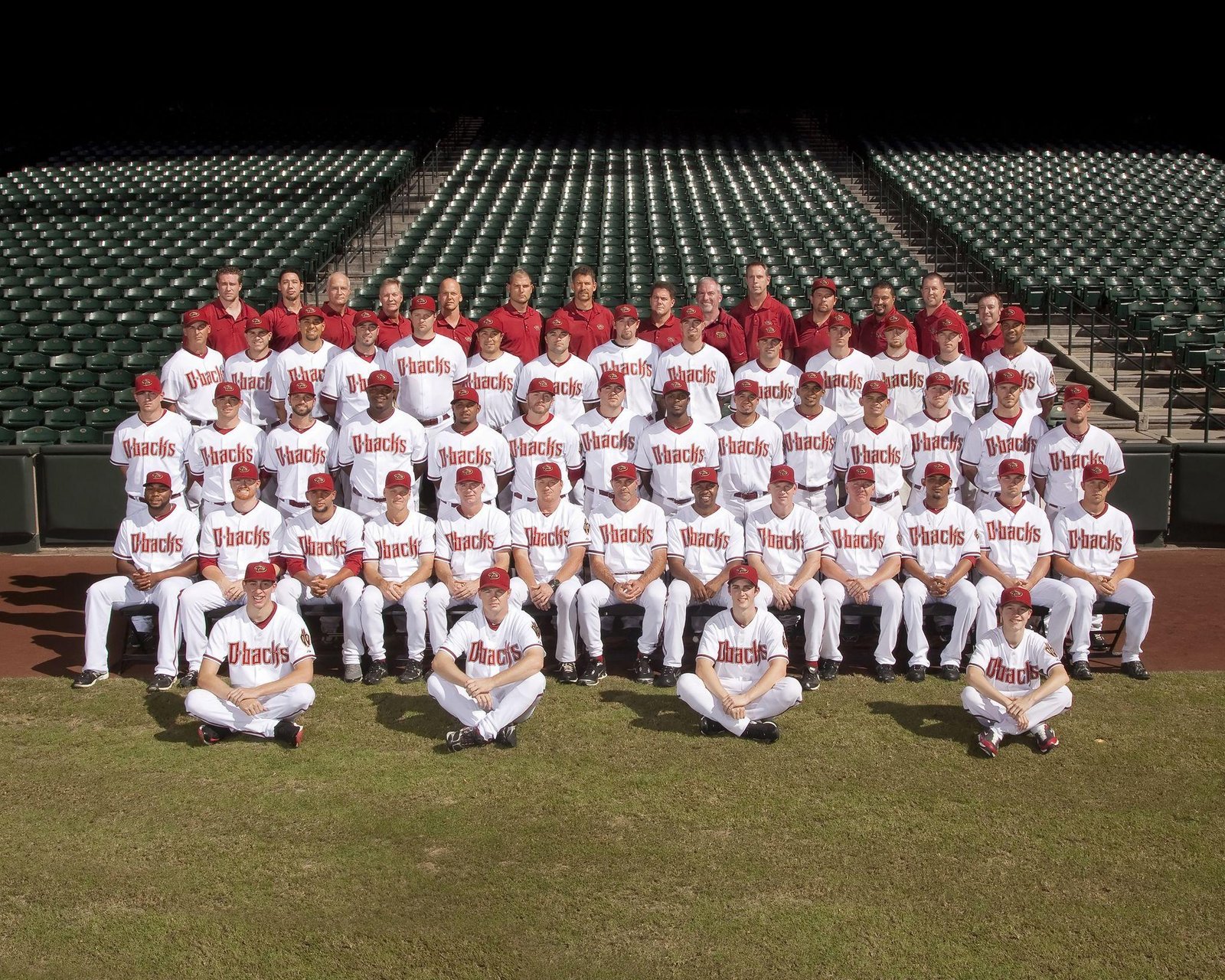
The resurgence of the Arizona Diamondbacks is not a product of chance but the result of three specific strategic pillars: talent identification, financial modernization, and tactical innovation. By examining these areas, we can understand how the organization plans to remain relevant in a division dominated by high-spending titans.
Roster Construction and the Youth Movement
The cornerstone of the Diamondbacks' current strategy is the integration of elite young talent with proven veteran leadership. The 2023 National League Rookie of the Year, Corbin Carroll, serves as the focal point of this movement. His eight-year contract extension reflects a modern trend in MLB where teams secure core players early to avoid the escalating costs of the free-agent market. This approach provides cost certainty and allows the front office to allocate resources to other areas of need, such as the starting rotation.
Furthermore, the development of players like Gabriel Moreno and Alek Thomas has fortified the team's defensive identity. In 2023, the Diamondbacks ranked among the league leaders in Defensive Runs Saved (DRS), a metric that tracks how many runs a team's defense prevents compared to the average. This focus on run prevention is essential for a team that plays in the hitter-friendly environment of Chase Field. Understanding the timing of these talent cycles is as critical as understanding the MLB Draft Time: A Strategic Guide to Schedule and Logistics for maintaining a healthy organizational pipeline.
Financial Strategy and Revenue Realignment
Historically, the Diamondbacks have operated with a mid-tier payroll. However, the success of the 2023 season prompted ownership to authorize the highest spending levels in franchise history. The acquisition of Eduardo Rodriguez and the retention of Joc Pederson in the 2023-2024 offseason signaled a shift toward a win-now mentality. This financial aggression is balanced against the uncertainty of regional sports network (RSN) revenues. With the collapse of Diamond Sports Group's traditional broadcast model, the Diamondbacks were among the first teams to transition to MLB-produced broadcasts, expanding their reach to over 5.6 million households.
The team's valuation, currently estimated by Forbes at 1.45 billion dollars, reflects a steady growth despite the challenges of the Phoenix market. Strategic investments in stadium infrastructure and fan experience are intended to stabilize attendance figures, which saw a significant uptick following the postseason run. Investors and analysts often look at these sports valuations with the same scrutiny applied to Stock Market Trends: Strategic Analysis of Global Equities, noting that team performance is the primary driver of brand equity.
Tactical Innovation: The Answerbacks Culture
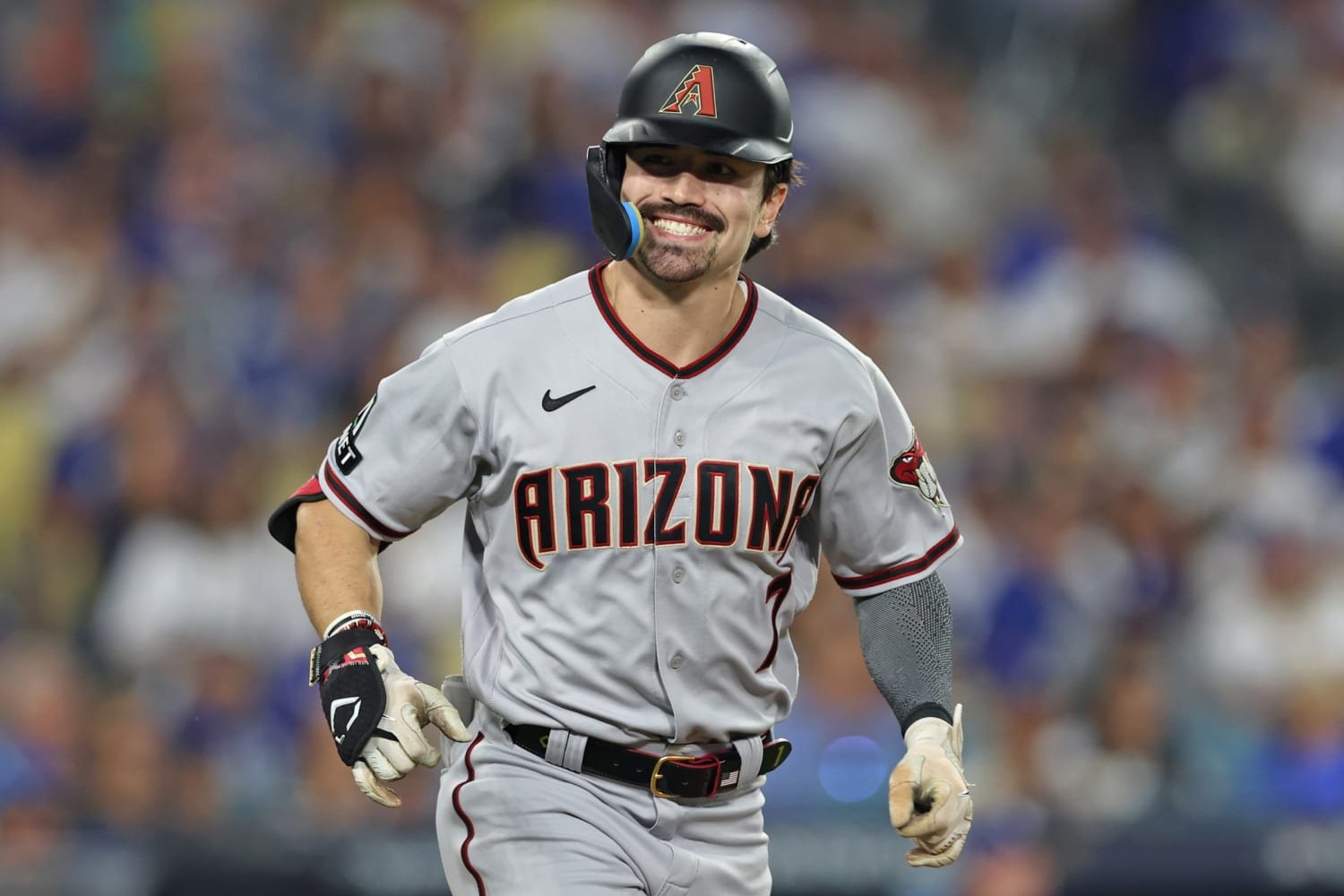
On the field, the Diamondbacks have embraced the 2023 rule changes, specifically the larger bases and the pitch clock. By prioritizing base-stealing and aggressive baserunning, Arizona has exploited the limitations placed on pitchers. In 2023, the team finished second in the National League in stolen bases, a tactical choice that defines their identity as the Answerbacks. This nickname refers to their resilience and ability to manufacture runs late in games, a trait that was on full display during their series against the Phillies and Reds. The dynamics of such matchups are explored in the Phillies vs Reds: Strategic Analysis of National League Dynamics, highlighting how different teams adapt to the high-pressure environment of the National League.
Infrastructure and the Chase Field Dilemma
A critical component of the Diamondbacks' long-term strategy involves the future of Chase Field. The facility, which opened in 1998, requires significant upgrades to its cooling systems and retractable roof. The organization is currently in negotiations regarding a lease extension or the potential for a new stadium. The outcome of these discussions will dictate the franchise's capital expenditure for the next decade. Modern sports management requires a balance between on-field spending and venue modernization to ensure that the fan experience remains competitive with other entertainment options in the Phoenix metropolitan area.

What This Means For You
For the average fan or sports analyst, the rise of the Arizona Diamondbacks provides several actionable insights:
- Efficiency Over Excess: The Diamondbacks demonstrate that defensive excellence and baserunning can compensate for a lower total home run count.
- Market Adaptation: Watching how the team handles its broadcasting rights offers a glimpse into the future of how all professional sports may be consumed as traditional cable fades.
- Youth Investment: For fantasy baseball enthusiasts or scouts, the Diamondbacks' farm system remains a gold mine for high-ceiling athletes who prioritize contact and speed.
- Economic Impact: The team's success directly influences the local Phoenix economy, particularly in the downtown corridor, where game-day spending supports hundreds of small businesses.
Expert Verdict / Future Outlook
The Arizona Diamondbacks have established a blueprint for mid-market success in the modern era of Major League Baseball. By combining aggressive scouting with a willingness to spend during competitive windows, they have closed the gap with the Los Angeles Dodgers. The expert consensus suggests that as long as the core of Carroll, Marte, and Gallen remains intact, Arizona will be a perennial postseason contender. The primary risk factor remains the health of the pitching staff and the resolution of the stadium lease. If the organization can secure a long-term venue solution, their financial floor will rise, allowing for even greater investment in the roster.
FAQ
Who is the highest-paid player on the Arizona Diamondbacks?
As of 2024, Ketel Marte and Corbin Carroll hold the most significant long-term contracts, with Carroll's extension totaling 111 million dollars over eight years.
How many World Series titles have the Diamondbacks won?
The Arizona Diamondbacks have won one World Series title, which occurred in 2001 when they defeated the New York Yankees in seven games.
What is the capacity of Chase Field?
Chase Field has a seating capacity of approximately 48,405 for baseball games, making it one of the larger stadiums in Major League Baseball.
Who manages the Arizona Diamondbacks?
Torey Lovullo has been the manager of the Diamondbacks since 2017, becoming the winningest manager in the history of the franchise.
Where can I watch Arizona Diamondbacks games?
Following the shift in RSN dynamics, games are primarily available through MLB.TV and local television providers under the Arizona Diamondbacks' proprietary media deal.
Conclusion
The Arizona Diamondbacks have proven that strategic clarity and organizational alignment can overcome the financial disparities inherent in professional baseball. By focusing on a high-speed, defensive-first philosophy and securing their young core through prudent contract extensions, the franchise has positioned itself for a decade of relevance. The next phase of their evolution will depend on navigating the complexities of stadium logistics and the shifting landscape of sports media. For now, the Diamondbacks stand as a model of how to build a championship-caliber team in the 21st century.




Comments 0
Leave a Reply
Your email address will not be published. Required fields are marked *
Be the first to share your thoughts!