
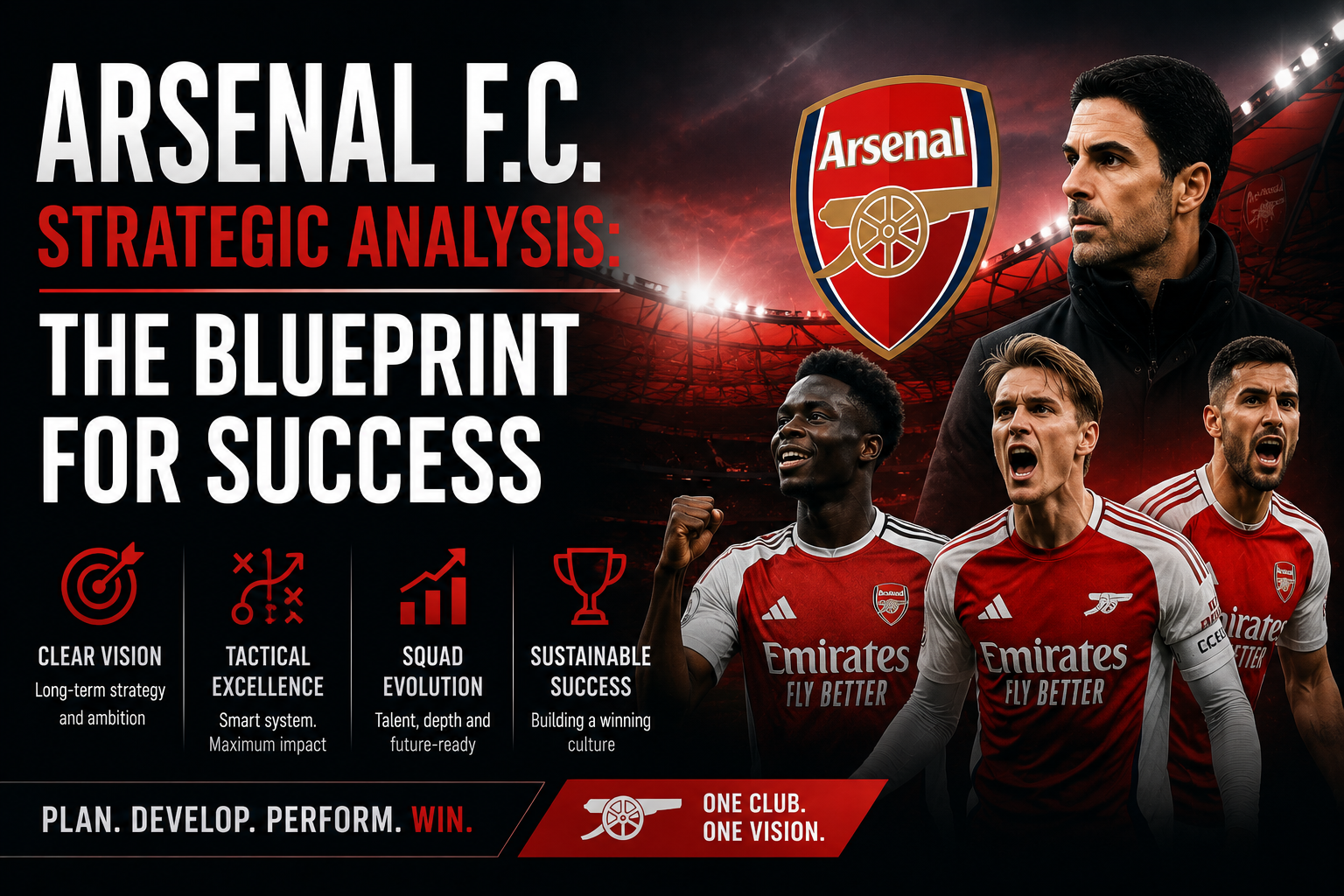
💡 Arsenal F.C. Strategic Analysis: The Blueprint for Success
A comprehensive strategic analysis of Arsenal F.C., examining its financial recovery, tactical evolution under Mikel Arteta, and global brand positioning.
Executive Summary
Arsenal Football Club has undergone a radical transformation over the last five years, transitioning from a period of structural instability to becoming a primary contender in the English Premier League and European football. According to the Deloitte Football Money League 2024 report, Arsenal reported a total revenue of 464.6 million Pounds for the 2022/23 season, representing a significant 23 percent increase from the previous year. This growth is driven by improved commercial partnerships, a return to UEFA Champions League football, and a highly efficient recruitment model managed by Sporting Director Edu Gaspar. Key data highlights include a squad valuation exceeding 1.1 billion Euros and a tactical system that produced the highest number of set-piece goals in the Premier League during the 2023/24 campaign. This analysis evaluates the club's move toward a data-driven, sustainable sporting model.
Introduction: The Strategic Pivot
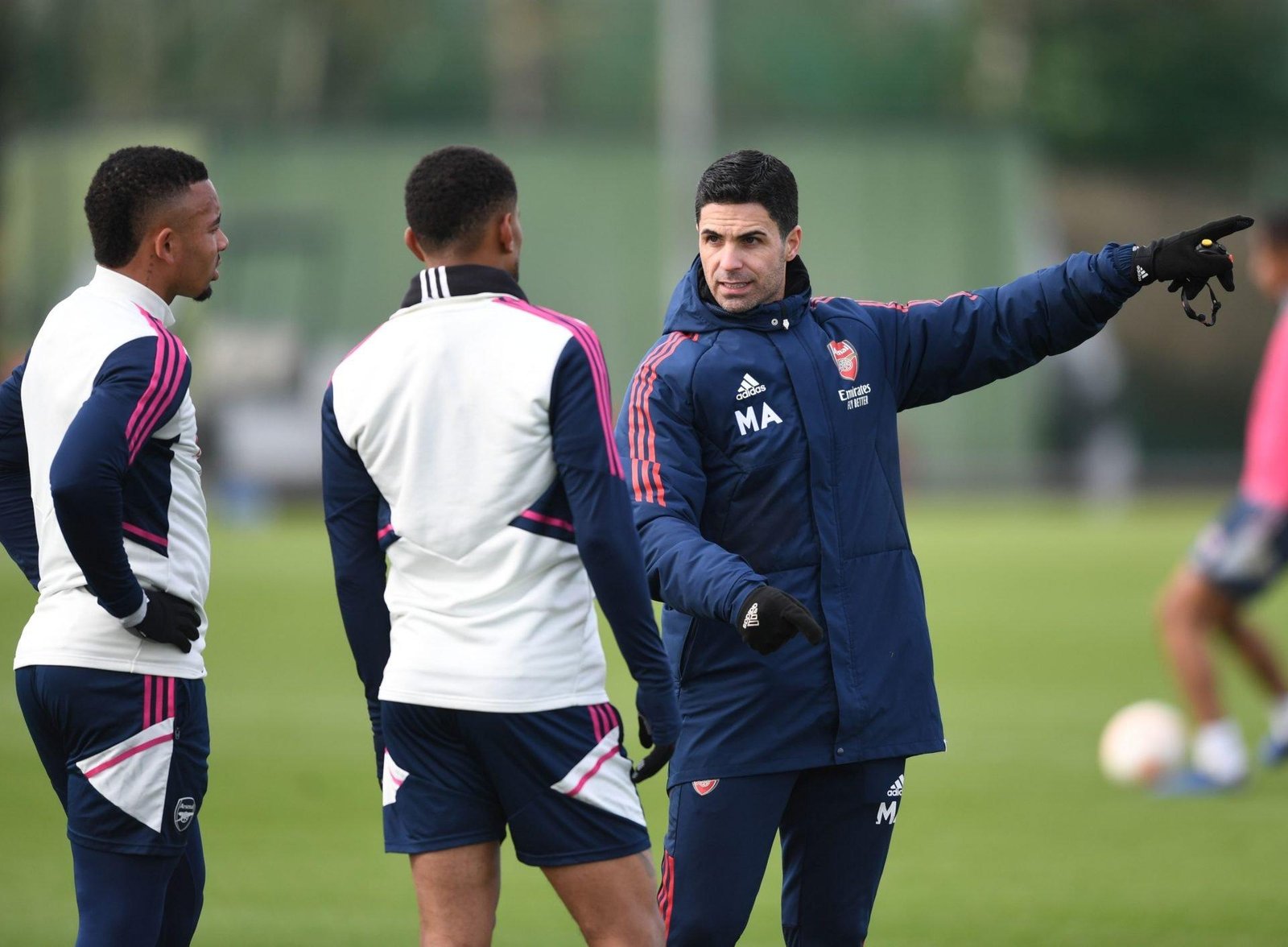
The trajectory of Arsenal F.C. serves as a case study in organizational restructuring and brand revitalization. Following the departure of Arsene Wenger in 2018, the club faced a period of identity crisis and declining on-pitch performance. However, the appointment of Mikel Arteta in late 2019 marked the beginning of a cultural and tactical overhaul. By prioritizing a specific profile of young, technically proficient players and implementing a rigorous non-negotiable standards policy, the club has rebuilt its competitive edge. Much like the efficiency seen in enterprise software such as Microsoft Outlook, Arsenal has streamlined its internal operations to ensure that every department, from scouting to medical, aligns with a singular vision of high-performance output.
The Deep Dive: Financial and Tactical Architecture
To understand Arsenal's current standing, one must examine the intersection of financial discipline and tactical innovation. The club's ownership, Kroenke Sports and Entertainment (KSE), has shifted from a hands-off approach to providing targeted capital injections for infrastructure and player acquisitions. This has allowed the club to compete for elite talent like Declan Rice, whose 105 million Pound transfer set a club record and signaled a new era of financial ambition.
Tactically, Mikel Arteta has introduced a system based on positional fluidity and high-intensity pressing. Data from Opta indicates that Arsenal's defensive line is one of the highest in Europe, forcing turnovers in the final third more frequently than 90 percent of other top-flight teams. The integration of Nicolas Jover as a specialized set-piece coach has further optimized performance, with the club scoring 22 goals from dead-ball situations in a single season. This level of specialization is comparable to the hardware-software synergy discussed in the PS5 Pro Strategic Analysis, where specific components are tuned to maximize the efficiency of the entire ecosystem.
Commercial growth has been equally impressive. The extension of the partnership with Emirates until 2028 and the lucrative deal with Adidas have solidified the club's global footprint. Furthermore, the club's digital strategy has seen a surge in engagement. By leveraging behind-the-scenes content and global tours, Arsenal has maintained a top-tier media presence, a strategy that mirrors the growth patterns analyzed in the SonyLIV Strategic Analysis regarding premium content consumption and audience retention.
The Recruitment Model: Value vs. Expenditure
Arsenal's recruitment strategy has moved away from aging superstars toward high-ceiling talents. The average age of the starting XI has consistently been among the youngest in the Premier League, currently hovering around 25 years. This youth-centric approach ensures long-term asset value and resale potential. Players like Bukayo Saka and Gabriel Martinelli, acquired or developed at a fraction of their current market value, represent the cornerstone of this economic model. According to industry reports from CIES Football Observatory, Arsenal’s squad value has appreciated by nearly 40 percent in the last 24 months, the highest growth rate among the traditional Big Six clubs in England.
What This Means For You: The Stakeholder Perspective
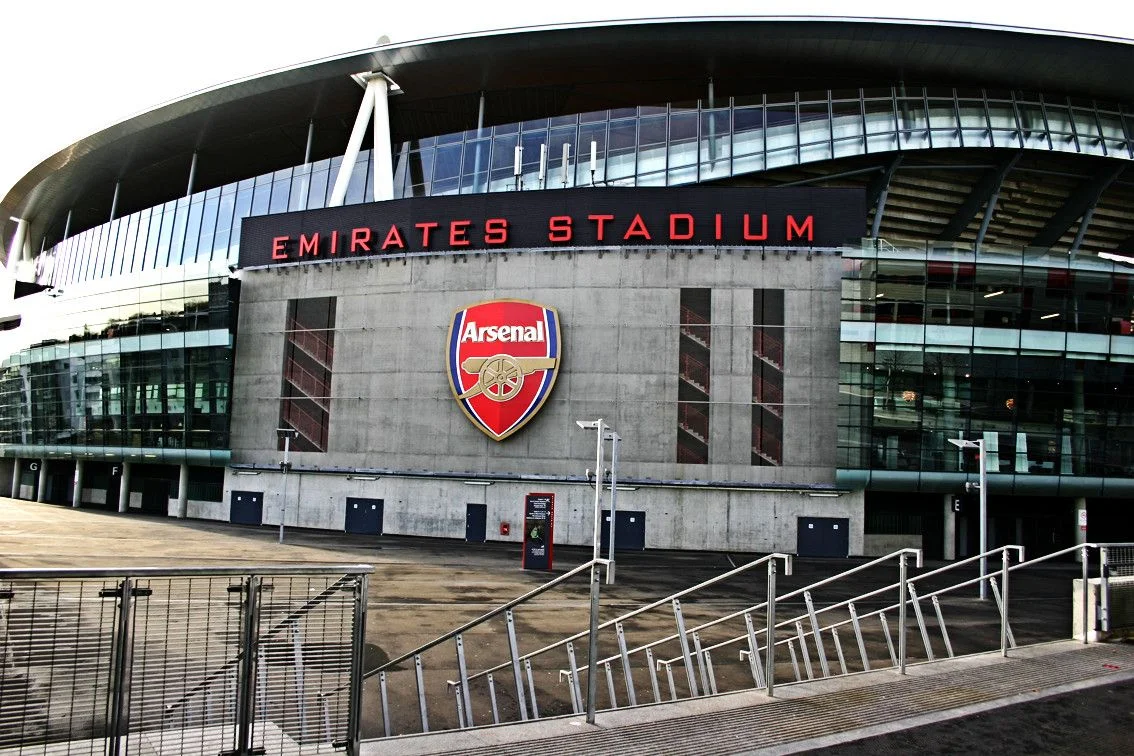
For fans and investors, the current state of Arsenal F.C. suggests a period of sustained competitiveness. Unlike previous eras where success was sporadic, the current framework is built on repeatable processes. For the average observer, this means a more predictable and high-quality entertainment product. For the football industry, it provides a blueprint for how a legacy brand can modernize without losing its core values. The club's commitment to the Emirates Stadium experience and community engagement ensures that the brand remains relevant in a crowded global sports market.
Expert Verdict and Future Outlook
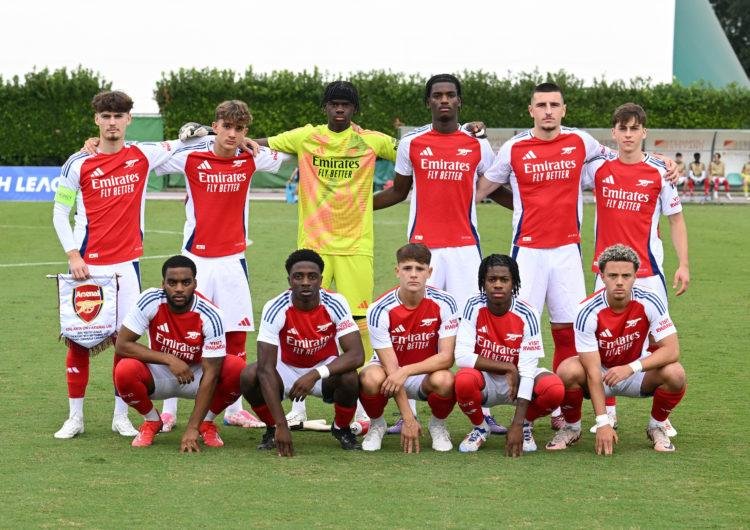
The expert consensus among sports economists is that Arsenal is currently in its strongest financial and sporting position since the mid-2000s. The challenge moving forward will be the management of wage inflation and the transition of key personnel as the current core enters its peak years. However, the club's robust academy system, Hale End, continues to produce elite talent, providing a cost-effective pipeline to the first team. The future outlook remains bullish, with projections suggesting that Arsenal will remain a top-three revenue generator in the Premier League for the foreseeable future, provided they maintain their Champions League status.
Frequently Asked Questions
- What is Arsenal's current annual revenue? As of the 2022/23 financial year, Arsenal's revenue stands at approximately 464.6 million Pounds, driven by a return to European competition and increased commercial deals.
- How has Mikel Arteta changed the club's culture? Arteta implemented a strict set of non-negotiables regarding discipline and work rate, while also modernizing the tactical setup to match the demands of the modern high-press game.
- Who owns Arsenal F.C.? The club is fully owned by Kroenke Sports and Entertainment (KSE), led by Stan and Josh Kroenke.
- What is the capacity of the Emirates Stadium? The stadium holds approximately 60,704 spectators and remains one of the highest matchday revenue generators in world football.
- How does Arsenal's recruitment strategy differ from its rivals? Arsenal focuses on younger players with high technical proficiency and statistical output, often targeting players before they reach their peak market value.
Conclusion
Arsenal F.C. has successfully navigated a complex period of restructuring to emerge as a model of modern football management. By balancing heavy investment in the squad with disciplined financial growth and tactical innovation, the club has secured its place at the pinnacle of the sport. The strategic takeaway is clear: success in the modern era requires a total alignment between ownership, management, and the coaching staff.



Comments 0
Leave a Reply
Your email address will not be published. Required fields are marked *
Be the first to share your thoughts!