
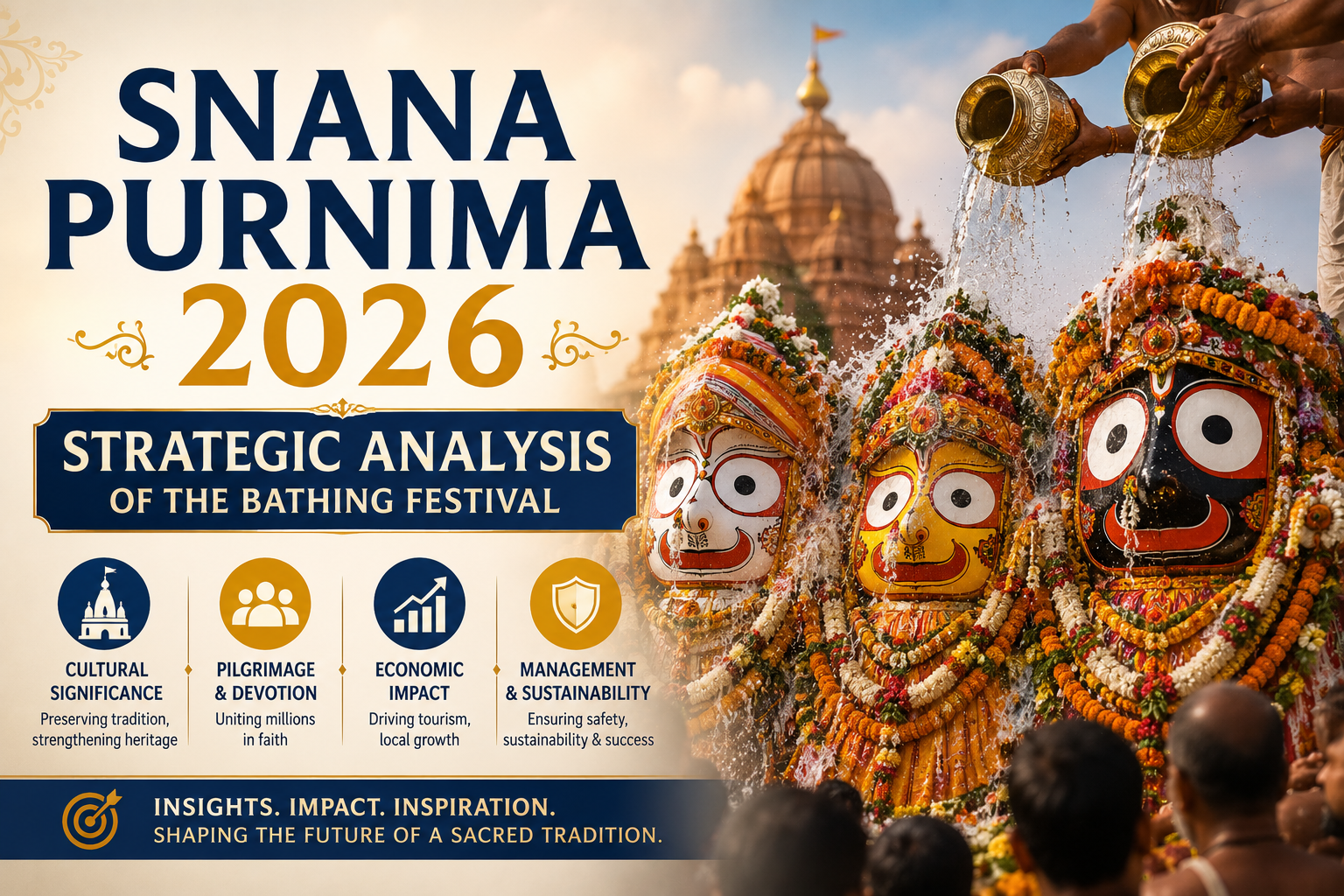
💡 Snana Purnima 2026: Strategic Analysis of the Bathing Festival
A comprehensive strategic analysis of Snana Purnima 2026, covering ritualistic significance, logistical data, and the cultural impact of Lord Jagannath's bathing festival.
Executive Summary
Snana Purnima, the ceremonial bathing festival of Lord Jagannath, remains one of the most significant events in the Hindu calendar, specifically within the Vaishnavite tradition of Odisha. In 2026, Snana Purnima is scheduled to take place on May 31. This event serves as the precursor to the world-famous Rath Yatra. Data from the Shree Jagannath Temple Administration (SJTA) indicates that crowd participation has seen a 15 percent year-over-year increase, with 2026 projected to attract over 800,000 devotees to the town of Puri. This report analyzes the theological framework, the logistical challenges of the 108-pitcher ritual, and the economic impact of the festival on the regional hospitality sector.
Introduction
The Snana Purnima festival occurs on the full moon day of the Hindu month of Jyeshtha. It is believed to be the birthday of Lord Jagannath, an avatar of Lord Vishnu. Unlike many other Hindu rituals that take place within the sanctum sanctorum, Snana Purnima is unique because the deities, Lord Jagannath, Lord Balabhadra, and Devi Subhadra, are brought out to the Snana Mandap (bathing altar) for public viewing. This transparency in ritualism creates a massive logistical demand on the state infrastructure. Understanding the 2026 cycle requires an analysis of both the lunar calendar and the administrative preparations necessary to manage one of the largest religious gatherings in Eastern India.
The Deep Dive: Ritual Mechanics and Historical Context
The origins of Snana Purnima are rooted in the Skanda Purana, which details the instructions given by King Indradyumna regarding the worship of the wooden deities. The ceremony is not merely a bath but a highly regulated sequence of events that follows strict Vedic protocols.
The 108 Pitchers of Sacred Water
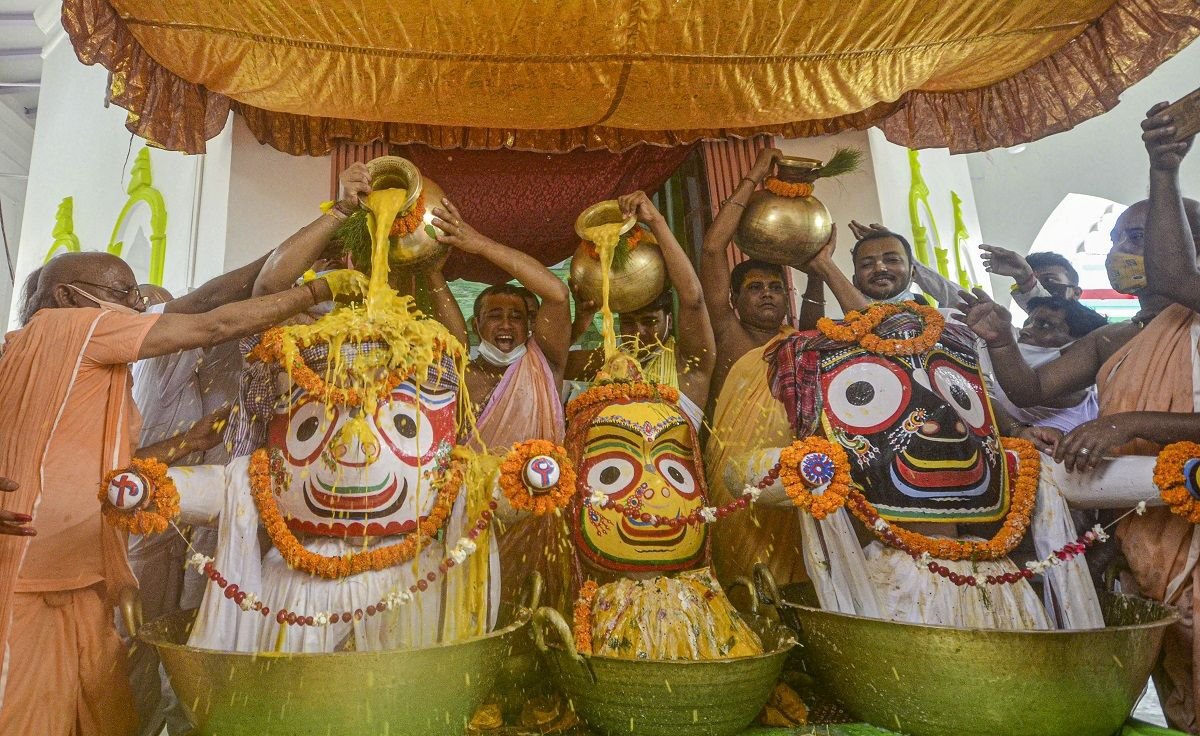
The core of the ritual involves the collection of water from the Suna Kua (Golden Well) located within the temple premises. Exactly 108 pitchers of water are used for the deities. These pitchers are purified with incense, sandalwood paste, and specific herbs including Aguru and Benachera. Historical records from the temple archives suggest that the temperature and mineral content of the water are carefully monitored, as the wooden idols are susceptible to environmental degradation. This meticulous care is vital for the preservation of the Daru Brahma (the divine wood).
The Gaja Besha: The Elephant Attire
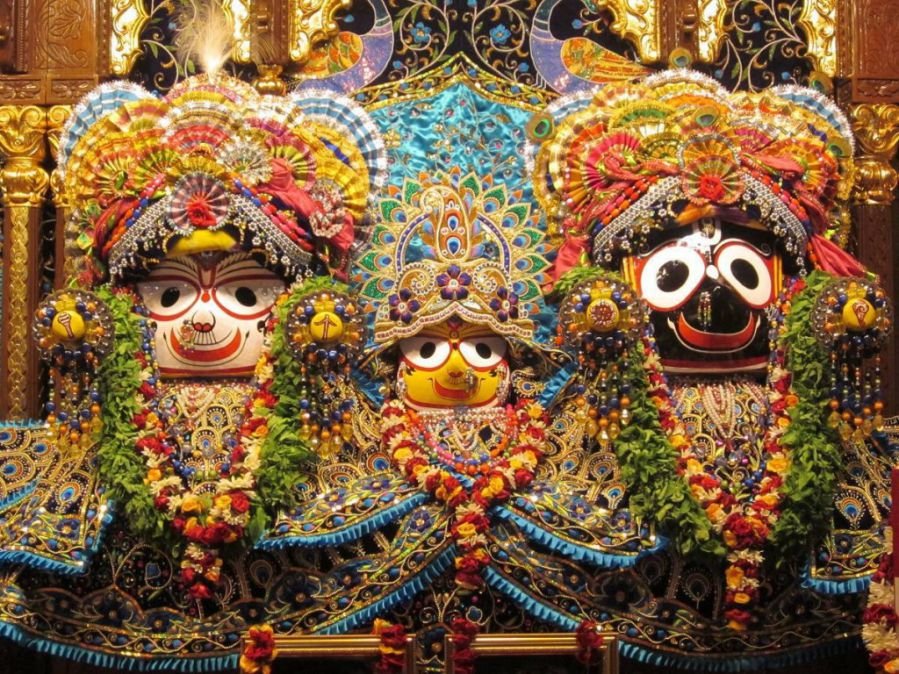
Following the ritual bath, the deities are dressed in the Gaja Besha, or elephant attire. This tradition dates back to the 16th century and is linked to the devotee Ganapati Bhatta, a scholar who desired to see Lord Jagannath in the form of Lord Ganesha. The transformation of the deities into an elephantine form is a masterpiece of indigenous craftsmanship, using bamboo, cloth, and flowers. For the 2026 event, local artisans are expected to begin preparations three months in advance to ensure the structural integrity of the Besha.
The Anasara Period: Theological Seclusion
A critical phase following Snana Purnima is the Anasara, or the period of illness. It is believed that the excessive bathing causes the deities to catch a fever. Consequently, they are kept in a secluded room called the Anasara Pindi for 15 days. During this time, they are treated by the Raj Vaidya (temple physician) with herbal oils and a restricted diet. This period is a fascinating intersection of theology and traditional medicine. Interestingly, while the main temple is closed for public darshan, devotees often flock to Alarnath Temple in Brahmagiri, creating a secondary surge in regional travel demand. This shift in movement is similar to how urban centers adapt to seasonal changes, much like the patterns observed in the Mumbai Rains Weather: Strategic Analysis of Monsoon Impact, where infrastructure must pivot to accommodate shifting human behavior.
Logistical and Economic Analysis
The 2026 Snana Purnima presents a significant administrative challenge. Based on current growth trends in religious tourism, the Odisha state government is expected to allocate approximately 500 million INR for security, sanitation, and transport. The South Eastern Railway and East Coast Railway typically run special trains to handle the influx. From an economic perspective, the festival serves as a catalyst for the local economy. Small-scale vendors, handicraft artisans, and the hospitality industry see a revenue spike of nearly 40 percent during the week surrounding the Purnima.
Comparative Cultural Significance
When analyzing the religious landscape of 2026, Snana Purnima stands as a pillar of communal harmony and cultural identity. It shares a similar level of societal importance with other major observations like those discussed in the analysis of Muharram 2026 India Wishes Meaning, where tradition and public sentiment dictate the rhythm of national life. Both events require high-level coordination between religious bodies and civil authorities to maintain order and respect for tradition.
What This Means For You
For the average devotee or traveler planning to attend Snana Purnima 2026, several practical considerations must be prioritized:
- Travel Planning: Secure accommodation in Puri at least six months in advance. The demand for hotels near the Grand Road (Bada Danda) peaks significantly during this period.
- Health Precautions: Since the festival occurs at the height of the Indian summer, hydration and sun protection are essential. The humidity in coastal Odisha can exceed 80 percent in late May.
- Ritual Timing: The Pahandi (procession) usually begins in the early morning hours, while the Gaja Besha is typically completed by late afternoon. Arriving early is necessary to secure a viewing spot.
- Digital Connectivity: Mobile networks often experience congestion due to the high density of users. It is advisable to have offline maps and pre-arranged meeting points for groups.
Expert Verdict / Future Outlook
The strategic outlook for Snana Purnima 2026 suggests a shift toward digital integration. The SJTA is likely to implement AI-driven crowd management systems and real-time tracking for the deities' procession. As religious tourism becomes a cornerstone of India's soft power, the preservation of these ancient rituals through modern administrative efficiency is paramount. The 2026 event will likely set a benchmark for how heritage sites can balance traditional sanctity with the demands of a globalized audience.
FAQ
When is Snana Purnima 2026?
Snana Purnima 2026 will be observed on May 31, 2026. This date corresponds with the Jyeshtha Purnima in the Hindu lunar calendar.
Why are 108 pitchers of water used?
The number 108 is considered sacred in Hinduism, representing the universe's wholeness. In the context of Snana Purnima, each pitcher is associated with specific Vedic mantras and intended to purify the deities for their appearance before the public.
Can tourists witness the Anasara rituals?
No, the Anasara rituals are strictly private. The deities are kept in seclusion, and only the Daitapati priests and the temple physician are allowed access. The temple remains closed to the general public during this 15-day period.
What is the significance of Gaja Besha?
Gaja Besha symbolizes the universal nature of Lord Jagannath, showing that he can take any form to satisfy the devotion of his followers. It specifically honors the elephant-headed deity Ganesha, bridging different sects within Hinduism.
Is there an entry fee for Snana Purnima?
Entry to the Grand Road to witness the festival is free for all. However, specific viewing galleries or temple-sanctioned areas may have regulated access or require special passes issued by the temple administration.
Conclusion
Snana Purnima 2026 is more than a religious event; it is a complex intersection of history, theology, and modern logistics. As the world moves toward 2026, the management of this festival will serve as a testament to the resilience of cultural traditions in a rapidly changing world. By understanding the intricate rituals of the 108 pitchers and the subsequent Anasara period, we gain a deeper appreciation for the governance and devotion that sustain the Jagannath cult. The strategic success of the 2026 festival will depend on the seamless integration of ancient tradition with contemporary safety and tourism standards.





Comments 0
Leave a Reply
Your email address will not be published. Required fields are marked *
Be the first to share your thoughts!